


Budget hatchets need to do a few practical jobs well, and the right one depends on your routine. A camp trip, a backyard wood pile, or a throwing lane each puts different demands on balance, grip, and head shape. You also want a tool that feels manageable in hand, not one that turns a simple task into a workout. The eight picks below cover that range without drifting into overbuilt territory.
Quick Look At The Shortlist
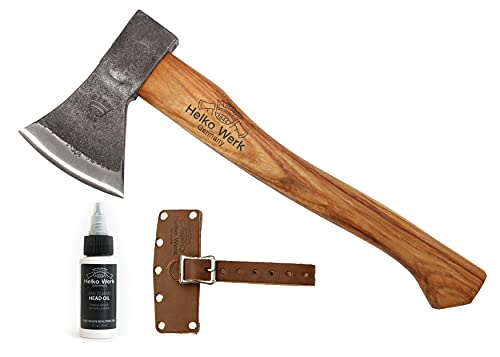
1844 Helko Werk Germany Traditional Rheinlander Hatchet 11326

Cold Steel Frontier Hawk Tomahawk 90FHS

Cold Steel Competition Throwing Hatchet 16″

Sahara Sailor Throwing Axes 3 Pack 10-Inch Set

DESHIL 15-Inch Chopping Hatchet Axe with Sharpening Stone

DESHIL 15-Inch Wood Splitting Hatchet Axe

DESHIL 15-Inch Camping Hatchet Axe with Sheath
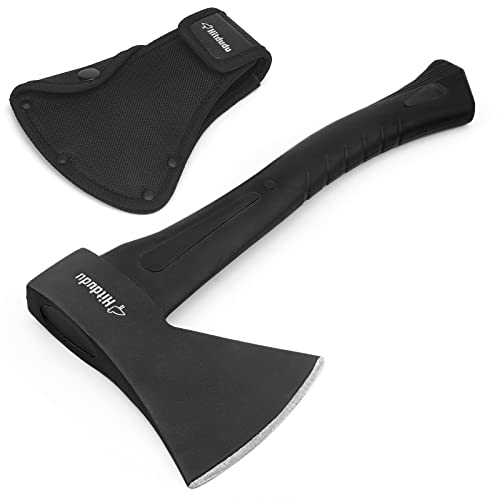
Hitdudu Camping Hatchet 14″
More Details On Our Top Picks
The Rheinlander shape leans traditional, with a 1.25-pound head and a 14-inch handle that suits controlled camp work. In a backpack or trunk kit, that size makes it easier to carry than a larger splitting tool, though you still need to respect the edge and keep it stored properly.
It feels like the pick for someone who wants a more classic hand tool rather than a flashy utility piece. The trade-off is simple, smaller size means less brute force on bigger rounds, so it fits bushcraft, kindling, and light campsite chores better than heavy log work.
Strong Points
- Short handle keeps control steady in close camp tasks.
- 1.25-pound head offers a manageable swing for smaller jobs.
- Compact dimensions make it easier to pack for weekends away.
- Traditional profile suits users who prefer a classic feel in hand.
Things To Consider
- Smaller size limits leverage on thicker wood.
- Traditional finishes often reward regular edge care and dry storage.
Feature Snapshot
Who It Suits Best
You get the most from this one in bushcraft kits, weekend camping setups, and lighter wood chores where control matters more than brute force.
Another Choice May Suit
Cold Steel Frontier Hawk Tomahawk 90FHS suits someone who wants a lighter-feeling general outdoor tool with a different hand feel and a more tomahawk-like profile.
This tomahawk-style option lands in a useful middle ground, especially for camp users who like a lighter, quick-handling tool. Because it ships without a sheath, storage and transport need a little extra attention, which matters more than some shoppers expect.
Compared with the Helko Werk piece, this one shifts away from a traditional hatchet look and into a more hawk-like form that feels different in hand. You may like that balance for general outdoor use, though the lack of a sheath means your carry setup needs to be sorted separately.
What We Like
- Lighter tomahawk profile suits fast handling.
- Useful for camp carry and general outdoor tasks.
- Simple design keeps the tool easy to understand at a glance.
Worth Noting
- No sheath in the listing, so storage planning matters.
- More specialized feel than a standard camp hatchet.
Technical Sheet
Made For
You get the best fit here in general outdoor setups where a lighter hawk-style tool feels more natural than a full camp hatchet.
Where A Sibling Pick Shines
1844 Helko Werk Germany Traditional Rheinlander Hatchet 11326 is the better match for someone who wants a more classic hatchet profile and a more compact all-around camp feel.
This model is built around throwing use, not around chopping chores, so that distinction matters from the start. The 16-inch length gives you a longer tool than the compact camp pieces above, and that usually helps with a more deliberate throwing setup.
The listing also notes competition regulation changes and logo customization, which makes this feel aimed at league settings more than casual backyard use. The honest read is that you should want a purpose-made throwing tool before choosing it, because it gives up some all-purpose versatility to stay focused.
Reasons To Buy
- Purpose-built for competition throwing.
- 16-inch format supports a more deliberate throwing setup.
- Customization mention suits organized league users.
- Focused design keeps the tool clear in its role.
Small Caveats
- Specialized shape is less useful for camp chopping.
- Better suited to a throwing lane than an all-purpose kit.
Core Details
Who Will Love This
You get the most from this hatchet in throwing clubs, casual practice lanes, and league settings where consistency matters more than camp utility.
Look Elsewhere When
Sahara Sailor Throwing Axes 3 Pack 10-Inch Set suits someone who wants a group-friendly bundle rather than a single competition-focused piece.
This set stands out for quantity, because three throwing axes change the experience for practice sessions, clubs, or families sharing gear. The included bottle openers, wrench, and nylon sheath add convenience, although that extra kit also means more pieces to keep track of.
Compared with the Cold Steel throwing model, this is the more social option, especially for group rotation or keeping spare tools on hand. You may find the set handy for recreational use, but it’s less focused than a single competition piece and that trade-off is part of the appeal.
Upsides
- Three-piece format works well for shared practice.
- Extra accessories add everyday convenience.
- Nylon sheath helps with storage and transport.
- Good fit for casual recreation and training rotation.
Areas To Watch
- More parts mean more to organize and store.
- Bundle approach is less specialized than a single league tool.
Details At A Glance
Built With In Mind
You get the best match here for recreational throwing sessions where a shared set makes more sense than one dedicated hatchet.
Swap It Out When
Cold Steel Competition Throwing Hatchet 16″ is the sharper fit for league-minded users who want a more singular, competition-oriented tool.
The included sharpening stone gives this one a more practical edge for regular camp use, because maintenance is part of ownership with any hatchet. With a forged steel blade, anti-slip grip, and shock-reduction handle, it aims to make repeated kindling work feel steadier in hand.
That said, the sharpening stone also hints at the kind of owner this serves best, someone willing to keep the edge ready rather than leaving the tool untouched between trips. Compared with the DESHIL wood-splitting model, this one leans a bit more toward mixed camp chores and light throwing familiarity.
Bright Spots
- Sharpening stone adds useful upkeep support.
- Forged steel blade suits repeated chopping tasks.
- Anti-slip grip helps steady hand placement.
- Shock-reduction handle may feel easier during longer sessions.
Points To Note
- Needs regular edge care to stay ready.
- More of a working camp tool than a specialty splitter.
Feature Rundown
Right Fit For
You get the most from this model in camp kits where kindling prep, light chopping, and routine edge care all matter.
Where A Sibling Pick Shines
DESHIL 15-Inch Wood Splitting Hatchet Axe is the better call for someone who wants a more focused splitter rather than a mixed-use chopping setup.
This DESHIL model keeps things straightforward, which is often what you want for splitting small logs or preparing fuel for a camp stove. The forged steel blade, anti-slip handle, and shock-reduction design point to a tool that aims for steady handling rather than fancy extras.
Compared with the chopping version above, this one reads as the more focused wood-prep choice. That narrower role suits campers and backyard users who want a simple splitter and do not need a bundle of accessories getting in the way.
Highlights
- Focused shape suits light splitting work.
- Forged steel blade gives a solid working surface.
- Anti-slip and shock-reduction details support comfort.
- Simple layout keeps maintenance straightforward.
Room For Improvement
- Single-purpose bias means less flexibility for other chores.
- Utility-first design offers fewer accessory extras.
Spec Overview
Whose Shelf It Belongs On
You get the best fit here for straightforward wood splitting around camp, the shed, or a small backyard stack.
Consider Something Else When
DESHIL 15-Inch Camping Hatchet Axe with Sheath suits you better for broader camp carry because it adds a sheath and a more travel-ready setup.
A sheath changes the ownership experience in a useful way, because storage and packing matter just as much as chopping once you leave home. This DESHIL hatchet pairs that carry-friendly detail with a 45 carbon steel blade and a shock-absorbing fiberglass grip, so it suits campers who want a cleaner travel setup.
Compared with the two DESHIL picks above, this one feels more rounded for hiking and campsite carry. You may still need to keep the edge protected and the sheath positioned well in your pack, but that’s the trade-off for easier transport.
Positives
- Sheath makes travel and storage easier.
- 45 carbon steel blade suits camp cutting tasks.
- Fiberglass grip can feel more forgiving during longer use.
- Good fit for hiking kits and campsite carry.
Softer Spots
- Sheath adds one more item to keep track of.
- Travel-ready design still needs regular edge care.
Feature Card
The Right Fit
You get the strongest fit here for hiking kits, campsite chores, and carry-conscious use where a sheath makes a real difference.
A Better Fit Elsewhere
Hitdudu Camping Hatchet 14″ suits someone who wants a shorter tool that slips into smaller packs more easily.
The 14-inch size makes this the shortest pick in the group, and that can be a real advantage in tighter packs or lighter camp setups. Forged carbon steel, heat treatment, and a fiberglass handle with an anti-slip grip point to a tool that aims for practical carry and straightforward use.
Compared with the 15-inch DESHIL models, this one trims a little length for easier stowage. That smaller footprint should suit hikers and occasional campers who want a less bulky tool, though heavier wood work will naturally ask more of a compact head and handle.
Best Bits
- 14-inch length is easy to pack.
- Forged carbon steel blade suits outdoor cutting jobs.
- Heat-treated construction suggests a firmer working edge.
- Anti-slip fiberglass handle supports secure handling.
Minor Gripes
- Shorter size gives up some leverage on larger wood.
- Compact format can feel more task-specific than a longer camp tool.
At A Glance
Best Suited To
You get the most from this one in smaller packs, light camping setups, and occasional wood prep where compact carry comes first.
Not Your Match When
DESHIL 15-Inch Camping Hatchet Axe with Sheath is the stronger fit for someone who wants a little more reach and a sheath for transport.
How To Choose The Right Budget Hatchets
Start With The Job
Hatchet shape matters more than most shoppers expect. A traditional camp head, a tomahawk profile, and a throwing form all behave differently, so match the tool to the task before you think about extras. Bushcraft and kindling work favor compact control, while league throwing needs a head and length that repeat the same motion well.
Handle length changes leverage and carry comfort at the same time. A 14-inch tool like the Helko Werk or Hitdudu is easier to pack, while a longer 16-inch throwing model gives you more to work with for a throwing setup. That trade-off is the whole story in this category, because a smaller tool usually travels better and a longer one usually feels more specialized.
Look Closely At Materials
Forged steel and carbon steel show up often for a reason, because they’re the parts you rely on most. Forging means the metal has been shaped under pressure, which generally suits working heads, while carbon steel often shows up on tools meant for a firm cutting edge. The catch is that both reward basic care, especially drying and edge maintenance after outdoor use.
Grips matter too, especially for campers who wear gloves or work in damp weather. Fiberglass handles often lighten the feel and can include shock-reduction or anti-slip details, while wooden handles usually bring a more classic feel. You’re choosing between comfort, carry weight, and the kind of grip that feels natural in your hand.
Think About Maintenance And Storage
A sheath is more useful than it sounds, because it keeps an edge easier to store in a pack, trunk, or shed. That matters for weekend travelers and for anyone who keeps tools near other gear. The absence of a sheath, like on the Cold Steel Frontier Hawk, isn’t a dealbreaker, but it does mean you need a separate storage plan.
Sharpening access matters as well. The DESHIL chopping model includes a stone, which is helpful for routine upkeep, while plain tools ask you to sort that separately. For most backyard users, the smartest choice is the one that matches your willingness to maintain it, not the one with the longest feature list.
Choose By Experience Level
Beginners usually do better with simple, readable tools that don’t ask for a special technique right away. A balanced camp hatchet with a comfortable handle and moderate length is easier to live with than a niche throwing tool. More experienced users often care more about head feel, repeatability, and how cleanly the tool fits a specific routine.
That’s why the lineup splits so neatly. The Helko Werk and the DESHIL camp models make sense for general ownership, while the Cold Steel competition piece serves a narrower role. Once you decide whether you want one tool for many jobs or one tool for one job, the right short list gets much smaller.
Things Worth Knowing First
Mistakes Worth Dodging
Plenty of shoppers focus on blade material and ignore carry details. That usually leads to awkward storage, especially for packs, vehicles, or small sheds. A sheath, handle shape, and total length deserve as much attention as the head itself.
Another common slip-up is buying a throwing tool for camp chores. A competition hatchet can be excellent for its own role, but it’s not the same as a camp splitter or bushcraft hatchet. Matching the tool to the job saves you from a head scratch later.
What The Higher Tier Buys
Higher-priced hatchets usually pay for tighter material selection, more deliberate shaping, and better comfort features. That can mean forged heads, more refined handle geometry, or a sheath that feels more integrated with the tool. You’re often paying for fit and finish as much as raw materials.
The upgrade makes sense when the hatchet will live in your kit a lot. Campers, throwing league users, and frequent backyard wood workers tend to feel the difference faster than occasional users. For light, rare use, a simpler model often makes more sense and keeps the decision easy.
Frequently Asked Questions
What Size Hatchet Works Best For Camping?
Most campers do well with something around 14 to 15 inches because it packs more easily and still handles kindling. Bigger sizes start to lean toward specialty use or extra leverage.
Is A Sheath Really Necessary?
A sheath helps with storage, pack safety, and keeping the edge from rubbing against other gear. It’s especially useful for travel, trunk kits, and crowded tool drawers.
Can You Use A Throwing Hatchet For Chopping Wood?
You can, but that’s not the best use of a throwing-specific design. A camp hatchet or splitting model usually makes more sense for wood prep.
What Handle Material Should You Choose?
Fiberglass often feels lighter and can bring grip texture or shock reduction. Wood feels more traditional, while steel-and-forged builds usually favor a classic working-tool feel.
Do Budget Hatchets Need Regular Care?
Yes, basic care matters for almost all of them, especially drying the tool after use and keeping the edge ready. That small habit tends to matter more than a flashy feature list.
Closing Thoughts
The right budget hatchet is the one that fits your routine without asking for extra fuss. A bushcraft trip, a throwing lane, and a stack of kindling all call for different shapes, lengths, and carry setups, so the smartest choice starts with the job. The Helko Werk feels most classic, the Cold Steel throwing models serve more specialized use, and the DESHIL and Hitdudu picks cover the practical camp side well. Keep the focus on control, storage, and upkeep, and you’ll land on a tool that feels worth keeping close.




