A small shop asks a lot from every inch of floor space. You want gear that fits through tight doorways, settles where you need it, and still keeps lumber moving without constant shuffling around the garage.
The six picks below cover that reality from different angles, from the SKILSAW table saw itself to mobile bases, stands, and a thin-rip jig that helps with narrow cuts. That mix matters in a cramped workspace, because the right support gear can make a solid saw feel a lot easier to live with.
Quick Look At The Shortlist
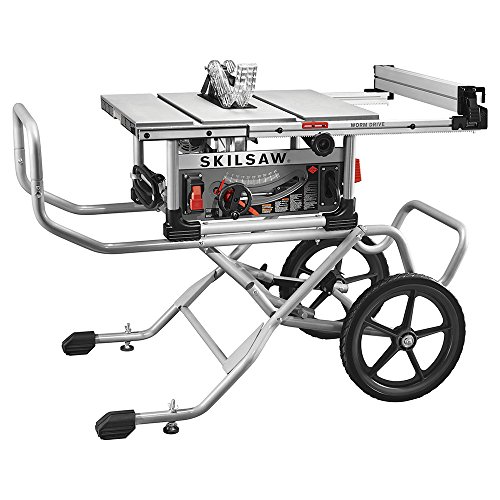
SKIL 10 Inch Worm Drive Table Saw SPT99-11

BORA PM-2500 Mobile Base for Shop Equipment
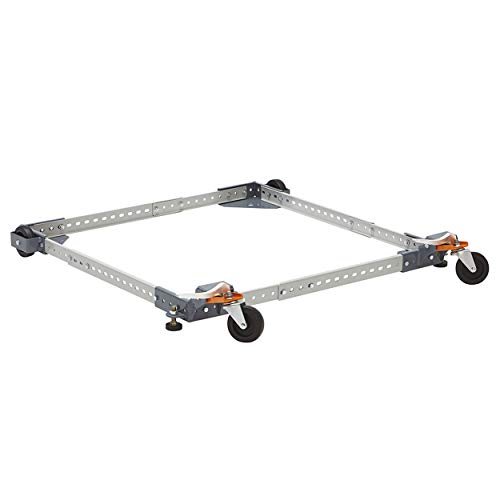
BORA Universal Mobile Base for Shop Equipment PM-1000

WORKESS Universal Miter Saw Stand WK-MS046

POWERTEC Table Saw Stand with Wheels MT4009

Saker Thin Rip Jig Table Saw Jig Guide
More Details On Our Top Picks
For a cramped shop that still needs a full-size saw feel, this SKILSAW stands out because the worm-drive layout leans into tougher rip work without turning the setup into a monster footprint. The included stand helps keep the saw from eating up bench space, and that matters when your garage doubles as storage.
The trade-off is simple, it suits committed shop use more than quick occasional jobs. Someone who cuts sheet goods, framing lumber, or heavy stock on a regular basis will appreciate the steadier feel, while casual weekend use may not need this much saw.
Strong Points
- Worm-drive design supports a stronger cutting feel for demanding shop tasks.
- The stand helps you set up a dedicated station instead of clearing a bench every time.
- Ten-inch blade size fits common woodworking work without feeling undersized.
- Good match for a garage shop that still has to share space with other gear.
Points To Note
- It takes more room than a bare compact saw package.
- More capable hardware usually means a little more effort moving it around the shop.
Feature Rundown
Who It Suits Best
You get the most from this saw in a small shop that still handles serious woodworking, not just light trim. It suits someone who values a tougher build and can give the saw a fixed corner.
A Better Fit Elsewhere
The BORA PM-2500 mobile base suits you better when your table saw already works fine and the bigger need is moving other heavy machines around the shop.
Space-saving in a small shop often comes down to mobility, and this BORA base is built for that job. The steel frame and locking wheels let you roll a heavy saw or another large tool out when needed, then park it in a corner with less drama.
The 650-pound capacity gives it room for weighty equipment, which is helpful for cast-iron table saws and similarly heavy shop tools. The honest caveat is that a mobile base helps most when your floor is reasonably level and your equipment footprint matches the base’s adjustable range.
What We Like
- High weight capacity suits heavier shop machines.
- Locking wheels make repositioning less awkward in tight quarters.
- Steel construction points toward long-term shop use.
- Helps you reclaim floor space in a shared garage.
Room For Improvement
- Mobility hardware adds setup steps before the base earns its keep.
- Very small tool footprints may not need this much hardware.
- Works best on a smooth, reasonably even floor.
Core Details
Right Fit For
This suits a shop where the saw or jointer has to move often, especially in a garage that still needs car space.
Another Choice May Suit
POWERTEC MT4009 makes more sense for you when a foldable stand matters more than a heavy-duty base under a stationary machine.
Compared with the heavier PM-2500, this BORA PM-1000 lands in a friendlier range for smaller shop machines and mixed-use garages. It is the sort of base that helps you rearrange equipment without turning every move into a two-person project.
The 400-pound limit is enough for plenty of table saw setups, and the adjustable size gives it a broader fit profile than a fixed cart. You may find it easiest to appreciate when your shop changes shape often, because that flexibility is the whole point.
Highlights
- Adjustable sizing helps it work with different tool footprints.
- Mobile design supports tighter shops that need frequent reconfiguration.
- Enough capacity for many common table saws and related tools.
- Useful for woodworking gear that never stays in one place for long.
Softer Spots
- Not as heavy-duty as the PM-2500 for very large machines.
- Adjustable parts can take a little more setup attention.
At A Glance
Whose Shelf It Belongs On
You fit this best when your shop has a modest table saw or a few moving machines and you want more flexibility than a fixed stand.
Skip It When
BORA PM-2500 suits you better when the tool is especially heavy and you want the extra capacity cushion.
The WORKESS stand feels aimed at the person who wants a cleaner working height without dedicating a giant corner to the setup. The 6-level height adjustment is useful when your shop bench, saw, or cut station needs to line up more neatly.
The grid tabletop helps with layout-minded work, and the 300-pound load capacity gives it enough substance for a serious support role. Compared with the BORA mobile bases, this is less about rolling heavy iron around and more about creating a steadier, height-tuned work area.
Bright Spots
- Six height positions help you dial in a better working level.
- Grid tabletop can be handy for keeping cuts and placement organized.
- Compact enough to make sense in smaller work zones.
- Useful support for saw-related setup work and general shop tasks.
Areas To Watch
- It is more of a stand than a true rolling base.
- Heavy equipment still needs careful setup and placement.
- Grid top layout may not matter for every shop task.
Details At A Glance
Made For
This is a sensible fit for a compact garage shop where you want a more intentional support surface than a basic stand.
Where A Sibling Pick Shines
POWERTEC MT4009 fits better when you want wheels and foldability first, especially in a garage that needs to clear space fast.
This POWERTEC stand speaks directly to garage setups, where storage matters just as much as support. The wheels help with repositioning, and the foldable design is the part you notice most after a long week, because a stand that tucks away cleanly earns real space back.
The 330-pound load capacity sits below the larger BORA bases, but that also keeps the design more approachable for smaller saws and mixed workshop use. It is a sensible match for someone who wants a portable stand without carrying extra bulk that never gets used.
Best Bits
- Foldable frame helps with garage storage.
- Wheels make it easier to shift the saw into position.
- Fits a wide range of common table saw brands.
- Works well for a shop that changes from weekend project mode to parked mode often.
Minor Gripes
- 330-pound capacity is fine for many saws, but not the heaviest setups.
- Portable hardware can mean a little more motion than a fixed station.
- Color may vary, so the look is not the main reason to choose it.
Spec Overview
The Right Fit
You get the most from this stand in a garage shop where the saw gets moved and stored often.
Look Elsewhere When
BORA PM-2500 is the better fit for very heavy equipment that needs a stronger mobile base.
The Saker jig fills a very different role from the saws and bases above, and that is exactly why it earns a place here. Thin rip work, meaning repeated narrow-strip cuts, can be fussy in a small shop, and a dedicated guide helps keep the setup more controlled.
It fits 3/4-inch by 3/8-inch slots, so compatibility is the first thing to check against your table saw, band saw, or router table. For trim work, craft strips, or repeated shop-made parts, it can save a surprising amount of setup time, though it is obviously not a stand-in for a full saw.
Reasons To Buy
- Helps with repeated narrow-strip cuts.
- Works across table saw, band saw, and router table slots sized to fit.
- Useful for detail work that needs the same cut again and again.
- Small accessory footprint makes it easy to store.
Things To Consider
- It is a jig, not a full shop machine.
- Slot compatibility has to line up with your setup.
- Narrow-cut accessories need careful handling and regular cleanup.
Feature Card
Best Suited To
You suit this best when your shop work includes repeated strips, edge pieces, or other narrow parts that benefit from a guide.
Reach For A Different Pick When
SKILSAW SPT99-11 is the better choice when you need the actual table saw, not just the jig that helps it do a narrower job.
How To Choose The Right Cabinet Table Saws For Small Shop
Size, Mobility, And Floor Plan
A small shop rewards honest measuring more than wishful thinking. The saw itself matters, but the room around it matters just as much, especially once you add outfeed space, a fence path, and room to walk without side-stepping every cut.
Mobile bases are worth serious attention in this category because they let you reclaim floor space between projects. A heavier base like the BORA PM-2500 suits large iron tools, while the POWERTEC stand makes more sense when foldability matters more than brute capacity.
Cut Style And Support Gear
Your cutting habits should steer the purchase. The SKILSAW leans toward tougher ripping work, while the Saker jig is a helper for repeated narrow strips, so those two solve different parts of the same workflow.
Support gear also changes how a saw feels day to day. A stand or mobile base can turn a crowded garage setup into something calmer, which is often what you need most when the shop also stores bikes, bins, or lawn gear.
Capacity, Compatibility, And Setup
Capacity is not just a number, it is a clue about what the product can carry without feeling stressed. The BORA PM-1000 and PM-2500 show how capacity tiers can match different machine weights, and that helps you avoid overbuying or underbuying.
Compatibility deserves the same attention. The Saker jig only makes sense with 3/4-inch by 3/8-inch slots, and stands like the WORKESS model fit best when the working height and tabletop style match your workflow.
What To Weigh Before You Decide
Mistakes Worth Dodging
One common slip is focusing only on the saw and forgetting the support system around it. In a small shop, a fixed machine with no movement plan can clog the whole room.
Another mistake is matching every accessory to sheer weight instead of use pattern. A heavy-duty mobile base is helpful for big cast-iron equipment, but a lighter folding stand can be smarter for a saw that only rolls out for projects.
The Upgrade Payoff
Higher-tier gear usually costs more because it uses heavier materials, stronger frames, and more flexible adjustment hardware. That extra build quality matters most when the saw or base gets moved often, carries more weight, or sits at the center of your shop routine.
The upgrade makes sense when you hate wobble, constant rearranging, or awkward storage. In a shop that sees frequent weekend projects, spending up on better mobility or sturdier support often pays back in day-to-day ease.
Frequently Asked Questions
What Makes A Cabinet Saw Work In A Small Shop?
A small shop benefits from a saw that cuts cleanly without taking over the room. The best fit also leaves enough space for infeed, outfeed, and storage around it.
Do Mobile Bases Really Help?
Yes, because they let you move heavy equipment out of the way instead of working around it. That matters a lot in a garage or basement shop with shared space.
Is A Foldable Stand Better Than A Fixed Base?
A foldable stand makes sense when you store the saw between projects. A fixed base is usually better when the machine stays in one place and weight matters more than storage.
What Should You Check Before Buying A Jig?
Check slot size first, because compatibility drives the whole decision. The jig has to fit your saw or table opening before anything else matters.
Which Pick Works Best For Frequent Repositioning?
The BORA PM-2500 stands out for heavy machines that need to move often. The POWERTEC MT4009 is the better choice when fold-away storage matters more than maximum carrying strength.
Closing Thoughts
For a small shop, the right cabinet saw setup is less about chasing the biggest machine and more about building a workspace that still feels open after the cut is done. The SKILSAW brings the most saw-like muscle here, while the BORA bases, WORKESS stand, and POWERTEC frame solve the space problem in different ways. The Saker jig rounds things out for narrow, repeated work. Pick the piece that matches your floor plan first, and the rest of the workflow gets easier.