Choosing a first circular saw gets easier once you match the tool to the job in front of you. A lightweight 4-1/2-inch model suits quick trim work, while a 7-1/4-inch saw brings the reach and blade depth most home projects eventually need. You’ll see both corded and cordless options below, plus one hole saw kit for drilling clean openings in wood, PVC, and plastic.
Quick Look At The Shortlist

Metabo HPT 7-1/4-Inch Circular Saw Kit C7SB3

SKIL 14 Amp 7-1/4-Inch Circular Saw 5180-01

SKIL 16-5/16 In. Magnesium Worm Drive Skilsaw Circular Saw SPT70V-11
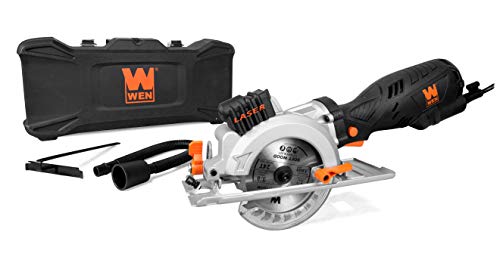
WEN 3625 5-Amp 4-1/2-Inch Beveling Compact Circular Saw

WORKPRO 20V Cordless Mini Circular Saw 4-1/2
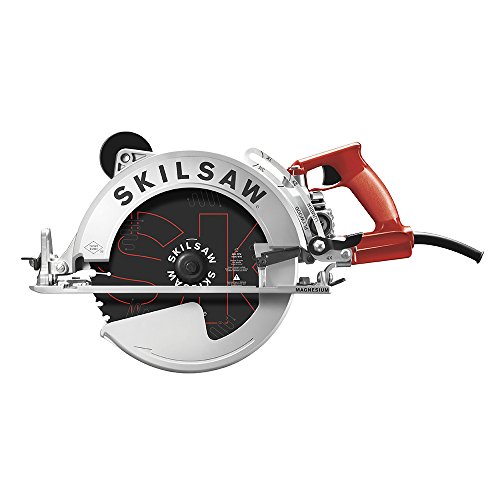
SKILSAW SPT70WM-01 15 Amp 10-1/4 Magnesium SAWSQUATCH Worm Drive Circular Saw Silver
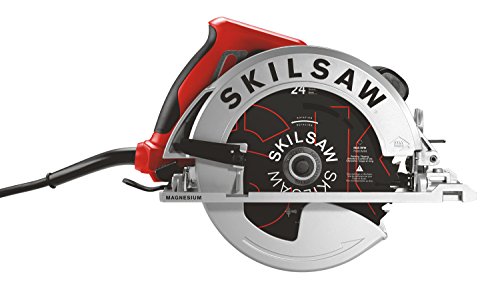
SKILSAW SPT67WL-01 15 Amp 7-1/4 In. Sidewinder Circular Saw

12-Piece Hole Saw Kit 8 Sizes 3/4 to 2-1/2
More Details On Our Top Picks
A 7-1/4-inch saw gives you room to grow, and this Metabo HPT kit fits that first-step role well. The 15-amp motor and 6,000 rpm no-load speed point to brisk cutting through common sheet goods and framing lumber, while the integrated dust blower helps keep your cut line easier to follow. The single-handed bevel adjustment is handy when you’re still learning setup basics.
The included 24-tooth blade leans toward rough framing and rip cuts, so you may want a finer blade later for cleaner finish work. That trade-off makes sense for garage projects, deck repairs, and general construction tasks where speed matters more than a polished edge.
Strong Points
- 15-amp power gives you enough headroom for common beginner projects.
- 6,000 rpm supports fast progress through lumber and sheet material.
- Dust blowing helps you track the marked line more easily.
- Single-handed bevel changes feel less awkward during early setup.
Things To Consider
- The 24-tooth blade favors rough cuts over smooth finish edges.
- Full-size 7-1/4-inch saws feel less nimble than compact models in tight spaces.
Feature Snapshot
Who It Suits Best
New DIYers taking on framing, deck repairs, or garage builds will get the most from this saw.
A Better Fit Elsewhere
SKIL 14 Amp 7-1/4-Inch Circular Saw 5180-01 suits a starter who wants a simpler, no-frills corded setup.
This SKIL model keeps the formula straightforward, which is often exactly what a first saw should do. A 14-amp motor and 7-1/4-inch blade size put it in the familiar all-purpose range, so you can move from practice cuts to common home projects without learning a strange setup.
The honest read is that simplicity helps more than flashy extras during the early learning curve. You may find it especially comfortable for weekend shelving, plywood breakdown, and the kind of trim work that calls for a plain, dependable corded tool.
What We Like
- 14-amp output keeps it firmly in the useful home-project zone.
- 7-1/4-inch blade size matches widely available replacement blades.
- Simple format helps you focus on cut lines and stance.
Room For Improvement
- It does not bring the extras that some upgrade-minded shoppers want.
- Corded use keeps you tied to an outlet and an extension cord.
Core Details
Made For
Beginners who want a familiar corded saw for general household carpentry fit this well.
Swap It Out When
Metabo HPT 7-1/4-Inch Circular Saw Kit C7SB3 makes more sense for you if a dust blower and bevel control matter more.
The jump in size is obvious here, and that matters more than the name suggests. A 16-5/16-inch blade with a 6-1/4-inch cutting capacity is aimed at thicker stock and longer cuts, so this saw suits framing crews, serious remodel work, and anyone who keeps running into oversized lumber.
Compared with the Metabo HPT and SKIL 7-1/4-inch picks, this one lives in a heavier lane that can feel overbuilt for casual weekend use. The magnesium body helps keep weight in check for the size, though the saw still makes more sense in open work areas than in cramped corners.
Highlights
- Large blade size supports deep cuts through thicker lumber.
- Magnesium construction points to a lighter feel than steel-heavy designs.
- The format suits long, straight cuts in framing material.
- Good choice for jobs that outgrow a basic 7-1/4-inch saw.
Softer Spots
- The large format takes more room in storage and transport.
- It can feel like more saw than a first-time DIY setup needs.
At A Glance
Right Fit For
You’ll get the most from this saw in bigger framing or remodel jobs where depth matters.
Another Choice May Suit
SKILSAW SPT67WL-01 15 Amp 7-1/4 In. Sidewinder Circular Saw suits you better for regular home projects and easier handling.
The smaller 4-1/2-inch format makes this WEN easier to handle than the full-size saws above, and that can be reassuring during your first few cuts. The included laser guide gives you a visible cut line reference, while the carrying case helps keep the tool together with its accessories in a small shop or apartment storage spot.
The trade-off shows up in cut depth and overall reach, so this is better for trim, light plywood work, and short material sections than for heavy framing. For most beginners working in a garage or on a bench, that smaller footprint feels less intimidating.
Best Bits
- Compact body is easier to guide with less strain.
- Laser guide can help you stay aligned on simple straight cuts.
- Carrying case keeps storage neater between projects.
- Good match for light-duty home trimming.
Points To Note
- 5-amp power sits below the corded full-size saws in this list.
- Smaller blade size limits depth on thicker boards.
- The laser helps with setup, but it does not replace careful clamping.
Details At A Glance
The Right Fit
Apartment DIYers and first-time users tackling light trim work will find this format approachable.
Where A Sibling Pick Shines
WORKPRO 20V Cordless Mini Circular Saw 4-1/2 may suit you better if you want the same compact size without a cord.
Cordless convenience changes the feel of a first saw, especially for porch repairs, quick trim cuts, and jobs far from an outlet. This WORKPRO package includes a 4.0Ah battery, fast charger, three blades, and a laser guide, so you get more of a ready-to-use kit than a bare tool.
Compared with the WEN compact saw, you trade the cord for battery management and a little more kit complexity. That’s a fair exchange for small jobs around the house, though the 1-11/16-inch cut depth at 90 degrees means thick stock still belongs to a larger saw.
Upsides
- Cordless design keeps you mobile around the yard or jobsite.
- Battery, charger, and blades make the package feel complete.
- Laser guide adds a helpful aiming reference for new hands.
- Compact size suits quick cuts and tight storage spaces.
Minor Gripes
- Battery runtime planning matters more than it does with corded saws.
- Cut depth is modest compared with the 7-1/4-inch corded options.
- Laser guides are helpful, but you still need steady setup and clamping.
Core Details
Built With In Mind
You’ll appreciate this most for portable home projects, especially anywhere cord drag becomes annoying.
Look Elsewhere When
SKIL 14 Amp 7-1/4-Inch Circular Saw 5180-01 fits better for you if you want a simpler corded tool with deeper reach.
This is the heavy lifter in the group, and the size tells you that right away. A 10-1/4-inch blade, magnesium shoe, magnesium gear housing, and 51-degree bevel give this saw a clear edge for big timber, deep cuts, and serious framing work.
The Dual-Field motor is designed for sustained use, so the saw feels aimed at long days on large projects rather than quick shelf installs. That extra capability is useful, though it also means you’re carrying more saw than most beginners need for a first purchase.
Reasons To Buy
- Large blade size handles substantial lumber with less fuss.
- Magnesium parts help keep the tool’s structure from feeling overly bulky.
- 51-degree bevel gives more angle flexibility than many basic saws.
- Includes a 40-tooth blade and wrench, so the kit starts complete.
Areas To Watch
- The size and reach are more than many casual projects call for.
- Storage space matters more with a saw this large.
- It makes the most sense in open work areas with room to move.
Key Specs
Whose Shelf It Belongs On
Experienced DIYers and remodel work usually make better use of this saw than a first-week beginner.
Reach For A Different Pick When
Metabo HPT 7-1/4-Inch Circular Saw Kit C7SB3 is easier to live with for ordinary home cutting and less storage demand.
This sidewinder keeps things in the familiar 7-1/4-inch camp, which is why it feels so practical for routine use. A 15-amp motor gives it enough muscle for framing, plywood cuts, and repair work, while the sidewinder layout should feel approachable to anyone who wants a common, straightforward saw shape.
Compared with the SKIL 14 Amp model, this one sits a touch higher in output and looks better suited to frequent weekend use. It still stays closer to a classic beginner path than the oversized SPT70WM-01, and that middle ground is exactly why many home projects land here.
Bright Spots
- 15-amp power gives you room for regular cutting tasks.
- Familiar sidewinder layout makes handling feel less mysterious.
- 7-1/4-inch blade size works with common blades and accessories.
- Good all-purpose fit for renovation and repair work.
Small Caveats
- It still asks for cord management during use.
- The format is practical, not especially compact for storage.
Feature Rundown
Best Suited To
Home improvers who want a regular-use corded saw with a familiar feel will get along with this one.
Skip It When
WEN 3625 5-Amp 4-1/2-Inch Beveling Compact Circular Saw makes more sense for you if storage room and lighter handling matter more.
This kit changes the category a bit, because it’s not a circular saw at all, it’s the accessory route for drilling round openings. With eight hole sizes from 3/4 inch to 2-1/2 inches, plus arbors, drill bits, and a hex key in the case, it’s built for cutouts in soft wood, plywood, PVC board, and plastic.
For beginners doing cabinet work, vent openings, or basic fixture prep, that range can be surprisingly useful. The honest trade-off is that you still need a drill to drive it, so this belongs beside your saw setup rather than replacing a circular saw.
Positives
- Covers a useful spread of opening sizes for home tasks.
- Case storage keeps the pieces easier to sort and find.
- Arbors, drill bits, and hex key round out the kit.
- Works across soft wood, plywood, PVC board, and plastic.
Worth Noting
- You need a compatible drill to put the kit to use.
- Cut quality depends on steady setup and proper support for the workpiece.
Technical Sheet
Perfect Match For
DIYers drilling round openings in sheet goods or plastic will get the most value from this kit.
Where A Sibling Pick Shines
SKILSAW SPT67WL-01 15 Amp 7-1/4 In. Sidewinder Circular Saw is the better fit for straight cuts in lumber and plywood.
How To Choose The Right Circular Saws For Beginners
Blade Size, Weight, And Control
Blade size sets the saw’s reach, and that changes everything from cut depth to handling feel. A 7-1/4-inch saw handles most home carpentry with ease, while a 4-1/2-inch compact model feels easier to steer for small trim jobs and short cuts.
Weight matters just as much. A lighter saw can feel less tiring during early practice, but a heavier body often tracks more steadily through longer cuts.
Corded Or Cordless
Corded saws suit long sessions and bigger stock because you never pause to manage a battery. They also tend to bring steady power in a familiar format, which helps during your first learning curve.
Cordless saws win on mobility. You’ll notice the difference on porch repairs, yard work, or any project far from an outlet, though battery planning becomes part of the routine.
Motor Strength And Cut Depth
A higher-amp motor usually points to more cutting muscle in this category, especially on dense lumber or thicker sheet goods. That matters most once you move past practice cuts and start dealing with framing, deck work, or remodel jobs.
Cut depth tells you what the saw can actually handle at 90 degrees and at bevel angles. Beginners often overlook that number, then discover a compact saw is better for trim than for full plywood breakdown.
Small Features That Help Early On
Dust blowers, lasers, and bevel adjustments sound minor until you’re standing over a marked board with limited experience. These features can make setup easier, though they never replace a clear pencil line and a secure workpiece.
A carrying case, included blade, or extra accessories can also save a first-time setup from feeling scattered. That kind of completeness feels calmer on day one, which is worth a lot.
What To Know Before You Choose
Common Shopping Slip Ups
Many first-timers focus on blade size alone and miss the real fit question. A large saw sounds useful, but a compact model may suit your space, storage, and cutting style much better.
Another common mistake is underestimating cord management or battery planning. Both affect how smoothly your first projects go, especially in a garage, driveway, or small workshop.
The Case For Spending Up
Higher-tier saws usually bring stronger motors, sturdier materials, and better control on bigger jobs. That extra cost often goes toward durability details like magnesium housings, larger blades, or more capable bevel ranges.
The upgrade makes sense once your projects move beyond occasional trim. Framing, remodel work, and thick lumber are the places where a stronger saw starts paying back the difference in comfort and speed.
Frequently Asked Questions
What size circular saw suits a beginner best?
A 7-1/4-inch saw is the easiest all-purpose starting point for most home projects. A compact 4-1/2-inch model works better for light trim and smaller hands.
Is a corded saw easier than a cordless one?
Corded saws keep power simple and steady, which helps during early practice. Cordless saws feel easier to move around, but you need to think about battery charge.
Do you need a laser guide?
A laser can help you line up a cut, especially on short boards or simple trim. It does not replace a straight pencil mark, a clamp, or careful stance.
What blade count should you start with?
A common 24-tooth blade works well for rough framing and general cutting. Finer blades are better for cleaner edges, though they usually cut a little more slowly.
Can a beginner use a large framing saw?
You can, but the size and weight may feel demanding at first. Most beginners get along more easily with a standard 7-1/4-inch saw before moving to oversized framing tools.
Closing Thoughts
Your first circular saw should feel manageable before it feels powerful. That’s why the smaller WEN and WORKPRO options make sense for lighter work, while the Metabo HPT, SKIL, and SKILSAW corded models suit broader home projects with more reach. Bigger framing work belongs to the larger SKILSAW saws, and the hole saw kit fills a different need altogether. Pick the tool that matches your space, your material, and the kind of job you’ll actually face first.