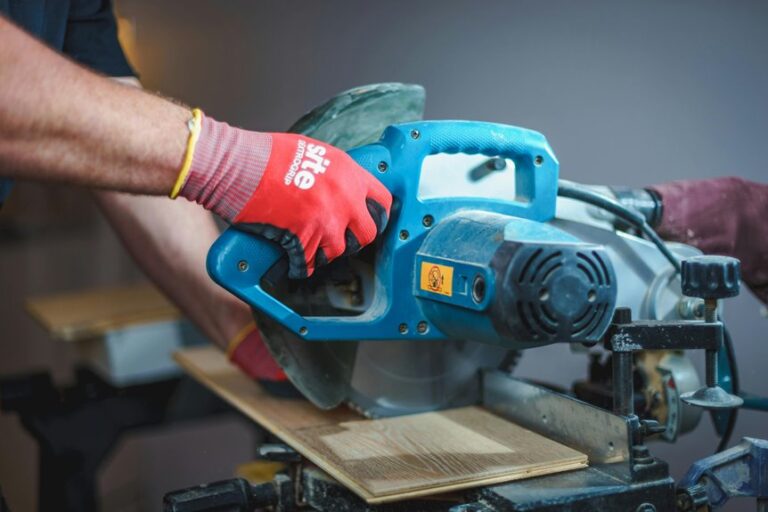
Choosing circular saws for woodworking gets easier once you separate cutting tools from the guides and blades that shape the finish. You may need a full-size corded saw for sheet goods, a compact cordless option for trim work, or a straightedge guide that keeps long rips honest in a home shop. This roundup focuses on practical fit, not flashy extras.
Each pick below solves a different problem, from cleaner cuts to better control in tight spaces. That means you can match the tool to your bench, your material, and how often you work. The right setup feels less like a compromise and more like a steady hand.
Quick Look at the Shortlist
IRWIN Tools Classic Series Steel Corded Circular Saw Blade 7 1/4-inch 140T

SKIL 14 Amp 7-1/4-Inch Circular Saw 5180-01
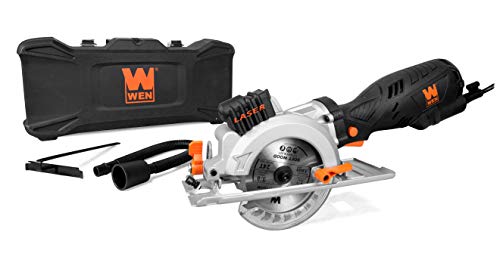
WEN 3625 5-Amp 4-1/2-Inch Beveling Compact Circular Saw

Kreg KMA4700-E Straight Edge Guide XL 98-Inch

WORKPRO 20V Cordless Mini Circular Saw 4-1/2 Compact Wireless

Bora QuickCut Circular Saw Guide with Angle Assist 16in

DEKOPRO 20V Cordless Circular Saw 6-1/2-Inch Blade

CRAFTSMAN V20 RP Cordless Circular Saw 7-1/4 inch Bare Tool Only
More Details On Our Top Picks
A 140-tooth blade like this is built for cleaner work, not hurried framing, so it fits trim, plywood faces, and other finish-focused cuts better than a coarse blade. The .087-inch kerf, which is the width of the cut path, keeps the blade on the slimmer side, so you waste less material on thin stock.
Compared with the full saws in this roundup, the real value here is control at the cutting edge rather than power from the motor. In a small shop, that makes sense for anyone pairing a corded circular saw with a blade upgrade, though the narrower kerf can leave you wanting a steadier feed on rough lumber.
Highlights
- 140 teeth support finer, cleaner crosscuts.
- Thin kerf helps preserve more material on every pass.
- 7 1/4-inch sizing fits many standard corded saws.
- Good match for plywood and trim work in a home shop.
Things To Consider
- It is a blade only, so you need a compatible saw.
- Fine-tooth blades usually move more slowly through dense stock.
- Steel construction can be a tougher cleanup job after dusty use.
Feature Snapshot
Who It Suits Best
You get the most from this blade in finish carpentry, cabinet work, and other jobs where a cleaner edge matters more than speed.
A Better Fit Elsewhere
SKIL 14 Amp 7-1/4-Inch Circular Saw 5180-01 suits you better when you want a complete cutting tool instead of a blade upgrade.
For general woodworking, a 14-amp corded saw hits a sensible middle ground, especially on a bench where steady power matters more than battery convenience. The 7 1/4-inch blade size also keeps it in familiar territory for ripping sheet goods and breaking down lumber.
Compared with the compact WEN and the cordless WORKPRO, this SKIL model leans toward everyday shop use rather than one-handed portability. You may still prefer a guided setup for long plywood cuts, but the saw itself makes a strong anchor for a basic shop kit.
What We Like
- 14 amps gives it a straightforward corded-workshop feel.
- 7 1/4-inch blade size suits common woodworking tasks.
- Works well as a main saw for garage shops.
- Simple format keeps setup and storage uncomplicated.
Room For Improvement
- Corded use keeps you tied to an outlet.
- Full-size saws feel less handy for overhead or trim work.
- Long rips still benefit from a guide or straightedge.
Core Details
Made For
You fit this saw best when you want a dependable corded option for routine cuts in a home workshop.
Where A Sibling Pick Shines
WORKPRO 20V Cordless Mini Circular Saw 4-1/2 Compact Wireless suits you better for quick cuts away from outlets and tighter work areas.
Small-format saws earn their place when the job feels cramped, and this WEN model fits that role well. The 4 1/2-inch blade makes the tool easier to manage on trim, light sheet stock, and fast cuts where a full-size saw would feel like a lot of tool for the task.
The beveling base matters too, because bevel cuts let you angle the blade for joints and edge details without reaching for another setup. The trade-off is plain, though, since a 5-amp motor and smaller blade are better for lighter duty than the SKIL or CRAFTSMAN full-size options.
Positives
- Compact body suits shelves, ladders, and small work areas.
- Laser guidance helps line up cuts in faster layout work.
- Carrying case makes storage and transport easier.
- Beveling design adds flexibility for angled cuts.
Softer Spots
- Smaller blade size limits how much stock you can clear in one pass.
- Best for light-duty work, not heavy framing routines.
- A laser line can be helpful, but it still depends on your layout marks.
Details At A Glance
Built With In Mind
You suit this saw best when you need a nimble tool for small projects, tight spaces, or jobsite carry.
Another Choice May Suit
DEKOPRO 20V Cordless Circular Saw 6-1/2-Inch Blade fits you better when you want a larger cordless blade and more capacity for general cuts.
A long straightedge guide changes the feel of a circular saw more than many people expect, because it gives the cut a physical lane to follow. This Kreg option stretches to 98 inches, which is useful for sheet goods, long rips, and repeatable layout work in a home shop.
It also works with most right- or left-handed circular saws, plus jigsaws and trim routers, so the guide can stay useful across several tools. The aluminum rails should hold up well in regular shop use, though the length asks for a bit more storage space than the shorter Bora guide.
Bright Spots
- Long reach supports larger plywood and panel work.
- Compatible with both right- and left-handed circular saws.
- Aluminum rails keep the guide light enough to move around the shop.
- Also suits some jigsaws and trim routers.
Areas To Watch
- Long length needs more storage room.
- It adds accuracy, but you still need careful clamping and layout.
- Best value shows up when you cut large panels often.
Feature Card
Whose Shelf It Belongs On
You fit this guide best when your cuts run long and you want steadier edge control than a freehand pass can give.
Look Elsewhere When
Bora QuickCut Circular Saw Guide with Angle Assist 16in suits you better for shorter workspaces and quicker preset-angle setups.
Portability drives this WORKPRO model, and that makes it useful for small repairs, quick trim work, or jobsite carry where a cord would slow you down. The 4 1/2-inch format keeps it compact, while the included 4.0Ah battery, charger, three blades, and laser guide create a ready-to-go setup.
Compared with the WEN compact saw, this one leans cordless, so it fits better when you move around a property or work in places without easy outlets. The trade-off is size, because a mini saw like this will not replace a full-size 7 1/4-inch tool for deeper cuts or bigger sheet stock.
Reasons To Buy
- Cordless design helps you move freely around the work area.
- 4.0Ah battery gives the kit a stronger starting point than bare-tool choices.
- Three blades add flexibility for different materials.
- Laser guide helps keep simple cuts lined up.
Small Caveats
- Mini size limits cutting depth and broader job range.
- Battery care adds another item to store and maintain.
- Less suited to heavy plywood breakdown than full-size saws.
Spec Overview
Perfect Match For
You fit this saw best when portability matters more than deep-cut capacity.
Swap It Out When
SKIL 14 Amp 7-1/4-Inch Circular Saw 5180-01 suits you better for steady, full-size shop work.
This Bora guide is about speed and repeatability, not just straight-line control. The 16-inch aluminum rail, plus four preset angles from 22.5 degrees to 90 degrees, gives you a fast setup for common cuts that show up in trim, framing, and simple shop projects.
The imperial and metric rulers are handy when your notes mix measurement styles, which happens more often than people admit. It is shorter than the Kreg 98-inch guide, so you gain easier handling at the cost of long-panel reach.
Best Bits
- Preset angles save time on recurring cuts.
- 16-inch size stays easier to move and store.
- Imperial and metric scales make layout more flexible.
- Aluminum rail keeps the guide practical for shop use.
Worth Noting
- Shorter rail is less useful for very long plywood cuts.
- Preset convenience still depends on careful clamping.
- Guide tools work best when your saw base is clean and flat.
Quick Facts
Right Fit For
You suit this guide best when you want fast angle setup without dragging out a longer track system.
Reach For A Different Pick When
Kreg KMA4700-E Straight Edge Guide XL 98-Inch suits you better for long sheet goods and larger panel work.
A 6 1/2-inch cordless saw sits in a useful middle zone, bigger than the mini WORKPRO but easier to carry than a corded full-size tool. DEKOPRO adds two batteries and a charger, so the setup makes sense for home projects where you want fewer pauses and more flexibility around the yard or garage.
The 4500 RPM figure points to a brisk blade speed, and the 90-degree and 45-degree depth numbers help you judge what it can handle before you start a cut. It still asks for sensible expectations, because a cordless saw of this size is strongest in routine work rather than thick stock all day.
Upsides
- Two batteries help you keep one on hand while the other charges.
- 6 1/2-inch blade size covers a useful range of home tasks.
- Cordless format suits spaces without outlet access.
- Laser guidance helps with visible cut alignment.
Minor Gripes
- Depth limits mean it is not a replacement for a full-size saw.
- Two batteries add more storage and charging planning.
- Regular blade and battery upkeep matters more on cordless kits.
Feature Rundown
The Right Fit
You fit this saw best when you want one cordless tool for everyday home cutting without stepping up to a full-size corded model.
Not Your Match When
CRAFTSMAN V20 RP Cordless Circular Saw 7-1/4 inch Bare Tool Only suits you better if you already own V20 batteries and want a larger blade platform.
Once you already own batteries in the CRAFTSMAN V20 system, a bare-tool saw like this keeps the setup lean. The 7 1/4-inch blade size brings you back into full-size territory, which suits longer cuts and more regular woodworking than the mini cordless options above.
That larger format also makes it the closest fit here to a shop-first tool, though you do give up the convenience of an included battery and charger. In most garages, that trade makes sense for someone building around an existing cordless collection rather than starting from scratch.
What We Like
- 7 1/4-inch blade size supports wider-use woodworking.
- Bare-tool format keeps it practical for existing V20 setups.
- Cordless design helps around the yard or jobsite.
- Full-size layout suits more demanding cuts than mini saws.
Points To Note
- You need compatible V20 batteries before it makes sense.
- Bare-tool packaging means no charger or battery in the box.
- Full-size cordless tools take more space in storage bags or cabinets.
Technical Sheet
Who Should Grab It
You suit this saw best when you already work inside the V20 lineup and want a larger cordless cutting tool.
Skip It When
DEKOPRO 20V Cordless Circular Saw 6-1/2-Inch Blade is the easier starting point when you need batteries included.
How To Choose The Right Circular Saws For Woodworking
Match Blade Size To Your Material
Blade diameter shapes what you can cut and how comfortable the saw feels in hand. A 7 1/4-inch saw, like the SKIL and CRAFTSMAN picks, suits broader tasks, while the 4 1/2-inch WEN and WORKPRO models feel more at home on trim, small panels, and quick fixes.
Cut depth matters as much as blade size, especially when you work with thicker lumber or stacked sheet goods. A compact saw can be easier to guide, but a larger blade usually gives you more headroom for common shop tasks.
Choose Corded Or Cordless On Purpose
Corded saws keep steady power in play, which helps during long bench sessions or repeated cuts in a garage shop. Cordless saws buy you mobility, and that shows up fast on stairs, in yards, or anywhere an extension cord becomes a nuisance.
The trade-off is runtime and battery management, so cordless fits best when movement matters more than all-day cutting. For constant indoor work near an outlet, the corded route still feels simpler.
Use Guides For Accuracy, Not Just Convenience
A straightedge guide can do more for woodworking accuracy than a pricier saw with no support system. The Kreg 98-inch guide leans into long panel work, while the Bora QuickCut helps more with preset angles and faster setup.
Think about the cuts you repeat most often. If you rip plywood, build shelving, or trim cabinet parts, a guide often earns its spot before another power tool does.
Look Beyond The Saw Body
Accessories shape the day-to-day experience, especially batteries, chargers, cases, and blade selection. The WORKPRO and DEKOPRO kits include more in the box, while the CRAFTSMAN bare-tool option makes sense only inside an existing battery platform.
That difference matters in real use, because the right bundle can reduce the extra purchases you need after delivery. A cleaner setup usually means less clutter in the shop and fewer interruptions mid-project.
Things Worth Knowing First
Hidden Buying Traps
One common mistake is chasing power while ignoring fit. A large saw helps on sheet goods, but a smaller body can be easier to control for trim and repair work.
Another trap is overlooking what comes in the box. Bare tools, battery kits, blades, cases, and guides serve very different needs, so the shorter path is often the one that matches your current setup.
The Upgrade Payoff
Higher-tier saws and guides usually cost more because of better materials, stronger motors, longer rails, or more complete kits. That extra spend can make sense when you cut often, need cleaner alignment, or want fewer add-ons later.
For occasional weekend work, a simpler saw or guide may be enough. For regular woodworking, especially with larger panels or repeated angle cuts, the added stability tends to matter more than a small savings upfront.
Frequently Asked Questions
What blade size works best for woodworking?
Seven and one-quarter inch blades suit most general woodworking tasks. Smaller blades make sense for compact jobs and tighter spaces.
Do cordless circular saws work for sheet goods?
Yes, though larger blade sizes handle sheet breakdown more comfortably. A cordless saw shines most when mobility matters and the cuts are moderate in size.
Why use a straightedge guide with a circular saw?
A guide helps keep long cuts straight and repeatable. It is especially helpful on plywood, shelving, and cabinet parts.
Is a mini circular saw enough for home projects?
It can be enough for trim, light repairs, and quick cuts. For deeper stock or frequent panel work, a larger saw is easier to live with.
What should you check before matching a blade to a saw?
Confirm the blade diameter and arbor fit. Tooth count and kerf also matter because they affect cut feel and material waste.
Closing Thoughts
The right circular saw setup depends less on hype and more on how you work. A full-size corded saw suits steady shop use, a compact cordless saw helps with mobility, and a good guide can lift the accuracy of either. For woodworking, that mix matters more than any single spec. Pick the tool that fits your materials, your space, and the way you already build.