


Cnc Mini-Mills make sense when you need controlled cutting, tighter repeatability, or cleaner setup than hand tools usually deliver. The right choice depends on whether you’re shaping stock, holding tiny parts still, tramming a machine, or upgrading motion hardware. That’s where this roundup helps, because each pick fills a different role in a small CNC workflow. Some are starter machines, others are support gear, and a few are toolpath essentials.
Quick Look At The Shortlist
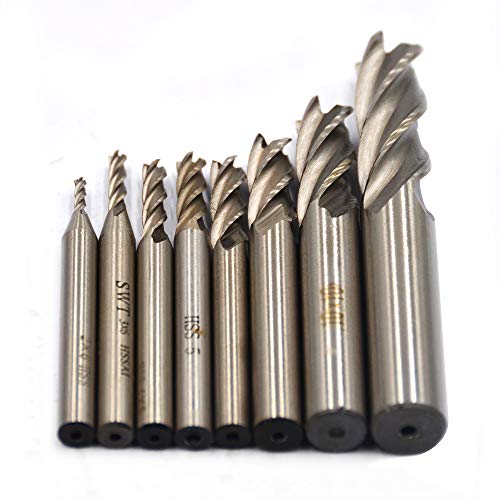
Oudtinz 8-Piece HSS End Mill Bit Set

Genmitsu 4-Piece T-Track Hold Down Clamp Kit

FoxAlien Masuter Pro 3-Axis CNC Router Machine

HOZLY 10-Piece Titanium-Coated Micro End Mill Set
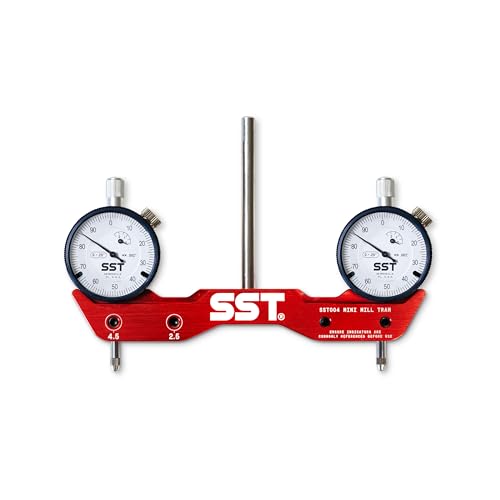
SST Mini Mill & Lathe Tramming System
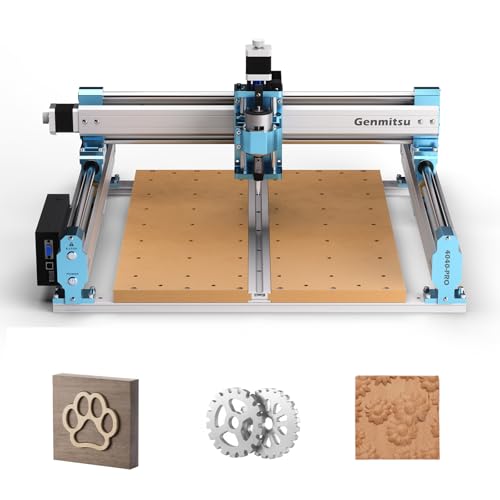
Genmitsu 4040-PRO CNC Router Machine
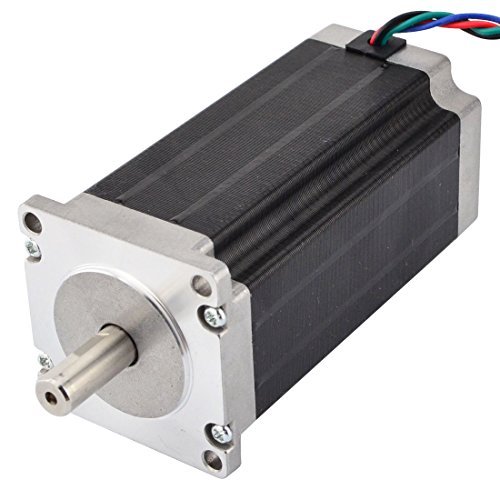
STEPPERONLINE Nema 23 High Torque Stepper Motor 114mm

Home of quality tools 8-Piece Carbide End Mill Set
More Details On Our Top Picks
This set suits small-shop milling where you want several cutter sizes ready without juggling mismatched tools. The HSS, or high-speed steel, build points to everyday cutting on wood, aluminum, and lighter metal work, which matters more than flashy packaging. The trade-off is simple, since this style usually asks for sensible feeds and attention to heat. For hobby routing and general-purpose jobs, that’s often enough.
Compared with the clamp kit and the larger machine picks, this is the consumable that keeps the workflow moving. The 4-flute shape gives you more cutting edges, which can help with finish on some jobs, though it can also ask more from your setup than a looser roughing bit. The honest read is that this fits a bench that sees varied materials more than one that only cuts soft stock.
What We Like
- Multiple diameters cover a wide spread of common CNC jobs.
- HSS construction suits routine shop use and general material removal.
- It can reduce the need to swap bits as often during mixed projects.
- The 4-flute layout gives you a more versatile finishing path.
Room For Improvement
- HSS usually asks more care than carbide during hotter, harder cuts.
- The set leans practical, not specialized, for very tiny detail work.
- Bit care and storage matter, since cutting edges stay sharper with clean handling.
Core Details
Who It Suits Best
Shop tinkerers and hobby CNC users who want a broad starter cutter set will get the most from it.
Where A Sibling Pick Shines
HOZLY 10-Piece Titanium-Coated Micro End Mill Set fits finer engraving work better, especially for tiny detail paths.
Small routers get better results when the workpiece stays planted, and this clamp kit speaks directly to that need. It’s sized for Genmitsu 3018-series machines, so the fit story matters more than brute force, especially on compact beds. In a home workshop, that means less fuss during setup and fewer surprises mid-job. The trade-off is obvious too, because it belongs on compatible T-track systems rather than being a universal clamp answer.
Compared with the first pick, this one doesn’t cut anything, it supports the cut. That makes it a quiet but important upgrade for anyone routing thin stock, signage blanks, or parts that like to shift at the worst time. You may find it especially useful when your projects are small enough that one loose edge can ruin the whole pass.
Best Bits
- Built around T-track use, so it suits compact CNC tables well.
- Four-piece format keeps clamping simple for small jobs.
- Compatibility with 3018-family machines narrows the fit guesswork.
- Workholding support helps your projects stay more consistent.
Small Caveats
- It’s meant for specific Genmitsu machines, not every mini mill setup.
- The kit is task-focused, so larger fixtures may need a different approach.
- Clamp hardware benefits from occasional cleaning so dust does not build up in the tracks.
Feature Card
Right Fit For
Owners of compatible Genmitsu 3018 routers who want steadier hold-down control for small parts will benefit most.
Look Elsewhere When
Genmitsu 4040-PRO CNC Router Machine fits larger work envelopes better when your projects outgrow a 3018-size platform.
For a first serious CNC setup, the all-metal frame is the part that sets the tone. Metal structure usually helps a machine feel steadier during wood, acrylic, MDF, and nylon work, which is exactly the sort of mix a home shop tends to see. You may still want to budget time for assembly and calibration, because a starter machine only feels smooth after the setup is tidy. That’s normal, not a flaw.
Compared with the clamp kit, this is the full platform, and compared with the cutter sets, it gives you the motion system those tools need. The 3-axis layout covers the basic left-right, front-back, and up-down directions that most desktop CNC tasks rely on. In plain terms, it suits beginners who want room to learn without jumping straight into a larger industrial-style build.
Strong Points
- All-metal construction gives the machine a more planted feel on the bench.
- Works across several common hobby materials, which broadens project options.
- 3-axis control fits most entry-level routing and engraving tasks.
- It gives beginners a cleaner path into CNC ownership than a parts-only setup.
- Metal parts usually hold up better than lighter mixed-material frames over time.
Worth Noting
- Assembly and alignment take patience, especially on a first machine.
- Compact desktop format still limits the work envelope versus larger routers.
- Routine dust removal around rails and screws helps keep motion smooth.
Technical Sheet
Whose Shelf It Belongs On
Beginners who want a real desktop CNC router, not just accessories, will get the clearest value here.
Swap It Out When
Genmitsu 4040-PRO CNC Router Machine makes more sense once you want a larger working area and a stronger upgrade path.
This set leans into fine detail, and the 0.8 mm to 3 mm range tells you that right away. Titanium coating is a thin surface layer that often helps a cutter resist wear during repetitive work, so it matters most in engraving, lettering, and small decorative paths. The trade-off is that micro tools ask for gentler feeds and careful chip clearing. For delicate jobs, that’s the price of control.
Compared with the Oudtinz set, this one feels more specialized and less general-purpose. That makes it a better match for model parts, tiny pockets, and small sign work where a standard cutter would feel oversized. The honest read is that it suits patient work more than fast stock removal.
Upsides
- Micro sizing supports small lettering and detail-heavy paths.
- Ten pieces give you several options for tiny workflow changes.
- Titanium coating usually adds a helpful wear layer for routine use.
- The 1/8-inch shank aligns with many compact rotary setups.
Areas To Watch
- Micro cutters need careful handling during storage and cleanup.
- The small diameter range is less suited to heavy material removal.
- You may need slower passes on harder stock to keep control.
At A Glance
Built With In Mind
Detail-focused hobbyists and small-part engravers will get the most out of this set.
Reach For A Different Pick When
Oudtinz 8-Piece HSS End Mill Bit Set is the better fit when you need a wider-purpose cutter spread for mixed materials.
Tramming sounds technical, but the job is plain enough, it helps line up the spindle and bed so the cutter meets the material square. That matters a lot in mini mills and small lathes, because small alignment errors show up fast in finish quality. The included 0.001-inch dial indicators point to fine adjustment rather than rough guesswork. For a shop that already owns a machine, this can be the difference between decent and tidy.
Compared with the FoxAlien and Genmitsu machines, this is not a cutting platform at all, it’s setup gear. That makes it especially useful for people who already own a mini mill or lathe and want cleaner alignment before the next job. In most garages, that kind of tuning pays off more often than a flashy accessory does.
Reasons To Buy
- Helps square the machine for cleaner, more even cuts.
- The dial indicators support very fine adjustment work.
- Works as calibration gear rather than yet another consumable.
- Useful for both mini mills and lathes, so it has broad setup value.
Minor Gripes
- It only helps after you already own a machine to calibrate.
- Setup work asks for patience, especially during first alignment.
- Indicator faces and contact points deserve careful storage to avoid damage.
Details At A Glance
The Right Fit
Machine owners who care about setup accuracy and regular calibration will get the strongest value from this system.
Another Choice May Suit
STEPPERONLINE Nema 23 High Torque Stepper Motor 114mm suits motion upgrades better when your machine needs more drive strength than alignment work.
This model is the step up for shoppers who have outgrown the small desktop class. The 17.1 by 15.7 by 3.1 inch working area gives you more room for panels, brackets, and larger hobby stock, while the lead screw drive and GRBL control point to a more deliberate motion setup. Lead screw drive means the axis moves by a threaded rod, which often helps with controlled positioning. The trade-off is that a larger machine takes more bench space and more setup patience.
Compared with the FoxAlien Masuter Pro, this pick feels aimed at the next stage of ownership rather than the first. It also pairs naturally with the tramming system and Nema 23 motor if you’re building a more serious small shop. The honest read is that it’s most useful once your projects stop fitting the small machine category.
Highlights
- The larger working area opens the door to bigger hobby projects.
- GRBL control keeps the machine in a familiar workflow for many users.
- Lead screw motion can support steady positioning during milling tasks.
- It suits metal and acrylic work, which broadens material choice.
- As an upgrade machine, it makes growth easier than starting over.
Points To Note
- The larger frame needs more dedicated space on the bench.
- Setup, alignment, and chip cleanup take a bit more effort.
- Owners commonly benefit from keeping rails and screws free of dust buildup.
Feature Rundown
Made For
Hobbyists who want a larger desktop CNC platform for mixed material work will find the strongest fit here.
Skip It When
FoxAlien Masuter Pro 3-Axis CNC Router Machine is easier to live with for someone taking the first step into CNC ownership.
Motion upgrades matter more than they look on paper, and this Nema 23 motor sits in that category. Nema 23 refers to a common frame size used in CNC equipment, while the 114 mm body length and 425 oz.in, or 3 Nm, torque figure point to a stronger drive package. That helps when a mill, lathe, or router needs more push for heavier motion or a more solid feel. The catch is that motor fit and controller compatibility still need checking before a swap.
Compared with the tramming tool, this is about drive strength rather than setup accuracy. It makes the most sense for machine builders or upgraders who want more authority from the axis system, not for someone just getting started with basic tooling. You may find it especially useful when your current motor feels underpowered on larger assemblies.
Best Bits
- High torque output supports heavier motion needs on small machines.
- Nema 23 sizing fits a common CNC upgrade path.
- Works across mill, lathe, and router use cases.
- The longer 114 mm body suggests a more substantial motor package.
Softer Spots
- Motor replacement requires checking mounting and control compatibility first.
- It only helps once the rest of the motion system is ready for it.
- Wiring and installation can feel fiddly in a cramped enclosure.
Quick Facts
Perfect Match For
Machine builders and CNC upgraders who need more torque than a basic motor can give will benefit most.
Where A Sibling Pick Shines
SST Mini Mill & Lathe Tramming System is the better move when alignment accuracy matters more than raw drive strength.
Carbide is the key word here, because that material is usually chosen for harder wear and cleaner edge retention in CNC work. This 8-piece set uses a 2 mm to 12 mm shank range, which gives it a more general workshop feel than the HOZLY micro set. The 4-flute cutter style also points toward balanced milling rather than ultra-light engraving alone. For regular shop use, that mix is useful, though it won’t feel as specialized as a micro tool kit.
Compared with the Oudtinz HSS set, this one leans more toward durability and everyday milling control. It suits the person who wants a steady general-purpose cutter selection without jumping into tiny specialty bits. In a busy hobby shop, that middle ground is often the most practical choice.
Bright Spots
- Carbide construction suits repeated milling better than softer cutter materials.
- Eight pieces cover several common router and CNC jobs.
- The 4-flute layout helps with balanced cutting on many materials.
- Useful as a general shop set when you do not need micro sizing.
Honest Caveats
- The set is broad rather than specialized, so it is not the answer for every task.
- Storage matters, because carbide tools stay happiest when their edges are protected.
- The listed size span is best matched to everyday milling, not ultra-fine detail.
Feature Snapshot
Who Should Grab It
General-purpose CNC hobbyists who want a solid cutter set for routine milling will feel at home with this pick.
Where Shoppers Go Wrong
HOZLY 10-Piece Titanium-Coated Micro End Mill Set is the better match when your work leans heavily toward tiny engraving and fine detail.
How To Choose The Right Cnc Mini-Mills
Match The Machine To The Job
Start with the kind of work you plan to do, not the brand name on the box. Small lettering, MDF signs, aluminum brackets, and alignment work all ask for different hardware, even though they sit under the same CNC umbrella.
A compact router with a limited work area suits tabletop projects and learning cuts. A larger machine like the Genmitsu 4040-PRO makes more sense once parts grow past that smaller footprint.
Separate Cutting Tools From Machine Hardware
End mills, clamps, stepper motors, and tramming tools serve different jobs, and that difference matters. End mills remove material, clamps hold stock steady, motors drive motion, and tramming tools help square the machine.
Shoppers often mix those roles together and end up with a setup that looks complete but still misses something important. The practical move is to build the workflow step by step, starting with the part that limits your current projects most.
Pay Attention To Material And Geometry
HSS, or high-speed steel, stays common because it handles general work well, while carbide usually suits harder wear and repeated use. Flute count matters too, since more flutes can support cleaner cuts but also need a more controlled setup.
Micro bits help with tiny detail, while larger cutters clear stock faster. That trade-off is easy to feel in the shop, because the wrong tool size either drags out the job or erases detail you meant to keep.
Think About Setup, Space, And Maintenance
Mini CNC gear still needs room, stability, and routine care. Dust control, edge protection, alignment checks, and sane storage all help the machine stay pleasant to use.
A small home workshop usually benefits more from a tidy, compatible setup than from a complicated one. The best fit is the item that solves today’s bottleneck without creating three more.
What To Weigh Before You Click
Hidden Buying Traps
One common mistake is treating every CNC item like a full machine. A cutter set or clamp kit only supports the workflow, so it won’t solve a motion problem or a sizing mismatch.
Another easy miss is compatibility. T-track clamps, shank sizes, and motor frame formats need a close look before you build around them.
The Upgrade Payoff
Higher-tier CNC gear usually costs more because it uses sturdier materials, tighter tolerances, and more capable motion parts. That extra spend can make sense once your projects grow beyond casual hobby use.
Precision setup tools and stronger machine frames pay off most when you work often, care about finish quality, or want less fuss during alignment. For occasional light use, simpler gear may already cover the job well enough.
Frequently Asked Questions
What does a mini CNC router actually do?
It moves a cutting tool along controlled paths to shape wood, plastic, and some metals. You get repeatable cuts that are much harder to pull off cleanly by hand.
Do end mills and router bits mean the same thing?
Not exactly, though people use the terms loosely. In CNC work, end mills are common for side cutting and pocketing, while router bits can include a wider range of shapes.
Why does flute count matter?
Flute count affects chip removal and finish behavior. More flutes often support smoother surface quality, while fewer flutes can clear material more easily.
What size machine works for a small shop bench?
A compact desktop router usually fits better on limited space. Larger machines help with bigger parts, but they need more room around the frame.
Is a tramming tool worth having?
It makes sense once you care about square cuts and cleaner surface results. That small setup step can keep a mini mill or lathe behaving more predictably.
Closing Thoughts
The best CNC mini-mill setup depends on the job you want to finish first, not the one that looks most complete on paper. A good machine, the right cutters, and steady hold-down gear solve different problems, so the right mix matters more than any single box. For small shops, the smartest path is usually the one that keeps setup simple and matches the work you already do. Pick the piece that removes your biggest bottleneck, then build from there.




