


Roofing work moves fast, and the wrong nailer can slow the whole job down. You want a tool that matches the task, whether you’re laying shingles, fastening underlayment, or handling heavier framing and decking work that shares the same coil format.
This roundup keeps the focus on real use: hose-tethered pneumatic tools, one cordless option, and a nailer for people who need better fit rather than more features. The short version, some picks suit roof-specific jobs, while others belong there because they cover adjacent tasks without making your setup feel like a patchwork.
Quick Look At The Shortlist

STINGER CN100B Pneumatic Collated Cap Nailer Kit

Metabo HPT Coil Siding Nailer NV65AH2

Metabo HPT Coil Framing Nailer NV90AGS
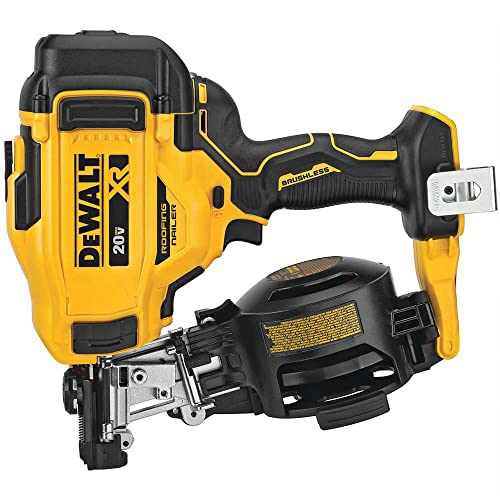
DeWalt 20V MAX Brushless 15 Degree Cordless Coil Roofing Nailer

AeroPro CN45N Pneumatic Roofing Nailer

Bostitch 15-Degree Coil Roofing Pneumatic Nailer

Siding Nails 2-Inch x .092-Inch 15-Degree Collated Wire Coil

Makita AN454 1-3/4" Coil Roofing Nailer
More Details On Our Top Picks
For roof underlayment and house wrap work, this STINGER setup speaks to a very specific job, cap fastening, not just plain nailing. The included 8,000-cap supply matters because it cuts down on early refill planning, which helps on larger wrap jobs or multi-day roofing prep.
The pneumatic setup means you’re tied to air, so it suits crews with compressors more than trim-out solo work. Still, the kit format makes sense for people who want the tool and a usable starting supply in one box, especially on jobs where cap placement is more important than raw speed.
Reasons To Buy
- Cap fastening fits underlayment and wrap work cleanly.
- The included cap supply helps keep setup simple.
- Pneumatic drive suits steady jobsite use with a compressor.
- Good match for prep work before shingles go down.
Things To Consider
- You need an air source, so it’s not a grab-and-go tool.
- It serves a narrower role than a true roofing nailer.
- Spare cap storage matters on cluttered job sites.
Feature Snapshot
Who It Suits Best
You get the most value from this kit on roofing prep jobs, especially on crews that already run pneumatic tools.
A Better Fit Elsewhere
Metabo HPT NV65AH2 suits you better for siding, sheathing, and fencing, especially when you need broader fastener compatibility than a cap-focused tool.
This Metabo HPT model sits a little off the roofing-only path, and that’s exactly why it matters. It handles 15-degree plastic collated nails and 16-degree wire coil nails, so you get a broader fastening range for sheathing, decking, and fencing.
That flexibility helps on mixed-property work where the day starts with wall sheathing and ends with fence repairs. The honest read is that it fits better as a versatile pneumatic tool than a pure roof specialist, so roofing-only shoppers may find the focus broader than needed.
What We Like
- Accepts both 15-degree plastic collated nails and 16-degree wire coils.
- Useful across sheathing, decking, and fencing tasks.
- Pneumatic power suits regular jobsite use.
- Helps reduce tool swapping on mixed projects.
Room For Improvement
- Roofing-specific shoppers may want a more focused tool.
- Air hose setup adds one more thing to manage.
- Best value shows up when you use its wider range.
Core Details
Made For
You benefit most from this pick on sites where siding, sheathing, decking, and fencing all show up in the same week.
Skip It When
STINGER CN100B makes more sense for roof prep work, especially for cap fastening on underlayment and house wrap.
Compared with the two roof-leaning picks above, this one moves into structural work. It takes 15-degree nails and is aimed at roof decking support, floor work, and truss applications, so it belongs with you on heavier builds rather than finish-minded roofing jobs.
That makes it a strong fit for remodel crews or framing-heavy projects where nail length and structural fastening matter more than portability. You may find it overbuilt for simple shingle work, but that’s the trade-off for its broader construction role.
Positives
- Made for demanding framing and structural fastening.
- Useful on roof decking support and truss work.
- The 15-degree format keeps it aligned with common coil setups.
- Good match for builders who want one heavier tool in rotation.
Softer Spots
- More tool than most roofing-only jobs require.
- Likely more cumbersome than a dedicated shingle nailer.
- Storage and hose management matter on busy sites.
At A Glance
Whose Shelf It Belongs On
You’re the right fit for this one if your projects cross from roofing into framing, decking support, and floor assembly.
Another Choice May Suit
Makita AN454 is the cleaner fit for smaller roofing jobs, especially when you care more about roof-specific handling than structural range.
This is the outlier in the list because it cuts the hose out of the equation. A brushless motor means the tool uses an electronically controlled motor design that typically keeps maintenance lighter than brushed setups, and the tool-free nail tray helps during quick reloads on a ladder or scaffold.
For mobile roofing work, that freedom matters more than any spec sheet flourish. The trade-off is straightforward, cordless convenience usually asks more from the battery setup, so this one suits crews who value movement and cleaner staging over the simplest pneumatic workflow.
Highlights
- Cordless design removes hose drag on the roofline.
- Brushless motor design helps support smoother ownership over time.
- Tool-free nail tray makes loading less fiddly.
- Handy for quick movement between roof sections.
- Strong fit for mobile crews and renovation work.
Areas To Watch
- Cordless setup asks more from your battery planning.
- Roofing jobs that run all day may still favor pneumatic tools.
- Heavier than a hose-free tool should still be expected to feel.
Details At A Glance
The Right Fit
You’ll like this best if you move constantly across roofs, work from ladders often, or want less hose clutter on the job.
A Better Fit Elsewhere
AeroPro CN45N makes more sense for a fully pneumatic roofing setup, especially for long runs where battery attention feels like one task too many.
Roofing-only focus is the story here, and that simplicity helps. The CN45N is built for 15-degree coil nails in the 3/4 inch to 1-3/4 inch range, so it lines up neatly with asphalt shingle fastening instead of trying to be a general-purpose tool.
That narrower role is useful in a busy roofing crew, because you spend less time thinking about compatibility and more time staying on task. The honest caveat is that it won’t pull double duty the way the Metabo HPT framing nailer can, but many roof jobs don’t need that extra reach.
Best Bits
- Built around roofing work rather than mixed construction tasks.
- Supports common 15-degree coil nail use for shingles.
- Nail range suits standard asphalt roofing work.
- Simple role makes day-to-day use feel straightforward.
Minor Gripes
- Less versatile than the broader Metabo HPT options.
- Pneumatic setup means hose management stays in the picture.
- Roofing-specific focus can feel narrow for multi-trade crews.
Core Details
Built With In Mind
You’re the best fit for this nailer if you want a roof-specific pneumatic tool for shingle fastening.
Where Shingles Only Is Fine
Bostitch 15-Degree Coil Roofing Pneumatic Nailer suits you better for a simpler mainstream roofing setup with a familiar no-frills shape.
This Bostitch keeps the focus tight, which is useful in roofing work where you want fewer surprises. It’s a pneumatic 15-degree coil nailer, so it stays aligned with standard roof fastening habits and avoids the extra complexity that can come with multi-use tools.
Compared with the AeroPro, it reads as the steadier everyday choice rather than the more purpose-driven specialist. That can be a relief on straightforward reroofing days, especially for crews that already know their way around pneumatic nailers.
Bright Spots
- Straightforward roof-focused layout.
- 15-degree coil setup suits familiar roofing fasteners.
- Easy to place into an existing pneumatic workflow.
- Good fit for regular maintenance and reroofing tasks.
Points To Note
- It does not chase multi-trade flexibility.
- Air hose and compressor support remain part of ownership.
- Simple design may feel basic to contractors who want extras.
Feature Rundown
Best Suited To
You’ll appreciate this pick most for routine roofing jobs where a direct, familiar pneumatic tool is enough.
Where A Sibling Pick Shines
AeroPro CN45N is the better fit when you want a sharper roof-only specialist, while Makita AN454 suits shorter roofing runs with a smaller footprint.
This item isn’t a nail gun, but it belongs in the same shopping run because the wrong fastener can sink the whole job. The 2-inch length.092-inch thickness, ring shank profile, and hot-dipped galvanized finish give you a clear picture of the load it’s meant for, especially on exterior work where corrosion resistance matters.
The compatibility note is just as important, since it’s aimed at CN57, CN65, and CN70 type guns. That makes it useful for people who already own a matching coil tool, while the fastener-only format keeps the focus on replenishing supplies rather than replacing hardware.
Upsides
- Useful refill option for compatible coil nailers.
- Ring shank design helps grip once driven.
- Hot-dipped galvanizing suits outdoor fastening needs.
- Large count helps stretch through longer project runs.
Small Caveats
- You still need a compatible gun model.
- Fastener choice only matters once the tool matches.
- Dry storage helps keep collated nails in better shape.
Technical Sheet
Perfect Match For
You’re the right match for this pack if your coil gun already uses the listed CN57, CN65, or CN70-style compatibility.
Swap It Out When
Metabo HPT NV65AH2 makes more sense when you want the tool itself, not just the fasteners, especially for mixed siding and decking work.
The Makita keeps things trim, and that can be a real advantage on roofs where movement is constant and space is awkward. With a 1-3/4 inch roofing format, it speaks to shorter fastening work rather than the broader structural range of the Metabo HPT framing option.
That narrower length target helps it feel focused, not limited, for standard roofing jobs. For most small-to-medium shingle runs, the compact approach is easier to live with than a bulkier all-round construction tool.
Positives
- Roof-focused sizing keeps the tool role clear.
- Compact handling helps in tighter roof sections.
- Good fit for shorter roofing fasteners.
Worth Noting
- Shorter fastening range than framing-style tools.
- Less versatile than the broader Metabo HPT options.
- May feel too specialized for multi-trade crews.
Spec Overview
The Right Fit
You’ll like this most if you want a roof nailer that stays focused on compact, shorter fasteners.
Not Your Match When
Metabo HPT NV90AGS suits you better for heavier construction work, especially when roof decking support and truss fastening are part of the plan.
What To Weigh Before You Choose
Wrong Turns To Avoid
The easiest mistake is treating every coil tool like the same tool. Roofing nailers, siding nailers, framing nailers, and cap nailers all solve different fastening jobs, so the first step is matching the fastener type and angle to the work you actually do.
Another common miss is forgetting the power source. Pneumatic models need a compressor and hose, while the DeWalt cordless option trades that setup for battery planning, which matters a lot on roofs with frequent repositioning.
What The Higher Tier Buys
More money usually goes into broader compatibility, better ergonomics, or less setup friction. That shows up in models like the DeWalt cordless nailer and the Metabo HPT tools, where convenience or multi-task range can save time on busy sites.
For steady roof-only work, though, the extra spend only pays off when the features match your routine. A simple pneumatic roof nailer often makes more sense than paying for capability you won’t use.
Frequently Asked Questions
What makes a coil roofing nail gun different from a framing nailer?
A coil roofing nail gun is built around roof fastening, often using shorter nails and a lighter job profile. A framing nailer is aimed at heavier structural work, like roof decking support or truss assembly.
Are cordless roofing nailers worth the switch?
They make sense when hose management slows you down or you move around a roof a lot. Pneumatic models still suit long, repetitive roofing runs for many crews.
Do coil nailers only work with one nail type?
Some do, but not all. The Metabo HPT siding nailer, for example, accepts both 15-degree plastic collated nails and 16-degree wire coil nails.
What should you check before matching nails to a gun?
Check the angle, shank style, length, and the tool’s compatibility notes. The wrong collation or length can turn a good tool into a frustrating one.
Which option makes sense for simple roof jobs?
The AeroPro CN45N and Bostitch 15-Degree Coil Roofing Pneumatic Nailer both stay focused on roofing work. The Makita AN454 suits smaller roofing runs, especially where compact handling matters.
Closing Thoughts
You get the cleanest results by matching the tool to the job, not the other way around. For roof prep, the STINGER cap nailer has a clear role; for full roofing, AeroPro and Bostitch keep things focused; for broader site work, the Metabo HPT options stretch farther. The DeWalt earns its place through cordless freedom, while the Makita feels compact and easy to place on the roof. Choose the one that fits your workday, and the rest tends to fall into place.




