


You need a grinder setup that fits your workflow, not just your countertop. Some of these picks serve true espresso grinding, while a few bundled machine options make sense for home bars where you want fewer separate parts to manage.
This roundup helps you sort burr size, grind control, timer style, and built-in versus standalone design without wading through filler. It’s aimed at people who pull espresso often, share a kitchen, or want a cleaner path from bean to cup.
The Shortlist At A Glance

De’Longhi La Specialista Arte Evo Espresso Machine with Coffee Grinder

SHARDOR Conical Burr Espresso Coffee Grinder Electric with Precision Timer 2.0

(2026 Upgrade) Espresso Machine with Grinder, Expresso Coffee Machines with Built-in Anti-Clog Coffee Grinder
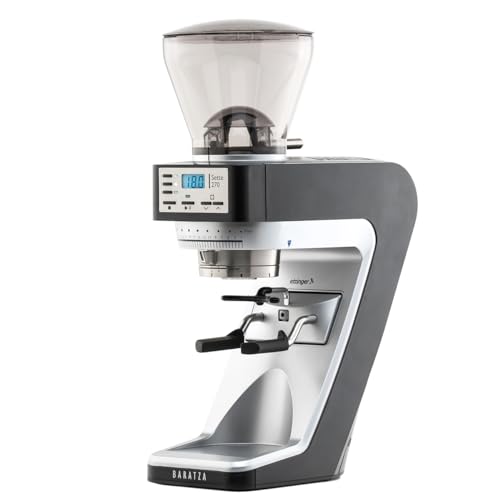
Baratza Sette 270 Conical Burr Coffee Grinder

(2026 Upgrade) 15 Bar Espresso Machine with Built-in Anti-Clog Coffee Grinder

SHARDOR Electric Coffee Grinder, 70g Large Capacity Spice Grinder

Tuni G1 Conical Burr Coffee Grinder with 48 Grind Settings, Silver
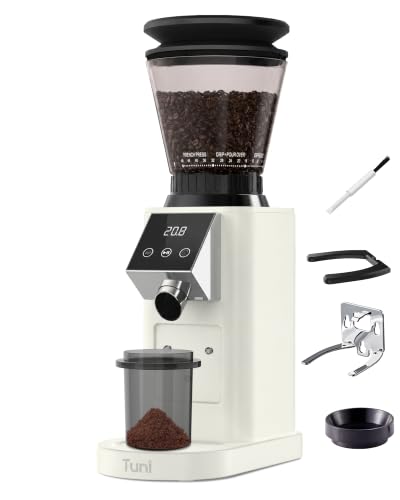
Tuni G1 Conical Burr Coffee Grinder, 48 Grind Settings, Ivory
More Details On Our Top Picks
The built-in grinder and the espresso controls make this a tidy fit for a kitchen counter that already feels busy. You get a semi-automatic setup, so your daily shot routine stays hands-on without forcing you to juggle separate machines.
The barista toolkit included here helps you set up the workflow more cleanly than a bare machine like the SHARDOR grinder alone. For someone learning puck prep at home, that extra structure matters almost as much as the hardware.
Strong Points
- Integrated grinding keeps your espresso station compact.
- Four preset recipes simplify repeat drink routines.
- The milk frother supports cappuccino and latte drinks.
- The included toolkit helps with setup and tamping.
Things To Consider
- One appliance does a lot, so the footprint is still larger than a grinder-only pick.
- Semi-automatic operation asks for more hands-on effort than a fully automated machine.
Feature Snapshot
Who It Suits Best
Home espresso fans who want one cabinet-friendly machine and a guided routine will get the most from it.
A Better Fit Elsewhere
Baratza Sette 270 Conical Burr Coffee Grinder suits a more modular setup, especially for someone who already owns an espresso machine and wants a dedicated grinder.
Fifty-one grind settings give you a broad range to work with, which is helpful when you want espresso one day and a coarser cup the next. The 40 millimeter stainless steel conical burr is the sort of detail that matters because it shapes consistency while keeping heat lower than a fast-spinning blade style.
Compared with the De’Longhi machine above, this is the more focused choice for someone who already owns an espresso machine and just needs grind control. The touchscreen and timer also suit busy mornings, though the learning curve is still there while you dial in your preferred dose.
What We Like
- Fifty-one settings make fine dialing much easier.
- Conical burr design supports a more even grind.
- The touchscreen keeps the control layout straightforward.
- Timer control helps repeat a preferred grind amount.
Room For Improvement
- Touch controls can feel less immediate than a simple dial for some kitchens.
- Espresso dialing still takes patience, especially with a new bean.
Technical Sheet
Right Fit For
Espresso-focused home setup users who want fine control without moving into a much larger commercial unit will like it most.
Another Choice May Suit
Tuni G1 Conical Burr Coffee Grinder with 48 Grind Settings, Silver fits better for someone who wants a similar control style with a stainless-steel look and a broader brew rotation.
Anti-clog grinder design is the headline here, and that matters most in a home setup where stale residue and busy mornings can turn a shot routine into a chore. The steam wand and frother give you latte and cappuccino flexibility without requiring a second appliance.
Compared with the De’Longhi pick, this one leans into convenience and counter economy rather than a more established accessory package. It suits someone who wants a single machine to cover the basics, though the generic naming also suggests you should inspect the product page carefully for the exact workflow you want.
Upsides
- Built-in grinder reduces the need for a separate unit.
- Anti-clog design should help with routine maintenance.
- Steam wand and frother expand drink variety.
- The all-in-one layout saves space in smaller kitchens.
Areas To Watch
- All-in-one machines usually ask more of the person using them during cleanup.
- The broader feature list can feel less specialized than a dedicated grinder.
Details At A Glance
The Right Fit
Compact home coffee bars and casual latte routines fit it well, especially where counter space matters.
Where A Sibling Pick Shines
Baratza Sette 270 Conical Burr Coffee Grinder is a better match for espresso purists who want a dedicated grinder first and a separate machine second.
This is the most espresso-serious grinder in the lineup, and the design reflects that focus. For a home bar where you care about shot consistency and fast workflow, a dedicated burr grinder like this makes more sense than the grinder attached to an all-in-one machine.
The trade-off is obvious, too, since it asks you to pair it with a separate espresso machine. That extra step is fine for people building a real setup, but it’s less convenient than the bundled approach used by the De’Longhi and Electactic machines.
Best Bits
- Dedicated grinder design keeps the workflow focused.
- Conical burrs suit espresso-minded grinding.
- Looks at home beside a serious espresso machine.
- Works well for users who care about repeatability.
Softer Spots
- You need a separate espresso machine to complete the setup.
- Dedicated grinders ask for more counter planning and storage space.
Core Details
Who Will Love This
Home bar enthusiasts who already own an espresso machine and want a more focused grinder will get the most out of it.
Look Elsewhere When
De’Longhi La Specialista Arte Evo Espresso Machine with Coffee Grinder suits you better when you want grinder and machine together in one body.
A 15 bar espresso machine usually signals a home-friendly pressure setup, and here it comes paired with an anti-clog grinder plus milk frothing tools. That combination makes this a neat fit for someone who wants cappuccinos, lattes, and espresso shots without assembling a full rack of separate gear.
Compared with the earlier Electactic machine, this version leans a little more into the practical side with the tamping tools in the bundle. The result feels straightforward rather than fancy, which is often exactly what a weekday morning calls for.
Positives
- Built-in grinding keeps the setup compact.
- Milk wand and frother support textured drinks.
- Tamping tools help round out the workflow.
- Good for smaller counters that still want variety.
Minor Gripes
- All-in-one machines usually take more cleanup after use.
- The bundled tool set adds convenience, but it also asks you to keep track of more pieces.
At A Glance
Best Suited To
Busy home kitchens that want a fairly complete espresso station in one appliance will make the best use of it.
Swap It Out When
SHARDOR Conical Burr Espresso Coffee Grinder Electric with Precision Timer 2.0 is the better match for someone who already owns a machine and wants more control over grind settings.
The 70 gram chamber makes this a handy small grinder for a kitchen that needs flexibility rather than a permanent coffee station. Blade grinders like this are usually quicker to understand than burr models, though the trade-off is less fine control for espresso dialing.
Because it’s also aimed at spices, herbs, and grains, it suits homes where one appliance has to do several jobs. For espresso alone, the burr grinders in this list make a cleaner fit, but this one works for light-duty, multi-use counter duty.
Highlights
- Large 70 gram capacity handles small batch grinding.
- Visual timing knob keeps operation simple.
- Useful for coffee plus pantry staples.
- Compact body suits tight storage spaces.
Worth Noting
- Blade grinding is less precise than a burr grinder for espresso.
- Mixed-use grinding means more cleaning between ingredients.
- The larger chamber can tempt you to grind more than you need for fresh espresso use.
Feature Card
Whose Shelf It Belongs On
Households that want one compact grinder for coffee and pantry use will appreciate it most.
Where A Sibling Pick Shines
Tuni G1 Conical Burr Coffee Grinder with 48 Grind Settings, Silver is the stronger espresso-focused alternative for someone who wants burr consistency first.
Forty-eight grind settings and an electronic timer give this grinder a lot of control for the money-minded espresso station. The anti-static burr setup matters in a real kitchen because less cling usually means less mess on the counter and less grounds lost to the sides of the bin.
Compared with the SHARDOR electric blade grinder, this one is the more serious espresso companion, though still versatile enough for drip and French press. The silver finish also makes it an easy visual match beside stainless appliances, which is a small thing until your counter starts looking cluttered.
Reasons To Buy
- Forty-eight settings make it easier to fine-tune grind size.
- Electronic timer helps with repeatable dosing.
- Anti-static design should reduce stray grounds.
- Useful across several brew styles, not just espresso.
Small Caveats
- More settings can slow down first-time dialing.
- Multi-brew flexibility can tempt you to spend more time than needed chasing the last adjustment.
Quick Facts
Made For
Espresso users who also brew drip or French press and want one grinder to cover the range will find a lot to like here.
Reach For A Different Pick When
Baratza Sette 270 Conical Burr Coffee Grinder suits you better if the entire focus stays on espresso and you want a more dedicated machine-feel grinder.
The ivory version has the same grinder core as the silver model, so your choice here is mostly about kitchen styling and how you want the appliance to sit with lighter surfaces. The stainless steel anti-static burr setup, timer, and touchscreen still make it practical for daily espresso or drip use.
For someone building a lighter-toned coffee corner, this feels a bit calmer than the shinier picks above. That said, the function story is very close to the silver Tuni, so the decision comes down more to looks and how the grinder will sit beside your other gear.
Best Bits
- Forty-eight settings support careful grind adjustment.
- Timer and touchscreen keep operation approachable.
- Ivory finish softens the look of a coffee station.
- Anti-static burr design helps keep the area tidier.
Points To Note
- The feature set closely mirrors the silver version, so the choice is mostly cosmetic.
- Espresso dialing still asks for patience the first time you set it up.
Core Details
Built With In Mind
Home kitchens that want a clean, bright finish and flexible grind control will suit this model well.
Skip It When
Tuni G1 Conical Burr Coffee Grinder with 48 Grind Settings, Silver is the simpler visual match for darker appliances and stainless-heavy counters.
How To Choose The Right Commercial Grinders For Espresso
Burrs, Blade, And Why The Difference Matters
For espresso, burr grinders usually deserve your attention first because they break beans into more even particles. That matters for extraction, which is the way water pulls flavor from the grounds, and it becomes obvious fast in a short shot with little room for error.
Blade grinders, like the SHARDOR 70 gram model, are easier to live with for spices and casual coffee, but they leave more room for inconsistency. That trade-off is fine for multipurpose kitchens, yet it’s a poor match for someone chasing repeatable espresso shots day after day.
Control Range Beats Flashy Extras
Grind settings, timers, and touchscreen controls matter because they help you repeat the same dose and fineness. The Tuni grinders show why that’s useful, since 48 settings and a timer give you enough control to move between espresso and other brew methods without guesswork.
Look for the kind of control you’ll actually use in a rush. In a busy kitchen, a clear timer and easy adjustment panel save more frustration than decorative features that sound nice but slow you down.
Built-In Convenience Versus Dedicated Grinding
All-in-one machines, such as the De’Longhi and Electactic picks, reduce counter sprawl and simplify the morning routine. That convenience is real, especially for smaller homes or shared spaces, but it usually comes with more cleanup and less separation between grinder and brewer.
A dedicated grinder like the Baratza Sette 270 asks for more space, yet it often makes more sense for someone who already has a machine and wants finer control. That setup is the cleaner path for espresso-first households, while bundled machines suit people who want fewer moving parts.
Think About Daily Maintenance
Anti-clog designs, anti-static burrs, and compact chambers help reduce the little annoyances that make a grinder feel harder to live with than it should. Residue buildup and stray grounds are small issues on paper, but they add up quickly for anyone pulling shots before work.
Also look at how the machine fits your cleaning habits. A simple control knob and fewer parts can be easier to wipe down than a feature-heavy panel, and that matters more than most shiny product pages admit.
What To Weigh Before You Decide
Common Shopping Slip Ups
Many people focus only on whether a grinder says espresso, then discover the settings are too coarse or too vague. A broad range matters, but the lower end of that range matters most for shot work.
Another common miss is buying a blade grinder for espresso and expecting burr-like consistency. That can be fine for herbs, grains, or casual coffee, but espresso asks for tighter control.
Why Top Tier Costs More
Higher-tier grinders usually use more precise burr geometry, better dosing control, and sturdier materials around the grind path. Those details slow wear, reduce mess, and make repeat shots easier to chase.
The upgrade makes sense for someone pulling espresso often or serving several drinks a day. For occasional use, a simpler model with fewer parts can be the smarter fit.
Frequently Asked Questions
Do you need a burr grinder for espresso?
Yes, a burr grinder usually gives you more even grounds, which helps with shot consistency. Blade grinders can work for other brewing styles, but they’re a weaker match for espresso.
Are built-in grinders worth it?
They make sense when counter space is tight or you want fewer separate appliances. The trade-off is less flexibility, since the grinder and machine are tied together.
How many grind settings matter?
More settings help, but only if the grinder is precise enough to make each step useful. For espresso, the fine end of the range matters most.
Why do some grinders include timers?
Timers help you repeat the same grind amount without guessing. That’s handy in a rushed kitchen where consistency matters more than fussing with the dial every morning.
Which pick suits a mixed brew setup?
Tuni G1 Conical Burr Coffee Grinder with 48 Grind Settings, Silver fits that role well because it handles espresso, drip, cold brew, and French press. You get flexibility without moving to a second grinder for every method.
Closing Thoughts
You’ll get the best results by matching the grinder to your daily rhythm, not to the loudest feature list. Dedicated burr grinders suit espresso-first setups, while all-in-one machines make life easier when space and simplicity matter more than fine control. The SHARDOR and Tuni picks cover the flexible middle ground, and the Baratza keeps the focus tight for serious shot work. Choose the path that fits your countertop and your routine, and the rest gets easier.




