


You want a tool kit that handles more than a loose screw. Maybe you’re opening a laptop, swapping out a console part, or dealing with a stubborn phone repair at the kitchen table, and the wrong bit size can slow everything down fast.
These eight computer tool kits cover that range, from compact precision sets to a powered option for repetitive jobs. You’ll see where each one makes sense, where the trade-offs sit, and which kit fits your kind of repair work.
Quick Look At The Shortlist

MECHMAX 51-Piece Precision Screwdriver Set
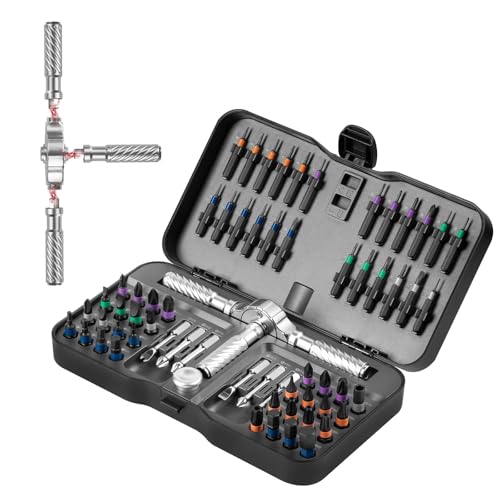
VMAN Ratchet Screwdriver Set
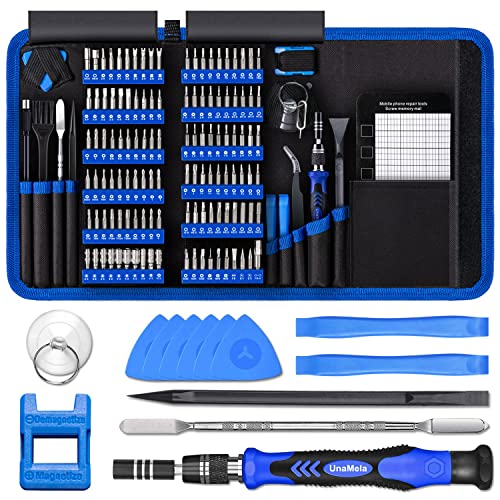
PC Building Tool Kit 140-IN-1 (Blue)
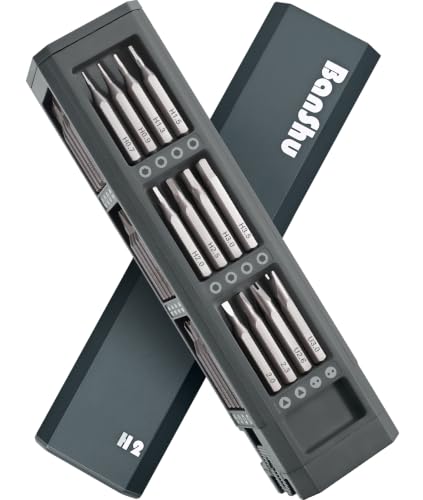
Banshu Precision Screwdriver Set 46 in 1
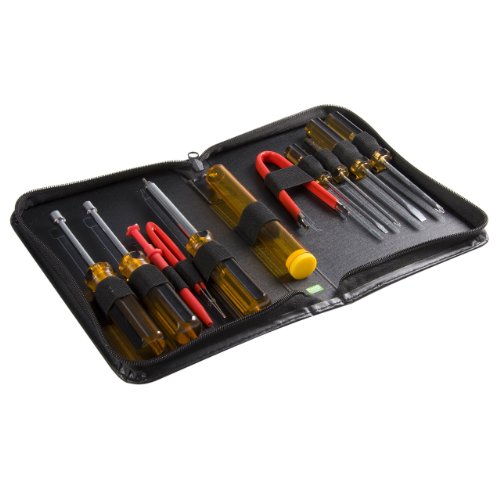
StarTech 11 Piece Computer Tool Kit CTK200

AXTH 115-in-1 Precision Screwdriver Set

Fanttik Precision Electric Screwdriver Kit E1 NEX
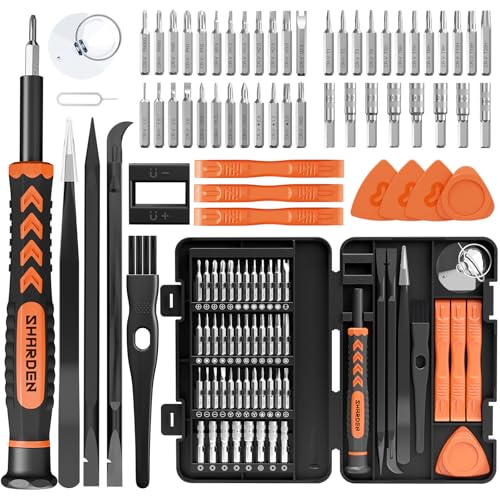
SHARDEN 59 in 1 Small Magnetic Precision Screwdriver Set
More Details On Our Top Picks
MECHMAX gives you the sort of spread that helps with modern gadgets without making the case feel bloated. The magnetic bit setup matters in a cramped laptop bay or around tiny console screws, where dropped hardware turns into a nuisance fast.
The pentalobe and security star bits make it useful for common phone and game-device work, and that’s where it separates itself from the leaner StarTech kit later in this list. The trade-off is simple, a broader set can mean more pieces to keep sorted, so the case matters as much as the bits.
Strong Points
- Magnetic tips help hold tiny fasteners in place.
- Security star and pentalobe bits expand device coverage.
- Works well for phone, laptop, and console maintenance.
- Useful for desk drawers and small home repair corners.
Points To Note
- More bits mean more pieces to keep organized.
- The set suits precision work more than heavy torque jobs.
- Case layout matters for long-term tidiness.
Core Details
Who Should Grab It
You want a compact electronics kit for phones, laptops, and game consoles, and you prefer a broad bit mix over a bare-minimum set.
Where A Sibling Pick Shines
StarTech.com CTK200 suits a basic office repair setup better, especially when you want a smaller, simpler kit with less sorting.
VMAN leans into comfort and leverage, which is useful during furniture assembly or bicycle adjustments where repeated turns can wear on your hand. The ratchet mechanism gives you a faster rhythm than a plain driver, and the flexible shaft helps reach fasteners that sit just out of line.
That makes it a different kind of kit from MECHMAX, which focuses more on tiny electronics bits. The S2 steel bits point to better wear resistance than soft starter sets, but the honest read is that the extra moving parts also ask for a little more care in storage and cleaning.
What We Like
- Ratchet action speeds up repetitive fastening.
- Flexible shaft helps in awkward angles.
- S2 steel bits suit heavier DIY use.
- Magnetic bit retention adds convenience.
Room For Improvement
- Ratchet hardware adds mechanical complexity.
- Not as focused on ultra-small electronics as precision-only kits.
- Moving parts benefit from tidy storage.
Feature Snapshot
The Right Fit
You work on furniture, small appliances, or bicycle parts and want a hand tool that feels quicker than a basic precision set.
A Better Fit Elsewhere
Fanttik E1 NEX Workstation suits you better for frequent electronics work, since the powered driver handles long runs of tiny screws with less hand strain.
This UnaMela kit is built for the person who wants most small repair tasks covered in one place. The Oxford bag storage and magnetic pad matter in real use, because a scattered pile of tiny parts can make a simple job feel messy fast.
It also has a flexible shaft, a magnetizer, and CRV bits, so it leans into broad electronics and computer work rather than one narrow specialty. Compared with Banshu’s smaller case, this one gives you more room and more accessories, though that also means more to put back where it belongs.
Highlights
- Large 140-in-1 layout covers many repair tasks.
- Oxford storage bag keeps parts together.
- Magnetic pad and magnetizer help organize tiny hardware.
- Flexible shaft improves reach in cramped spaces.
- Works for computers, phones, and consoles.
Small Caveats
- Broader kits take longer to sort after use.
- Many accessories can feel like overkill for simple jobs.
- Storage discipline matters more with larger sets.
Details At A Glance
Built With In Mind
You repair laptops, phones, or game consoles and want a kit that feels ready for a hobby bench, not just a quick drawer fix.
Swap It Out When
StarTech.com CTK200 fits better for simple office service work, especially when you want fewer pieces and a more compact loadout.
Banshu keeps the footprint small, which helps when you want a repair kit that lives in a desk drawer or shelf bin. The case, Torx, star, and pentalobe bits make it useful for glasses, watches, phones, and consoles, so it covers a lot without turning into a sprawling workshop box.
Compared with the MECHMAX kit, it feels a touch more pared back, and that can be a good thing for quick household fixes. One thing worth noting, though, is that a compact case tends to reward careful bit placement, because tidy storage makes the next repair go smoother.
Best Bits
- Small case stores neatly in tight spaces.
- Torx, star, and pentalobe bits widen compatibility.
- Useful for glasses, watches, and electronics.
- Magnetic design helps keep small screws controlled.
Softer Spots
- Compact cases can feel cramped during cleanup.
- Less expansive than larger all-in-one kits.
- Best for light precision work, not rough torque jobs.
Spec Overview
Made For
You want a compact precision kit for routine household electronics, glasses, and watch work.
Where Sharden 59 in 1 Small Magnetic Precision Screwdriver Set With Case Fits Better
Sharden’s 59-piece layout suits you better if you want a little more bit variety in a similarly compact style.
StarTech CTK200 is the stripped-back option in this group, and that can be exactly right for basic computer service. You get a focused setup instead of a sprawling bit library, which helps when you need a straightforward kit for office machines or a home desktop that only needs occasional attention.
It stands apart from the bigger UnaMela and AXTH sets because you’re not paying attention to a mountain of extras. That lean approach makes storage easy, though the trade-off is obvious: you have less reach into unusual fasteners and specialty device screws.
Bright Spots
- Small 11-piece layout keeps things simple.
- Easy to store near a desk or workbench.
- Well suited to routine computer maintenance.
- Good match for straightforward repair habits.
Areas To Watch
- Limited piece count narrows specialty coverage.
- Less flexible than larger electronics kits.
- Best for basics, not broad gadget repair.
Feature Card
Whose Shelf It Belongs On
You want a modest computer kit for everyday maintenance and prefer a no-fuss layout over a large accessory pile.
Where Sharden 59 in 1 Small Magnetic Precision Screwdriver Set With Case Fits Better
Sharden works better for you if you want more bit variety for game consoles, watches, and mixed electronics.
AXTH aims at the person who wants breadth, because 115-in-1 coverage gives you room to handle phones, computers, watches, glasses, and other electronics with one set. That kind of spread is handy in a home workshop, but it also means you’ll want a case or tray system that keeps the small parts from drifting out of order.
Compared with MECHMAX and Banshu, this one pushes further into all-purpose territory, so it’s easier to keep in a repair drawer as the default kit. The honest read is that more bits help only when you keep them organized, and the set’s value depends on whether you’ll actually use that wide range.
Reasons To Buy
- Very wide bit coverage for mixed electronics.
- Magnetic design helps manage tiny screws.
- Useful across phones, computers, and wearables.
- Good all-purpose drawer kit for home repairs.
Honest Caveats
- Large sets take more effort to keep sorted.
- Some users may need only a smaller core set.
- Storage habits matter with so many pieces.
Core Details
Perfect Match For
You repair several kinds of small electronics and want a broad kit that can stay on hand for family fixes.
Look Elsewhere When
StarTech.com CTK200 suits you better if you only need a slimmer, simpler computer service kit.
The Fanttik E1 NEX changes the pace of small repairs because it’s electric, so repetitive fasteners feel less like a hand workout. The torque range, listed at 0.05 and 0.2 N.m, matters for delicate electronics, where too much force can be a problem, and the magnetic storage helps keep the 64 bits orderly.
This is the most specialized pick in the group, and that’s the point. Compared with manual kits like MECHMAX or SHARDEN, it suits someone who opens gear often enough to appreciate speed, though the powered format adds another component to maintain and recharge.
What We Like
- Electric drive reduces hand strain on repetitive jobs.
- Fine torque range suits delicate electronics.
- Magnetic storage keeps bits easier to track.
- 64-bit layout supports many repair patterns.
- Useful for phones, laptops, watches, and more.
Minor Gripes
- Powered tools add another item to manage.
- More specialized than a plain manual kit.
- Storage and charging habits matter here.
Technical Sheet
Who It Suits Best
You do frequent phone, laptop, or watch repairs and want a powered driver that feels calmer during long sessions.
Another Choice May Suit
VMAN’s ratchet screwdriver set fits better for furniture assembly and bike work, where manual leverage matters more than powered precision.
SHARDEN lands in the middle of the pack in a useful way, because 59 bits give you more flexibility than a bare-bones set without making the case feel oversized. For mixed home electronics, that balance can matter more than chasing the largest count, especially when you want a kit that lives near the workbench and gets used often.
Compared with Banshu, you get a little more variety, and compared with AXTH, the set feels easier to keep mentally organized. The trade-off is familiar: more coverage than a compact starter set, but still a manual precision kit, so it rewards patience more than speed.
Positives
- 59-piece layout gives solid bit variety.
- Magnetic design helps with tiny hardware.
- Works well for computers and game systems.
- Case format makes storage straightforward.
Worth Noting
- Manual driver style takes more hand effort.
- Still a precision kit, not a heavy-duty repair set.
- Bit order matters for fast reassembly.
Core Details
Best Suited To
You want a dependable all-around precision kit for laptops, consoles, phones, and small household electronics.
Reach For A Different Pick When
Fanttik E1 NEX Workstation is the better fit for frequent, repetitive repairs where electric drive saves effort.
How To Choose The Right Computer Tool Kits
Start With The Fasteners You See Most
Small electronics use a surprising mix of heads, and the wrong bit turns a quick repair into a stalled one. Torx, pentalobe, security star, and Phillips bits show up in different places, so the kit you choose should match the devices on your table more than the count on the box.
Phone and console work often benefits from finer bits and stronger magnetic tips, while a desktop or office machine can get by with a slimmer set. That’s why MECHMAX and SHARDEN make sense for mixed gadget work, while StarTech stays focused on basic computer service.
Think About Storage As Part Of The Tool
A good case is not just packaging, it protects your time on the next repair. When bits have a fixed slot and small parts have a magnetic home, you spend less time hunting for the missing driver that used to be right there.
Larger kits like AXTH and UnaMela deserve a storage habit as much as a work habit. Smaller cases from Banshu and StarTech are easier to stash, though they also leave less room for extras and specialty tools.
Match The Driver Style To Your Hands
Manual precision drivers suit short jobs and careful work, especially on delicate screws where feel matters. Ratchet drivers, like VMAN, add speed for repeated turns, and electric drivers, like Fanttik, reduce strain during longer sessions.
Your hand strength, the number of fasteners you open, and how often you repair gear all matter here. A powered kit can feel like a relief during a long laptop teardown, but a simple manual set still makes more sense for occasional fixes.
Balance Breadth With Daily Use
Very large kits look tempting, yet some of that variety only matters a few times a year. The smarter move is usually the set you’ll keep tidy and reach for without thinking, not the one with the longest accessory list.
That’s where broad sets such as AXTH or UnaMela shine for hobbyists, while compact sets suit maintenance-minded homes. Choose the kit that fits your actual repair rhythm, and it’ll feel useful instead of crowded.
Things Worth Knowing First
Common Shopping Slip Ups
One common miss is choosing a kit by piece count alone. A 140-in-1 set sounds impressive, but it helps only when the bits match the screws you actually face.
Another easy mistake is ignoring storage. Loose bits and tiny screws turn into clutter fast, so a case, magnetic tray, or organized layout matters more than it first appears.
Where The Extra Money Goes
Higher-tier kits usually pay for better bit material, more careful storage, or a powered driver. S2 steel, magnetic organization, flexible shafts, and electric torque control all add cost because they add usefulness.
That upgrade makes sense when you repair often or work on several device types. For occasional use, a simpler precision set may be the smarter place to stop.
Frequently Asked Questions
What makes a computer tool kit different from a basic screwdriver set?
A computer tool kit usually adds precision bits, magnetic tips, and storage built for tiny hardware. That makes it more useful for laptops, phones, and game consoles.
Do you need a large bit count for home repairs?
Not always, because the right bit shapes matter more than a huge total. A smaller set can still handle most everyday repairs at home.
Are electric screwdriver kits worth it?
They make sense when you open small devices often and want less hand fatigue. For occasional repairs, a manual set can still be the better fit.
What should you look for in storage?
Look for a case that keeps bits in place and makes the layout easy to read. Good storage saves time and lowers the chance of losing a tiny part.
Which kit suits mixed electronics work best?
A broad precision set usually gives you the best range for phones, laptops, watches, and consoles. AXTH and UnaMela are strong examples of that style in this list.
Closing Thoughts
You do not need the largest kit to handle everyday repairs well, you need the one that matches your devices, your workspace, and your patience for sorting bits. For compact precision work, MECHMAX, Banshu, and SHARDEN make a lot of sense. For broader coverage, AXTH and UnaMela give you more breathing room. And for faster repetitive fastening, Fanttik and VMAN step into a different lane. Choose the kit that fits the way you actually fix things, and the rest gets easier.




