


Concrete work asks a lot from a tool, especially when you’re drilling brick, block, or hard masonry on a real jobsite or around the house. You need the right mix of bite, control, corded or cordless convenience, and enough durability to keep the work moving without constant fuss.
This roundup focuses on eight concrete-ready hammer drills and rotary hammers with different strengths, from compact corded options to heavy demolition tools. That range matters, because the right pick for anchoring shelves in a garage wall looks very different from the one you’d want for breaking up a slab edge.
Quick Look at the Shortlist
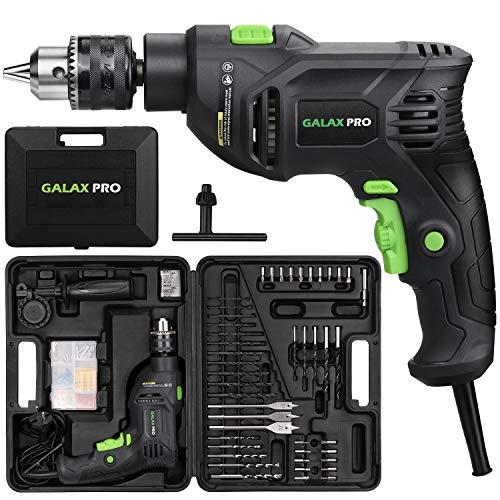
GALAX PRO 5Amp 1/2-inch Hammer Drill with 105pcs Accessories

Makita XRH04Z 18V LXT Cordless 7/8 Rotary Hammer
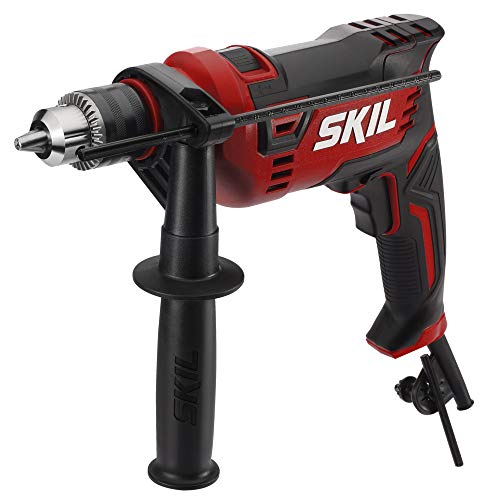
SKIL 7.5-Amp 1/2-Inch Corded Hammer Drill HD182001

DCK 20V Brushless Hammer Drill 531 in.lbs 36000 BPM KDJZ05-13

BOSCH RH328VC 1-1/8 Inch SDS-plus Rotary Hammer

DEWALT Hammer Drill 1/2-Inch 7.8-Amp DW511

VEVOR Demolition Jack Hammer 2200W Electric Jackhammer

Bosch 1191VSRK 120-Volt 1/2-Inch Single-Speed Hammer Drill
More Details On Our Top Picks
The GALAX PRO leans practical first, because the bundled 105-piece accessory set gives you a lot of day-one flexibility in one box. The 1/2-inch chuck and 0 to 3000 variable speed range make it a familiar fit for drilling into masonry, wood, and metal around the house.
The 360-degree rotating handle and depth gauge help in tighter spots, especially during shelf installs or anchor work where control matters more than brute force. It’s not the most specialized tool here, but for general home projects, that broad kit can save you a trip back to the hardware aisle.
Strong Points
- Accessory bundle covers common drill and driver jobs.
- Variable speed helps you ease into harder material.
- Rotating side handle improves leverage on stubborn surfaces.
- Depth gauge supports more even hole depth.
- Carrying case makes storage simpler after the work is done.
Things To Consider
- Accessory-heavy kits can take a little sorting before first use.
- The value focus makes it less specialized than the heavier rotary hammers below.
- A corded layout would suit long sessions better than stop-and-start mobile work.
Feature Snapshot
Who It Suits Best
Homeowners and weekend DIYers who want a broad starter set will get the most from this one.
Where A Sibling Pick Shines
Makita XRH04Z 18V LXT Cordless 7/8 Rotary Hammer suits you better for tougher masonry work that calls for more rotary-hammer muscle.
This Makita stands out for cordless freedom without feeling stripped down. The variable-speed motor runs from 0 to 1,200 RPM and 0 to 4,000 BPM, while the three operating modes let you switch between rotation only, hammering with rotation, or hammering alone.
On renovation jobs where cord management slows everything down, that flexibility is a real advantage. The torque-limiting clutch adds a sensible layer of protection by disengaging gears when the bit binds, which matters most when you’re working in dense material and can’t afford a sudden twist.
What We Like
- Cordless setup keeps movement easy on active job sites.
- Three modes cover drilling, hammering, and mixed work.
- Torque-limiting clutch helps reduce gear strain in binding material.
- SDS-PLUS bit support suits serious masonry tasks.
- Speed and blow range give you more control across materials.
Room For Improvement
- Tool-only packaging means you need compatible batteries and charger already on hand.
- The larger rotary-hammer form factor is less convenient for light overhead drilling.
- It makes more sense for masonry work than for simple household fastening.
Technical Sheet
Right Fit For
Contractors, remodelers, and serious DIYers who want cordless rotary-hammer performance will appreciate this one most.
Look Elsewhere When
SKIL HD182001 is the steadier match for simpler corded drilling around the house, especially when you do not need rotary-hammer depth.
Compared with the GALAX PRO, this SKIL takes a simpler path, which can be a relief in a garage or workshop. The 7.5-amp corded motor gives you steady power for repeated drilling, and the 1/2-inch size keeps it in the familiar middle ground for home and light jobsite work.
That balance makes sense for drilling into brick, block, or concrete fasteners without stepping up to a heavier rotary hammer. It’s a no-nonsense pick for someone who wants fewer moving parts and doesn’t need cordless portability.
Highlights
- Corded power avoids battery management.
- 7.5-amp motor suits repeat drilling sessions.
- 1/2-inch size fits common masonry bits.
- Balanced build works well for workshop setups.
Points To Note
- Corded setup limits reach away from outlets.
- It is less specialized than the rotary hammer picks.
- Storage takes a little more care because of the cord.
Details At A Glance
Who Will Love This
DIYers and homeowners with a garage workspace will get the most from this straightforward corded drill.
A Better Fit Elsewhere
BOSCH RH328VC 1-1/8 Inch SDS-plus Rotary Hammer suits you better for heavier masonry where vibration control and deeper rotary-hammer capability matter.
The DCK brings a lot to the table, starting with its brushless motor, which usually means less internal wear than a brushed design in regular use. You also get 531 in.lbs of torque, a 1/2-inch all-metal keyless chuck, and a 4.0Ah battery in the kit, so it feels set up for real work instead of bare-bones duty.
For drilling brick, metal, or wood in a mixed-material remodel, that mix is attractive. The 22+1+1 clutch gives you more control over how the tool behaves, though the kit’s feature count also means a little more to learn before it feels second nature.
Best Bits
- Brushless motor supports efficient, lower-maintenance operation.
- All-metal chuck adds confidence for repeat bit changes.
- 4.0Ah battery gives the kit a more complete feel.
- High torque suits harder drilling situations.
- Clutch settings help you tune control for different materials.
Minor Gripes
- The stronger kit profile makes it more than you need for very light household drilling.
- All the controls can feel busy for first-time users.
- Battery-powered use is convenient, though long shop sessions may still favor a corded drill.
Core Details
Best Suited To
Home improvers and trade users who want a loaded cordless hammer-drill kit will get the most from this model.
Where Shoppers Go Wrong
DEWALT DW511 is the simpler fit for someone who wants a more familiar corded hammer drill without the extra kit complexity.
The BOSCH RH328VC feels aimed at harder masonry days, especially when a standard hammer drill starts feeling underpowered. Its SDS-plus chuck format is built for rotary-hammer bits, and the variable speed plus vibration control pairing gives it a more composed feel for longer drilling sessions.
That vibration control matters in real use because constant pounding can wear you down long before the tool runs out of breath. For concrete anchors, chiseling light openings, or repeated drilling in dense material, this is the kind of tool that suits a more serious workload.
Upsides
- SDS-plus setup fits rotary-hammer tasks cleanly.
- Variable speed helps match the pace to the surface.
- Vibration control improves comfort during extended work.
- 1-1/8-inch class gives it a heavier-duty profile.
Honest Caveats
- It is more tool than most casual home drilling calls for.
- The larger format can feel bulky in tight indoor spots.
- Owners who only drill soft masonry may find the capability more than necessary.
Feature Rundown
The Right Fit
You’ll appreciate this most in renovation work, masonry repair, and frequent concrete anchoring.
Another Choice May Suit
GALAX PRO 5Amp 1/2-inch Hammer Drill with 105pcs Accessories is a gentler match for occasional home drilling and a more compact storage footprint.
The DW511 sits in that comfortable middle zone where the spec sheet feels familiar and useful. A 7.8-amp motor and 1/2-inch chuck make it a sensible corded option for drilling into masonry, wood, or metal around a home shop or small jobsite.
Compared with the SKIL, this DEWALT feels like the steadier-name alternative for someone who wants a well-known layout and a little more motor output on paper. It still makes sense as an everyday hammer drill rather than a rotary hammer, and that keeps it approachable for regular household work.
Bright Spots
- 7.8-amp motor gives it solid corded stamina.
- 1/2-inch chuck covers common drill sizes.
- Simple form factor makes it easy to store.
- Good match for mixed home repair tasks.
Small Caveats
- It is a hammer drill, not a rotary hammer, so very dense concrete may call for something stronger.
- Corded use keeps you near power access.
- The plain setup won’t suit shoppers who want a kit with extras.
Key Specs
Whose Shelf It Belongs On
Homeowners and maintenance-minded users who want a dependable corded drill will feel at home with this one.
Swap It Out When
BOSCH RH328VC 1-1/8 Inch SDS-plus Rotary Hammer is the better call for heavier masonry and more demanding drill duty.
This VEVOR is in a different lane from the other seven, because it’s a demolition jack hammer rather than a standard drill. The 2200W electric motor and 1400 BPM rating point toward breaking and chipping concrete, and the included chisels, case, and gloves make it feel job-ready out of the box.
For slab removal, patio breakup, or chipping along old concrete edges, that’s exactly the kind of tool you want. It’s heavier and far less versatile than the drills above, but that trade-off is the point, because demolition work rewards impact more than finesse.
Positives
- High-power motor suits concrete breakup work.
- 1400 BPM supports steady chipping action.
- Included chisels expand what you can tackle right away.
- Case helps keep the heavier tool organized.
- Gloves add a helpful kit touch for cleanup and handling.
Areas To Watch
- It is not the right match for everyday drilling.
- The heavier build makes storage and transport more demanding.
- Noise and vibration are part of this class of tool, so longer sessions call for more care in how you pace the work.
Spec Overview
Built With In Mind
You’ll get the most from this on demolition-heavy projects, especially around patios, slabs, and concrete tear-out work.
Reach For A Different Pick When
Makita XRH04Z 18V LXT Cordless 7/8 Rotary Hammer suits you better for drilling-focused renovation work where mobility matters more than demolition force.
The Bosch 1191VSRK keeps things very simple, which can be a good thing for light masonry work or occasional drilling around the home. Single-speed operation means less to think about, and the 120-volt corded setup keeps the tool in the old-school, always-plugged-in camp.
Compared with the more feature-rich picks above, this one suits straightforward jobs where you want predictable operation more than a long feature list. It’s the kind of tool that can make sense in a small workshop, though users who need more control or variable speed will likely prefer one of the other drills here.
Reasons To Buy
- Single-speed design keeps operation straightforward.
- 1/2-inch size works with common bits.
- 120-volt corded layout suits indoor workstations.
- Compact approach is easier to store than bulkier rotary hammers.
Softer Spots
- Single-speed control leaves less room to tune the tool to different materials.
- It is better for basic drilling than for heavy concrete removal.
- Corded use limits where you can work.
Core Details
Made For
Light-duty DIY work and small workshop drilling suit this Bosch best.
A Better Fit Elsewhere
DEWALT DW511 makes more sense for you if you want a more versatile corded hammer drill for broader household use.
How To Choose The Right Concrete Hammer Drills
Match The Tool To The Material
Concrete, brick, and block each ask for a different kind of bite. A standard hammer drill works well for anchors, holes, and lighter masonry, while a rotary hammer brings a more forceful pounding action that helps in denser concrete.
That difference matters more than brand names or accessory counts. For a garage wall or garden wall, a 1/2-inch hammer drill can be enough, but for repeated holes in harder masonry, SDS-plus rotary hammer designs usually make more sense.
Corded Or Cordless Changes The Whole Job
Corded drills suit bench work, garage use, and repeat tasks where an outlet stays close. Cordless rotary hammers earn their keep on ladders, large rooms, and job sites where moving fast matters more than keeping a cord tidy.
Battery-powered tools usually cost more because the pack and charger ecosystem adds to the total outlay. Still, cordless convenience pays off when you work in places that are awkward to reach, and that can be worth the trade-off for renovation crews and mobile DIYers.
Look Closely At Control Features
Variable speed helps you start holes more cleanly and keeps the bit from skating on hard surfaces. A side handle, depth gauge, clutch, or vibration control can make the tool feel calmer in your hands, especially during a long afternoon of anchors and fasteners.
Those extras are not just nice to have. They reduce fatigue, improve repeatability, and make the work feel less frantic, which is exactly what you want when the material stops forgiving sloppy technique.
Size, Weight, And Storage Matter Too
A heavier rotary hammer may look intimidating, but that extra mass often comes with better masonry performance. Smaller hammer drills store more easily and feel friendlier for overhead tasks, though they usually give up some raw drilling authority.
That’s the trade-off in this category, so matching the tool to your space matters as much as matching it to the material. A compact drill works well for a small apartment toolbox, while a heavier demolition tool makes more sense in a workshop or truck.
What To Weigh Before You Choose
Mistakes Worth Dodging
One common mistake is grabbing a basic hammer drill for concrete breakup work. That usually leaves you underpowered, because drilling and demolition are different jobs with different tool designs.
Another slip is ignoring accessory fit. SDS-plus bits, keyless chucks, and standard 1/2-inch chucks don’t all play the same role, so the right bit system matters as much as the motor.
The Upgrade Payoff
Higher-tier models often bring better control, stronger build materials, and more refined vibration management. In this category, that usually shows up as cleaner drilling, less fatigue, and more confidence when you work in dense masonry for longer stretches.
You feel the extra money most clearly on frequent use or demanding jobs. Occasional shelf installs do not need a premium rotary hammer, but renovation work, repeated anchoring, or concrete drilling across several rooms can justify the step up.
Frequently Asked Questions
What’s the difference between a hammer drill and a rotary hammer?
A hammer drill combines rotation with a light pounding action, which works well for many masonry jobs. A rotary hammer uses a stronger mechanism and usually handles denser concrete more comfortably.
Do you need SDS-plus bits for every concrete drill?
No, SDS-plus bits are tied to rotary hammers that use that locking style. Standard hammer drills often use a regular 1/2-inch chuck instead.
Is cordless power enough for concrete work?
Cordless models handle many drilling jobs well, especially around remodels and outdoor spaces. For longer sessions or harder masonry, a corded or rotary-hammer setup can feel steadier.
What chuck size works best for home projects?
A 1/2-inch chuck covers a wide range of common drill bits and fits many household tasks. It’s a practical middle ground for general concrete drilling and everyday maintenance.
Do vibration control features really matter?
They matter most during longer drilling sessions or repeated holes in harder material. Less shake can make the tool easier to manage and less tiring to hold.
Final Thoughts
Your best concrete hammer drill depends on the jobs you actually face, not just the longest spec sheet. A compact corded drill suits routine home work, a cordless rotary hammer helps when mobility matters, and a demolition jack hammer belongs to breakup jobs only. The right match keeps the work cleaner, steadier, and less frustrating. Choose the tool that fits your material, your space, and how often you’ll really use it.




