


Long shifts expose every weak spot in a tool setup, from sagging pouches to straps that dig in by noon. The right construction tool belt keeps your most-used gear close, spreads weight more evenly, and cuts the small delays that slow a jobsite rhythm. That matters whether you frame walls, handle finish work, or move between ladder and bench all day.
This roundup focuses on belt-style rigs, suspenders, backpack-style storage, and a few flexible utility options. You’ll see which picks suit heavy loads, narrow kits, and mobile work, so you can match the carry style to the way you actually work.
Quick Look at the Shortlist

Bucket Boss AirLift Tool Belt with Suspenders 50100

DEWALT Professional Tool Belt Organizer DWST540602

Klein Tools 55569 Stand-Up Zipper Bag Tool Pouch
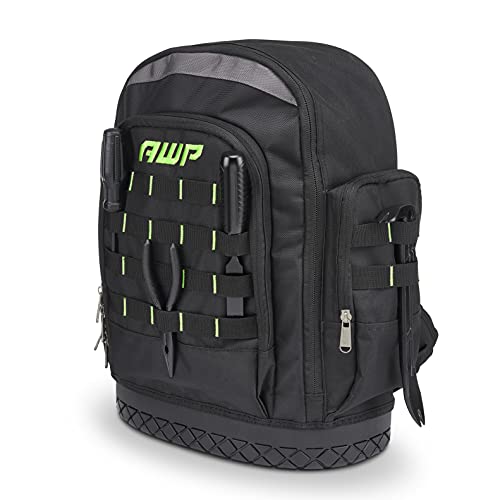
AWP Extreme Tool Backpack 23 Tool Storage Pouch Pockets

Gatorback B400 Pro-Comfort Back Support Tool Belt Large
UNCO Gardening Belt Garden Tool Belts for Men
19 Pocket Tool Belts with Quick Release Buckle

LEFOR·Z Tool Belt with 4 D-Rings 27-Pockets
More Details On Our Top Picks
The AirLift format makes sense for long jobsite days, because suspenders help share the weight instead of letting everything hang at the waist. With 12 pockets and a 52-inch size, it suits you better than a bare-bones pouch when you keep a mix of fasteners, hand tools, and small accessories close at hand.
The brown finish and mixed-material build point to a work-first setup rather than a flashy one, which is exactly the appeal here. The honest trade-off is bulk, so you may find it less nimble than the leaner Klein pouch or the quick-release KOYYTO belt, but it’s a steadier carry for heavier rotations.
What We Like
- Suspenders help ease waist strain during long shifts
- 12 pockets keep frequently used items separated
- 52-inch sizing supports a broader fit range
- Good for framing, repairs, and all-day carry
Points To Note
- It can feel bulky compared with simpler belt-only options
- More structure usually means more bulk to store
- The mixed material build may need occasional wipe-downs after dusty work
Feature Snapshot
Who It Suits Best
You’ll get the most from this if your day mixes climbing, carrying, and standing work, and you want suspenders to take pressure off your hips.
Another Choice May Suit
Gatorback B400 Pro-Comfort Tool Belt is the smarter fit for you if back support matters more than overall pocket count.
With 25 pockets, this DEWALT setup leans into dense organization, which helps when your day shifts between bits, drivers, pencils, tape, and a handful of smaller parts. It reads like a practical choice for tradespeople who want more division than the Bucket Boss belt but still prefer a worn-on-body rig over a backpack.
The suspenders matter here because extra pocket count usually means extra load, and that’s where the design starts making sense. One thing worth considering is size strategy, since the source lists one size only, so the fit experience depends more on your torso proportions than on adjustment variety.
Bright Spots
- 25 pockets support detailed sorting
- Suspenders can make heavier carry feel easier
- Useful for busy crews and long tool lists
- Strong match for workdays with frequent hand-tool swaps
Room For Improvement
- High pocket count can tempt overpacking
- One-size styling leaves less room for fit tailoring
- More compartments also mean more spots to clear out after dusty jobs
Details At A Glance
Made For
You should look here if you work from a loaded belt and like to know exactly where each tool lives.
Where A Sibling Pick Shines
Bucket Boss AirLift Tool Belt with Suspenders 50100 suits you better if you want a simpler pocket layout with a more straightforward feel.
This Klein pouch set shifts the conversation away from belt weight and toward organization, which helps when you keep screws, fittings, and small accessories sorted by task. The stand-up shape and gusseted bottom, meaning a wider reinforced base, should make the bag easier to open on a bench, in a van, or beside a service call.
It differs from the heavier belts above by working more like a modular sorter than a full carry rig. The trade-off is obvious: you gain packing flexibility, but you give up the instant hip-access that belt users usually want on a ladder or framing platform.
Upsides
- Stand-up shape helps the pouch stay open
- Carabiners add hanging options for storage or transport
- Water-resistant 1680D fabric suits rough jobsite handling
- Pack format helps you split tools across tasks
Small Caveats
- Not a full belt replacement for hands-on work
- Multiple pouches can still need labeling or sorting discipline
- Fabric pouches may need regular clearing of dust and debris
Core Details
Built With In Mind
You’ll like this most if your tools travel in groups and your workday includes both bench organization and quick carry.
Swap It Out When
DEWALT Professional Tool Belt Organizer DWST540602 makes more sense for you when you want everything worn on-body instead of moved by pouch.
The backpack layout changes the feel completely, and for mobile work it can be easier on your back than a dense hip rig. With 23 pouch pockets, padded shoulder straps, waist straps, and a molded base, it suits you well when you move between locations and want the bag to stand upright instead of slumping over.
Compared with the belt-first options before it, this AWP model is less about instant tool reach and more about controlled transport. That’s a fair trade for technicians, helpers, and repair pros who carry more gear than they wear, though the pack format can feel slower in tight spaces.
Reasons To Buy
- Backpack format suits frequent travel between work areas
- Waist straps help steady the load
- Waterproof molded base adds a firmer standing point
- 23 pockets create strong layout flexibility
Areas To Watch
- Backpack access is slower than open belt access
- Full packs can get cluttered without a sorting habit
- Shoulder straps and zippers usually need routine cleaning after dusty sites
Technical Sheet
Right Fit For
You’ll appreciate this most if your day includes stairs, parking lots, service calls, or moving equipment from vehicle to site.
Look Elsewhere When
Bucket Boss AirLift Tool Belt with Suspenders 50100 is the better call for you when hip access matters more than backpack carry.
The Gatorback approach is built around comfort details that matter once your belt stays on for hours, especially the molded-air channels and memory foam. That combination, along with sweat-wicking Lycra and 1250D nylon, points to a setup aimed at reducing hot spots more than maximizing raw pocket count.
It stands apart from the Bucket Boss and DEWALT rigs by putting body comfort first, not just storage volume. You may find the larger size right for heavier builds or layered clothing, but the honest read is that this style makes the most sense for crews who already know they want a premium-feeling support belt.
Best Bits
- Molded-air channels help airflow around the waist
- Memory foam adds a softer contact feel
- Sweat-wicking Lycra suits warm, active job sites
- 1250D nylon supports rough daily wear
- Handles and suspender loops add carry flexibility
Honest Caveats
- Comfort-focused build can cost more than plain belts
- Large size fit needs careful waist matching
- Padded gear can take a little more space in storage
Feature Rundown
The Right Fit
This is the belt for you if long wear time matters more than keeping the lightest possible setup.
A Better Fit Elsewhere
LEFOR·Z Tool Belt with 4 D-Rings 27-Pockets is the better match if you want more accessory attachment points and pocket volume.
The UNCO belt keeps things simple, and that simplicity works well for light-duty garden work or basic shop carry. A 50 percent cotton, 50 percent nylon blend usually feels less technical than the heavier jobsite rigs, which can be a plus when you want a softer, more familiar apron-style setup.
Compared with the Gatorback and DEWALT picks, this one is easier to see as a utility layer rather than a full trade system. The trade-off is clear: you give up high-capacity organization, but you also avoid the weight and bulk that come with more built-out belts.
Highlights
- Plain apron format keeps the setup easy to wear
- Cotton and nylon blend feels less rigid than heavy synthetic builds
- Works well for gardening, light carpentry, and home repairs
- Good entry point for simple tool carry
Minor Gripes
- Less structure than trade-focused belts
- Pocket layout is better for light gear than dense hardware loads
- Fabric aprons usually need frequent shake-outs after soil or sawdust use
At A Glance
Whose Shelf It Belongs On
You’ll like this most for garden tasks, home fix-ups, and light-duty carry where comfort matters more than equipment volume.
Reach For A Different Pick When
Bucket Boss AirLift Tool Belt with Suspenders 50100 is the stronger choice for you once the load gets heavier and suspenders become useful.
The quick-release buckle gives this belt an easy on-off rhythm, which is handy for workdays that start and stop often. Nineteen pockets give you more separation than a plain apron, but the format still looks compact enough for carpentry, electrical tasks, and general repair use.
It sits between the simple UNCO apron and the more feature-heavy LEFOR·Z layout, so it makes a lot of sense for mixed task days. You may find the smaller form factor easier to live with in cramped spaces, though it naturally asks you to keep pocket loading under control.
Standout Traits
- Quick-release buckle makes removal simpler
- 19 pockets give you useful sorting space
- Works across garden, carpentry, and repair tasks
- Unisex utility layout broadens the fit profile
Worth Noting
- Compact belts can feel crowded with larger hand tools
- More pockets work best when you stay disciplined about what goes where
- Khaki fabric may show jobsite dust more readily than darker gear
Key Specs
Perfect Match For
You should look at this belt if you split your time between garden tasks, carpentry, and small repair jobs.
Skip It When
DEWALT Professional Tool Belt Organizer DWST540602 fits you better when pocket density matters more than a lighter, simpler feel.
The LEFOR·Z belt leans into storage variety, and the 27-pocket layout gives you a lot of room to separate tools, fasteners, and small jobsite extras. Four D-rings add attachment points, while the detachable setup and magnetic pouch point toward a more configurable carry style than the simpler belts in this list.
That extra hardware makes it a strong match for electricians, carpenters, and detail-heavy jobs where accessories matter. The catch is that more features usually mean more pieces to keep track of, so you’ll appreciate it most when you actually use the added attachment options instead of treating them as decoration.
Plus Points
- 27 pockets give you broad sorting space
- Four D-rings help with attachment flexibility
- Magnetic pouch can speed up small-item handling
- Detachable design supports more setup choices
- Good fit for tool-heavy task lists
Areas To Watch
- More parts can mean more setup attention
- Feature-heavy belts may feel busy for light-duty work
- Bright yellow styling is more visible than muted workwear tones
Core Details
Who Should Grab It
This suits you best if your work style needs a lot of pockets and a few extra attachment points to keep the day moving.
Where Shoppers Go Wrong
Gatorback B400 Pro-Comfort Tool Belt is the better match when you want comfort-first support instead of a feature-dense layout.
How To Choose The Right Construction Tool Belts
Start With How You Carry
Your carry style matters more than the pocket count on the box. Belt-and-suspenders rigs suit framing, trim, and repair work where you want fast access at the waist, while backpack-style storage makes more sense for transport-heavy days or service calls with longer walks.
Pay attention to the weight path, too. Suspenders, waist straps, molded bases, and padded shoulders all exist to move load away from one pressure point, and that difference shows up after a long shift.
Match Capacity To Your Task Mix
More pockets help only when you actually sort tools into them. Electricians and carpenters often benefit from dense layouts with separate pockets for drivers, bits, pencils, and fasteners, while garden or home-repair use often feels better with a lighter apron and fewer compartments.
The trade-off is clutter, because too many empty pockets can turn into dead weight. A compact layout works well for a minimal kit, but a fuller belt earns its keep when you carry several tool types at once.
Check Materials And Contact Points
Fabric choice tells you a lot about long-term comfort and rough-use durability. Dense nylon, reinforced bottoms, molded bases, and padded contact zones tend to hold shape better, while cotton blends and softer apron styles feel easier for light work and shorter sessions.
Think about cleanup, too. Dusty sites, wet ground, and oily hand tools all leave their mark, so smoother synthetic surfaces and wipe-friendly panels usually age more gracefully than soft fabric alone.
Fit, Adjustability, And Daily Comfort
A belt can have plenty of storage and still feel wrong by midmorning. Size range, buckle style, shoulder support, and adjustable strap layout decide whether the rig settles into place or keeps shifting as you move.
For long shifts, a little extra structure often pays off. The best match for you is the one that stays put, keeps access easy, and doesn’t remind you about itself every five minutes.
Things Worth Knowing First
Common Shopping Slip Ups
A common mistake is chasing pocket count without thinking about weight. Another is choosing a belt that looks sturdy but leaves you with awkward access in ladders, crawl spaces, or tight rooms.
Fit gets overlooked too. A setup that works for a layered winter shift may feel loose in summer, so sizing and adjustability deserve more attention than they often get.
Why Top Tier Costs More
Higher-end belts usually spend the money on support features, tougher fabrics, and more careful shaping around the body. Memory foam, molded channels, dense nylon, detachable parts, and extra attachment points all add complexity.
The upgrade makes sense for daily trades use, especially when your gear stays on for hours. For occasional home projects, a simpler belt often covers the job without the extra weight or planning.
Frequently Asked Questions
How many pockets do you really need?
That depends on how many separate tool types you carry at once. A smaller setup works fine for simple tasks, while trade work often feels better with a more divided layout.
Are suspenders worth it?
Suspenders help when your belt carries heavier tools for long stretches. They matter less for very light loads and short repair jobs.
What material holds up well?
Dense nylon often makes sense for tough use because it keeps shape well and handles regular wear. Softer blends can still work, but they usually suit lighter-duty carry.
Is a backpack better than a belt?
A backpack helps when you move gear between locations or carry more than you wear. A belt wins on fast access when the tools need to stay at hand.
How do you keep a tool belt from feeling messy?
Sort by task and keep the same tool in the same pocket. A regular clean-out also helps, especially after dust, soil, or saw residue builds up.
Closing Thoughts
The right construction tool belt should make your day easier, not noisier. For all-day wear, support features matter, and for quick task switching, pocket layout matters even more. That’s why the best match depends on how you move, what you carry, and how much time you spend on your feet. Pick the style that fits your work rhythm, and the rest tends to fall into place.




