


You need a tool belt that keeps weight steady, tools reachable, and your waist less annoyed by the end of a long shift. That matters just as much on a framing crew as it does for electrical work, finish carpentry, or weekend repairs. The right setup can feel like an extra set of hands, without turning into a tangle at your hips. Here’s a clear look at eight options that suit different jobs, budgets, and carrying styles.
Quick Look At The Shortlist

Bucket Boss Sparky Utility Pouch (55300)
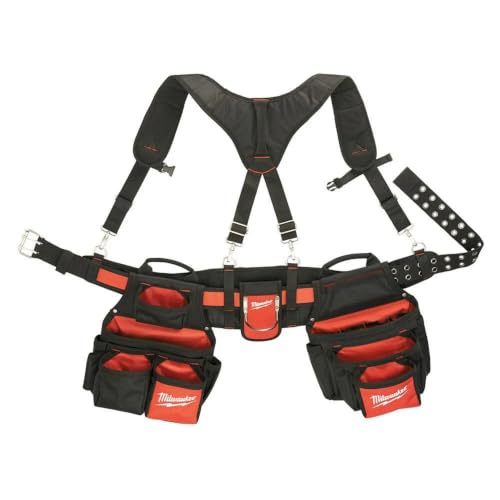
Milwaukee 48-22-8120 Contractor Work Belt
AUROPEAK Carpenter Tool Belt 33-Pocket Suspenders Set
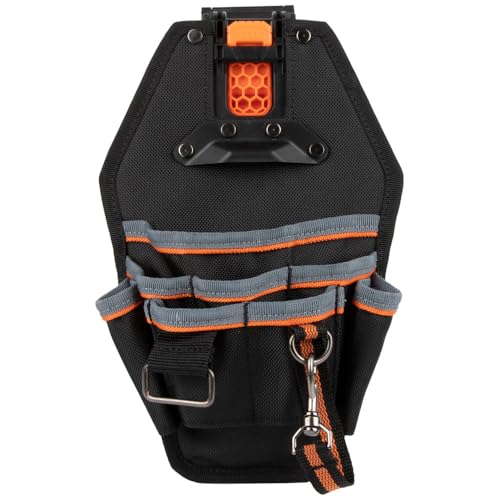
Klein Tools MODbox Tool Pouch

Gatorback B400 Pro-Comfort Back Support Tool Belt
OX 3 Inch Leather Tool Belt Small/Medium

Bucket Boss Mullet Buster 3 Bag Tool Belt 55135
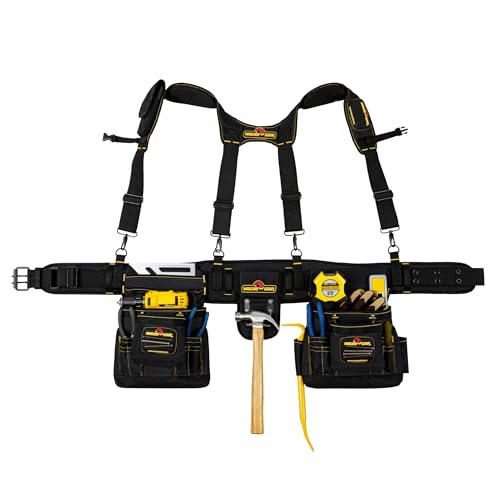
MagnoGrip 20-Pocket Builder’s Tool Rig
For a lighter carry, this pouch makes sense because it keeps the setup pared down instead of bulky. A sparky-style pouch often suits electricians and service techs who need fast access to small hand tools, fasteners, and tape without wearing a full rig all day.
The trade-off is obvious, you get less capacity than the bigger belt-and-suspender systems later in this list. Still, for quick jobs, ladder work, or tight interiors, that smaller footprint can feel a lot less fussy.
What We Like
- Compact layout keeps essentials close at hand.
- Less bulk suits moving through tight spaces.
- Easy to combine with a larger carry setup.
Things To Consider
- Storage is modest, so it won’t replace a full trade rig.
- Small pouches need regular emptying to stay organized.
Feature Snapshot
Who It Suits Best
Electricians and maintenance workers who want a slim pouch setup will get the most from this one.
A Better Fit Elsewhere
AUROPEAK Carpenter Tool Belt 33-Pocket Suspenders Set suits carpenters who need far more storage and shoulder support.
This belt leans into support first, which is exactly what many jobsite carry systems miss. The padded waist design fits 30 to 53 inch waists, so it covers a wide span of working builds and layers without sounding complicated.
The suspension rig matters because it helps shift weight away from the hips and spread it more evenly across the upper body. That can be a real advantage on long framing days or remodel work, though the added structure does make the setup feel more involved than a simple pouch.
Highlights
- Suspension rig helps distribute carried weight.
- Padded belt should feel friendlier on long shifts.
- Wide waist range improves fit flexibility.
- Made for bigger, more loaded setups.
Room For Improvement
- More structure means more gear to adjust.
- Bulk may feel excessive for quick punch-list work.
Core Details
Who Should Grab It
Trade workers who carry a heavy tool load for most of the day will appreciate the support-first layout.
Skip It When
Bucket Boss Sparky Utility Pouch 55300 fits much better for electricians who want a lighter, faster pouch.
Capacity is the headline here, and the 33-pocket layout makes that clear before you even look at the detachable pieces. The 5-piece build includes two large pouches, a hammer loop, an adjustable waist belt, and suspenders, so the setup suits workers who like their tools sorted by task.
Carpenters, framers, and electricians who stay in motion during a shift tend to benefit from that organization. The orange color is easy to spot on a busy site, though the more extensive build can feel like more belt than a casual home project needs.
Reasons To Buy
- Large pocket count supports detailed organization.
- Detachable suspenders add fit flexibility.
- Hammer loop gives a dedicated carry point.
- 5-piece layout suits jobsite routines.
- 1200D Oxford material points to a work-ready build.
Points To Note
- More parts can take longer to set up and adjust.
- Big capacity may be more than a light-duty user wants.
- Detachable pieces mean a little more upkeep and storage care.
Details At A Glance
Built With In Mind
Carpenters and electricians who want a highly organized, high-capacity layout will feel at home here.
Look Elsewhere When
Klein Tools MODbox Tool Pouch is a cleaner fit for electricians who want quick attachment and a smaller carry footprint.
The MODbox system is built around quick attachment, and that changes how you move through a workday. Instead of treating the pouch like a fixed part of the belt, you can attach and release it as the task changes, which suits electricians moving between service calls or rooms.
You also get a longer shape, listed at 161 inches wide in the source details, which hints at a roomy carry profile. That said, the real value here depends on already using the MODbox rail system, because the whole idea makes the most sense inside that setup.
Bright Spots
- Quick-attach design speeds changes on the job.
- Works neatly within the MODbox rail setup.
- Fits electricians who want modular gear.
Areas To Watch
- Best value depends on already using MODbox hardware.
- System-specific design may feel less versatile than a standalone pouch.
Spec Overview
Right Fit For
Electricians already working inside the Klein MODbox ecosystem will benefit most from the quick-change design.
Another Choice May Suit
AUROPEAK Carpenter Tool Belt 33-Pocket Suspenders Set suits workers who want a full belt rig without depending on a rail system.
For long days, this is the kind of belt that tries to make the contact points behave. The molded air channels, memory foam, and sweat-wicking Lycra all point toward a setup that puts comfort ahead of bare-minimum structure, which makes sense for framing, roofing, and other all-day carry work.
The 1250D nylon body adds a tougher outer shell than a softer everyday pouch, and the handles plus suspender loops help with handling and carry options. Medium fits a 32 to 36 inch waist, so sizing matters here, and the more comfort-focused build can be more belt than a casual handyman needs.
Best Bits
- Air-channel design helps with ventilation.
- Memory foam adds a softer feel at the waist.
- Suspender loops expand carry options.
- 1250D nylon suits hard-use work environments.
Softer Spots
- Medium size only covers a 32 to 36 inch waist.
- Comfort-focused construction adds some bulk.
- More padding can feel warm in hot weather.
Feature Rundown
Whose Shelf It Belongs On
Skilled trades workers who wear a belt for much of the day will get the most from the comfort-first build.
Reach For A Different Pick When
Milwaukee 48-22-8120 Contractor Work Belt suits you better when support spread across the torso matters more than padding details.
This one keeps things stripped back in a useful way. A 3 inch leather belt built for pouch bags is a straightforward match for people who already know their pouch setup and want a firmer foundation under it, especially on construction or carpentry jobs.
Perimeter stitching and rivets point to a more traditional, hardware-heavy build, which usually appeals to workers who like gear that feels settled and practical. The small/medium sizing keeps the fit more specific than the adjustable rigs above, so the belt makes the most sense for leaner waist ranges and older-school setups.
Upsides
- Leather construction suits classic pouch rigs.
- 3 inch width gives a solid base.
- Rivets and perimeter stitching add structural support.
- Good match for carpentry-style carry layouts.
Minor Gripes
- Size range is more focused than adjustable rigs.
- Leather can need regular care to stay in shape.
- Best paired with pouch bags, not bare-minimum carry.
Key Specs
The Right Fit
Carpenters and construction workers with existing pouch bags will appreciate the simple, sturdy layout.
Swap It Out When
Gatorback B400 Pro-Comfort Back Support Tool Belt suits long-wear jobs better when comfort and padding matter more than a plain leather base.
Three bags and suspenders make this a familiar, job-ready format for people who want a fuller belt without chasing extreme complexity. The material blend listed in the source, including PVC foam and polyester components, suggests a structured build that aims to balance body contact and gear carry.
For general trade use, that middle-ground approach can be helpful because it offers more organization than a light pouch and less fuss than a highly modular system. The honest read is that it leans practical rather than polished, which suits rough daily wear.
Positives
- Three-bag layout helps separate daily tools.
- Suspenders take some strain off the waist.
- Good middle ground for mixed jobsite tasks.
- Material mix points to a structured carry feel.
Areas To Watch
- Mixed-material build may feel less premium than leather-heavy options.
- More pieces mean more to clean and stow.
- Best for regular trade work, not tiny repair jobs.
At A Glance
Who Will Love This
Contractors who want a familiar 3-bag belt with suspenders will find the layout easy to live with.
Where A Sibling Pick Shines
MagnoGrip 20-Pocket Builder’s Tool Rig fits better for you when magnetic storage and a more pocket-heavy layout matter more.
Magnetic storage is the hook here, and it gives this rig a slightly different personality from the more traditional belts above. With 20 pockets, padded suspenders, rivet-reinforced stress points, and a smartphone holder, the setup aims at organized carry for busy sites where tools and small parts move around a lot.
The fit range goes up to a 52 inch waist, which helps with broader coverage than some of the more size-specific choices in this roundup. That said, the pocket count is lower than AUROPEAK’s 33-pocket setup, so you trade some storage density for the magnetic feature and a cleaner overall structure.
Strong Points
- Magnetic storage helps with quick access to small metal parts.
- 20 pockets provide solid everyday organization.
- Padded suspenders help steady the load.
- Smartphone holder adds a handy workday convenience.
- Fits waists up to 52 inches.
Small Caveats
- Not as pocket-dense as the AUROPEAK rig.
- Magnetic storage is useful, but not for every task.
- More features can mean more to keep track of.
Feature Card
Who It Belongs On
General contractors and mobile trades workers who want pocket organization plus magnetic convenience should feel right at home.
A Better Fit Elsewhere
Bucket Boss Mullet Buster 3 Bag Tool Belt 55135 is the better call for someone who wants a simpler three-bag arrangement with suspenders.
How To Choose The Right Contractor Tool Belts
Match The Carry Style To The Workday
Pouch-first layouts suit electricians, maintenance techs, and anyone who moves through tight spaces. Bigger belt-and-suspender rigs make more sense for framers, carpenters, and roofing crews who carry fasteners, hand tools, and layout gear all day.
That difference matters more than brand name alone. A small pouch can feel nimble on ladders, while a full rig can feel steadier once the load gets heavy.
Pay Attention To Support And Fit
Waist range is only part of the story, because padding, suspenders, and belt width affect how the load sits on your body. A 3 inch leather belt, like the OX option, behaves very differently from a padded suspension rig such as the Milwaukee model.
Workers with long shifts often notice the shoulder and hip balance more than pocket count. The honest read is that comfort hardware earns its keep once the belt stays on for hours instead of minutes.
Organize For The Tools You Reach For Most
Pocket count helps, but pocket layout matters just as much. Hammer loops, detachable pouches, magnetic storage, and dedicated small-item spaces all change how quickly you can grab what you need without digging.
Choose around your actual routine, not an idealized one. Someone who carries fasteners and a tape measure all day needs a different setup than someone who only needs a pouch for service calls and a multitool.
Think About Maintenance And Longevity
Leather usually asks for a bit more care, while nylon and polyester can be easier to wipe down after a dusty shift. More modular systems also mean more parts to keep sorted, especially after a muddy or wet day.
That trade-off is normal. The simpler the build, the less you need to fuss with it, but the fewer comfort and organization extras you get in return.
Things Worth Knowing First
Hidden Buying Traps
It’s easy to chase pocket count and forget fit. A roomy belt that rides poorly will annoy you faster than a simpler layout that stays put.
Another common slip is buying a system that depends on gear you don’t already own. MODbox compatibility is useful, but only inside that ecosystem.
The Upgrade Payoff
Higher-tier belts usually cost more because of layered padding, stronger fabric, better suspenders, and better weight management. Those details show up most on long shifts and heavier loads, not on short repairs.
That’s where spending up starts to make sense. Comfort, balance, and better organization can save you more frustration than a bare-bones setup with lots of empty space.
Frequently Asked Questions
What’s the difference between a tool pouch and a full tool belt?
A tool pouch gives you a lighter, smaller carry option for essentials. A full belt system adds more storage, more support, and usually more weight.
Do suspenders actually help on job sites?
Suspenders help spread weight across your shoulders instead of leaving it all on your waist. They matter most once your carry load gets heavy or you wear the rig for many hours.
Why does pocket count matter so much?
More pockets help separate fasteners, drivers, tape, and small parts. The layout still matters more than the raw number, because useful pockets save more time than extra empty ones.
Is leather better than synthetic material?
Leather feels traditional and sturdy, while synthetic fabrics often stay lighter and are easier to clean. Your best match depends on whether you value structure or easier maintenance.
Can one tool belt work for every trade?
Not really, because electricians, carpenters, and general contractors carry different tools in different ways. A good belt matches the tools you reach for most often, not just the size of the belt itself.
Final Thoughts
The right contractor tool belt should fit your work, your waist, and your patience level. For light carry, Bucket Boss Sparky Utility Pouch keeps things simple. For heavier days, Milwaukee 48-22-8120 and Gatorback B400 make a stronger case, while AUROPEAK and MagnoGrip bring more organization to active crews. Pick the setup that matches the way you actually move through a job, and it’ll feel useful instead of fussy.




