


Trim projects move faster when your nailer feels light in the hand, fits the space, and leaves the work looking clean. That matters in a hallway with tight corners, on cabinet face frames, or on a stair rebuild where every angled shot seems to count.
This roundup focuses on cordless finish nailers and related brad tools that suit home shops, remodeling crews, and weekend carpentry work. You’ll see a mix of kit-ready options, bare tools, and compact models, so your choice can match the batteries and nail size you already use.
The Shortlist At A Glance

WEN 20V Max Cordless 18-Gauge Brad Nailer (20512)

Makita XNB02Z 18V LXT Straight Finish Nailer

PIN NAILER CMPCT 20V 23G

Metabo HPT Brad Nailer NT1850DG

CRAFTSMAN V20 Brad Nailer CMCN618B
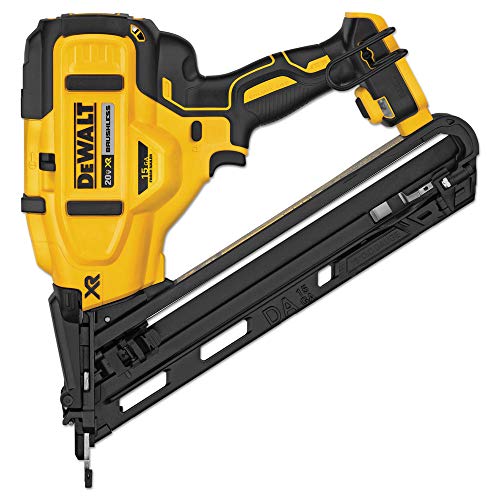
DEWALT DCN650B Angled Finish Nailer

DEWALT 20V MAX XR Finish Nailer DCN660D1

Ryobi 18V ONE+ Airstrike Brad Nailer P321
More Details On Our Top Picks
That included battery and charger setup makes the WEN an easy first stop for small trim projects, especially around baseboards, shoe molding, and light cabinet work. The 18-gauge brad format leaves smaller nail heads, so the filled holes stay modest and less fussy to finish.
Compared with the larger finish tools later in the list, this one feels more about convenience than heavy-duty range. You may find it especially handy for a garage shop or rental repair kit where you want fewer extra parts to track down.
What We Like
- Battery and charger are part of the kit, so you can get started without matching pieces from scratch.
- 18-gauge brads suit trim jobs where a slimmer fastener leaves a cleaner surface to fill and paint.
- Good fit for quick household repairs, where a cordless tool saves you from dragging a hose or compressor around.
- The bundled setup suits newer tool owners who want a simpler entry into cordless trim work.
Areas To Watch
- It’s a brad nailer, so it belongs with lighter finish tasks rather than thicker boards or structural work.
- The kit focus helps beginners, but seasoned carpenters may want a more specialized finish model for larger jobs.
- Battery maintenance still matters, so a place for storage and charging should stay part of the routine.
Feature Snapshot
Who It Suits Best
Home trim projects and small repair jobs suit this tool well, especially for someone who wants an all-in-one starter kit.
Where A Sibling Pick Shines
DEWALT 20V MAX XR Finish Nailer DCN660D1 fits better for more demanding finish carpentry and a more focused upgrade path.
Straight 16-gauge finish nailers usually make sense for trim that needs a little more holding muscle than a brad tool offers. The Makita XNB02Z fits that lane neatly, and the 2-1/2 inch nail range gives you room for casing, base, and other interior finish work.
Compared with the WEN kit, this one leans harder into a dedicated finish role rather than an all-in-one starter bundle. For established Makita LXT owners, that cleaner platform match can matter more than extra accessories.
Best Bits
- 16-gauge format gives you a stronger hold for trim and casing than a brad nailer usually provides.
- Up to 2-1/2 inch nails expand the range of interior finish tasks you can tackle.
- Battery-platform fit is useful for anyone already carrying Makita LXT gear.
- Dedicated finish-nailer layout keeps the focus on clean interior carpentry.
Worth Noting
- Tool-only format means your battery setup has to already be in place.
- Straight-shot finish nailers can feel less flexible than angled models in tight corners.
- The larger finish format is more suited to trim and casing than delicate detail pieces.
Core Details
Made For
Trim carpenters and remodelers who already own Makita LXT batteries get the most straightforward fit here.
Look Elsewhere When
WEN 20V Max Cordless 18-Gauge Brad Nailer (20512) suits lighter work and first-time cordless setups more comfortably.
Pin nailers live in the details, and this compact 20V 23-gauge option is aimed at delicate trim where tiny fasteners matter more than pull strength. A 23-gauge pin leaves very small holes, which helps on painted moldings, decorative accents, and fragile workpieces.
Compared with the 18-gauge tools in this roundup, it’s the quiet specialist rather than the general-purpose choice. That makes it a smarter fit for finish touches than for heavy casing or anything that needs a firmer hold.
Highlights
- 23-gauge pins are useful for small trim pieces that need minimal visible fastening.
- The compact form suits tight spots and careful alignment work.
- 20V cordless power keeps the setup simple in rooms where hoses would get in the way.
- Good for decorative woodworking and light finish detailing where a small hole matters.
Small Caveats
- Pin fastening is lighter than brad or finish nail fastening, so the hold is more limited.
- It’s a specialist tool, so it won’t replace the broader finish nailers elsewhere in the list.
- Careful storage helps keep the finer nose and fastener path from getting cluttered.
Feature Rundown
Built With In Mind
Detail-oriented trim work and decorative pieces suit this tool best, especially in a shop where small fastener marks matter.
Swap It Out When
Makita XNB02Z 18V LXT Straight Finish Nailer is a stronger match for casing and other trim that needs more holding power.
The Metabo HPT NT1850DG stands out because it combines a broad 5/8 to 2 inch nail range with a compact body and an included 2.0Ah battery. That range covers a lot of common trim jobs, so you’re not boxed into one narrow use case.
The 700 shots per charge figure matters most on long punch lists, where constant swapping interrupts the flow. Compared with the WEN starter kit, this one feels more prepared for repeated use in a busy house or remodel schedule.
Reasons To Buy
- 5/8 to 2 inch nail support covers a wide band of trim and finish tasks.
- 700 shots per charge can help keep a workday moving with fewer breaks for battery changes.
- Compact build is easier to manage in corners, closets, and staircase runs.
- Battery kit packaging makes it friendlier for someone who wants a ready-to-go setup.
- MultiVolt compatibility adds a useful layer of platform flexibility.
Softer Spots
- It still serves the brad-nailer lane, so it is not meant for heavier finish fastening.
- The compact body helps in tight spots, but smaller tools can feel less planted during long sessions.
- Battery care and nail loading stay part of normal upkeep.
Details At A Glance
Whose Shelf It Belongs On
Trim carpenters and remodelers who want a flexible brad nailer with decent runtime will appreciate this fit.
Reach For A Different Pick When
DEWALT 20V MAX XR Finish Nailer DCN660D1 is the stronger upgrade for angled finish work and a more premium finish-tool focus.
Bare-tool packaging makes the CRAFTSMAN V20 a sensible match for anyone already building around that battery system. The 18-gauge format keeps it in the familiar brad-nailer lane, which suits trim, small casing, and general household carpentry.
Compared with the bundled WEN kit, this one asks less from the tool and more from your existing setup. That trade-off works well in a garage where your batteries already have a home and you want to avoid duplicate chargers.
Upsides
- Bare-tool format helps keep the setup lean for existing V20 owners.
- 18-gauge brads handle common trim tasks without leaving oversized nail heads.
- Up to 420 nails per charge is a practical number for smaller jobs and spot repairs.
- Good fit for a shared-tool household that already owns compatible batteries.
Minor Gripes
- You need compatible batteries and charger already in hand.
- The nail count per charge suits lighter projects more than all-day production work.
- As with most cordless nailers, regular cleaning around the nose and magazine helps keep feed action smooth.
Quick Facts
Right Fit For
Existing CRAFTSMAN V20 households and homeowners with a few trim projects on deck will get the most value here.
A Better Fit Elsewhere
Metabo HPT Brad Nailer NT1850DG suits longer punch lists and a wider nail-length range more comfortably.
Angled 15-gauge finish nailers are the meatier option in this roundup, and the DEWALT DCN650B fits that role well. The angled head helps in corners and other awkward spots, which is exactly where baseboard and casing work can get annoying.
Compared with the 18-gauge tools earlier in the list, this one brings a thicker nail and a more substantial hold. For most renovation jobs, that extra presence is useful, though it’s not the pick for delicate, nearly invisible fastening.
Strong Points
- 15-gauge angled format suits finish work that needs more holding power.
- Angled layout can make inside corners and tight trim lines easier to reach.
- Well suited to baseboard, casing, and similar interior finish installs.
- Cordless operation keeps the tool easier to move around a room or floor plan.
Points To Note
- Thicker 15-gauge nails leave a more visible footprint than brads or pins.
- It’s a better finish tool than a detail tool, so fine accent trim may call for something smaller.
- Tool-only packaging means your battery setup needs to be ready.
Technical Sheet
The Right Fit
Finish carpenters and remodelers handling baseboards, casing, or room-by-room trim installation will get the most from this layout.
Consider Something Else When
PIN NAILER CMPCT 20V 23G is the better choice for tiny decorative pieces that need a much finer fastener.
The DCN660D1 sits in a sweet spot for serious finish work, because it keeps the 16-gauge format while adding an angled nose for easier access. That combination helps on crown returns, tight casing lines, and rooms where straight-shot tools get awkward fast.
Compared with the DCN650B, this one uses a lighter 16-gauge nail, so the fastening footprint stays a bit cleaner. For more polished interior trim, that difference can matter more than raw heft.
What We Like
- 16-gauge angled design fits demanding finish carpentry with a cleaner look than thicker nails.
- Angled reach helps in corners and around detailed trim transitions.
- XR platform pairing makes sense for people already carrying DEWALT cordless gear.
- Strong match for casing, baseboard, and other interior trim that needs a balanced fastener size.
Room For Improvement
- Tool-only packaging means the battery piece stays on your side of the setup.
- It still asks for more room than a pin nailer or compact brad tool.
- The angled finish format can feel like more tool than you need for very small decorative work.
Spec Overview
Best Suited To
Experienced finish carpenters and remodelers who care about access, hole size, and a clean interior result will appreciate this tool most.
Another Choice May Suit
DEWALT DCN650B Angled Finish Nailer is the better match for thicker 15-gauge work and a heavier fastening feel.
The Ryobi P321 fits neatly into an 18V ONE+ setup, which is useful for households already using that battery line across a few tools. The tool-only approach keeps the package lean, and the 18-gauge brad format stays in the familiar trim-and-molding lane.
Compared with the CRAFTSMAN bare-tool option, this one makes the most sense for people already invested in the Ryobi ecosystem. That shared-platform angle can simplify storage and charging, which is a quiet win in a crowded workshop.
Bright Spots
- ONE+ compatibility makes it easy to slot into a larger Ryobi tool collection.
- 18-gauge brads suit common interior trim and light carpentry work.
- Tool-only packaging trims away duplicate battery gear for existing owners.
- Useful for quick room repairs and periodic finish jobs around the house.
Honest Caveats
- You need batteries and a charger already in the Ryobi system.
- Tool-only setups can feel less complete for a first-time cordless setup.
- Regular cleanup around the magazine and nose helps keep storage and feeding tidy.
Core Details
Who Should Grab It
Ryobi owners who want a straightforward brad nailer for routine trim work will find the fit easiest here.
Skip It When
WEN 20V Max Cordless 18-Gauge Brad Nailer (20512) is the friendlier starter choice for someone who needs the battery and charger included.
How To Choose The Right Cordless Finish Nailers
Match Nail Gauge To The Job
Gauge tells you the nail thickness. Lower gauge numbers mean thicker nails, so 15-gauge finish nailers hold more firmly than 18-gauge brad models, while 23-gauge pins leave the smallest marks.
Trim carpentry often rewards that trade-off with less visible filler work. For painted casing and baseboards, 16- or 15-gauge tools usually make more sense than a pin nailer, while delicate moldings lean the other way.
Check The Nose And Angle
An angled nose helps in corners, inside returns, and crowded trim lines. Straight tools can still be useful, but angled heads usually feel easier in stair trims, cabinets, and wall runs with limited access.
The shape of the tool matters almost as much as the fastener size. A compact body can save your wrist on overhead work, while a larger frame can feel steadier on long, repeated passes.
Think About Power Platform Fit
Battery compatibility saves real frustration, especially in a shop that already runs one brand. Tool-only options can be smart for that reason, but they make less sense for a first cordless setup.
Capacity also matters in a practical way. A kit with a battery and charger helps you start sooner, while higher shot counts per charge suit long punch lists and jobsite trim days.
Choose For Finish Quality, Not Just Speed
Clean fastening is about hole size, placement, and how much filling you want to do later. Brads and pins leave a lighter trace, while thicker finish nails give more holding strength at the cost of a larger mark.
That balance is the real choice point. A weekend trim project can favor the smaller, quieter option, while a renovation with door casing and baseboards may justify the heavier finish model.
What To Weigh Before You Decide
Mistakes Worth Dodging
Many shoppers start with battery count and forget fastener size. That leads to a tool that feels wrong for the trim profile, especially on thick casing or detail molding.
Storage gets overlooked too. Cordless nailers stay happier when nails, batteries, and the tool itself all have a dry, organized spot instead of a cluttered shelf.
The Case For Spending Up
Higher-tier models usually cost more because they offer better angle access, wider nail ranges, stronger fastening, or a more polished platform fit. Those differences matter most on longer jobs and in rooms with awkward corners.
For occasional picture-frame trim, a basic brad nailer is often enough. For frequent finish carpentry, the upgrade can pay off in smoother handling and fewer compromises.
Frequently Asked Questions
What’s the difference between a brad nailer and a finish nailer?
A brad nailer uses slimmer fasteners and leaves a smaller mark. A finish nailer uses thicker nails for stronger hold on trim, casing, and baseboard.
Do you need an angled nailer for trim work?
Angled nailers help in corners, tight returns, and other cramped spaces. Straight models still work well in open runs and simpler layouts.
Is tool-only packaging a drawback?
It can be, for a first cordless setup, because you still need batteries and often a charger. It makes more sense when your workshop already uses the same battery system.
Which gauge works best for painted molding?
18-gauge brads are common for painted molding because they leave modest holes. For very fine decorative pieces, 23-gauge pins leave an even smaller mark.
How should you store a cordless nailer?
Keep it clean, dry, and separate from loose nails so the magazine stays clear. Batteries do better when they’re stored and charged in a consistent spot.
Closing Thoughts
The best cordless finish nailer for your space depends on the trim work you actually plan to do, not on the flashiest spec line. A starter kit like the WEN keeps things simple, while tools such as the DEWALT angled finish nailers make more sense once you’re handling baseboards, casing, and tighter corners. If your work swings between detail trim and broader finish jobs, choosing the right gauge and nose style will matter more than chasing extras. Pick the match that fits your rooms, your battery setup, and your patience for cleanup.




