


You need a cordless multitool when one project turns into three, and you do not want to swap tools every ten minutes. That usually means trimming door casings, scraping old adhesive, sanding tight corners, or cutting drywall in a space that feels cramped from the start. The right pick saves time, but the wrong one just adds vibration, clutter, and a pile of half-used blades. This roundup keeps the focus on fit, battery compatibility, and the kind of work each tool handles best.
Quick Look At Our Shortlist
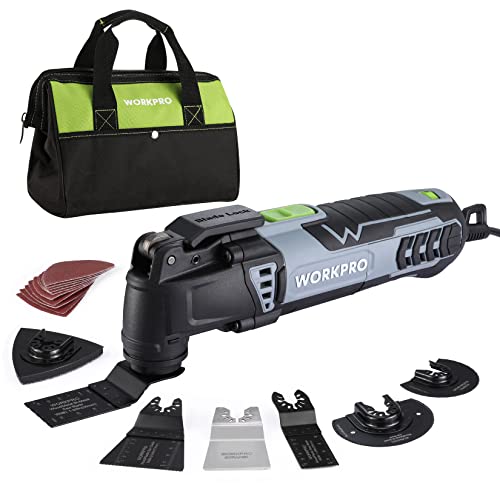
WORKPRO 3.0 Amp Corded Oscillating Multi-Tool Kit

Cerycose Cordless Oscillating Tool Compatible with Milwaukee 18V Battery
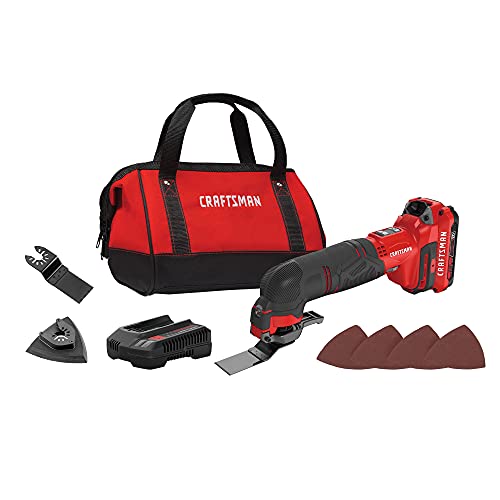
CRAFTSMAN V20 Cordless Oscillating Tool Kit (CMCE501D1)

Milwaukee Electric M18 Multi Tool W/1.5AH Battery

Makita XMT04ZB 18V LXT Sub-Compact StarlockMax Multi-Tool
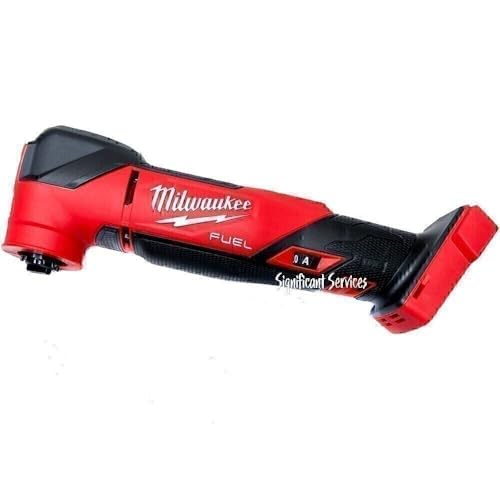
Milwaukee 2836-20 M18 FUEL Brushless Cordless Oscillating Multi-Tool

Gerber Gear Prybrid Utility Knife with Pocket Clip

DIYtoolifz Cordless Oscillating Tool Compatible with Dewalt 20V Battery
More Details On Our Top Picks
The corded setup gives you steady runtime, so this WORKPRO makes sense for a garage bench or a small renovation where an outlet stays close by. Seven speed settings and a 3 degree oscillation angle point toward fine control, which helps when you’re trimming trim, cutting flush, or shaving material in tight spots.
The quick-lock blade system keeps changes simple, and the included 17-piece accessory set gives you enough to start basic household work right away. The trade-off is obvious, though, corded convenience still ties you to an outlet, so this suits planned jobs more than roaming repairs.
Strong Points
- Seven speed levels give you more control over light sanding and cleaner cuts.
- The 3 degree oscillation range helps the head work in tighter spaces.
- Quick-lock blade changes keep setup time short during project handoffs.
- The included accessories make it ready for basic DIY work without hunting for extras.
Things To Consider
- Corded power limits reach, so you’ll stay near an outlet.
- The bag is handy for storage, but it still asks you to keep the accessory count organized.
Feature Snapshot
Who It Suits Best
Home DIYers who work close to a power source and want a straightforward starter kit will get the most out of this setup.
Where A Sibling Pick Shines
CRAFTSMAN V20 Cordless Oscillating Tool Kit CMCE501D1 suits you better when battery freedom matters more than corded steadiness.
This one is aimed squarely at Milwaukee 18V battery owners who want to add an oscillating tool without buying into another platform. A brushless motor, meaning the motor uses electronic control instead of carbon brushes, often brings smoother power delivery and less upkeep, and the auxiliary handle should help during longer scraping or sanding runs.
The 21,000 OPM ceiling, or oscillations per minute, gives you a sense of how fast the head can move through light material. That speed can be useful on wood or old caulk, though the tool-only format means you need the battery and charger already in hand, which is the main trade-off.
Highlights
- Milwaukee 18V battery compatibility keeps it useful inside an existing tool system.
- The brushless motor suits longer sessions and usually needs less routine attention than brushed designs.
- 21,000 OPM gives you headroom for faster surface work.
- The auxiliary handle adds control during scraping and sanding jobs.
Small Caveats
- Tool-only packaging means you need compatible power gear already owned.
- The higher-speed setup can feel like more tool than you need for very light touch-up work.
- Accessory swaps and storage still depend on the add-ons you choose.
Core Details
Made For
Milwaukee platform owners who want a tool-only add-on for renovation work, scraping, and sanding will feel right at home here.
A Better Fit Elsewhere
Makita XMT04ZB 18V LXT Sub-Compact StarlockMax Multi-Tool is the better match for you when blade-system compatibility matters more than battery matching.
Starter kits can be the easiest path into cordless oscillating work, and this CRAFTSMAN bundle takes that idea seriously. Battery, charger, blades, and sandpaper are part of the package, so you’re not piecing together a setup after the fact, which is useful for move-in projects or weekend fixes.
That all-in-one approach makes it friendlier than tool-only options like the Cerycose and Milwaukee bare units, though you give up some platform flexibility. For homeowners who want one box and a shorter setup path, that trade feels reasonable.
What We Like
- The included battery and charger remove the guesswork for a first cordless setup.
- Blades and sandpaper in the box help you start common tasks right away.
- The V20 platform gives the tool a familiar place inside CRAFTSMAN’s cordless system.
- It fits well for closets, baseboards, and light repair work around the house.
Areas To Watch
- The bundle focus means you may not need every accessory right away, so storage can get cluttered.
- Owners who already use a different battery platform may prefer a tool-only pick.
Details At A Glance
Best Suited To
New homeowners and casual DIYers who want a ready-to-run kit will get the cleanest fit here.
Another Choice May Suit
Milwaukee 2836-20 M18 FUEL Brushless Lithium-Ion Cordless Oscillating Multi-Tool is a stronger match for heavier job-site use.
The bundled 1.5Ah battery keeps this Milwaukee setup compact, which helps in overhead work or quick service jobs where a lighter pack feels less tiring. Because it stays inside the M18 family, you can slot it into a larger Milwaukee battery ecosystem without juggling another charger routine.
The source details are lean, so the appeal here is mostly about brand continuity and the convenience of a matched battery package. That makes it a sensible step up for regular users, though shoppers who want a fuller accessory list may prefer the CRAFTSMAN kit instead.
Best Bits
- The included battery reduces the number of extra pieces you need to start.
- The M18 format fits neatly into a broader Milwaukee tool collection.
- Compact battery weight can help during overhead or one-handed positioning.
Worth Noting
- The listing gives little detail on speed or attachment breadth, so the feature picture is narrower than some rivals.
- For first-time shoppers, a kit with more accessories may feel more complete.
Quick Facts
Right Fit For
Milwaukee tool owners who want a compact add-on for routine home and shop work will appreciate the simple bundle.
Look Elsewhere When
CRAFTSMAN V20 Cordless Oscillating Tool Kit CMCE501D1 suits you better when you want more accessories right in the box.
Makita leans hard into attachment compatibility here, and that matters for remodel work where blade options shape the whole day. StarlockMax, Starlock, and Starlock Plus compatibility gives you a wider path for matching the right accessory to the task, which is a real plus for remodelers and finish carpenters.
The 10,000 to 20,000 OPM range and 3.6 degree oscillation angle add detail to the picture, while AVT vibration reduction should help with fatigue during longer sessions. It is tool only, though, so the value lives or dies on whether you already own the right battery setup.
Positives
- StarlockMax, Starlock Plus, and Starlock compatibility broaden accessory choices.
- Brushless construction suits regular use and usually keeps maintenance simple.
- AVT vibration reduction can make long cuts feel less tiring in the hand.
- The 3.6 degree oscillation angle supports efficient material removal.
- The sub-compact shape should help in tighter framing or cabinet spaces.
Points To Note
- Tool-only packaging asks you to supply the battery and charger yourself.
- Accessory compatibility is a strength, but it can also push you toward more specialized blades.
Spec Overview
Whose Shelf It Belongs On
Finish carpenters, remodelers, and careful DIYers who already own Makita batteries will get the cleanest fit.
Swap It Out When
DIYtoolifz Cordless Oscillating Tool Compatible with Dewalt 20V Battery makes more sense for you when DeWalt batteries are already part of the shop.
This is the pick that feels built for frequent use, especially around remodeling, trim work, and job-site punch lists where a tool gets picked up again and again. The brushless M18 FUEL setup points to strong power delivery, and that usually matters more than cosmetic extras once a project stretches past the easy part.
Compared with the compact Milwaukee bundle above, this one reads like the more serious working tool, though the listing keeps the rest of the details lean. You may find it overkill for a one-off shelf repair, but for regular use it fits the bill better than the lighter kits.
Upsides
- The M18 FUEL platform is aimed at demanding, repeated use.
- Brushless drive is a strong sign of efficient power handling and less routine wear.
- The tool-only format suits users who already own Milwaukee power gear.
Minor Gripes
- Accessory details are sparse, so you may need to plan blades separately.
- The setup makes more sense as an ecosystem add-on than as a starter kit.
Key Specs
Built With In Mind
Frequent contractors and serious remodelers who already own M18 gear will get the most from this unit.
Where Another Pick Suits Better
WORKPRO 3.0 Amp Corded Oscillating Multi-Tool Kit is a friendlier match for casual home repair near an outlet.
Strictly speaking, this sits a little outside the oscillating-tool crowd, but it still earns a place here because pocket-sized utility matters on job sites and around the house. The Prybrid format combines a retractable blade with a pry bar, bottle opener, and wire stripper, so you get a small tool that covers the everyday cut-open-adjust-pry routine.
Compared with the larger multitools in this list, it’s the item you carry, not the one you build around. The honest read is that it works best as a pocket companion for light utility work, while the Milwaukee and Makita picks handle the heavy lifting.
Bright Spots
- The pocket clip makes it easy to keep on you during work or errands.
- The retractable blade adds safer carry than a fixed-edge utility knife.
- Built-in pry, bottle, and wire functions reduce the need for loose pocket tools.
- The slim profile suits tool pouches, glove boxes, and daily carry setups.
Softer Spots
- This is not a replacement for a full oscillating tool on renovation jobs.
- Blade changes and pocket carry call for a little more care to keep the edge area tidy.
Feature Rundown
Who Will Love This
Tradespeople and everyday carry fans who want a small helper for boxes, trim, and light prying will like the format.
Not Your Match When
Milwaukee 2836-20 M18 FUEL Brushless Cordless Oscillating Multi-Tool is the better pick for full renovation cutting and sanding.
This DIYtoolifz unit fits neatly into a DeWalt 20V shop, which immediately makes it practical for anyone who already has batteries on hand. Six variable speeds and a brushless motor point to better control than a bare-bones trim tool, and that combination helps during drywall cuts, grout removal, or light sanding around cabinets.
Because it is tool only, the value depends on your existing battery setup, much like the Cerycose and Milwaukee tool-only picks. You may find it especially convenient for mixed repair work where the tool needs to switch from cutting to sanding without much fuss.
Positives
- DeWalt 20V compatibility makes it easy to slot into an existing battery set.
- Six variable speeds help you match control to the material.
- The brushless motor suits regular use and usually keeps the tool running with less internal wear.
Room For Improvement
- Tool-only packaging means you need your own battery and charger.
- The listing leans light on accessory detail, so setup planning falls to you.
- Storage can get messy fast once blades and sanding pads start piling up.
Core Details
The Right Fit
DeWalt 20V owners who want a flexible tool for cutting, sanding, and material cleanup will find the fit straightforward.
Reach For A Different Pick When
Makita XMT04ZB 18V LXT Sub-Compact StarlockMax Multi-Tool suits you better when blade-system compatibility is the priority.
How To Choose The Right Cordless Multitools
Battery Platform And Runtime Fit
Your battery ecosystem matters more than many shoppers expect. A tool-only model like the Milwaukee, Makita, Cerycose, or DIYtoolifz options makes sense when you already own the matching batteries and charger, while a kit such as the CRAFTSMAN V20 removes that extra step.
That choice affects cost, storage, and how fast you can start a job. For occasional home projects, a bundled battery can feel easier, while frequent users often prefer platform consistency so every battery works across more than one tool.
Motor Type, Speed Range, And Control
Brushless motors show up on several picks for a reason, they usually support smoother power delivery and fewer wear parts than brushed designs. Speed ranges matter too, because trimming soft material asks for different control than scraping adhesive or cutting drywall.
OPM, or oscillations per minute, gives you a rough sense of head speed, while the oscillation angle helps describe how wide the blade sweeps. Wider swings can cut faster, but tighter angles often feel easier to control in finished rooms.
Accessory System And Blade Compatibility
Blade fit is one of the easiest places to get stuck with the wrong tool. Makita’s StarlockMax, Starlock Plus, and Starlock compatibility stands out for accessory flexibility, while quick-lock systems like the WORKPRO are better for simple, straightforward blade changes.
Think about what you actually cut, scrape, or sand most often. A remodeler who changes blades often may value broad compatibility, while a weekend DIYer may care more about whichever setup feels least fussy in the hand.
Comfort, Weight, And Real Job Use
Comfort starts to matter the moment the work lasts longer than a quick trim. Auxiliary handles, vibration reduction, and compact bodies help during ceiling work, cabinet cuts, and awkward corners where your wrist gets tired before the blade does.
The lighter Milwaukee bundle may suit short service calls, while heavier-duty picks like the Milwaukee 2836-20 or Makita make more sense for repeated use. In a busy garage or on a renovation floor, that kind of difference is usually felt before it’s explained.
Things Worth Knowing First
Hidden Buying Traps
It’s easy to focus on speed and forget the basics. Tool-only listings can look attractive, but they quickly become inconvenient without the right battery system, and that can turn a simple project into a parts hunt.
Accessory counts matter too, though only up to a point. A large bundle is nice on paper, but it helps less than a well-matched blade system if the tool doesn’t suit the material you cut most often.
The Upgrade Payoff
Higher-tier models usually cost more because of brushless motors, stronger vibration control, and broader accessory compatibility. Those details make a real difference when you use a multitool often, especially for trim work, renovation cuts, and long sanding sessions.
For occasional fixes, a ready kit like the CRAFTSMAN V20 may be enough. For frequent work, the Makita and Milwaukee options justify themselves through better fit, sturdier build choices, and less hand fatigue over time.
Frequently Asked Questions
What Makes A Cordless Multitool Useful?
You get one compact tool for cutting, scraping, sanding, and detail trimming. That makes it useful for repairs where a larger saw or sander feels awkward.
Do Tool-Only Models Make Sense?
Yes, they make sense when your batteries already match the platform. They feel wasteful only when you still need to buy power gear separately.
How Important Is Brushless Motor Design?
Brushless motors usually suit regular use because they reduce internal wear parts. They also tend to support smoother power delivery during longer jobs.
Should You Prioritize Accessories Or Power?
Accessories help you start more tasks right away, while power matters more for repeated cutting and scraping. A tool that fits your most common material is the safer choice.
Which Pick Works Best For A First-Time Setup?
The CRAFTSMAN V20 Cordless Oscillating Tool Kit is the easiest first setup here. It includes the battery, charger, and starter accessories in one package.
Closing Thoughts
Your best match depends on how you work, not just how the listing looks. For simple home repairs, the WORKPRO or CRAFTSMAN kit keeps things approachable, while Milwaukee and Makita make more sense once you start leaning on the tool week after week. If your batteries already live in one platform, staying there usually makes life easier. Pick the tool that fits your space, your pace, and the jobs you actually face.




