


You want a cordless nailer that fits into trim work, quick repairs, and weekend projects without dragging a hose behind you. The right pick depends on the nail size, battery setup, and how much you value compact handling over raw speed. Some models are better for delicate molding, while others suit thicker finish work or mixed home tasks. This roundup keeps the focus on how each tool behaves in real use, so you can match the tool to the job instead of guessing.
The Shortlist At A Glance

WEN 20V Max Cordless 18-Gauge Brad Nailer (20512)

PIN NAILER CMPCT 20V 23G

Metabo HPT Brad Nailer NT1850DG 18V Kit

CRAFTSMAN V20 Brad Nailer CMCN618B
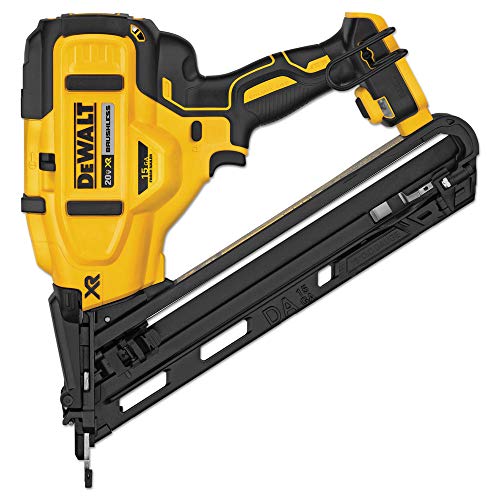
DEWALT DCN650B Angled Finish Nailer

Ryobi 18V ONE+ Airstrike Brad Nailer P321

BATAVIA 2-in-1 Cordless Brad Nailer Kit

WORX Cordless Brad Nailer WX842L
More Details On Our Top Picks
WEN gives you a straightforward 20V setup, and the included 2.0Ah battery and charger make it easier to start a trim project without piecing together extras. For a weekend closet refresh or a run of baseboard touch-ups, that keeps the setup simple and the footprint small. The 18-gauge format is a sensible middle ground for fine trim, since the nails leave a modest hole and still hold well for light carpentry.
The trade-off is that you’re looking at a brad nailer, not a heavier finish or framing tool, so it suits lighter work best. That’s also where it differs from the DEWALT and Metabo HPT picks, which lean a bit more toward higher-end finishing or broader nail ranges. If you want an easy first cordless nailer for home projects, this one feels grounded and practical.
Strong Points
- Battery and charger come together, which helps you get started without extra parts.
- 20V cordless handling keeps you off the cord while working around rooms or stairs.
- 18-gauge nails suit trim, molding, and light carpentry without large holes.
- The included battery setup makes it a comfortable fit for occasional home use.
Things To Consider
- Brad nailers are built for lighter fastening, so this is not the tool for heavier stock.
- The included battery adds convenience, but it also means the package is less stripped down than tool-only choices.
- Like most cordless nailers, keeping batteries charged and stored properly matters for reliable use.
Feature Snapshot
Who It Suits Best
Homeowners who want a first cordless trim nailer for light jobs and occasional repairs will get the most out of it.
Another Choice May Suit
RYOBI 18V ONE+ Airstrike Brad Nailer P321 fits better for anyone already invested in the ONE+ battery platform.
A compact 23-gauge pin nailer earns its keep in delicate work, especially around trim pieces that need to stay almost invisible. The smaller fastener size matters when you’re doing light decorative trim, craft work, or cabinet details where a brad nail would feel too large. Compared with the WEN brad nailer, this one is the quieter-footprint choice for fine finishing jobs.
The honest read is that a pin nailer trades holding power for a smaller mark, so it’s not the tool for structural attachment. That makes it a good companion tool rather than an all-purpose main nailer. For furniture touch-ups and thin molding, it feels neatly targeted.
What We Like
- 23-gauge pins leave a very small entry point for delicate finish work.
- The compact form helps in tight spaces and around detailed trim.
- It suits cabinet accents, craft tasks, and other light-duty fastening jobs.
Room For Improvement
- Pin nailers hold differently than brad nailers, so the fastening strength is more limited.
- You may find it too specialized for broad household repair use.
- Keeping thin fasteners organized matters, since pin work is easier with the right consumables close at hand.
Details At A Glance
Who Should Grab It
Cabinet makers, hobby woodworkers, and trim-focused DIYers will appreciate the small footprint and subtle fastening.
Skip It When
Metabo HPT Brad Nailer NT1850DG is the better fit for heavier trim work that needs more nail-length range.
Metabo HPT takes a more serious trim-work angle, especially with its 18-gauge format and the stated ability to drive nails from 5/8 inch to 2 inches. That span matters on jobs that mix thin molding with thicker trim, because you can stay within one tool more often. The included 2.0Ah lithium-ion battery and compact body also suit long stretches of home finishing without feeling bulky.
The 700-shots-per-charge figure gives you a useful sense of endurance, though actual run time always depends on material, nail length, and pace. Compared with the WEN model, this one reads like the more project-heavy option, while the pin nailer earlier in the list stays more specialized. For a person doing room-by-room trim, that broader reach is the real draw.
Upsides
- Drives 5/8-inch to 2-inch nails, so it handles a wide range of trim sizes.
- 700 shots per charge gives you a strong sense of job-site endurance.
- The compact body helps in corners, stair trim, and tight interior work.
- MultiVolt compatibility broadens the battery conversation for mixed tool setups.
- The included battery keeps the kit ready for immediate project use.
Points To Note
- The broader capability makes it more tool than casual repairists may need.
- Battery management still matters, especially on larger trim days.
- Like any nailer, regular cleaning around the nose and magazine helps keep operation smooth.
Core Details
Best Suited To
DIYers handling larger trim projects, built-ins, or recurring room updates will get the most value from its wider nail range.
A Better Fit Elsewhere
WORX Cordless Brad Nailer WX842L suits you better for trim jobs where tool-free jam release matters more than range.
This CRAFTSMAN option keeps things lean by selling as a bare tool, which makes sense for anyone already using V20 batteries. The appeal is simple: you are not paying for another charger or pack you may already own, and the 18-gauge format covers common trim and molding jobs. In a garage workshop or during a small renovation, that keeps clutter down.
The stated motor output of up to 420 nails per charge gives you a helpful baseline for light to moderate use, though actual results still depend on material and pace. Compared with the included-battery WEN kit, this one is more about filling a gap in an existing tool lineup. That makes it a tidy, low-drama option for people already in the CRAFTSMAN system.
Best Bits
- Bare-tool format fits existing V20 battery owners well.
- 18-gauge brad format covers common trim and small finish tasks.
- Up to 420 nails per charge provides a practical use benchmark.
- Simple setup keeps storage and add-on clutter to a minimum.
Small Caveats
- You need a compatible battery before the tool is useful.
- The lack of included power accessories makes it less convenient for first-time cordless setups.
- As with most bare tools, checking battery contact points and keeping them clean helps day-to-day reliability.
Feature Card
The Right Fit
V20 tool owners who want a cordless brad nailer without another battery pile-up will appreciate this one most.
Where A Sibling Pick Shines
WEN 20V Max Cordless 18-Gauge Brad Nailer (20512) suits first-time cordless users better because it includes the battery and charger.
DEWALT moves up a notch from brad nailers by using 15-gauge angled finish nails, which are better suited to heavier trim, casing, and cabinet work. The angled nose is the feature that stands out most, since it helps you reach tighter corners where straight-bodied tools can feel awkward. For finish carpentry in a renovated room, that extra reach is a real comfort.
The trade-off is that a 15-gauge tool leaves a larger hole than the smaller-gauge picks earlier in the list, so it is not the quietest choice for delicate trim. Still, it fills an important role if you need more holding strength and cleaner access in close quarters. It feels especially strong for anyone already comfortable around finish tools and looking for a more specialized cordless option.
Highlights
- 15-gauge angled finish nails suit thicker trim and casing work.
- The angled head helps reach tighter corners and awkward joints.
- It works well for cabinet and finish carpentry tasks that need more holding strength.
- DEWALT’s cordless format keeps the work area free of hoses.
Areas To Watch
- The larger fastener size leaves more visible holes than an 18-gauge brad tool.
- It’s more specialized than the WEN or Ryobi picks for casual home touch-ups.
- Keeping the nose area clean matters, especially during longer finish runs.
At A Glance
Whose Shelf It Belongs On
Finish carpenters and serious DIY renovators who work on casing, base trim, or cabinets will get the most from it.
Reach For A Different Pick When
Metabo HPT Brad Nailer NT1850DG is the better fit for trim work that benefits from a lighter 18-gauge fastener.
Ryobi’s Airstrike brad nailer fits neatly into the kind of home toolkit that already leans on a battery platform. Because it ships as a tool only, it makes the most sense for households that already have 18V ONE+ batteries in rotation. For trim around doors, shelving, or small repairs, that shared-battery convenience keeps things simple.
Compared with the CRAFTSMAN bare tool, this pick speaks more directly to people using the ONE+ system, and that platform fit is the real advantage. The catch is that you still need to own or source the battery and charger separately, so first-time cordless shoppers may feel the gap. For an existing Ryobi setup, though, it’s an easy tool to slot in.
Reasons To Buy
- Plays nicely with the 18V ONE+ battery ecosystem.
- 18-gauge brad capability works for a broad set of trim tasks.
- Tool-only format keeps the package focused for existing users.
- Airstrike branding points to a cordless, hose-free workflow.
Worth Noting
- You need compatible batteries before the tool is ready for use.
- Tool-only packaging can be less convenient than an all-in-one kit.
- Storing batteries away from heat and moisture supports steadier long-term use.
Spec Overview
Made For
Existing Ryobi owners who want a cordless brad nailer for routine home trim will feel right at home with it.
Look Elsewhere When
WEN 20V Max Cordless 18-Gauge Brad Nailer (20512) is easier for a new setup because it includes the battery and charger.
BATAVIA takes a different route from the brad-focused tools above by mixing staple and brad functions into one cordless kit. The 1.6-pound body is easy to move around upholstery, craft benches, or light shop tasks, and the included nails and staples help you get started without a parts run. For small DIY jobs, that bundle approach feels handy.
The 4V lithium-ion battery and claimed pace of up to 40 pins per minute place it in the light-duty lane, so this is not the tool for heavy trim installation. Still, the cordless design and 1,500mAh battery give it a tidy profile for hobby use. Compared with the Ryobi or CRAFTSMAN picks, this one is less about system depth and more about a self-contained starter kit.
Positives
- Two-in-one layout covers both brad and staple tasks.
- The 1.6-pound build stays easy to manage in hand.
- Included fasteners make it more ready for small projects.
- Cordless operation keeps you from juggling a hose or compressor.
- The 4V rechargeable battery suits light household and craft use.
Honest Caveats
- The lighter power class is better for small jobs than major trim work.
- Faster-paced finishing work may outgrow this setup quickly.
- Keeping the kit organized matters because mixed fasteners can get messy in storage.
Core Details
Built With In Mind
DIY hobbyists, upholstery tinkerers, and anyone doing small fix-up work will appreciate the lightweight, all-in-one setup.
Swap It Out When
DEWALT DCN650B Angled Finish Nailer is the stronger match for heavier trim and more demanding finish carpentry.
WORX lands in the sweet spot for trim-heavy home work, with 20V cordless power and support for up to 2-inch nails. The tool-free jam release is the headline detail, since clearing a jam without hunting for extra tools can save time on a ladder or in a cramped room. For molding, baseboards, and other repeat trim tasks, that practical convenience stands out.
It also includes the battery and charger, which makes the setup feel more complete than tool-only picks such as Ryobi or CRAFTSMAN. The trade-off is that you’re paying for a more feature-forward package, so casual users may not need every convenience. Still, for regular trim work, it reads as the most thoughtfully equipped model in this set.
Plus Points
- Tool-free jam release can make maintenance less fussy during a project.
- Supports nails up to 2 inches for a wider spread of trim work.
- Battery and charger are included, which simplifies the first setup.
- 20V cordless power suits recurring home finishing jobs.
Softer Spots
- Feature-rich packaging may be more than a casual repair user needs.
- Like most cordless nailers, keeping the nose and magazine clear helps preserve smooth feeding.
- The more complete kit can feel less minimal than a bare-tool option.
Quick Facts
Who Will Love This
Trim installers and home renovators who want fewer interruptions during routine fastening will appreciate it most.
Where A Sibling Pick Shines
PIN NAILER CMPCT 20V 23G is the better fit for very delicate work where a smaller pin leaves a subtler mark.
How To Choose The Right Cordless Palm Nailers
Nail Size Sets The Job Range
Gauge tells you how thick the nail is, and that has a direct effect on hole size and holding strength. An 18-gauge brad nailer, like the WEN, Ryobi, and Metabo HPT picks, suits trim, molding, and light carpentry without leaving a large mark. A 15-gauge finish nailer, like the DEWALT, gives you a little more grip for thicker trim, while a 23-gauge pin nailer stays almost invisible on delicate pieces.
Power Setup Changes The Ownership Experience
Battery-included kits are easier for first-time cordless setups because you can start work right away. Tool-only models, such as CRAFTSMAN and Ryobi, make more sense when you already have compatible batteries on hand. For a busy garage or renovation schedule, matching the tool to your battery system saves clutter and keeps charging simpler.
Weight And Size Matter More Than You Think
Cordless nailers sound convenient on paper, but the body shape decides how pleasant they feel on a ladder or near the floor. The BATAVIA kit, at 1.6 pounds, leans into easy handling for small tasks, while the WORX and Metabo HPT tools focus more on job range and features. In narrow hallways, cabinets, or stair trim, a compact body can feel like a much bigger benefit than an extra spec line.
Convenience Features Cut Friction
Jam release, included chargers, and ready-to-go kits matter because they affect the moments around the tool, not just the fastening itself. WORX stands out here with tool-free jam release, and that kind of detail helps during long trim runs where interruptions get old fast. For most home projects, those convenience touches matter more than flashy claims.
What To Weigh Before You Buy
Mistakes Worth Dodging
A common misstep is choosing by battery voltage alone and ignoring the nail type. That leaves you with a tool that powers on fine but does the wrong kind of work for your trim or furniture project. Another easy miss is buying a bare tool, then realizing you still need batteries and a charger.
What The Higher Tier Buys
Higher-tier cordless nailers usually cost more because they bring better reach, better ergonomics, and more convenience around jams or tight corners. The DEWALT angled finish nailer and WORX’s jam-release setup both show where the extra money tends to go. For frequent trim work, those details can matter more than a plain tool body.
Frequently Asked Questions
Are cordless palm nailers the same as brad nailers?
No, a palm nailer is a compact hand tool that drives nails from a very small body, while the picks here are cordless brad, pin, or finish nailers. That difference matters because the nail size and job style change how the tool fits your project.
Which nail gauge works best for home trim?
Eighteen-gauge brad nailers are the most versatile choice for many trim jobs. They balance a smaller hole with enough holding power for molding, baseboards, and light finish work.
Do tool-only models make sense?
Yes, tool-only models fit well when you already own the matching battery system. They usually make less sense for a first setup because you still need power accessories.
What makes a finish nailer different from a brad nailer?
A finish nailer usually uses a thicker nail, so it holds better in heavier trim but leaves a larger hole. A brad nailer is more subtle and better suited to lighter molding and general finish details.
Is a compact nailer better for tight spaces?
A compact body helps a lot around corners, stair trim, and cabinet edges. That said, you still need the right nail size and power setup, so compactness should be part of the decision, not the only one.
Closing Thoughts
The right cordless nailer comes down to how you work, not just the badge on the side. For light trim, the WEN and Ryobi picks are easy to live with, while the Metabo HPT and DEWALT models suit more demanding finish jobs. BATAVIA keeps things simple for small DIY tasks, and WORX offers the most convenience for regular trim runs. Match the tool to the work you actually do, and the choice gets much easier.




