


Planning trim work, smoothing rough boards, or matching edges on a jobsite calls for a planer that feels steady in your hand and sensible in use. Cordless models suit you when outlets are awkward, cords snag on ladders, or your work moves between rooms and outdoor spaces. This roundup focuses on compact planers, one blade-replacement set, and a chamfering tool, so you can match the tool to the task instead of forcing one tool to do everything.
The Shortlist At A Glance

WEN Cordless Planer 3-1/4-Inch, 20V Max Battery

FOXBC 3-1/4 Inch 82mm TCT Carbide Planer Blades

Makita KP0800K 3-1/4-Inch Planer With Tool Case

CRAFTSMAN Hand Planer 6-Amp (CMEW300)

Saker Chamfer Plane With Auxiliary Locator, Black
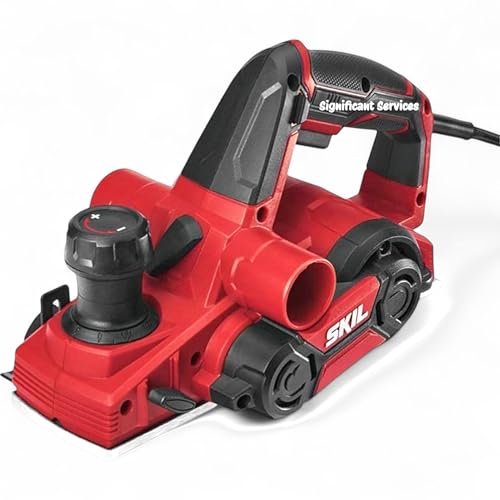
SKIL 6.5 AMP Corded Planer PL201201

Makita DKP181Z 18V LXT Brushless Cordless Planer

Metabo 602082890 Cordless Planer
More Details On Our Top Picks
The WEN lands in a useful middle ground for you if the job moves around the house or out to the driveway. A brushless motor means fewer wear items inside the tool, while the included 20V Max 4.0 Ah lithium-ion battery and charger keep the setup self-contained.
That makes it appealing for trim carpentry, door edging, and quick leveling work where dragging a cord gets old fast. The trade-off is simple, cordless convenience usually asks you to stay mindful of battery runtime, so it fits lighter to moderate jobs better than marathon stock removal.
Strong Points
- Brushless drive helps the tool feel efficient during stop-and-start work.
- Three-and-a-quarter-inch cutting width suits common boards and door edges.
- Battery and charger in the box simplify first use.
- Handheld format fits small shops and mixed repair days.
Points To Note
- Cordless runtime needs attention on longer sessions.
- Battery care adds another item to store and keep charged.
- For heavy stock removal, a corded tool may feel steadier.
Feature Rundown
Who It Suits Best
Home renovators and weekend carpenters who want cordless convenience without jumping to a pro-tier price bracket should feel at home here.
A Better Fit Elsewhere
Makita DKP181Z 18V LXT Brushless Cordless Planer suits you better for higher-demand finish work where a more premium cordless platform matters.
Before you replace the whole planer, this blade set can be the quieter fix. The 82mm carbide build is made for common handheld planers from brands such as Makita, DeWalt, Bosch, and Ryobi, so it serves a broad repair-and-refresh role.
That matters most in a small shop where a dull edge can make a good machine feel tired. The catch is compatibility, you need to match your model carefully, and blade swaps are a maintenance task rather than a full tool upgrade.
Positives
- Carbide construction suits repeated edge work better than soft steel.
- Broad model coverage helps many common handheld planers stay in service.
- Replacing blades can restore cleaner cuts without buying a new tool.
Small Caveats
- Model matching deserves attention before you order.
- Blade replacement adds a setup step you need to handle carefully.
Core Details
Who Should Grab It
Hands-on homeowners and shop users keeping a well-known planer alive will get the most value from this set.
Reach For A Different Pick When
WEN Cordless Planer 3-1/4-Inch, 20V Max Battery makes more sense for you if the whole tool needs replacing rather than just the blades.
The Makita KP0800K reads like a compact shop tool that prefers regular use over showy extras. The included tool case helps with storage and transport, which matters when your planer rides between a garage shelf and a workbench.
Compared with the WEN cordless model, this one is a more traditional corded choice, so you’re trading battery freedom for steady, plug-in continuity. For trim, cabinet edges, and repeat jobs at the bench, that trade can feel very sensible.
Highlights
- Compact planer body suits controlled trimming work.
- Tool case makes storage and travel simpler.
- Makita’s handheld format fits recurring shop tasks well.
Room For Improvement
- Corded use keeps you near an outlet.
- Case storage helps, but the tool still needs bench space.
- Less flexible than cordless picks for site work.
At A Glance
Made For
You’ll appreciate this most in a home shop where plug-in power is always close by.
Another Choice May Suit
Makita DKP181Z 18V LXT Brushless Cordless Planer is the stronger fit for jobsite work that benefits from cordless movement.
The CRAFTSMAN fits a straightforward shop rhythm, especially for longer sessions where corded power feels easier than watching a battery meter. Its 6-amp motor and 5/64-inch cutting depth point toward steady material removal for routine woodworking and door adjustments.
Compared with the Makita KP0800K, this pick leans more into workhorse simplicity than a polished accessory package. That makes sense for you if the planer lives on a bench and gets used often, not tucked away for occasional projects.
What We Like
- 6-amp power suits repeated planing passes.
- 5/64-inch depth supports common edge correction tasks.
- Simple corded setup reduces charging clutter.
Softer Spots
- Cord management matters in smaller work areas.
- More suited to bench work than roaming jobsites.
- The listing does not add much storage detail.
Details At A Glance
The Right Fit
Workshop users who value predictable plug-in operation over cordless convenience should feel comfortable here.
Where A Sibling Pick Shines
WEN Cordless Planer 3-1/4-Inch, 20V Max Battery fits better for you if the same kind of work needs to move around the property.
This Saker pick sits a little apart from the planers above because it’s aimed at chamfering, which means shaping a clean beveled edge on wood corners. The auxiliary locator helps guide the tool, so the job feels more controlled than freehand edge breaking in a hurry.
That narrower focus is the point. For furniture touch-ups, edge softening, and quick corner work, it’s handy; for broad surface flattening, you’d want one of the full planer picks instead.
Positives
- Auxiliary locator helps guide edge work.
- Chamfer-focused design suits quick woodworking touch-ups.
- Small tool footprint stores easily in a drawer or kit.
Points To Note
- Specialized use leaves broader planing tasks to other tools.
- Best results depend on careful hand control.
- Maintenance is mostly about keeping the cutters clean and sharp.
Feature Snapshot
Whose Shelf It Belongs On
You’ll get the most out of this in a woodworking kit built around edge detailing rather than full-board surfacing.
Look Elsewhere When
SKIL 6.5 AMP Corded Planer PL201201 makes more sense for rougher flattening and heavier stock work.
The SKIL is the plain-spoken workhorse in this set, built for people who prefer corded consistency over battery juggling. Its 6.5 amp motor gives it a more forceful profile than the cordless WEN, and that shows up most when you’re chewing through rougher boards or correcting stubborn edges.
It suits you well in a garage shop where outlet access is easy and cleanup happens on your schedule. The honest trade-off is that corded power rewards organized space, so a tangled work area can slow you down more than the tool itself.
Upsides
- 6.5 amp motor suits tougher planing sessions.
- 3-1/4-inch format keeps it familiar for common shop work.
- Corded power avoids battery charging downtime.
Worth Noting
- Extension cords and outlet placement shape the workflow.
- Less convenient for remote or outdoor jobs.
Core Details
Best Suited To
DIYers and shop users who need dependable removal power for frequent bench work will feel the fit here.
Swap It Out When
Makita DKP181Z 18V LXT Brushless Cordless Planer is the better move for cordless portability and cleaner site mobility.
This Makita is the one that feels most at home on serious cordless jobs. The brushless motor and 82mm width point to a tool built for cleaner, more controlled planing where battery-driven convenience still needs professional polish.
Compared with the WEN cordless pick, this one sits a step higher in ambition and is a stronger match for finish carpentry, onsite adjustments, and repeated use across the day. For many users, that extra refinement is worth it, though the bare-tool format means you’re expected to already be in Makita’s battery system.
Reasons To Buy
- Brushless motor supports efficient cordless use.
- 82mm width handles common planer tasks with confidence.
- Bare-tool format suits existing Makita setups.
- Compact cordless format helps on moving job sites.
Areas To Watch
- Battery and charger are not part of the bare-tool listing.
- Best value usually lands with users already in the platform.
- Higher-end features make it less casual than entry cordless picks.
Spec Overview
Built With In Mind
You’ll appreciate this most as a working carpenter or serious DIYer who already owns compatible Makita batteries.
Where A Sibling Pick Shines
WEN Cordless Planer 3-1/4-Inch, 20V Max Battery is the friendlier starting point for you if you want a more complete box right away.
The Metabo is the most stripped-back listing here, but that can suit you well in a pro shop where the tool is chosen for performance first and packaging second. Because the source data keeps the details lean, the listing reads more like a seasoned cordless platform than an all-in-one starter set.
That makes it a credible upgrade path for established users who already know what they want from a planer body. For casual weekend tasks, the WEN or Makita complete-kit options may feel easier to live with.
Best Bits
- Cordless format supports movement around job sites.
- Simple listing suits experienced tool users who know their setup.
- Pairs naturally with an existing battery ecosystem.
Honest Caveats
- Source details are sparse, so comparison depends on the platform you already use.
- Bare presentation means you may need more pieces to complete the setup.
Key Specs
Who Will Love This
Pros and experienced hobbyists with a clear cordless setup in mind are the people most likely to appreciate this choice.
Not Your Match When
CRAFTSMAN Hand Planer 6-Amp (CMEW300) is the easier fit for you if you want a more detailed corded tool package.
How To Choose The Right Cordless Planers
Motor Power And Cutting Width
Motor power shapes how calmly a planer moves through stock, especially on door edges or old lumber with a few stubborn spots. Cutting width matters just as much, because a 3-1/4-inch body handles common trim tasks without feeling unwieldy, while wider or more specialized tools belong to different jobs. You get the cleanest fit when the tool matches the kind of material you handle most often.
Battery Setup And Runtime
Cordless convenience only feels convenient when the battery setup matches the workday. A complete kit, like the WEN, helps you get started fast, while bare-tool options such as the Makita DKP181Z make more sense when you already own compatible packs. The trade-off is plain, more complete kits cost more up front, but they also reduce friction on day one.
Hand Feel, Storage, And Jobsite Rhythm
Planers live or die by comfort in the hand. A tool case, like the one with the Makita KP0800K, can matter almost as much as the tool body because it keeps the planer easy to store, carry, and protect between jobs. For mobile work, a cordless body helps a lot, while a corded pick can still be the smarter choice for bench-based shops where outlet access is easy.
Match the tool to your pace, not to the loudest spec sheet. Edge details, occasional door trimming, and finish carpentry all reward different balance points, and the right planer is usually the one that fits your routine without adding extra hassle.
A Quick Reality Check
Where Shoppers Go Wrong
Many people focus only on corded versus cordless and miss the blade width, battery format, or storage needs. That leads to a tool that feels awkward in the hand or mismatched to the kind of boards you actually work on. A careful fit check saves more frustration than chasing extra power on paper.
Model compatibility also catches people out on replacement blades. The FOXBC set is useful only when your planer matches the listed fit family, so measuring twice and checking the model number is the safer move.
The Upgrade Payoff
Higher-tier planers usually cost more because the motor, platform, and finish quality are better supported. Brushless motors, platform batteries, and cleaner machining are the kinds of details that matter during long sessions, not just on a spec page.
You feel that difference most in daily shop use, repeated trim work, and jobsite movement. For occasional projects, a simpler corded pick can be enough, but regular carpentry work often justifies the step up.
Frequently Asked Questions
What makes a cordless planer worth choosing over a corded one?
Cordless planers help when your work shifts between rooms, garages, and outdoor spots. They also keep cords out of the way during ladder work or tight trim jobs.
Do replacement blades matter as much as the planer body?
They matter more than many people expect, especially when the planer already runs well but cuts feel rough. Fresh blades can bring the tool back into regular service.
Is a brushless motor a real advantage here?
Brushless motors usually suit cordless tools because they support efficient power use and can feel smoother in regular operation. That helps most on repeat jobs and longer sessions.
Why does a tool case matter for a planer?
A case makes storage and transport cleaner, especially in a garage or truck bed where tools get bumped around. It also helps keep the planer and accessories together.
Who should choose a corded planer instead?
Bench-focused users often get more value from corded power because they avoid battery management. That fit works especially well for repeat workshop tasks and heavier passes.
Closing Thoughts
You get the best results from a cordless planer when the tool matches your routine, not just your wish list. The WEN and Makita cordless picks suit moving work, while the SKIL and CRAFTSMAN corded options feel steadier for workshop duty. FOXBC covers blade refresh, and the Saker handles edge details that full planers are not built for. Choose the one that fits the job you actually do most, and the rest gets a lot easier.




