


Cordless Random Orbital Sanders make sense when you want less cord clutter in a garage, on a porch, or around a half-finished project that keeps moving from bench to bench. The right pick can smooth trim, refresh worn wood, and keep polishing jobs from feeling like a wrestling match. You still need to match pad size, battery setup, and dust control to the way you work.
Quick Look At Our Shortlist

WEN Cordless Orbital Sander 20405, Black
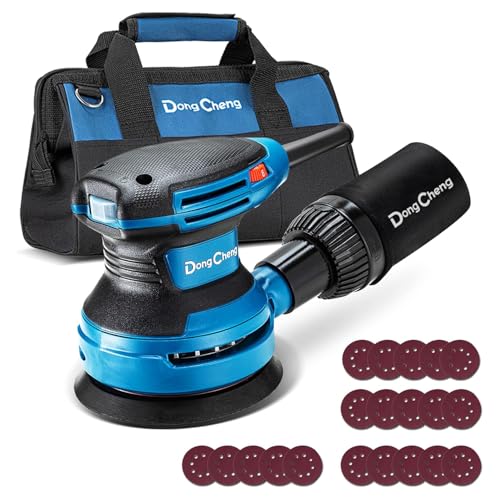
Dong Cheng 5-Inch Random Orbital Sander 3.2A

MAXXT Electric 5mm Random Orbital Sander, Brushless 350W 3A

Milwaukee M12 Fuel Orbital Detail Sander

VERVEWAVE Cordless Buffer Polisher Kit for Dewalt 20V Battery

16.8V Cordless Electric Sander with 36PCS Sandpapers

CORDLESS Random Orbital Sander for DEWALT 20v Battery 5-Inch
More Details On Our Top Picks
The WEN pick makes sense for garage projects that need a tidy, cordless setup without jumping into a heavy-duty monster. A brushless motor means fewer wear parts in the drive system, which usually matters for people who sand cabinets, shelving, or patio furniture in regular bursts. The included 20V Max 2.0 Ah battery and charger also lower the setup friction for first-time tool owners.
Compared with the corded MAXXT, this one trades raw endless runtime for easier movement around the workpiece. The 5-inch pad suits common trim and flat-panel work, though a 2.0 Ah pack is still a modest battery, so longer sessions may call for a spare. In a busy home shop, that trade-off feels reasonable rather than flashy.
Strong Points
- Brushless drive usually means smoother upkeep over time.
- Battery and charger included, so your setup stays simple.
- 5-inch pad fits common sanding jobs on furniture and trim.
- Cord-free handling helps around stairs, porches, and small rooms.
Things To Consider
- 2.0 Ah battery capacity may feel short for longer weekend projects.
- 5-inch format works best on general surfaces, not very tight corners.
- Brushless parts still need routine dust cleanup to stay smooth.
Feature Snapshot
Who It Suits Best
Home users who want a simple cordless sander for furniture, trim, and repaint prep fit this WEN well.
A Better Fit Elsewhere
The MAXXT Electric 5mm Random Orbital Sander, Brushless 350W 3A suits you better for longer, plug-in sanding sessions where steady power matters more than mobility.
The Dong Cheng leans into flexibility, which is handy for mixed chores like sanding a shelf one day and polishing a panel the next. Six speed settings give you more control over finish quality, and that matters because aggressive speed can leave marks on soft wood. The included 20 sanding sheets and detachable dust bag make it easier to get started without building a separate accessory pile.
Compared with the WEN, this one uses corded power, so you avoid battery charging but give up the easy roam-around feel. Owners who work at a bench or in a fixed shop setup usually get the most out of that trade. The 12800 OPM ceiling, meaning orbit motions per minute, gives the tool a lively feel for a 5-inch class sander.
What We Like
- Six speeds help you match the tool to different materials.
- 20 sanding sheets add useful starter coverage for new projects.
- Detachable dust bag helps keep the bench area cleaner.
- 5-inch format stays familiar for common woodwork and finish prep.
Small Caveats
- Corded use keeps you near an outlet.
- Dust bags still need regular emptying during longer sessions.
- Accessory count helps at the start, but you may still need specialty grits later.
Quick Facts
Built With In Mind
Shop users who want corded control with simple speed adjustment and starter accessories will get the most from this Dong Cheng.
Where A Sibling Pick Shines
The WEN Cordless Orbital Sander 20405 suits you better for stair work or any project that benefits from moving freely around the piece.
MAXXT feels built for steady, workbench-bound sanding where you care more about output than battery swaps. A brushless 350W motor gives this corded tool a strong power profile, and the 5mm orbit can leave a more noticeable cutting pattern than a smaller orbit on rougher surfaces. That makes it a useful choice for material removal before finish work starts.
Compared with the Dong Cheng, this model gives you a clearer power-forward setup and a larger 6-inch pad. That larger pad helps on panels and tabletops, though it can feel less nimble around curved edges. For a garage that handles larger boards, this one brings the most practical muscle in the list.
Highlights
- 350W brushless motor supports longer corded work sessions.
- 5mm orbit suits faster surface leveling than finer-detail tools.
- 6-inch pad covers broad panels efficiently.
- Ten sanding papers are included for immediate setup.
Room For Improvement
- 6-inch pad size can feel bulky on narrow trim.
- Corded layout keeps you tethered to a work area.
- More aggressive motion can demand a lighter touch on soft finishes.
Technical Sheet
Who Should Grab It
Home woodworkers who handle bigger boards and want a more forceful corded sander will feel at home with this MAXXT.
Look Elsewhere When
The HYCHIKA Detail Sander 140W suits tighter trim work and lighter repairs better than this larger MAXXT pad.
This Milwaukee shifts the focus from broad sanding to detail work, and that makes the 1.5 mm orbit diameter the key number here. Orbit diameter is the width of the sanding motion, so a smaller figure usually points to finer control in tight areas. Trim edges, cabinets, and awkward corners tend to benefit most from that kind of precision.
Compared with the WEN and MAXXT, you lose the large-pad all-purpose feel and gain a tool that seems purpose-built for smaller zones. One thing worth considering is that detail sanders ask for a steadier hand, especially around raised profiles. For finish work where finesse matters more than speed, this Milwaukee makes a convincing case.
What We Like
- 1.5 mm orbit supports careful detail sanding.
- Smaller format suits edges, corners, and trim profiles.
- Handy choice for cabinetry touch-ups and shaping work.
- Compact footprint helps in cramped work areas.
Worth Noting
- Detail focus limits its reach on wide flat panels.
- Smaller orbit can feel slower on rough stock.
- Best results usually come with a patient hand.
Details At A Glance
Made For
You fit this Milwaukee best when your projects involve trim, corners, and detailed shaping more than broad panel sanding.
Another Choice May Suit
The Dong Cheng 5-Inch Random Orbital Sander 3.2A suits general sanding work better when you want a more standard pad size.
The VERVEWAVE is less a general sander and more a polishing tool that happens to share some orbital logic with the rest of the list. It works with DeWalt 20V batteries, though the battery itself is not included, so this only makes sense for users who already live in that system. The 6-inch head and 17-piece accessory bundle make it feel ready for vehicle polishing or waxing duties.
Compared with the WEN, this one is more specialized and less about raw woodworking versatility. Variable speed from 1800 to 5500 RPM gives you a useful range for finish-sensitive car work, though tool-only packaging adds one more thing to manage. For garage detailers who already own the right battery platform, that setup can be a clean fit.
Plus Points
- Works with DeWalt 20V batteries already in your shop.
- Six-inch pad suits polishing larger curved surfaces.
- Wide speed range helps tailor the finish to the task.
- 17 accessories make the kit feel ready for vehicle care work.
Minor Gripes
- Battery not included, so platform ownership matters.
- Polisher focus makes it less useful for wood sanding.
- Accessory storage can get messy without a dedicated case.
Core Details
The Right Fit
Vehicle owners who already use DeWalt 20V batteries and want a dedicated polishing tool will get the most from this VERVEWAVE.
Swap It Out When
The WEN Cordless Orbital Sander 20405 suits you better for woodworking tasks where a bundled battery and charger matter more than polish-focused accessories.
Vkndoynt keeps this one simple, and that can work nicely for small jobs around the house. The 3.0Ah battery is a sensible size for a cordless starter kit, while 36 sanding sheets give you a decent spread of grits for wood, metal, and paint removal tasks. The lightweight, compact body should feel less tiring during quick touch-up sessions.
Compared with the WEN, this pick feels a bit more basic but also more straightforward for casual DIY use. The 3500 RPM figure is enough to signal a modest, controlled pace rather than a brute-force approach. In a cramped storage bench or a starter workshop, that restraint can be a good thing.
Bright Spots
- 36 sanding sheets cover a lot of starter needs.
- 3.0Ah battery gives you a useful middle-ground runtime profile.
- Compact body should store easily in tight spaces.
- Works across wood, metal, and paint-removal chores.
Areas To Watch
- Light-duty shape may not suit big renovation projects.
- Accessory piles need sorting to stay organized over time.
- Smaller tool bodies can feel less planted on rough panels.
Feature Card
Best Suited To
Casual DIY users who want a compact cordless sander for spot repairs and lighter home projects should feel comfortable with this Vkndoynt.
A Better Fit Elsewhere
The MAXXT Electric 5mm Random Orbital Sander, Brushless 350W 3A suits bigger sanding jobs better when corded power and a larger pad matter more.
HYCHIKA is aimed at detail work first, and that shows in the compact palm-sander layout and the focus on dust collection. Up to 13000 OPM, meaning oscillations per minute, gives it a brisk pace for small sanding tasks without turning the tool into a bulky machine. For cabinet edges, small repairs, and awkward corners, that sort of setup can be very convenient.
Compared with the Milwaukee, this one leans more into simple utility than premium detail-tool positioning. The 12 sanding sheets are a practical starter set, though the real win here is the efficient dust collection system that should help keep cleanup from taking over the job. You may find it especially useful in a small workshop where dust control matters as much as speed.
Reasons To Buy
- Compact palm-sander size helps around edges and tight zones.
- 13000 OPM supports quick removal on small surfaces.
- Dust collection system helps cut down on cleanup.
- 12 sanding sheets give you a usable starting pack.
Honest Caveats
- Detail format is not built for broad panel coverage.
- Smaller body can feel slower on large flat boards.
- Dust bags and collection parts need regular emptying and cleaning.
At A Glance
Whose Shelf It Belongs On
Home improvers who want a compact detail sander for corners, edges, and light woodworking jobs will get solid use from this HYCHIKA.
Reach For A Different Pick When
The Dong Cheng 5-Inch Random Orbital Sander 3.2A makes more sense for broader sanding where a standard pad size helps cover more ground.
KUWZTY keeps the pitch very focused, which suits anyone already invested in DeWALT 20V batteries. The 5-inch variable-speed body and dust collector make it feel like a familiar all-purpose shape for sanding and polishing, but the packaging note matters because the battery is not included. For a garage that already runs on that platform, the setup stays neat and straightforward.
Compared with the VERVEWAVE, this one is closer to a general sanding tool than a polish-first kit. The trade-off is simple, you gain a broader use case but still need to plan around the missing battery. That makes it a practical fit for platform owners who want another tool without changing their battery routine.
Best Bits
- Works with DeWALT 20V batteries already in use.
- 5-inch size suits familiar sanding and polishing tasks.
- Variable speed adds more control across materials.
- Dust collector helps keep the work area cleaner.
Softer Spots
- Battery is missing from the package.
- Platform-specific setup narrows the useful audience.
- Dust collector still needs periodic emptying.
Core Details
Who Will Love This
You fit this KUWZTY best when your shop already runs on DeWALT 20V batteries and you want a basic cordless random orbital sander.
Where Shoppers Go Wrong
The Milwaukee M12 Fuel Orbital Detail Sander suits more precise trim and corner work, so pick that route when detail matters more than a broader pad.
How To Choose The Right Cordless Random Orbital Sanders
Pad Size And Orbit Matter More Than Hype
A 5-inch pad is the familiar middle ground for most sanding around the house. A 6-inch pad covers more surface per pass, while a detail sander makes sense for corners, trim, and shaped edges. Orbit size matters too, because a smaller orbit tends to feel more controlled and a larger one usually leans harder into material removal.
Battery Setup Or Corded Power
Cordless models suit stairs, outdoor furniture, and projects that move from one spot to another. Corded tools make more sense in a fixed shop, especially when you want steady power for longer sessions without thinking about charge levels. Tool-only listings also demand attention, since platform compatibility can matter just as much as motor size.
Dust Control And Comfort
A dust bag or collector helps keep the work area cleaner, especially in enclosed rooms and garages. That said, dust systems still need emptying and cleaning, so they are a helper, not a substitute for cleanup. Weight, grip shape, and body size matter too, because a tool that feels fine for five minutes can get tiring during a full afternoon.
Accessory Value Versus Real Use
Included sanding sheets, polishing pads, or starter accessories can save time at the beginning. The catch is that bundled extras sometimes cover only the basics, so you may still need special grits or replacement discs later. Your best fit depends on whether you want a ready-to-use kit or a bare tool that matches gear you already own.
Before You Click Buy
Wrong Turns To Avoid
A common mistake is chasing a larger accessory bundle while ignoring whether the tool suits your actual projects. Another is overlooking battery inclusion, especially with platform-specific tools that ship bare. Pad size, dust handling, and speed control usually tell you more about day-to-day satisfaction than a long list of marketing extras.
The Upgrade Payoff
Higher-tier models usually cost more because of brushless motors, stronger housings, better vibration control, or broader speed ranges. That extra spend makes sense for repeated weekend use, larger panels, or detail work that needs a steadier feel. For occasional touch-ups, a simpler pick often does the job with less fuss.
Frequently Asked Questions
Are cordless random orbital sanders good for furniture work?
Yes, especially for tabletops, chairs, shelving, and cabinet faces where a cord gets in the way. A 5-inch model usually gives you the most familiar balance for that kind of work.
Do you need variable speed?
Variable speed helps a lot because soft wood, painted surfaces, and polishing tasks all ask for different pace. It gives you more control over finish quality and lowers the chance of overworking one spot.
What does brushless mean on a sander?
Brushless refers to a motor design that skips carbon brushes, which are common wear parts in older tools. In practice, that often points to less maintenance attention and a smoother long-term feel.
Is a dust bag enough?
A dust bag helps, but it rarely handles everything on its own. For indoor projects, you still need regular cleanup and periodic emptying of the collection system.
Which size is better, 5-inch or 6-inch?
A 5-inch tool feels more familiar and versatile for most home sanding jobs. A 6-inch pad covers more ground, so it fits larger flat surfaces better.
Closing Remarks
You get the most from this category when the tool matches your project style instead of chasing the biggest spec sheet. Cordless models suit movement and convenience, while corded tools still shine in a fixed workshop. Detail sanders belong in tighter spaces, and larger pads make better sense on broad panels. Choose the shape that fits your workbench, and the rest gets easier.




