Cordless reciprocating saws earn their keep in trim-outs, demo days, yard work, and the odd repair that shows up uninvited. You want enough power for wood, PVC, and metal tubing, plus a shape that doesn’t feel awkward once the cut gets tight. This roundup narrows the field to compact one-hand models, heavier kits with larger batteries, and bare tools for an existing platform.
Some picks lean toward comfort in cramped spaces, while others feel better suited to longer cuts and tougher materials. That mix matters more than glossy marketing, because the right saw for a weekend shelf project is not always the right saw for a fence teardown. The notes below keep that distinction front and center.
Quick Look At The Shortlist

DEWALT 20V MAX* Cordless Reciprocating Saw Kit (DCS387P1)
BOSCH PS60-102 12V Max Pocket Reciprocating Saw Kit

Cordless Reciprocating Saw With 8 Blades, 2×4000mAh Batteries

BOSCH CRS180B 18V 1-1/8 In. D-Handle Reciprocating Saw

SEESII Reciprocating Saw Cordless, Variable Speed 3500 RPM
SEESII Cordless Reciprocating Saw, Brushless Motor with 8 Saw Blades

CRAFTSMAN V20 Cordless Reciprocating Saw Kit, 3,000 RPM

Makita XRJ08Z 18V LXT® Lithium-Ion Brushless Cordless Compact One-Handed Recipro Saw
More Details On Our Top Picks
That 5Ah battery gives this DEWALT kit more staying power than the compact picks lower on the list, and that matters during demo sessions or long repair runs. The body format also tends to suit two-handed control better than pocket-sized saws, so you get a steadier feel on tougher cuts.
For most renovation jobs, that mix lands well. The honest trade-off is size, since a fuller kit is less nimble in tight cabinet spaces than the BOSCH PS60-102.
What We Like
- 5Ah battery supports longer stretches between swaps.
- Feels better balanced for fuller, tougher cuts.
- Useful choice for remodel work and yard cleanup.
- Stands up well when the job runs long.
Things To Consider
- Bigger kit size can feel less nimble in confined spots.
- More weight to manage during overhead work.
Feature Snapshot
Who It Suits Best
Home remodelers and regular DIY users who want a fuller kit with more staying power will get the most from it.
A Better Fit Elsewhere
BOSCH PS60-102 suits trim work and cramped utility spaces better, especially for anyone who wants a smaller tool in one hand.
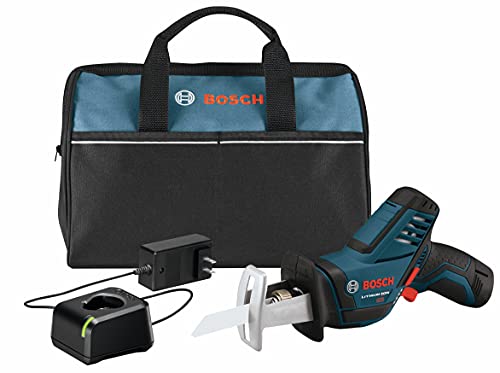
The pocket-style shape sets this BOSCH apart right away, and that small footprint helps in under-sink repairs, cabinet cutouts, and other cramped spots. A 12V platform usually signals a lighter feel than the DEWALT above, which is exactly why this one makes sense for close-quarters work.
You may find it less suited to rough demolition than the larger 20V kits, but that is the trade-off for easier handling. For anyone who values access more than brute force, it lands in a very sensible place.
Highlights
- Compact body fits narrow work areas well.
- Lighter feel helps reduce fatigue on small jobs.
- Good match for maintenance and trim repairs.
- 12V format keeps the tool easy to manage.
Small Caveats
- Less suited to heavy tear-out than larger saws.
- Small size can feel less planted on aggressive cuts.
- Best results come in shorter, controlled tasks.
Core Details
Made For
Technicians, apartment repairs, and anyone working in tight access zones will appreciate the small-body format.
Where A Sibling Pick Shines
DEWALT DCS387P1 is the better match for longer cuts and heavier remodeling, especially once runtime matters more than compact size.
This bundle leans hard into convenience, with two 4.0Ah batteries and eight blades already in the box. That means you’re less likely to stall on a first project because a blade is missing or the battery needs a swap.
The brushless motor, which uses less friction than brushed designs, adds to the appeal for routine DIY cutting. The trade-off is that the overall package feels more like a well-equipped starter setup than a refined pro tool.
Upsides
- Two batteries help you keep working while one charges.
- Eight blades add useful coverage for different materials.
- Brushless motor often means better efficiency and cooler running.
- Good fit for first-time tool kits and home projects.
Areas To Watch
- Bundle focus may matter more than premium handling.
- More accessories can mean more pieces to store and track.
Feature Rundown
Built With In Mind
Weekend DIYers and new tool owners who want a ready bundle with fewer follow-up purchases will find this easy to start with.
Another Choice May Suit
CRAFTSMAN V20 CMCS300M1 is the cleaner fit for a simpler kit from a bigger tool platform, especially for everyday household tasks.
The D-handle shape changes the feel of this BOSCH right away, giving you a grip that many people prefer for controlled, two-handed work. A 1-1/8 inch stroke, meaning the blade moves a little farther each cycle, usually helps on faster material removal than a shorter-stroke compact saw.
That makes it a strong match for tougher demo tasks and anyone who already lives in an 18V tool ecosystem. It is less about nimble overhead use and more about getting real work done with a steadier hold.
Best Bits
- D-handle layout offers a stable, familiar grip.
- 1-1/8 inch stroke suits more forceful cutting.
- Good option for users already on 18V tools.
- Feels appropriate for heavier teardown jobs.
Room For Improvement
- Bare-tool format means batteries and charger are separate.
- Bulkier shape can feel less handy in tight spots.
- Better for control than for one-hand convenience.
Details At A Glance
Right Fit For
Hands-on DIYers and remodel crews who want a stable grip and already own compatible batteries will get the most from it.
Look Elsewhere When
Makita XRJ08Z makes more sense for one-handed overhead work or frequent use in cramped spaces.
The LED light and two 4.0Ah batteries make this SEESII kit feel ready for real garage work, not just a one-off cut. Variable speed helps you slow things down for cleaner starts on PVC and speed up once the blade settles into wood.
Compared with the bundle-first olmlmo option above, this one feels a touch more focused on everyday usability. You may still want a hard case or better storage plan, because accessory-rich kits can get messy fast.
Bright Spots
- LED light helps in dim basements and utility spaces.
- Two batteries support longer sessions.
- Variable speed adds control across common home tasks.
- Tool-free blade swaps keep the workflow moving.
Worth Noting
- Accessory-heavy kits need a tidy storage habit.
- Best suited to common DIY materials, not specialized trade use.
Quick Facts
Who Should Grab It
Homeowners handling repairs, pruning, and light demo work will appreciate the mix of runtime and visibility.
Where A Sibling Pick Shines
BOSCH PS60-102 is the smarter call for a smaller body that slips into tighter access points more easily.
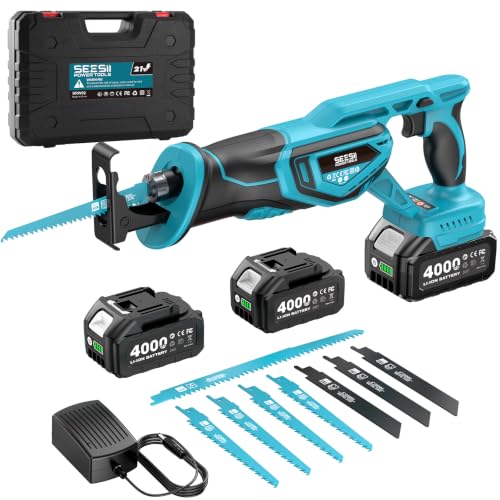
The adjustable shoe gives this SEESII a more planted feel against the workpiece, which can help during longer cuts in wood or PVC. That detail is easy to overlook, yet it matters when you want the blade to track with less wandering.
Its brushless motor and 3,500 RPM class speed put it in the same practical neighborhood as the previous SEESII kit, but the added shoe makes it the more controlled choice. For more precise home repairs, that little bit of extra support is worth noticing.
Reasons To Buy
- Adjustable shoe adds steadier blade contact.
- Brushless motor supports efficient use.
- Two batteries help with longer project stretches.
- Eight included blades add practical flexibility.
Softer Spots
- Better for controlled work than aggressive demolition.
- Accessory count can take extra drawer space.
Core Details
Perfect Match For
Detail-minded DIYers who want a bit more control in cutting wood and PVC will appreciate this setup.
Swap It Out When
DEWALT DCS387P1 is the better fit for bigger renovation work that asks for more staying power than finesse.
The 1-inch stroke length gives this CRAFTSMAN a straightforward, workmanlike feel, and that suits general cutting better than flashy specs do. At 3,000 RPM, it sits in a comfortable middle ground for household fixes, light tear-out, and quick trim work.
Because the kit includes the battery and charger, it’s easier to slot into a garage shelf without hunting for extras. The trade-off is that it doesn’t stand out on raw feature density the way the SEESII bundles do.
Plus Points
- Included battery and charger simplify setup.
- 1-inch stroke supports steady cutting progress.
- Good everyday fit for around-the-house jobs.
- Familiar V20 platform helps for tool sharing.
Points To Note
- Less feature-rich than the accessory-heavy bundles.
- Better as a generalist than a specialty saw.
Technical Sheet
Whose Shelf It Belongs On
Household DIYers who want a simple, complete kit with familiar controls will feel at home here.
Reach For A Different Pick When
Makita XRJ08Z makes more sense for overhead work, one-handed handling, and tighter spaces.
The compact one-handed layout makes this Makita feel very different from the D-handle Bosch above, and that difference shows up fast on ladders, overhead trim, and awkward access points. The keyless spring-assist blade ejection, which helps push the blade out without fuss, keeps changes moving more cleanly.
Its shorter 7/8 stroke and 0 to 3,100 spm range point it toward control rather than brute force. For mobile tradespeople or homeowners who value maneuverability, that’s a strong trade, even though it gives up some raw cutting reach to larger saws.
Standout Traits
- One-handed design helps in overhead and cramped spots.
- Brushless motor suits regular use and better control.
- Keyless blade ejection speeds up changes.
- Compact size is easy to store and carry.
Minor Gripes
- Shorter stroke favors control over aggressive removal.
- Tool-only format means batteries are separate.
- Best fit comes from light-to-medium cutting tasks.
Feature Card
Best Suited To
Traveling tradespeople, remodel helpers, and anyone working above shoulder height will appreciate the compact one-hand format.
Where Another Pick Suits Better
BOSCH CRS180B is the stronger fit for users who want a larger D-handle grip and a more forceful cutting stance.
How To Choose The Right Cordless Reciprocating Saws
Match Power To The Job
Battery voltage and motor type shape how a saw feels under load. Higher-voltage kits usually suit demolition, fence work, and thicker stock, while smaller 12V tools feel easier in cabinets, crawl spaces, and overhead spots.
Brushless motors, which reduce internal friction compared with brushed designs, often give you better efficiency and less heat during longer sessions. For a weekend fix, that extra refinement may not matter much, but it starts to matter once the cut list grows.
Look Closely At Stroke And Speed
Stroke length is the distance the blade travels each cycle, and it affects how fast material comes off. A longer stroke often feels more aggressive, while a shorter stroke gives you more control in tight spots or near finished surfaces.
Speed range matters too, especially for mixed jobs. A variable-speed saw helps you start cuts gently in PVC, then step up for wood or thin metal without feeling as though the tool is fighting you.
Think About Grip, Weight, And Reach
Handle style changes the whole ownership experience. D-handles can feel steadier for two-handed work, while compact one-hand designs make sense on ladders, in attic joists, and anywhere your second hand needs to steady the material.
Weight matters more than most spec sheets admit. A saw that feels fine on a bench can wear on your forearms during overhead work, so balance and body length deserve as much attention as raw speed.
Don't Ignore The Kit Details
Some saws arrive as bare tools, which suits anyone already invested in a battery platform. Others include batteries, chargers, or blade bundles, and those extras can save you from piecing together a usable setup later.
Storage and blade change style matter too. Tool-free blade swaps and a sensible place for extra blades make the saw easier to live with, especially in a garage that already holds too many loose parts.
Things Worth Knowing First
Common Shopping Slip Ups
A lot of people fixate on speed and forget the shape of the tool. A saw with plenty of power can still feel awkward in a tight utility room, so the handle style and overall length deserve a close look.
Another common miss is buying a bare tool without checking the battery platform first. That works only when your shelves already hold compatible packs and a charger.
When Paying More Pays Off
Higher-tier models usually cost more because of brushless motors, stronger batteries, better balance, and tighter control features. Those upgrades matter most during regular use, long cutting sessions, or jobs where fatigue starts to creep in.
For occasional pruning or one repair a season, a simpler kit can make more sense. For regular remodeling or trade work, the extra spend often shows up in comfort and consistency.
Frequently Asked Questions
What size saw works best for home projects?
A compact 12V or one-handed saw suits small repairs, trim cuts, and tight access work. Larger 18V kits feel better for longer cuts and tougher materials.
Do I need brushless motor tech?
Not always, but brushless motors often help with efficiency and runtime. That makes them useful for longer sessions or more frequent use.
What does stroke length change?
Stroke length affects how much blade movement happens each cycle. Longer strokes usually remove material faster, while shorter ones feel easier to steer.
Is a kit better than a bare tool?
A kit works better for a first setup because it usually includes the battery and charger. A bare tool makes sense only when you already own compatible packs.
Which saw type works best for overhead cutting?
A compact one-handed model usually feels easier to manage above shoulder height. A heavier D-handle saw can feel steadier, but it asks more from your arms.
Closing Thoughts
The right cordless reciprocating saw depends less on brand hype and more on how you work. A compact Bosch or Makita helps in cramped spaces, while the DEWALT and BOSCH 18V models make more sense for bigger tasks and longer cuts. The SEESII and CRAFTSMAN kits cover the middle ground well, especially for household projects that need a straightforward setup. Choose the shape and battery setup that fit your job list, and you’ll end up with a tool that earns shelf space instead of collecting dust.