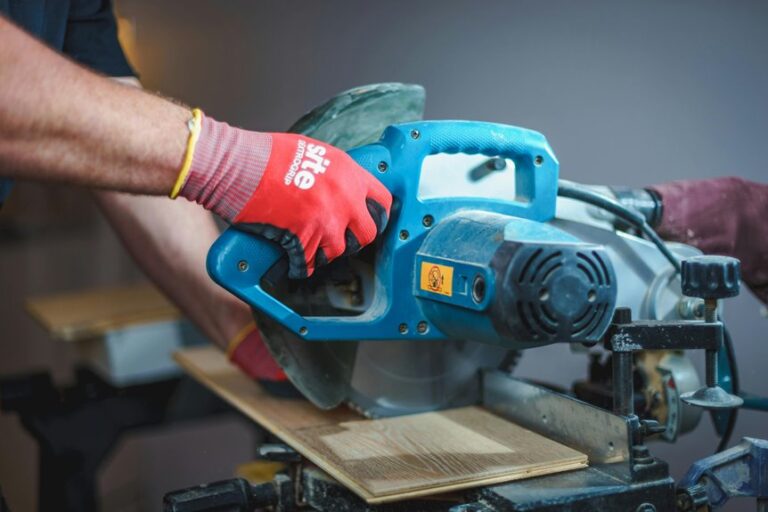
Cordless cutting gets easier when the saw matches the job. Some of these picks suit framing lumber and deck work, while others make more sense for trim, sheet goods, or tighter shop spaces. You’ll also see a few clear trade-offs, because a lighter saw usually gives up reach, and a heavier one usually gives up convenience.
The Shortlist At A Glance

DEWALT FLEXVOLT 60V MAX Circular Saw Kit DCS577X1

SKIL 14 Amp 7-1/4-Inch Circular Saw 5180-01

Makita XSR01PT 36V LXT Brushless Rear Handle 7-1/4 Circular Saw Kit

WORKPRO 20V Cordless Mini Circular Saw 4-1/2-Inch
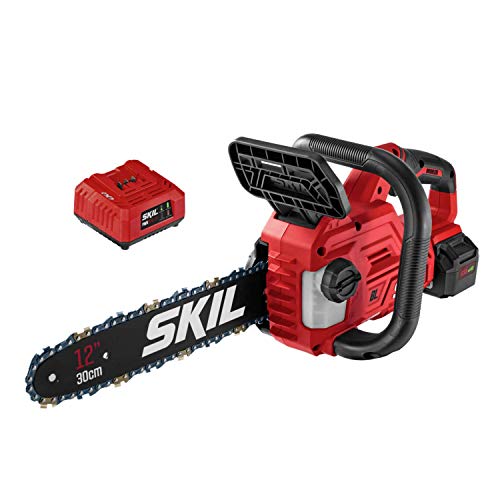
SKIL PWR CORE 20 Brushless 20V 12-Inch Lightweight Chainsaw Kit CS4562B-10

Makita XSR01Z 36V LXT Brushless Rear Handle 7-1/4 Circular Saw
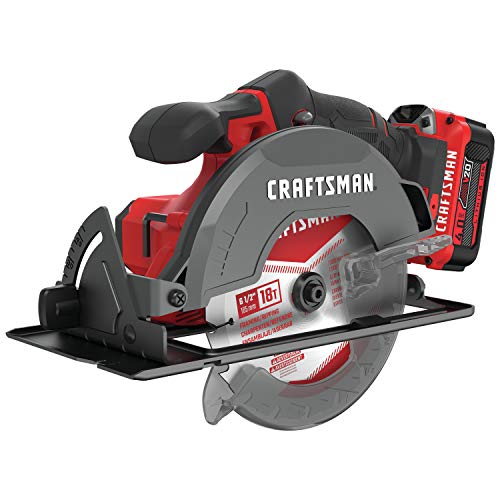
CRAFTSMAN V20 Cordless Circular Saw Kit 6-1/2-Inch CMCS500M1

DEWALT 20V MAX Circular Saw DCS565P1 6-1/2-Inch
More Details On Our Top Picks
This is the kind of saw you notice most on framing jobs, where a rear handle and worm-style layout usually matter more than a compact body. The 7-1/4-inch blade format gives you the reach you’d want for lumber, and the FLEXVOLT setup fits a work-first rhythm rather than a hobby-only one.
Compared with the smaller WORKPRO and CRAFTSMAN picks, this DEWALT leans into heavier work and less into easy carry. For a long day of repetitive cuts, that extra mass can feel like a steadier hand on the line, though it won’t be the friendliest choice for quick shelf installs.
Strong Points
- Rear-handle layout supports more controlled push-through cutting.
- 7-1/4-inch blade size suits common framing lumber and sheet goods.
- Worm-style build points toward jobsite-minded handling.
- FLEXVOLT battery format suits users already in that ecosystem.
- Good fit for repeated cuts where steadiness matters.
Things To Consider
- Heavier, more forceful saws take more storage room and carry space.
- Less appealing for quick overhead or one-handed repositioning.
- The larger format may feel like more tool than a weekend-only project needs.
Feature Rundown
Who Will Love This
Framing crews, remodelers, and serious DIYers who cut thicker stock and want a cordless saw with a more planted feel will get the most from it.
Where A Sibling Pick Shines
DEWALT DCS565P1 suits you better for lighter household work, especially where a 6-1/2-inch saw feels easier to store and move around.
For workshop shelves, deck boards, and the occasional remodel cut, this SKIL keeps the setup straightforward. It’s corded rather than cordless, so you get a very different ownership story than the first DEWALT, with no battery management in the way.
That trade-off makes sense in a garage or basement shop where a wall outlet stays within reach. The honest read is that it suits steady home use better than roaming jobsite work, and that’s perfectly fine for a lot of people.
What We Like
- 14-amp motor points to dependable plug-in cutting power.
- 7-1/4-inch blade size keeps it aligned with common lumber work.
- Straightforward layout works well for routine cuts in one place.
- No battery charging to plan around.
Room For Improvement
- The cord limits how far you can roam from an outlet.
- Less convenient for outdoor jobs away from the garage.
- Bulk and cable handling can matter in smaller storage areas.
Core Details
Made For
Homeowners who mainly cut in one workshop or garage will find the corded setup easier to live with than a battery-powered saw.
A Better Fit Elsewhere
CRAFTSMAN CMCS500M1 suits you better for portable home projects, since it brings a cordless format and battery pack into the mix.
This Makita kit sits in the serious-work lane, especially for you who want rear-handle control with cordless freedom. Dual 18V batteries make the 36V setup feel like a heavy-duty platform rather than a small job trim tool, and that shows up most on repeated lumber cuts.
Compared with the DEWALT FLEXVOLT pick, this one feels more like a polished system choice than a muscle-first outlier. The electric brake adds a useful layer of convenience, though the larger kit size means you’re paying for capability you may not need for weekend shelves.
Highlights
- Brushless motor design tends to run efficiently and with less wear-prone contact.
- Rear-handle format suits steadier two-handed control on longer cuts.
- Two 5.0Ah batteries and dual-port charging support a more complete kit feel.
- 5,100 rpm speed is a solid fit for fast, clean forward progress.
- 2-9/16-inch cutting depth helps with thicker stock.
- Electric brake brings the blade to a stop more quickly after the trigger releases.
Points To Note
- The dual-battery format takes more space in a toolbox or truck bin.
- For lighter DIY jobs, this setup can feel like more saw than needed.
- The rear-handle style rewards proper grip, so casual one-handed use is not the point.
Spec Overview
Perfect Match For
Pros, serious remodelers, and committed DIYers who cut structural lumber or larger stock will get the most from this kit.
Look Elsewhere When
WORKPRO B0C27CF6JC suits you better for compact indoor work, especially where a smaller 4-1/2-inch saw is easier to steer.
This one is built for tighter spaces, quick trim work, and the kind of jobs where a full-size saw would just feel awkward. The 4-1/2-inch blade, laser guide, and 4.0Ah battery make the package feel nimble, almost like a pocketable version of the bigger saws above.
Compared with the Makita and DEWALT 7-1/4-inch picks, the WORKPRO gives up depth and broad-job confidence to gain maneuverability. That trade-off makes sense for apartment repairs, shelf work, and light material cuts where storage space matters as much as output.
Positives
- Small body makes it easier to manage in cramped work areas.
- Laser guide helps you keep a cleaner visual cut line.
- Three included blades add flexibility for different materials.
- 4.0Ah battery and fast charger support a ready-to-go kit feel.
- Depth numbers for 90 degrees and 45 degrees help you plan angle cuts more easily.
Softer Spots
- The shorter blade reach limits it for heavier framing tasks.
- Compact tools often need a steadier hand on longer runs.
- Blade swaps and small-tool storage deserve a little extra care so parts stay together.
Details At A Glance
Right Fit For
DIYers in small homes, apartment setups, or trim-heavy projects will appreciate how easy this saw is to store and maneuver.
Swap It Out When
DEWALT DCS577X1 suits you better for framing and deeper cuts, since it offers a much more worksite-focused build.
Strictly speaking, this is a chainsaw rather than a circular saw, but it belongs in the cordless-cutting conversation for yard work and branch cleanup. The tool-free chain tension setup and auto lubrication make it easier to keep on hand for home maintenance, especially around a busy yard where fiddly adjustments get old fast.
Compared with the circular saws in this roundup, it solves a different problem entirely, so the fit depends on your task more than your brand loyalty. The included battery and charger keep the kit complete, and the honest trade-off is that chain care still matters more here than on a blade-based saw.
Best Bits
- Brushless motor suits a lower-maintenance cordless yard tool.
- Tool-free chain tension is a real convenience during routine upkeep.
- Auto lubrication helps reduce the need for constant manual oil checks.
- 12-inch bar size works well for pruning and light cutting chores.
- Battery and charger are included, which keeps the setup complete.
Worth Noting
- Chain tools need more regular cleaning than a circular saw.
- The job focus is outdoor trimming, not sheet goods or carpentry cuts.
- Storage and transport need a little more attention because of the bar and chain.
Feature Snapshot
Who Should Grab It
Homeowners handling branches, storm cleanup, and regular yard trim will get more use from this than from any circular saw here.
Another Choice May Suit
SKIL 5180-01 is the better match for garage cutting and lumber work, since it stays in the circular saw lane.
This version trims the kit down to the tool only, which makes sense for anyone already living inside Makita’s LXT system. The rear-handle, brushless, 7-1/4-inch formula still points at demanding cuts, but now you’re choosing compatibility over a bundled start.
Compared with the XSR01PT kit, the main difference is obvious: you’re not paying for batteries and a charger you may already own. That makes it a cleaner upgrade path for existing Makita users, though it’s less convenient for a first-time setup.
Positives
- Brushless rear-handle design supports steady, jobsite-style control.
- Tool-only format helps existing Makita users avoid duplicate gear.
- 7-1/4-inch blade class suits common framing and remodel cuts.
- 36V setup from two 18V packs points to strong cordless output.
Minor Gripes
- You need compatible batteries and a charger to get started.
- The format favors serious cutting work over casual shelf duty.
- Tool-only packaging adds a little planning around storage and kit building.
Quick Facts
Built With In Mind
Existing Makita LXT users who want a higher-output rear-handle saw without another pile of accessories will get the most from this one.
Reach For A Different Pick When
Makita XSR01PT suits you better for a full start-up kit, especially when you need batteries and charging hardware included.
For home repairs, quick plywood cuts, and general weekend use, this CRAFTSMAN feels very approachable. The 6-1/2-inch blade size keeps it smaller than the big 7-1/4-inch workhorses, which is handy when your projects happen in a garage, basement, or crowded shed.
Compared with the WORKPRO mini saw, it gives you a more familiar full-size-cordless balance without getting bulky. The included battery and charger are a practical plus, though the smaller blade means you should expect a lighter duty range than the DEWALT framing saws.
Upsides
- Cordless kit format makes it easy to keep ready for household jobs.
- 6-1/2-inch blade size keeps the tool manageable without going ultra-compact.
- Battery and charger in the box simplify a first setup.
- Good middle ground for weekend work and repair projects.
Areas To Watch
- It does not lean into heavy framing the way 7-1/4-inch saws do.
- Blade size can feel modest for larger sheet breaks.
- Keeping the battery charged matters more than with corded options.
At A Glance
The Right Fit
Homeowners and casual DIYers who want a cordless saw for regular around-the-house projects will likely feel comfortable with this one.
Skip It When
DEWALT DCS577X1 is the stronger fit for heavier framing work, since it brings a much more rugged rear-handle setup.
This DEWALT sits in the middle of the pack in a useful way, because it balances cordless convenience with a more compact 6-1/2-inch blade. For renovations, deck repairs, and general household cuts, that kind of middle ground often feels easier to live with than a heavier framing saw.
Compared with the CRAFTSMAN kit, this one plays in a similar daily-use lane but with DEWALT’s more work-focused personality. The trade-off is simple, you get a little less reach than the 7-1/4-inch models, but you also get a saw that stays friendlier in tighter storage spots.
Reasons To Buy
- 6-1/2-inch format keeps the saw manageable for mixed home use.
- Cordless kit setup suits quick jobs away from an outlet.
- Good balance for people who want less bulk than a framing saw.
- Battery and charger inclusion make the package more complete.
Small Caveats
- The smaller blade size is a real limitation for deeper cuts.
- Battery upkeep becomes part of regular ownership.
- Heavier lumber tasks still point you toward the 7-1/4-inch models.
Feature Card
Whose Shelf It Belongs On
DIYers who want a practical cordless saw for day-to-day repairs and light remodeling will appreciate the balance here.
Where Another Pick Suits Better
Makita XSR01PT is the stronger choice for users who need a more forceful rear-handle kit for heavier cuts.
How To Choose The Right Cordless Skill Saws
Blade Size Sets the Job Range
A 7-1/4-inch saw reaches deeper and usually feels more natural for framing, decking, and sheet-good breakdowns. A 6-1/2-inch model gives you a lighter, easier carry for household repairs, while a 4-1/2-inch mini saw stays nimble in tight spaces. The trade-off is plain: more reach usually means more tool to manage.
Battery Platform Matters More Than Many People Think
Cordless saws live or die by the batteries you already own. DEWALT FLEXVOLT and Makita LXT make the most sense when you’re already tied to that platform, because extra packs and chargers add cost and storage clutter. A kit with battery and charger is friendlier for a first setup, while a tool-only version fits an established system better.
Handle Style Changes Control
Rear-handle saws suit longer cuts and steadier two-handed work, especially on framing lumber. Side-handle and compact designs feel easier for quick household tasks or overhead cuts. The bigger the job, the more that grip shape starts to matter, like steering wheels on different vehicles.
Match the Saw to Your Space
Garage shops, basements, and crowded sheds usually favor smaller or mid-size cordless saws. Open framing work, outdoor builds, and repeated cuts point you toward the heavier 7-1/4-inch class. You’ll feel the difference in setup time, storage, and how often you reach for the tool in the first place.
What To Weigh Before You Buy
Common Shopping Slip Ups
A lot of people overbuy blade size for simple home jobs. That can leave you with a saw that stores badly and feels tiring on quick cuts. It also helps to check whether you already own batteries for that brand, because starting from scratch changes the real cost and the amount of clutter in your tool area.
Where The Extra Money Goes
Higher-tier cordless saws usually spend more on stronger motors, brushless designs, better battery systems, and more refined handles. That extra cost makes sense for frequent framing, repeated remodel work, or long sessions where consistency matters. For occasional shelf building, a simpler kit often covers the need without the extra bulk.
Frequently Asked Questions
Are cordless skill saws good for framing?
Yes, the larger 7-1/4-inch models handle framing lumber well and stay closer to what jobsite work expects. Smaller saws still help, but they fit lighter cuts and tighter spaces better.
What blade size should you start with?
A 6-1/2-inch saw gives you a practical middle ground for home use. A 7-1/4-inch saw makes more sense for heavier cuts and more demanding material.
Is a brushless motor worth it?
Brushless motors usually make sense for frequent use because they pair well with cordless efficiency and reduced wear-prone contact. For occasional projects, a brushed model can still be enough.
Do I need a kit or a tool-only saw?
A kit works better when you do not already own the battery system. Tool-only models fit best when you already have compatible packs and a charger.
What matters most for storage?
Blade size, battery count, and handle shape all affect how easily the saw fits on a shelf or in a job box. Compact models and tool-only packages usually store with less fuss.
Closing Thoughts
You have a wide spread here, from compact home-use saws to serious rear-handle cutting tools. The right choice depends less on brand names and more on how often you cut, what you cut, and where you keep the saw between jobs. For framing and lumber, the DEWALT and Makita 7-1/4-inch picks feel most purpose-built. For lighter household work, the CRAFTSMAN, DEWALT 6-1/2-inch model, and WORKPRO mini saw are easier to live with.