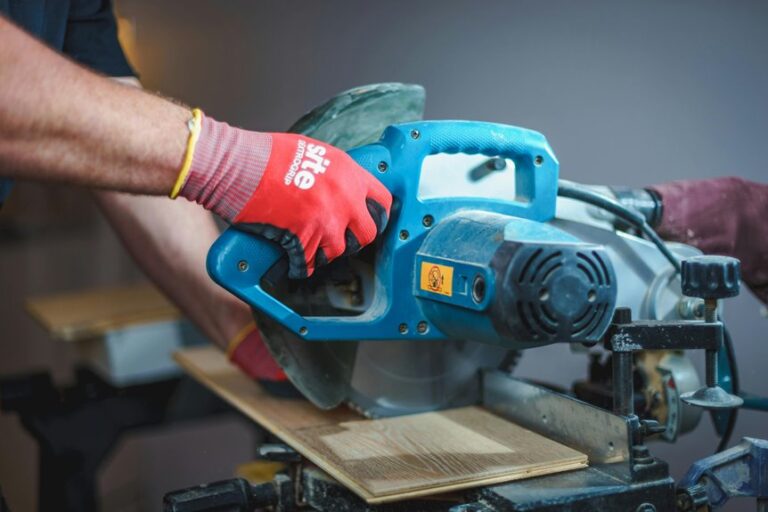
Cordless work can make a cramped garage, a half-finished deck, or a jobsite with awkward outlet access feel much easier to manage. The picks below lean on portable saws, compact cutters, and a few larger cordless-style options that fit the same shopping moment, especially when you want less cord clutter and more mobility. You’ll see which models suit trim work, sheet goods, rough framing, and quick cuts around the house. The trade-offs are real, so each one gets a straight read on strengths, limits, and who gets the most from it.
Quick Look At The Shortlist
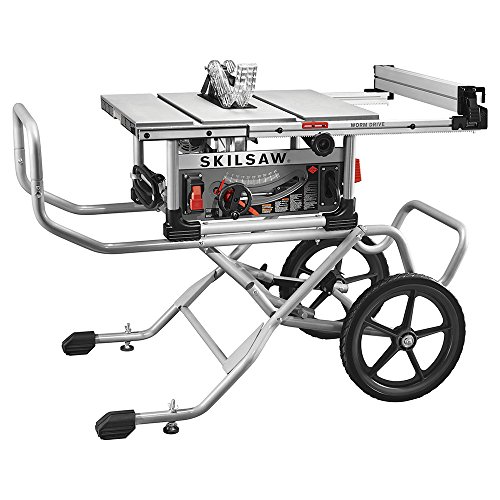
SKIL 10 Inch Heavy Duty Worm Drive Table Saw SPT99-11
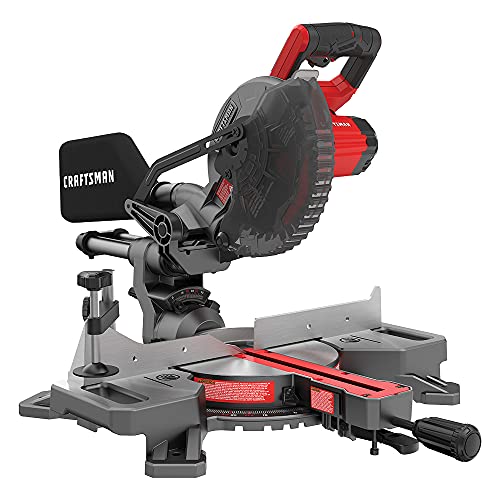
CRAFTSMAN V20 Cordless Sliding Miter Saw CMCS714M1

DOVAMAN Updated 10-Inch Sliding Miter Saw 3 TCT Blades

WORKPRO 20V Cordless Mini Circular Saw 4-1/2 inch

SEESII Cordless Reciprocating Saw 3500 RPM Brushless

Metabo HPT 10-Inch Single Bevel Compound Miter Saw C10FCG2

Dremel Blueprint Portable Saw Station CS12V-S1C

DEWALT FLEXVOLT 60V MAX Table Saw 8-1/4-Inch DCS7485T1
More Details On Our Top Picks
The worm drive layout gives this SKILSAW a more serious stance than the smaller cordless-style options in the list. That matters in a garage or on a rough jobsite, where stability and cut confidence often matter more than shaving a few pounds.
The included stand makes storage and setup easier, though the whole package still leans toward a tool you park in the truck rather than carry with one hand. For frame work, deck work, and repeat rip cuts, that trade feels reasonable.
Strong Points
- Worm drive gearing suits heavier cutting loads.
- Stand support helps with jobsite setup.
- Ten-inch blade size gives broad material flexibility.
- Feels better matched to demanding work than the compact saws here.
Things To Consider
- Less about quick carry, more about committed transport.
- Storage takes more room than the mini saws and station-style picks.
- The heavier build can be tiring for frequent moving between spots.
Key Specs
Who It Suits Best
DIYers who split time between garage builds and outdoor framing work will get the most from it.
A Better Fit Elsewhere
DEWALT FLEXVOLT 60V MAX Table Saw DCS7485T1 suits anyone who wants cordless table-saw mobility with a more modern battery system.
This CRAFTSMAN leans into portability without feeling stripped down. The 3,800 RPM motor, a measure of blade speed, points to smoother progress through common trim and dimensional lumber tasks, and the included battery plus charger make the first setup simpler.
Its sliding action expands crosscut reach, so you can handle wider boards than a fixed compact saw would allow. For weekend trim, baseboard work, and light remodeling, that balance makes sense, though single bevel behavior keeps it less flexible than some larger shop saws.
What We Like
- Battery and charger are included for easier starting.
- Sliding motion opens up wider crosscuts.
- 7-1/4-inch format stays friendlier for moving around the house.
- Motor speed suits common cutting tasks in trim and lumber.
Worth Noting
- Single bevel design limits angle work compared with dual-bevel saws.
- Smaller blade format asks for more patience on deeper stock.
- Dust collection and blade upkeep matter more in tight indoor spaces.
Feature Snapshot
Right Fit For
Home remodelers who want a cordless saw for trim, baseboard, and general finish work will appreciate the size and reach.
Another Choice May Suit
Metabo HPT 10-Inch Single Bevel Compound Miter Saw C10FCG2 suits you better when precision angle work matters more than battery portability.
Where the CRAFTSMAN keeps things straightforward, this DOVAMAN leans into flexibility. Three TCT blades, meaning tungsten carbide tipped blades, help it cover more materials without making you feel locked into one kind of job.
The ambidextrous layout and laser guide matter in a busy garage where left-handed and right-handed use can both happen, sometimes in the same week. The honest read is that it suits hands-on owners who want more setup options and fewer compromises around cut style.
Highlights
- Three included blades broaden material coverage.
- Laser guide helps line up visible cut paths.
- Ambidextrous use suits shared shops and mixed-handed setups.
- Nine positive stops speed repeat angle work.
- Large maximum cut size helps with wider stock.
Points To Note
- More features can mean more to learn before the first project.
- The wider footprint may feel less friendly on crowded benches.
- Blade changes and cleaning deserve regular attention in dusty shops.
Details At A Glance
Built With In Mind
You get the most from it in a mixed-material shop where you switch between trim, boards, and other home-project cuts.
Where A Sibling Pick Shines
CRAFTSMAN V20 Cordless Sliding Miter Saw CMCS714M1 suits simpler weekend work better when you want a lighter, less feature-heavy setup.
Compared with the sliding miter saws above, this WORKPRO is the small-space option that keeps clutter down. A 4-1/2-inch blade and 20V battery format make it easier to grab for quick cuts in a garage, apartment workshop, or around a remodel that keeps changing rooms.
The laser guide and included blades help it feel more complete than a bare-bones mini saw, though depth of cut remains the trade-off. For shelf work, thin plywood, and light trim, it feels like a sensible helper rather than a full replacement for a larger saw.
Upsides
- Compact body is easier to store in tight spaces.
- 4.0Ah battery gives decent runtime for small projects.
- Fast charger helps reduce downtime between tasks.
- Three blades expand what you can cut right away.
- Laser guide supports cleaner tracking on visible cuts.
Room For Improvement
- Shorter cut depth limits heavier stock.
- Mini format works best on lighter materials.
- Blade and guard cleaning matter more with fine dust.
Core Details
Whose Shelf It Belongs On
Apartment DIYers and light renovators who need a tiny saw with real cordless convenience will get the best use from it.
Look Elsewhere When
Dremel Blueprint Portable Saw Station CS12V-S1C is the better fit for shoppers who want a more organized, station-based cutting setup.
This SEESII sits in a different lane from the table and miter saws, since a reciprocating saw uses a push-pull blade motion for rough cuts rather than clean angled joinery. That makes it handy in demolition, yard cleanup, and PVC work, where speed and reach matter more than polished edges.
Two 4.0Ah batteries and LED lighting make it easier to keep moving in dim spaces or on a long list of cutouts. The brushless motor should also suit owners who want a bit more efficiency and less brush wear over time, though the finish quality is naturally rougher than the other saw styles here.
Bright Spots
- Brushless motor supports smoother power delivery.
- Two batteries help you stay productive across longer jobs.
- Tool-free blade swaps save time during mixed tasks.
- LED light helps in garages, crawl spaces, and shaded corners.
- Six blades give you a useful starting kit.
Softer Spots
- Not meant for fine finish cuts.
- Reciprocating design can feel aggressive on delicate materials.
- Blade debris buildup is worth clearing after messy work.
Feature Rundown
The Right Fit
Homeowners handling tear-out, pruning-style cuts, or plumbing adjustments will benefit most from this style of saw.
Skip It When
Metabo HPT 10-Inch Single Bevel Compound Miter Saw C10FCG2 is the stronger choice for finish carpentry and cleaner angle cuts.
The Xact Cut shadow line is the detail that gives this Metabo HPT its edge in day-to-day trim work. A shadow line is a visible cut guide cast by the blade, and that kind of reference often feels more natural than guessing against a printed laser line in bright rooms.
Its lightweight design also helps a lot on stairs, in unfinished rooms, or anywhere you need to move the saw often. The single bevel layout keeps operation simpler than more complex angle systems, though that means some compound cuts take extra setup.
Reasons To Buy
- Shadow line helps with more intuitive alignment.
- Lightweight build suits frequent moving between rooms.
- Precision miter settings support clean angle work.
- 40T blade is a sensible starting point for finish cuts.
- Single bevel layout stays straightforward for less experienced users.
Areas To Watch
- Single bevel design leaves less angle flexibility than dual-bevel options.
- Finer finish work still asks for careful blade maintenance.
- Moving parts and cut guides need dust cleanup to stay clear.
Quick Facts
Made For
Finish carpenters and careful DIYers who value clean angle cuts and easier handling will appreciate it most.
Reach For A Different Pick When
SKIL 10 Inch Heavy Duty Worm Drive Table Saw SPT99-11 fits rougher build work better when sheer cutting muscle matters more than finesse.
This Dremel feels designed for the person who wants the saw, the case, and the work surface to travel together. A portable station approach is useful for small shops, storage closets, or project days where you keep moving from room to room.
The 12V brushless compact circular saw should suit light-duty cutting, and the multi-purpose case helps keep the kit organized between uses. Compared with the WORKPRO mini saw, this one feels more like a coordinated system than a single tool.
Best Bits
- All-in-one station helps keep the setup organized.
- Compact saw format works well in tighter spaces.
- Brushless motor is a welcome touch in a small portable tool.
- Case layout should help with transport and storage.
Small Caveats
- Best suited to light cutting rather than heavier stock.
- Station-style gear takes a little more room than a bare saw.
- Keeping the case clean matters after dusty project days.
At A Glance
Who Will Love This
Space-conscious DIYers who value tidy storage and light portable cutting will get the most from it.
A Better Fit Elsewhere
WORKPRO 20V Cordless Mini Circular Saw 4-1/2 inch suits you better for bare-bones grab-and-go cutting without the station format.
The FLEXVOLT battery system is the headline here, since it switches voltage automatically as the tool changes, which is a practical way to keep cordless power feeling less compromised. For jobsite work where you move from tool to tool, that kind of adaptability matters more than flashy extras.
This saw looks best for users who already live in a cordless ecosystem and want table-saw mobility without giving up much everyday output. Compared with the SKIL on the other end of the list, this one feels more like the modern portable option, while still aiming at substantial cutting work.
Standout Traits
- Auto-adjusting voltage system supports tool-to-tool flexibility.
- 60V format suits demanding cordless work.
- Table-saw shape keeps it practical for many building tasks.
- Strong fit for crews that already use battery systems.
Honest Caveats
- Higher-output cordless tools usually ask more from your battery planning.
- Heavier portable saws can still be awkward in crowded vehicles.
- Keeping the rails and top clear helps preserve cut accuracy.
Spec Overview
Best Suited To
Contractors and advanced DIYers who move between cordless tools all day will get the most out of this saw.
Where Shoppers Go Wrong
SKIL 10 Inch Heavy Duty Worm Drive Table Saw SPT99-11 may suit you better when a stand and heavier-duty shop presence matter more than battery ecosystem flexibility.
How To Choose The Right Cordless Table Saws
Power, Blade Size, And Cut Type
Start with the cut you actually make most often. A 10-inch table saw or miter saw handles broader stock and tougher framing-style work, while a 4-1/2-inch mini saw fits light trims, plywood, and quick household cuts.
Motor output matters too, but not in a vacuum. A higher RPM number helps with speed, yet blade size, bevel range, and whether the saw slides or stays fixed matter just as much for the kind of job in front of you.
Battery Planning And Runtime
Cordless tools feel liberating until the battery math gets messy. Packs like 4.0Ah, which means amp-hours, usually support longer sessions than smaller packs, and having two batteries can save a workday from stalling.
Think about your routine, not just the spec sheet. A weekend trim project tolerates occasional charging, while repeated cuts on a deck rebuild or fence repair call for a setup that keeps spare power close at hand.
Size, Storage, And Jobsite Movement
Compact saws suit apartment storage, small garages, and packed vans. Bigger saws with stands or station cases make more sense when setup space is available and the tool spends more time in one place.
The honest read is that portability often costs you some capacity. That trade makes sense for occasional use, but steady framing or finish work benefits from a saw that feels stable once it’s on the bench.
Accuracy Features That Save Time
Laser guides, shadow lines, positive stops, and ambidextrous layouts all aim at the same goal, cleaner setup. Each one trims down fiddling, especially when you’re repeating the same angle across several boards.
For finer work, shadow lines and positive stops often feel more dependable than bells and whistles. Less experienced users also benefit from controls that make the cut path easy to see without adding a lot of extra adjustment.
A Quick Reality Check
Common Shopping Slip Ups
Many cordless saw shoppers focus on battery voltage and forget blade size or cut depth. That mistake shows up fast when a tool can’t handle the stock thickness in your garage or on your project list.
Another easy miss is ignoring storage and transport. A saw that looks manageable online can feel bulky in a crowded vehicle or a narrow basement stairwell.
What The Higher Tier Buys
Higher-priced saws usually spend the extra money on stronger motors, better cut guides, larger capacities, and more refined battery systems. You also tend to get sturdier frames, smoother adjustment controls, and accessories that make repeated use less annoying.
That upgrade makes the most sense for frequent use, mixed-material jobs, or any setup where accuracy matters as much as speed. For occasional home projects, a simpler saw often leaves more budget for blades and batteries.
Frequently Asked Questions
Are cordless table saws strong enough for framing work?
Many cordless saws can handle framing, especially larger models with stronger battery systems. Smaller saws are better suited to lighter stock and quicker cuts.
What blade size works best for home projects?
A 10-inch saw covers a wide range of home and garage work. Smaller 4-1/2-inch or 7-1/4-inch options suit lighter tasks and easier storage.
Do I need a sliding saw for trim work?
Sliding saws help when you need wider crosscuts, which is useful for trim and board work. Fixed compact saws are easier to move and store.
How much battery capacity should you look for?
Higher amp-hour packs usually last longer between charges. Two batteries help more than one large pack in longer work sessions.
What maintenance matters most?
Keep the blade clean, clear dust from guards and rails, and check alignment often. That routine helps the saw stay easier to use and more consistent over time.
Closing Thoughts
The best cordless saw for you depends on the kind of cut that fills most weekends or workdays. Heavy-duty jobs point toward the SKIL and DEWALT, while compact home tasks lean more naturally to the WORKPRO or Dremel. Trim-focused users get a lot of value from the CRAFTSMAN and Metabo HPT, and the DOVAMAN adds extra flexibility for mixed materials. Match the saw to your space, your battery routine, and the stock you handle most, and the choice becomes much clearer.