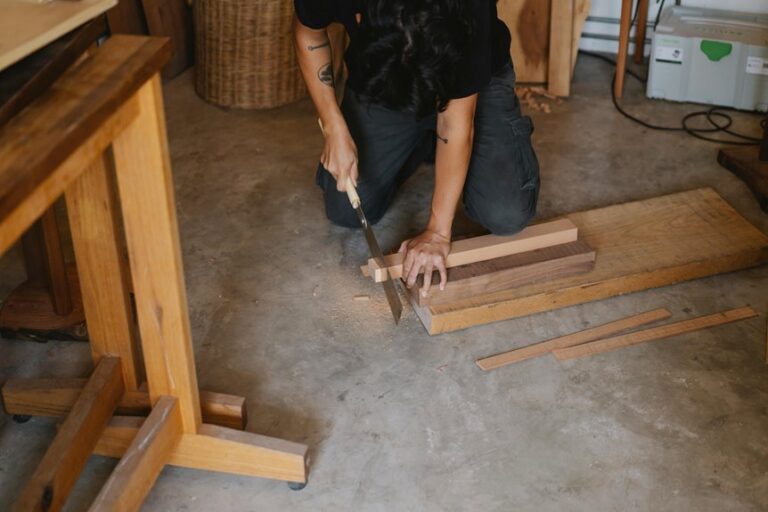
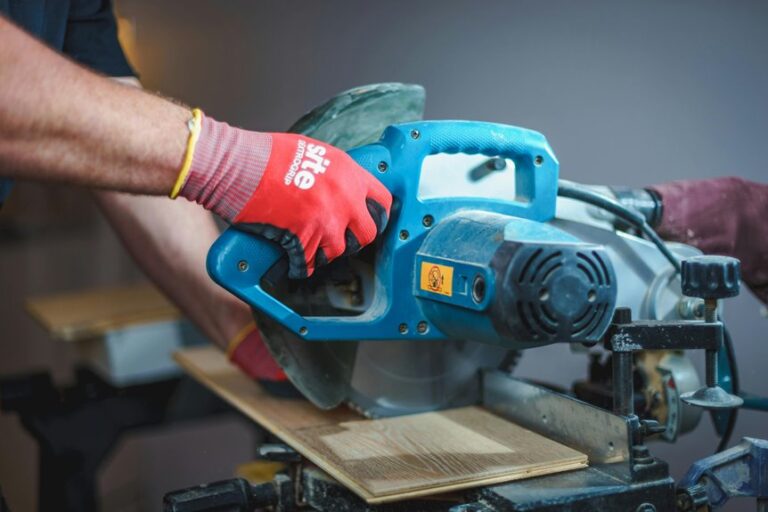
Choosing the right saw setup matters fast once projects move from idea to sawdust. Some jobs need a full-size miter station for trim or framing, while others call for a compact craft saw that handles acrylic, basswood, or small hobby parts with steadier control.
This roundup keeps both ends of that range in view. You get larger stand-style and miter saw options for home projects, plus miniature table saws that suit model work, handmade gifts, and careful cutting on a bench.
Quick Look At The Shortlist

BORA Portacube Miter Saw Stand PM-8000

DOVAMAN 10-Inch Sliding Miter Saw

Metabo HPT 10-Inch Single Bevel Miter Saw C10FCG2

Dremel Blueprint Portable Saw Station CS12V-S1C

Saker Mini Table Saw for Crafts
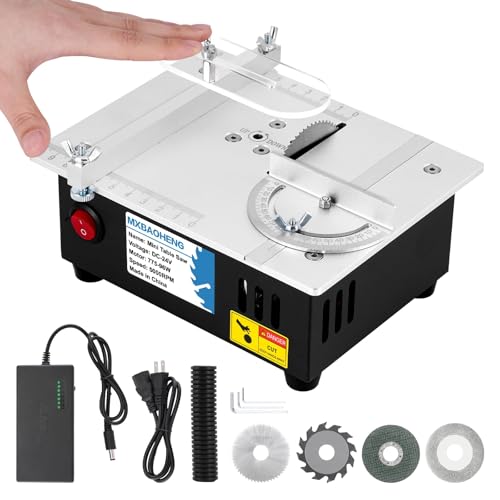
MXBAOHENG Mini Table Saw S3

Zericuf Mini Table Saw for Crafts & Hobbyists

Zericuf Mini Table Saw for Crafts
More Details On Our Top Picks
For trim days, a rolling stand matters more than flashy extras, and this BORA setup leans into that reality. The rotating top gives you a workbench feel, so your saw station can do more than just hold a tool.
That makes it a solid fit for garages and shared spaces where setup time matters. You may find the larger footprint less friendly in a cramped shed, but the payoff is steadier support and easier repositioning.
What We Like
- Wheels make it easier to move between storage and work space.
- The rotating top adds useful bench flexibility for layout and prep.
- It suits repeated trim and cutting sessions better than a plain stand.
- The structure should appeal to you if you value a more stable station feel.
Points To Note
- The larger footprint can crowd tighter garages and utility corners.
- More moving parts can mean a little extra upkeep over time.
Feature Snapshot
Who Should Grab It
You get the most from this stand if you handle trim, finish work, or regular garage projects and want a more organized station.
Where A Sibling Pick Shines
DOVAMAN Updated 10-Inch Sliding Miter Saw suits you better when you want the cutting tool itself rather than a mobile support base.
Sliding miter saws earn their keep when you need wider cuts without wrestling the material, and this DOVAMAN model is built around that kind of work. The ambidextrous layout should feel more natural for mixed-handed shop use, which helps in a family garage or shared workspace.
The laser guide and positive stops give you faster setup for repeat angles, while the two speed settings help match blade behavior to the material. The trade-off is that a feature-heavy saw usually asks for more attention to alignment and blade choice, so it suits a careful hobbyist more than a casual one.
Highlights
- Three TCT blades give you more flexibility across different materials.
- Two speed ranges support more controlled work on varied stock.
- The laser guide helps you line up cuts before committing.
- Nine angle stops make repeat setups less fussy.
- The ambidextrous design works well in shared workshops.
Room For Improvement
- Extra features mean you may spend more time on setup and calibration.
- A sliding saw needs more bench depth than a simpler compound model.
- Blade and material matching matter more here than on basic saws.
Core Details
Best Suited To
You suit this saw best if your projects mix trim, boards, and other home-shop materials and you want a tool with more adjustment range.
Look Elsewhere When
Metabo HPT 10-Inch Single Bevel Compound Miter Saw C10FCG2 fits better when you want a lighter saw that’s easier to carry from place to place.
This Metabo HPT model feels aimed at the person who wants a lighter 10-inch saw without losing the familiar compound-miter format. The Xact Cut shadow line, a visible line projected by the saw, helps you read the cut position before the blade drops, which is handy in bright garages or on a busy jobsite.
Single bevel means the saw tilts one direction for angled edges, so it stays simpler than double-bevel models. That simplicity is a plus for straightforward trim work, although you may find the one-direction tilt a little less convenient on mirrored cuts.
Upsides
- The lightweight build makes moving it between spots less tiring.
- The shadow line is useful for lining up cuts in real shop lighting.
- Single bevel operation keeps controls easier to learn.
- The 15-amp motor format suits everyday house projects.
Softer Spots
- Single bevel setup can slow mirrored angle work.
- A lighter tool can feel less planted than heavier station-style saws.
- It is better for standard trim than for more complex angle routines.
Technical Sheet
Built With In Mind
You get the most from this saw in a home shop or garage where portability matters and your cuts stay mostly straightforward.
A Better Fit Elsewhere
DOVAMAN 10-Inch Sliding Miter Saw suits you better if you want more cutting reach and a wider set of angle tools.
Compact saw kits make sense in apartments, small shops, or shared garages where storage is part of the decision. Dremel’s portable station pairs a 12V brushless circular saw with a carrying case, so the whole setup feels easier to stash and move than a fixed miter station.
That brushless motor design usually points to smoother power delivery and less routine brush maintenance than older motor styles, which suits occasional remodeling or shelf work. The honest read is that it’s a space-saving tool first, so it fits smaller jobs better than broad decking or trim runs.
Bright Spots
- The station format keeps the saw and case together for cleaner storage.
- The 12V brushless setup fits small household projects and light task lists.
- It takes up less room than a full bench-mounted miter arrangement.
- The carry-friendly design helps you move between rooms without fuss.
Small Caveats
- Compact size means you should expect a narrower project range.
- Small cordless-style tools often feel best on lighter material.
Details At A Glance
The Right Fit
You match this station best if your work happens in tight spaces and you want a small setup that stores neatly between projects.
Where Another Pick Suits Better
BORA Portacube Miter Saw Stand PM-8000 fits you better when you already own a larger saw and need mobile support instead of a compact cutting kit.
Craft saws are a different lane from the larger miter options above, and this Saker is built for that bench-top hobby space. With seven speed settings and angle adjustment, you can dial the tool toward fine cuts in wood, plastic, or acrylic without taking over your whole work area.
The big accessories bundle is handy for someone building a small hobby setup from scratch. The trade-off is that a packed accessory kit can mean more pieces to sort, store, and keep track of, so it rewards a neat bench and a patient pace.
Positives
- Seven speed settings help you match the cut to the material.
- Angle adjustment supports more detailed craft and model work.
- The compact footprint suits desks and hobby benches.
- Accessory volume gives you a fuller starting kit for small projects.
- It fits cleanly into a crafting routine where precision matters more than size.
Worth Noting
- The accessory count asks for organized storage.
- Small saws are best for craft-scale work, not larger boards.
Feature Rundown
Whose Shelf It Belongs On
You fit this saw best if your projects are small, detailed, and centered on crafts, mini builds, or light plastic work.
Skip It When
Metabo HPT 10-Inch Single Bevel Miter Saw C10FCG2 makes more sense for you when the work shifts toward trim and larger lumber.
Fine hobby cutting depends on control more than size, and this MXBAOHENG table saw leans hard into that idea. The adjustable cut depth, stated at 1/2 inch, gives you a clearer ceiling on material thickness, which is helpful for miniature wood craft and similar small projects.
Seven speed settings add another layer of control, especially for someone working with mixed materials at a desk or bench. You may find the compact format a little narrow for larger decorative builds, but that restraint is exactly why it stays tidy and manageable.
Best Bits
- Adjustable depth helps you stay within a defined cut range.
- Seven speed options support careful work on small materials.
- Its compact size fits hobby corners and craft tables.
- The model suits miniature woodworking better than bulkier stations.
Areas To Watch
- The smaller work envelope limits larger project ambitions.
- You’ll want a tidy bench so small parts do not wander.
Core Details
Made For
You match this saw best if you build miniatures, small wooden pieces, or hobby projects that need careful depth control.
Swap It Out When
Saker Mini Table Saw for Crafts fits you better if you want a broader accessory bundle for a fresh craft station.
Dual motor setups usually aim for steadier output in small craft tools, and this Zericuf model adds that idea to a compact hobby saw. The 200W rating and 12,000RPM figure point toward brisk small-part cutting, which suits handmade gifts, model pieces, and bench projects that benefit from quick response.
That adjustable 26 mm height gives you a useful ceiling for small stock, though it also tells you this is not a board saw. The honest read is that it feels best as a focused hobby tool with a bit more power character than the most basic minis.
Reasons To Buy
- Dual motor design gives the saw a more serious hobby-tool feel.
- High RPM output supports quick, crisp work on small pieces.
- The adjustable height adds control for shallow material.
- It suits gift making and exploratory craft sessions well.
Minor Gripes
- The compact size keeps it firmly in small-project territory.
- More power in a small tool can still call for careful handling.
Feature Card
Who Will Love This
You fit this saw best if you enjoy hobby builds, handmade pieces, and small workshop tasks with a little extra motor punch.
Another Choice May Suit
MXBAOHENG Mini Table Saw S3 suits you better if cut depth control matters more than raw hobby speed.
This Zericuf version keeps the same compact craft-first formula, but the listing framing points it toward gift making and hobby exploration. That makes it a comfortable middle ground for someone who wants a mini saw that feels approachable without getting too stripped down.
The 26 mm height adjustment and 200W, 12,000RPM setup give you the same small-project lane, so it suits desks, craft tables, and organized hobby corners. Compared with the Saker mini saw, this one reads a little more straightforward and a bit less accessory-heavy, which some people will like for cleaner storage.
Positives
- Compact size keeps it friendly for small crafting spaces.
- The motor setup supports quick use on light hobby materials.
- Adjustable height gives you more control over tiny stock.
- It works well for handmade gifts and experiment-heavy projects.
Things To Consider
- The tool stays focused on mini projects rather than broader woodwork.
- You may still want extra tray or bin space for small offcuts.
Spec Overview
Built With In Mind
You suit this saw best if you want a compact everyday craft tool for gifts, hobby pieces, and small desktop work.
Reach For A Different Pick When
DOVAMAN 10-Inch Sliding Miter Saw is the better fit when your projects move beyond craft scale and into larger home cutting tasks.
How To Choose The Right Diy Table Saws
Match The Tool To The Work
Start with the material, not the gadget. A 10-inch miter saw suits trim, boards, and many home carpentry jobs, while a mini table saw fits crafts, acrylic, and small wood pieces on a bench.
Cut width, bevel range, and depth control matter because they shape the work you can finish cleanly. That’s why a sliding saw like the DOVAMAN feels very different from a compact Saker or MXBAOHENG craft saw.
Think About Space And Movement
Station-style setups, like the BORA Portacube, make sense in garages that can handle a larger footprint. Portable kits and lighter saws matter more in apartments, shared workrooms, or jobs that move from room to room.
Weight, wheels, and storage shape how often you actually use the tool. A saw that lives neatly in a cabinet often gets used more than one that turns the corner of a room into a permanent obstacle.
Pay Attention To Control Features
Positive stops, laser guides, shadow lines, and adjustable height all help you place a cut with less hesitation. The technical term here is simple: a positive stop is a preset angle position that helps you return to a common cut quickly.
For careful DIY work, those controls save time and reduce guesswork. The trade-off is that more adjustment points usually mean more setup habits to learn.
A Quick Reality Check
Mistakes Worth Dodging
Many shoppers focus on raw speed and forget the work envelope. A compact mini saw can be brilliant for hobby pieces, then feel cramped the moment a larger board enters the picture.
Another common miss is ignoring storage. A sliding miter saw wants more bench depth, while a craft saw demands a tidy place for accessories and tiny parts.
The Upgrade Payoff
Higher-tier saws usually cost more because of stronger motors, broader adjustment ranges, and more refined guidance systems. That extra money can make sense for frequent trim work, mixed materials, or a home shop that sees steady weekend use.
For lighter craft work, the upgrade only pays off when you need the control, not just the label. A simpler tool often gives you a cleaner fit for the same bench space.
Frequently Asked Questions
Are Diy Table Saws good for home projects?
Yes, they can handle everything from trim tasks to hobby builds, depending on the model. The key is matching the saw size to the material and the space you have.
What size is better for beginners?
Beginners often do well with a straightforward single-bevel miter saw or a compact craft saw. Simple controls and clear angle markings make the first few projects easier to manage.
Do mini table saws handle wood and plastic?
Many mini units in this roundup are aimed at light wood, plastic, and acrylic work. They suit small, careful cuts rather than larger carpentry jobs.
Why choose a sliding miter saw?
A sliding saw extends your cutting reach, which helps with wider material. That extra movement is handy for trim, framing, and mixed home-shop tasks.
What matters most for small workshop spaces?
Footprint and storage matter most, followed by how often you need to move the tool. A compact saw or portable station usually feels easier to live with than a full-size setup.
Final Thoughts
Your best choice depends on the kind of work that shows up on your bench most often. BORA and the two larger miter saws suit trim, boards, and more traditional home cutting, while the mini saws fit careful hobby projects and small craft materials. Dremel makes sense for tight spaces, Saker is the most starter-friendly craft kit, and the two Zericuf options lean toward focused miniature work. Choose the size that matches your space first, then the features that match your cuts, and the tool will feel useful instead of awkward.