Choosing a miter saw gets easier once you match the tool to the kind of cuts you make most. Some jobs call for a compact corded saw that fits a garage bench, while others ask for sliding capacity, dual bevel control, or a lighter body that moves between rooms with less strain.
This roundup focuses on saws that suit trim work, framing details, shelving, and mixed-material jobs in busy home workshops. You’ll see where each one earns its keep, and where a simpler or larger option may fit your space better.
Quick Look At The Shortlist
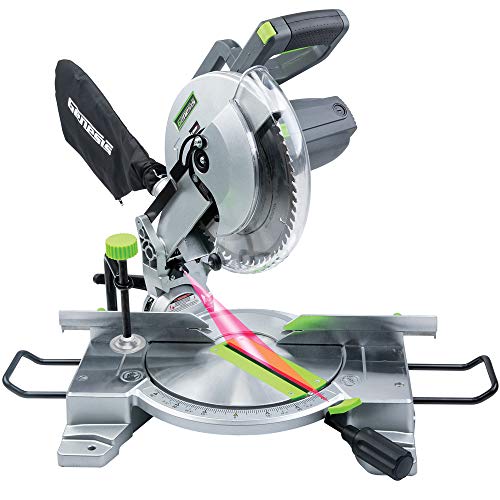
Genesis GMS1015LC 15-Amp 10-Inch Compound Miter Saw Gray
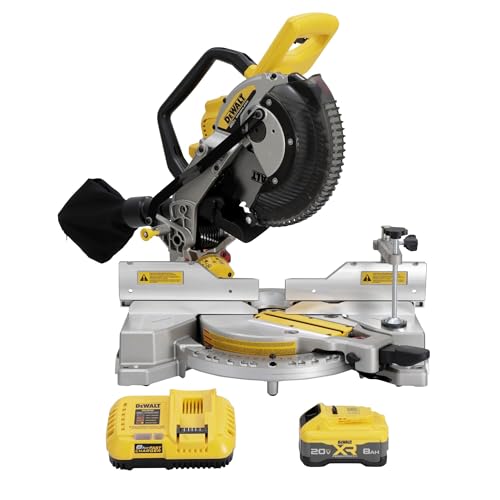
DEWALT 20V MAX XR 10 in. Double Bevel Fixed Miter Saw Kit

BOSCH CM10GD Compact Miter Saw 15 Amp Corded 10 Inch Dual-Bevel Sliding Glide

Metabo HPT 10-Inch Single Bevel Compound Miter Saw C10FCG2

Makita LS1019L 10 Dual-Bevel Sliding Compound Miter Saw with Laser

DEWALT Miter Saw Double-Bevel Compound 12-Inch 15-Amp DWS716

Makita LS1219L 12 Dual-Bevel Sliding Compound Miter Saw with Laser
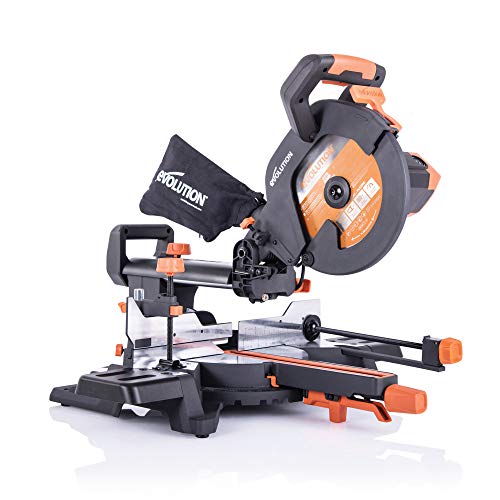
Evolution Power Tools R255SMS+ PLUS 10-Inch Sliding Miter Saw
Genesis keeps this saw straightforward, which helps in a garage where you want the cut to start without a long setup ritual. The 10-inch format stays compact on a bench, and the laser guide gives you a visual line to check against your pencil mark before the blade drops.
The 9 positive miter stops matter more than they sound, because repeat cuts for trim, shelving, or framing pieces become faster and less fussy. Compared with the Bosch CM10GD later in this list, it leans more toward simple everyday use than premium glide control, and that honesty is part of the appeal.
Strong Points
- 15-amp power suits common household cut lists without feeling underbuilt.
- The laser guide helps you line up cuts in dim corners or busy spaces.
- Nine positive stops speed up repeat angles for trim and molding.
- The 10-inch size fits smaller workshops with less bench crowding.
Room For Improvement
- Single-bevel handling keeps it less flexible than dual-bevel saws.
- The feature set stays basic, so advanced users may want more adjustability.
- Laser alignment can need a careful check after transport or storage.
Feature Snapshot
Who It Suits Best
Home renovators and weekend DIYers who want a simple corded saw for trim, flooring transitions, and basic framing will get the most from it.
Swap It Out When
Reach for the BOSCH CM10GD if you want a dual-bevel sliding design with a more refined footprint for tighter workshop layouts.
Cutting without a cord changes the feel of a jobsite fast, especially on porch repairs, punch lists, or room-by-room trim work. This DEWALT kit brings double bevel convenience in a portable format, so you don’t keep flipping stock just to match angles from both sides.
Compared with the Genesis, it feels more suited to moving around the house or between properties, while the fixed layout keeps the saw simpler than a sliding unit. That trade-off makes sense for tight vans, quick setup work, and anyone who values mobility more than maximum crosscut reach.
What We Like
- Cordless operation makes relocation between work areas much easier.
- Double bevel capability saves time on mirrored angle cuts.
- The fixed design keeps setup straightforward for quick tasks.
- It suits mobile crews and home projects that move around a lot.
Softer Spots
- A fixed saw gives you less slide travel than a sliding model.
- Battery format asks for better planning than a corded bench saw.
- Heavier cordless kits can feel bulky in tight storage spaces.
Core Details
Built With In Mind
Mobile contractors, installers, and DIYers who split time between indoor rooms and outdoor spaces will appreciate the cordless layout most.
A Better Fit Elsewhere
Choose the Makita LS1219L if you want a wall-friendly sliding setup for a permanent shop corner instead of a portable kit.
The sliding glide arm is the detail that sets this Bosch apart, because it gives crosscut reach without the bulk you often expect from a slider. In a small workshop, that matters a lot, since the saw can sit closer to a wall and still leave usable space on the bench.
The included 60-tooth carbide blade is a nice touch for cleaner finish cuts, and the dual-bevel layout helps on mirrored trim work. Compared with the Genesis, this feels more refined for finish carpentry, though the mechanical setup asks for a little more room and attention during storage.
Highlights
- The compact glide system saves bench depth.
- Dual bevel action helps with matching left and right angle cuts.
- The 60-tooth carbide blade supports cleaner finishing work.
- It suits trim shops where space matters.
- 15-amp corded power keeps the saw in familiar territory for shop use.
Points To Note
- The sliding mechanism adds moving parts that need occasional cleaning.
- It rewards careful calibration more than a simpler fixed saw.
- The more advanced layout may feel like overkill for rough cuts.
Details At A Glance
Whose Shelf It Belongs On
Finish carpenters and serious home workshop users who want a compact dual-bevel slider will get strong value from it.
Where A Sibling Pick Shines
Pick the Makita LS1019L instead when you want a similarly compact dual-bevel saw with a more premium feel in a finishing setup.
Metabo HPT leans into the basics in a good way, with a lighter body and the Xact Cut shadow line helping you see where the blade is headed. For weekend framing or trim trim-out in a room that already has furniture in it, that visibility can make the job feel less awkward.
The single-bevel setup means less flexibility than the double-bevel saws above it, but the trade-off is a simpler, easier-moving tool. Compared with the Genesis, it feels a little more precise in layout work, while still staying approachable for first-time saw owners.
Best Bits
- The shadow line gives a more direct visual cue than a simple laser.
- Lightweight construction makes it easier to move around the house or truck.
- Precision angle control helps with cleaner miter setups.
- The 15-amp motor fits standard corded workshop habits.
Areas To Watch
- Single bevel operation asks for more stock repositioning on mirrored cuts.
- Lightweight builds can feel less planted on rough, uneven benches.
- The blade and dust cleanup routine still need regular attention.
Feature Rundown
Right Fit For
DIYers who want a lighter corded saw for trim, quick framing, and modest shop work should feel comfortable here.
Look Elsewhere When
Choose the DEWALT DWS716 when you want dual-bevel flexibility and a larger 12-inch platform for broader shop duties.
Makita’s LS1019L feels built for careful finish work where the saw lives in one place and earns its keep every week. The dual-bevel action and laser help you move through crown, casing, and other trim cuts with less reset time, and the compact body keeps the bench from feeling crowded.
Compared with the Bosch CM10GD, this one leans more toward a clean, polished shop setup than a glide-centric layout, though both suit limited space well. The honest read is that you’re paying for a more refined workflow, not just a long feature list.
Upsides
- Dual-bevel movement speeds up angle work on both sides.
- The laser line helps with quick layout checks before the cut.
- Its compact footprint fits cleaner shop organization.
- Strong for detailed trim and finish carpentry tasks.
Small Caveats
- The saw makes most sense in a dedicated workspace.
- Premium layout features can feel more involved than a basic saw.
- Laser visibility still depends on lighting and surface color.
Technical Sheet
The Right Fit
Finish carpenters and careful DIYers who want a compact slider for repeated trim work will get the most from it.
Skip It When
Choose the Genesis GMS1015LC instead for a simpler saw that asks for less space and less commitment.
The 12-inch blade gives this DEWALT a broader feel than the 10-inch models above, which helps when your project list includes thicker trim or wider stock. Double bevel control makes mirrored cuts less tedious, and that alone can smooth out a long install day.
It sits in a useful middle ground, not as mobile as the cordless kit and not as space-saving as the compact 10-inch sliders. For most garages and small contractor setups, that balance is exactly the point, though it does ask for more bench room than the Metabo HPT.
Positives
- 12-inch capacity feels more flexible for larger trim and board work.
- Double bevel action saves time on angled cuts from both directions.
- 15-amp corded power keeps it familiar for shop use.
- Good middle-ground size for many home shops.
Minor Gripes
- The larger body takes more storage room than 10-inch options.
- It is less portable than the cordless DEWALT kit above.
- Regular blade and fence cleaning still matter for clean cut lines.
At A Glance
Who Should Grab It
Home shop users and part-time installers who want a dependable 12-inch double-bevel saw should feel at home here.
Another Choice May Suit
Pick the Metabo HPT C10FCG2 if your workspace is tighter and you want a lighter saw for simpler cuts.
That rail design is the headline here, because Makita’s dual-steel sliding system is built to glide forward while keeping the saw body closer to the wall. In a crowded garage or shop bay, that makes a real difference, since your bench space stays more usable than it would with a traditional slider.
The 12-inch dual-bevel format gives this model serious range for larger finish work, so it feels better suited to a dedicated setup than a grab-and-go tool. Compared with the LS1019L, this one offers a bigger platform, and that extra scale can help on wider trim and more ambitious installs.
Best Suited To
- The wall-friendly rail path saves precious rear clearance.
- Dual bevel flexibility helps with mirrored cuts.
- The 12-inch size handles larger stock with less fuss.
- Strong fit for a permanent workshop corner.
Worth Noting
- The larger body is less convenient for frequent transport.
- Installation and bench placement deserve a little planning.
- Owners commonly keep the rail area clean for smooth movement.
Core Details
Perfect Match For
Dedicated workshop users and carpenters who want a larger dual-bevel slider for repeated finish work will appreciate it most.
Consider Something Else When
Choose the Makita LS1019L if you want a smaller 10-inch version for tighter trim jobs and a lighter footprint.
Evolution takes a different route from the wood-focused saws above, since this one is built for mixed materials instead of a single task lane. Wood, plastic, composite decking, embedded-nail lumber, and mild steel all sit in the same conversation here, which makes it useful for remodel work and utility projects where materials change quickly.
The accessory set adds real shop convenience, with quick-release clamps, a dust bag, taller fences, a rail protector, a long cable, and carry handles. That broad kit makes it feel like a practical all-rounder for a garage that handles more than one kind of cutting job, though the broad focus may be more than you need for simple trim.
Reasons To Buy
- One blade covers several common material types.
- The included clamps and carry handles help day-to-day handling.
- Taller fences support more controlled workpieces.
- The long cable adds reach around a work area.
- Useful for remodels where jobs change from wood to metal and back again.
Honest Caveats
- Specialized multi-material capability can be more than a trim-only shop needs.
- Dust management still matters, especially during mixed-material cutting.
- The broader feature list asks for a little more storage attention.
Feature Card
Built For In Mind
Remodelers, maintenance crews, and practical garage tinkerers who cut different materials in the same week will get the most value here.
Where Shoppers Go Wrong
Pick the DEWALT DWS716 instead when your work stays mostly wood-based and you want a more conventional double-bevel shop saw.
How To Choose The Right Double Bevel Miter Saws
Match Blade Size To The Work You Actually Cut
Blade size changes the feel of the whole saw. A 10-inch model usually stays friendlier for trim, casing, and lighter shop tasks, while a 12-inch saw gives you more breathing room on wider stock and taller moldings.
That extra reach matters in a real workshop, but it also brings a larger body and more bench demand. For a small garage, a compact 10-inch saw can be the calmer choice, while a 12-inch model makes more sense for a permanent setup with bigger projects.
Dual Bevel Helps When Angles Repeat
Double bevel means the saw head tilts both left and right, so you don’t keep flipping boards for mirrored cuts. That saves time on crown molding, base trim, and frame parts that need matching angles across a run.
The trade-off is usually a more complex saw and a higher need for careful setup. For occasional weekend work, a simpler model can still be enough, but frequent finish carpentry tends to reward the added flexibility.
Sliding Travel Changes Capacity And Footprint
Sliding models move the blade along rails or a glide system, which increases crosscut reach. That helps with wider boards, thicker trim, and general carpentry where a fixed head would feel cramped.
Space is the catch. A sliding saw often asks for more rear or side clearance, though some compact designs, like the Bosch and Makita entries above, solve that better than others.
Power Source And Jobsite Habits Matter
Corded saws suit a bench, a garage, or a workshop with dependable outlet access. Cordless kits make more sense for punch lists, outdoor work, or jobs that move from room to room.
Neither path is automatically better. The right call depends on whether your day is shaped by one steady work area or by movement, setup speed, and the need to work far from an outlet.
Things Worth Knowing First
Hidden Buying Traps
Many shoppers focus only on blade size and miss the part that affects daily use, which is how much space the saw needs around the back and sides. A larger sliding body can be awkward in a narrow garage even when the cut range looks appealing on paper.
Another common miss is picking a single-bevel saw for repeated mirror-image trim work, then discovering the extra stock flipping slows everything down. The better habit is to match bevel style, footprint, and task type before looking at the flashier extras.
What The Higher Tier Buys
More expensive saws usually bring smoother sliding systems, cleaner angle adjustments, sturdier rails, and layout aids that make alignment less fussy. Those details matter most in finish carpentry, where small alignment errors show up fast.
The upgrade pays off when you cut often, work with visible trim, or want the saw to stay planted in one place. For rough cuts or occasional use, a simpler model can still make solid sense without the extra cost of premium mechanics.
Frequently Asked Questions
What Does Double Bevel Mean On A Miter Saw?
It means the blade tilts both left and right. That helps you make mirrored angle cuts without turning the workpiece as often.
Are 10-Inch Or 12-Inch Saws Better?
Neither size wins every job. A 10-inch saw usually feels easier to store, while a 12-inch saw gives you more reach on wider material.
Do Sliding Saws Take Up More Room?
Usually, yes. The rail or glide mechanism needs extra clearance behind or beside the saw, depending on the design.
Is A Laser Line Necessary?
No, but it can make layout quicker in a dim garage or busy workshop. You still need to mark carefully and check your setup.
Which Saw Fits A Small Workshop Best?
The BOSCH CM10GD and Makita LS1019L both make sense for tighter spaces. Their compact footprints suit a bench that already carries other tools.
Closing Thoughts
The best double bevel miter saw for you depends less on brand and more on how your work really happens. A compact 10-inch slider fits trim-heavy weekend projects, while a 12-inch double-bevel saw suits broader shop jobs and thicker stock. Cordless makes sense for mobile work, and a wall-friendly slider helps when every inch of bench space counts. Match the saw to the space, the material, and the cut list, and the choice gets much easier.