


Metal drilling gets a lot easier once your press matches the job. A small benchtop unit suits bracket work and lighter shop tasks, while a magnetic drill earns its keep on beams, plates, and tight jobsite setups.
This roundup keeps the focus on fit, not flash. You’ll see which machines suit home garages, fabrication spaces, and mixed-material benches, plus the trade-offs that matter once the chips start flying.
Quick Look At The Shortlist
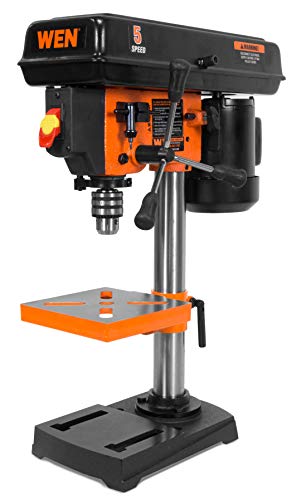
WEN 2.3-Amp 8-Inch 5-Speed Benchtop Drill Press (4206T)

SKIL 6.2 Amp 10 In. 5-Speed Benchtop Drill Press DP9505-00

VEVOR 1450W Mag Drill Press, 2-Inch Core Drilling Machine

VEVOR Magnetic Drill Press 1400 W, 2-Inch Boring Diameter

VEVOR 1550W Mag Drill Press, 2-Inch Core Drilling Machine

VEVOR Mag Drill Press 1300W, 1.57-Inch Boring Diameter

Hoteche Variable Speed Benchtop Drill Press 5/8-Inch Chuck
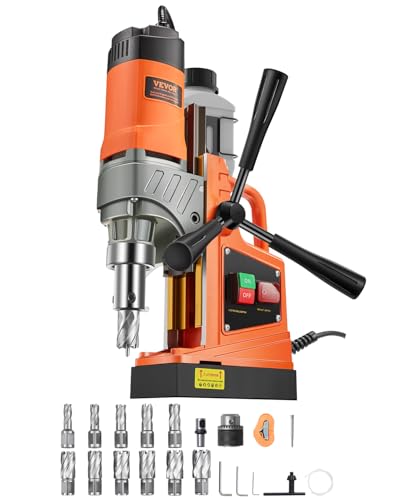
VEVOR Mag Drill Press 1300W, 1.57-Inch Boring Diameter, 11 Drill Bits
More Details On Our Top Picks
For small metalworking benches, the cast iron base is the part that matters most. It gives the WEN 4206T a steadier feel than lighter housings, and the five speed choices help you match spindle speed to the bit and material without guessing.
The 8-inch swing keeps the footprint modest, which suits apartment garages and compact shops better than bulky floor units. You may find the size limiting for larger plates, but that trade-off also keeps setup and storage simpler.
Strong Points
- Cast iron helps the press sit planted during lighter metal drilling.
- Five speeds give you more room to match bit size to the task.
- Benchtop format fits worktables that cannot spare floor space.
- Good for bracket work, small fixtures, and everyday fabrication tasks.
Minor Gripes
- Eight-inch capacity keeps it in the small-to-mid range.
- Heavier cast-iron construction is not the friendliest choice for frequent moving.
- Table cleanup matters, since metal chips can collect around the base and column.
Feature Card
Who It Suits Best
Home fabricators and garage tinkerers who want a compact bench drill for light metal work will get the most from this one.
Another Choice May Suit
SKIL DP9505-00 suits you better when laser alignment and a work light matter more than a cast-iron footprint.
The bigger 10-inch class gives the SKIL DP9505-00 more reach than the WEN above, which helps on wider stock and slightly larger shop work. The laser alignment and work light matter most when you’re lining up repeated holes on dark metal or working in a garage corner with poor overhead light.
That added visibility is handy, though it also means you’ll want to keep the lens and work area clean for the markings to stay useful. For casual metal drilling, this feels like a sensible step up without jumping into jobsite-only territory.
What We Like
- Laser alignment helps you line up holes more confidently.
- Work light supports darker benches and evening shop sessions.
- 10-inch format offers more breathing room than the 8-inch WEN.
- Five speeds make it easier to adapt to different drill bits.
- Useful for mixed DIY work that includes metal, wood, and plastic.
Worth Noting
- Extra setup aids are helpful, but they do add another layer of parts to keep clean.
- The larger frame takes more bench space than compact 8-inch units.
- For heavier fabrication, a magnetic drill still makes more sense.
Details At A Glance
Made For
You get the most value here in a home shop that handles mixed material drilling and needs better aiming help than a basic press gives.
Where A Sibling Pick Shines
WEN 4206T suits you better when a cast-iron base and smaller footprint matter more than alignment extras.
This is where the roundup shifts from bench drills to magnetic work. A magnetic drill clamps to steel with an electromagnet, so it suits beams, plates, and upright metal surfaces far better than a benchtop unit.
The 1450W motor and 2-inch core drilling capacity point this VEVOR toward heavier fabrication, especially on jobsite steel that needs clean, repeatable holes. The included annular cutters are a useful start, though you’ll still want to think about bit storage and magnetic base cleanliness as part of regular ownership.
Upsides
- Magnetic base keeps the machine aligned on ferrous steel surfaces.
- 2-inch core drilling capacity suits substantial fabrication tasks.
- Variable speed gives you room to work across different hole sizes.
- Six annular cutters add immediate utility for steel work.
- Good fit for beams, brackets, and jobsite repair work.
Areas To Watch
- Mag drills make more sense on steel, not general benchtop duty.
- Accessory storage matters, since cutters and the machine both need orderly handling.
- The stronger setup is less about portability in the casual sense and more about field readiness.
Spec Overview
Whose Shelf It Belongs On
You should look at this one for fabrication crews, maintenance work, and steel-heavy projects that need a magnetic base.
Skip It When
VEVOR 1400 W Mag Drill Press is the more sensible call when you want a slightly simpler magnetic setup for general-purpose metal drilling.
The 0 to 800 RPM range gives this VEVOR a broad pace window, which helps you slow down for larger cutters and speed up for lighter work. Compared with the 1450W unit, this one feels a bit more straightforward, so it suits users who want magnetic drilling without chasing the heaviest spec sheet.
The Weldon shank matters here because it ties into common magnetic drill tooling, and that compatibility makes life easier in a working shop. One thing worth considering is that portable magnetic drills still need a solid steel surface to shine, so the setup logic is different from a benchtop press.
Bright Spots
- 0 to 800 RPM range gives practical control for different drilling steps.
- 2-inch boring diameter opens the door to larger hole work.
- Weldon shank support helps with common mag-drill tooling.
- Portable format suits field repair and metal shop carry-in use.
Points To Note
- Needs a ferrous surface to make full use of the magnetic base.
- Portable magnetic drills benefit from careful cable and accessory management.
- Less flexible than a benchtop machine for mixed-material benches.
Quick Facts
Who Should Grab It
This fits you best for general metal drilling where you want magnetic holding power and speed control without jumping to the heaviest industrial package.
Look Elsewhere When
WEN 4206T makes more sense for small benches, while the VEVOR 1450W model suits thicker fabrication work.
Lower top-end speed often matters more in thick steel than raw pace, and that’s the angle this 1550W VEVOR leans into. The 0 to 550 RPM range gives you a slower ceiling than the 0 to 800 RPM model above, which can be a good sign for heavier cutting tasks where control matters more than speed.
Compared with the 1400W version, this one is the pick to study for denser fabrication work and shop users who expect to live in the heavier end of the category. The trade-off is simple, it asks for a more serious setup and is less about casual bench use than about staying locked onto steel.
Best Bits
- 1550W rating suggests stronger drive for demanding metal work.
- 0 to 550 RPM range suits slower, more controlled drilling.
- 2-inch core drilling capacity handles larger openings.
- 2922 lbf magnetic force supports stable contact on steel.
- Well matched to thick stock, fabrication, and workshop use.
Softer Spots
- Slower top speed is a trade-off for control and torque.
- Best used on steel surfaces rather than general-purpose benches.
- Heavy-duty gear needs careful storage and routine accessory sorting.
At A Glance
The Right Fit
You should look here for heavier fabrication tasks, especially when thicker steel rewards more controlled drilling speed.
A Better Fit Elsewhere
VEVOR 1400 W Mag Drill Press is easier to live with for general metal work that does not need the slowest, strongest-leaning setup.
The 1.57-inch boring diameter puts this VEVOR a little lower on capacity than the 2-inch mag drills above, and that can be a smart trade for lighter steel work. The 810 RPM listing gives it a different pace profile too, so it suits users who want a portable drill for less aggressive jobs and tighter work zones.
For maintenance, the magnetic base and guide area will still want regular cleaning, especially in dusty home shops where steel filings collect fast. In most garages, that small footprint is the biggest reason to consider it before the larger core-drilling models.
Highlights
- Smaller boring diameter suits lighter metal tasks.
- Portable magnetic setup works well in tight spaces.
- 2922 lbf holding force still gives serious surface grip.
- Good step for users who want a compact mag drill.
Small Caveats
- Smaller capacity means less headroom than the 2-inch VEVOR models.
- Portable mag-drill upkeep includes cleaning the base and nearby debris.
- Best fit is steel work, not mixed-material bench drilling.
Core Details
Built With In Mind
You should look at this one for compact jobsite drilling or shop work where carrying a smaller magnetic drill matters.
Where Shoppers Go Wrong
VEVOR 1550W Mag Drill Press suits thicker stock better, especially when slower drilling and more torque are the priority.
The Hoteche leans into tabletop versatility rather than raw drilling force, and that makes it a useful middle-ground machine for mixed projects. The 5/8-inch chuck matters because chuck size affects the shank range you can clamp, so this one serves a wider spread of small bits and general workshop tooling than tiny hobby presses.
The 170mm work table and 50mm spindle travel make sense for careful positioning on wood, metal, and plastic. You may find the travel limiting for taller stock, but for DIY tasks, small fixtures, and occasional metal drilling, the layout is practical and easy to live with.
Positives
- Variable speed helps you adapt to several material types.
- 5/8-inch chuck gives useful bit compatibility.
- 170mm work table suits smaller project setups.
- 50mm spindle travel works well for routine tabletop drilling.
- Good for users who want one press for mixed materials.
Room For Improvement
- Travel and table size keep it in the lighter-duty class.
- Cleaning up chips and dust around the table stays part of normal ownership.
- Serious steel fabrication still points you toward a magnetic drill.
Feature Rundown
Perfect Match For
You’ll get the best value from this in a home workshop that shifts between light metal, wood, plastic, and general DIY work.
Swap It Out When
SKIL DP9505-00 is the better fit for you when laser alignment and a built-in work light matter more than mixed-material versatility.
Compared with the bare-bones VEVOR mag drill above, this one adds 11 drill bits, which makes the package feel more complete right away. That is handy for users who want to get moving on metal jobs without assembling a separate cutter set first, though the same maintenance rule still applies, keep the base and tooling area clean.
The titanium-magnesium alloy guide rail is the detail that stands out most in the listing, since guide-rail materials can influence how solid the machine feels during positioning. For shop use and home improvement work on steel, this is the kind of kit that leans toward convenience rather than minimalist purchase math.
Reasons To Buy
- 11 included drill bits reduce the need to source accessories separately.
- Portable magnetic design suits steel-surface drilling.
- 1.57-inch boring diameter works for lighter hole sizes.
- Good choice for users who want a ready-to-use kit feel.
Honest Caveats
- Accessory bundles are useful, but they also mean more pieces to keep organized.
- Smaller boring diameter keeps it below the larger VEVOR core-drill models.
- Best suited to steel surfaces, not general bench drilling.
Core Details
Who Will Love This
You should look here if you want a portable magnetic drill kit with starter bits already in the box for steel work.
Where Shoppers Go Wrong
VEVOR 1450W Mag Drill Press is a stronger choice when the job calls for larger core drilling rather than a lighter accessory bundle.
How To Choose The Right Drill Presses For Metal
Match The Machine To The Metal
Benchtop presses suit smaller brackets, plates, and repeat hole work on a stable table. Magnetic drill presses fit steel beams, upright surfaces, and jobs that move between shop and site.
The difference comes down to holding method and work position. A benchtop unit clamps the workpiece to a table, while a magnetic model grips ferrous metal directly, which is why fabrication crews lean toward mag drills for structural steel.
Pay Attention To Speed And Capacity
Speed range matters because larger cutters and thicker stock usually need a slower, more controlled pace. Smaller hole work on lighter metal can benefit from a wider range, especially on benchtop presses with multiple pulley settings or variable speed control.
Boring diameter or swing tells you how large a piece the machine can comfortably handle. Bigger numbers help with wider workpieces or larger holes, but they also tend to come with more size, weight, and bench demand.
Think About Accuracy Helpers And Setup
Laser guides, work lights, and chuck size sound like side notes until you’re lining up hole after hole on darker stock. Those small aids reduce guesswork in a garage, especially where overhead lighting is weak or the material finish makes marks harder to see.
That said, extra hardware also means more parts to keep clean and aligned. Simple machines can feel easier day to day, while feature-rich models reward you when the workbench stays busy.
Choose For Your Space, Not Just The Spec Sheet
A compact benchtop press makes sense in a shared garage or apartment workshop. A magnetic drill takes less bench space, but it asks for steel surfaces and a more jobsite-style workflow.
Storage matters too. Heavy-duty magnetic units are easier to justify when you drill metal often, while lighter tabletop machines make more sense for occasional fabrication and mixed projects.
Things Worth Knowing First
Wrong Turns To Avoid
Many first-time shoppers focus only on motor power and miss the part that actually controls fit, like speed range, chuck size, or whether the machine can clamp to steel. A strong motor on the wrong format still leaves you with an awkward tool for the job.
Another common miss is buying a magnetic drill for general bench work or a benchtop unit for structural steel. The right machine usually starts with the workpiece and the workspace, not the wattage number.
Where The Extra Money Goes
Higher-tier machines in this category often cost more because of stronger motors, wider speed control, better magnetic holding force, and sturdier construction. Those details matter most when you drill thick stock, use larger cutters, or work for long stretches.
You also pay for convenience in some cases, like included cutters, lighting, or alignment aids. That upgrade makes sense when your projects are frequent enough that setup speed and repeatability save real time.
Frequently Asked Questions
What makes a magnetic drill different from a benchtop press?
A magnetic drill grips steel directly with an electromagnet, so it works well on beams and plates. A benchtop press stays fixed to a table and suits smaller shop work.
Do you need variable speed for metal drilling?
Variable speed helps you match drilling pace to the bit size and the thickness of the metal. It becomes more useful as your projects get less uniform.
Is a larger chuck always better?
A larger chuck accepts a broader range of bit shanks, which adds flexibility. Still, the right size depends on the bits you use most often.
Why does magnetic force matter so much?
Magnetic force helps the drill stay planted on ferrous steel while you work. That stability matters a lot on vertical or overhead surfaces.
Can a benchtop drill press handle metal and other materials?
Yes, many benchtop presses suit metal along with wood and plastic. That mixed-material flexibility is useful in small workshops with varied projects.
Closing Thoughts
The best choice depends on the kind of metal you drill most often and where you do it. Small shops usually get more value from a benchtop model like the WEN or SKIL, while steel-heavy work points you toward one of the VEVOR magnetic drills. The Hoteche sits neatly between those worlds for mixed DIY use. Pick the machine that matches your space first, and the rest gets easier fast.




