Dtc scanner tools can save you from guessing games when the check engine light turns on, especially if you handle basic car upkeep yourself. The right pick helps you read fault codes, confirm readiness monitors, and decide whether a problem looks minor or deserves a shop visit. Some models stay simple for quick code reads, while others add system coverage and reset functions for more involved garage work.
Quick Look At The Shortlist
AUCELI OBD2 Scanner Code Reader (Yellow)

TOPDON AL400 OBD2 Scanner

VDIAGTOOL VD30 Pro Car Code Reader

FOXWELL NT614 Elite OBD2 Scanner

BLCKTEC 460T OBD2 Scanner

Autel MaxiCheck MX808S Scanner

Autel ML629 OBD2 Scanner

MUCAR CDL20 Universal OBD2 Scanner
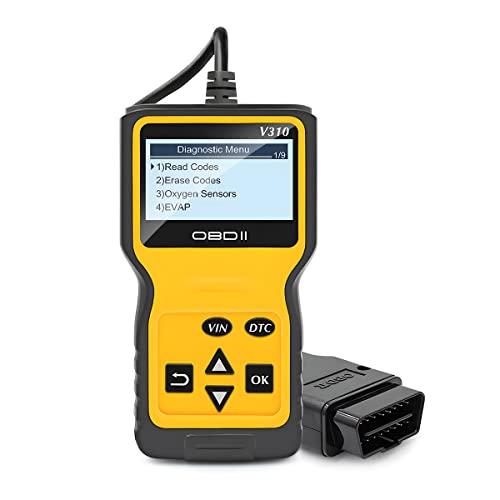
The AUCELI keeps things simple, which is exactly why it suits a glovebox or a first tool kit. Its 16-pin OBDII connection and broad vehicle coverage make it a sensible fit for post-1996 cars, and you do not need an app hanging off your phone.
That straightforward approach helps on a driveway or in a parking lot, where you want the code first and the explanation second. The trade-off is obvious: you get a basic read-and-clear style tool rather than the deeper system access you see in higher-tier picks like the FOXWELL NT614 Elite or Autel MX808S.
Reasons To Buy
- Reads and clears common fault codes without extra setup.
- The no-app approach keeps use simple for quick checks.
- Wide OBDII coverage suits many post-1996 vehicles.
- The 16-pin connector matches the standard diagnostic port found on most compatible cars.
Points To Note
- It stays focused on core code reading, so advanced service work is outside its lane.
- The basic layout suits simple jobs more than repeated shop-style diagnostics.
Feature Snapshot
Who It Suits Best
You get the most from this one as a new DIY car owner who wants a plain fault-code reader for occasional checks.
A Better Fit Elsewhere
TOPDON AL400 suits you better when you want a clearer screen and extra guidance in the menu flow.
The TOPDON AL400 feels like the step up you reach for after a bare-bones code reader. Its 2.4-inch color screen, button layout, and lifetime software updates make it friendlier in a dim garage or a bright driveway.
Compared with the AUCELI, this one leans harder into comfort and clarity, so you spend less time squinting at the display. That makes sense for a home mechanic who wants DTC lookup, freeze-frame data, and a one-touch I/M check without dragging out a laptop.
What We Like
- The color display is easier to read than a plain text-only layout.
- Freeze-frame data helps you see the conditions tied to the fault.
- One-touch I/M readiness is handy before a trip or inspection visit.
- Menu navigation stays simple for casual garage use.
- Lifetime update support helps keep the software current over time.
Minor Gripes
- The screen is useful, though it still feels compact next to larger handheld scanners.
- It focuses on code-reader basics rather than deeper system work.
Details At A Glance
Made For
You suit this pick well if you want a dependable driveway scanner with a clearer screen than the most basic models offer.
Where A Sibling Pick Shines
Autel ML629 makes more sense for you when you want broader system coverage alongside DTC lookup and data playback.
The VD30 Pro stays in a useful middle lane, with code reading and reset functions that cover more than a starter scanner. That balance helps you in a busy garage or a pickup truck, especially when you want a tool that does more than clear a warning lamp.
One thing worth noting, it does not reach into ABS, SRS, TPMS, or airbag diagnosis, so the scope is narrower than the FXOWELL NT614 Elite or Autel MX808S. That limitation is the trade-off for a simpler, more focused tool that does not overwhelm you with menus.
Highlights
- Supports both code reading and reset work.
- Fits cars and trucks, which broadens everyday usefulness.
- The focus stays on common engine-related diagnostics.
- Simple scope can make it easier to learn and keep on hand.
Area To Watch
- It does not cover ABS, SRS, TPMS, or airbag systems.
- Drivers who need deep all-system diagnosis will outgrow it quickly.
Core Details
The Right Fit
You match this model best as a truck or car owner who wants a straightforward scanner with a little extra depth.
Look Elsewhere When
FOXWELL NT614 Elite fits you better when ABS, SRS, transmission, and several service resets matter more.
The NT614 Elite starts to look like a serious home-garage tool instead of a plain code reader. Reading and clearing faults across engine, ABS, SRS, and transmission systems gives you a broader view of what’s going on, which matters when the warning lights are not telling the whole story.
Its five reset functions, including ABS bleeding, EPB, oil, SAS, and throttle reset, make it more useful after maintenance work than the simpler models above. That also means you need a little more patience with the menus, but the extra capability tends to repay the effort.
Strong Points
- Covers four major systems for wider fault visibility.
- Five reset functions suit common maintenance tasks.
- ABS bleeding support helps after brake service work.
- Better fit for multi-step jobs than starter scanners.
Small Caveats
- The broader feature set takes more time to learn.
- Casual users who only clear engine codes may not need this much scanner.
Spec Overview
Best Suited To
You fit this scanner best if you handle brake, steering-angle, oil, or throttle-related service work at home.
Swap It Out When
BLCKTEC 460T is the cleaner match for you when battery testing and a longer reset list matter more than this FOXWELL’s system focus.
The BLCKTEC 460T reads like the kind of tool you keep around once you start handling more than a single warning light. Engine, ABS, SRS, and transmission coverage, plus twelve reset services and Auto VIN, make it feel aimed at people who do real maintenance work in the driveway.
Compared with the FOXWELL NT614 Elite, this one stretches further on service functions and adds battery testing, which can help after replacements or charging issues. The honest read is that the wider menu set brings a little more complexity, so the upside lands best for hands-on users.
Best Bits
- Twelve reset services cover a wide range of upkeep jobs.
- Auto VIN saves time by identifying the vehicle automatically.
- Battery testing adds a useful layer for charging-related checks.
- Broad system coverage supports more involved diagnosis.
- Good fit for owners who maintain several vehicles.
Room For Improvement
- The larger feature set can feel busy at first.
- Casual code checks may not justify the extra depth.
- Like most advanced handheld tools, menu time goes up as features grow.
Technical Sheet
Built With In Mind
You suit this pick best if you like doing several maintenance tasks yourself and want one scanner to cover them.
Reach For A Different Pick When
Autel MaxiCheck MX808S is the stronger match for you when bidirectional control and active tests move to the top of your list.
The MX808S sits in a more advanced lane than the handheld code readers above. Bidirectional control means the scanner can send commands to vehicle systems, and active tests can help you verify parts and behaviors instead of only reading stored faults.
That extra reach makes sense in a serious garage, especially across the 200-plus brands Autel lists here. The trade-off is price of complexity, since a tool with 28-plus services and deeper functions usually asks for more learning time than a straightforward DTC scanner.
Positives
- Bidirectional control adds real diagnostic depth.
- Active tests are useful for checking system response.
- 28-plus service functions cover a broad maintenance range.
- Wide brand coverage helps multi-vehicle households.
- OE-level diagnostic focus suits serious garage work.
Softer Spots
- It is more tool than casual code reader.
- The larger feature set can be overkill for simple check-engine jobs.
- Owners who mainly want quick fault clearing may prefer a lighter model.
Feature Card
Right Fit For
You fit this scanner best if you do advanced driveway diagnosis or help manage a mixed fleet of vehicles.
Consider Something Else When
Autel ML629 is the lighter match for you if you want ABS and SRS coverage without moving all the way into bidirectional territory.
The ML629 lands in a comfortable middle ground for people who want more than a basic engine-code reader without jumping to the top-tier MX808S. ABS, SRS, engine, and transmission coverage give you a broader fault picture, which helps when the dashboard lights are acting like a puzzle.
AutoVIN, playback, and PC printing add practical value for garages where you want to save or share scan results. Depending on your workflow, that recordkeeping can matter more than extra reset services, and the manual VIN entry fallback keeps setup moving when AutoVIN does not catch everything.
Upsides
- Four-system coverage gives you more context than a simple OBD2 reader.
- AutoVIN speeds up initial vehicle setup.
- Playback helps you review past scan results.
- PC printing supports sharing notes with another mechanic or a service desk.
Areas To Watch
- AutoVIN depends on whether the vehicle stores the VIN in the ECU.
- It is more capable than a starter tool, though still not as deep as bidirectional scanners.
Quick Facts
Whose Shelf It Belongs On
You fit this scanner best if you want mid-level diagnostics with enough depth for family cars or a home garage.
Look Elsewhere When
TOPDON AL400 is the simpler match for you when quick code reading and a cleaner screen matter more than broader system access.
The CDL20 keeps the focus on useful OBD2 basics, which makes it an easy fit for everyday engine-light checks. Vehicle info, MIL, EVAP, freeze-frame, and the DTC library give you enough depth to understand the code without pushing you into advanced territory.
That balance works well for owners who want a universal scanner for post-1996 OBDII and EOBD cars. Compared with the Autel ML629, it is less ambitious, but that lighter feel can be a relief when you want a straightforward tool rather than a long feature list.
Positives
- Full OBD2 coverage handles common checks with ease.
- DTC library helps decode fault numbers into plain language.
- Freeze-frame support gives context around the fault.
- Vehicle info and MIL data help you confirm basic status.
Honest Caveats
- It stays in the basic-to-mid range, so advanced system diagnostics are outside its scope.
- Owners who want service resets or active tests will need a more capable scanner.
Core Details
Built For
You fit this scanner best if you want a dependable all-around code reader for the family car or a weekend project vehicle.
A Better Fit Elsewhere
BLCKTEC 460T suits you better when you want more reset services and battery testing in the same handheld unit.
How To Choose The Right Dtc Scanner Tools
Start With The Job You Actually Do
A basic engine-code reader makes sense for quick check-light work, especially around oil changes, battery issues, or a rough idle that needs a first clue. A tool with ABS, SRS, or transmission coverage fits better when you handle more than routine code pulls.
Think about the cars in your driveway, not the fanciest tool on the shelf. Post-1996 OBDII compatibility covers a huge share of everyday vehicles, but system depth separates a simple scanner from a more serious diagnostic unit.
Read The Screen And Controls, Not Just The Feature List
A bright screen and easy buttons matter more than people expect during a late-evening garage session. TOPDON AL400 shows why, because a 2.4-inch color display and simple navigation can save frustration even when the code itself is easy to read.
The trade-off usually shows up in size and complexity. Larger tools often bring more service functions, but they ask for more menu work and more time learning where everything lives.
Match Service Functions To Your Maintenance Routine
Reset support matters most when you actually perform those jobs. Oil resets, EPB, SAS, TPMS, throttle adaptation, and battery tests all sound useful, yet each one only earns its place if your maintenance routine calls for it.
That is why a tool like the FOXWELL NT614 Elite or BLCKTEC 460T makes sense for hands-on owners, while the AUCELI or MUCAR CDL20 suits simpler needs. The right scanner is the one that covers your repairs without turning every job into a software lesson.
Think About Data Saving And Vehicle Coverage
AutoVIN, playback, and printing help when you want to keep a record for another mechanic or compare scans over time. Autel ML629 shows that value clearly, because stored data can be more useful than another reset menu during real-world troubleshooting.
Coverage also matters across more than one vehicle. Families with different makes, or anyone helping friends and neighbors, usually benefit from wider brand support and a scanner that does not stall on the first unfamiliar badge.
What To Weigh Before You Choose
Mistakes Worth Dodging
It’s easy to overbuy a scanner for a car that only needs basic code reading. That usually leaves the extra features untouched, while the learning curve still sits there like a spare tire you never asked for.
Another common slip is ignoring compatibility details. A scanner can look universal on paper and still fit your needs poorly once you compare OBDII coverage, system access, and the kind of maintenance you actually handle.
The Upgrade Payoff
Higher-tier models cost more because they reach into more systems, support more reset functions, and often add bidirectional control or active testing. That extra depth can help you confirm a fault, verify a repair, or handle maintenance without a second tool.
The upgrade makes sense for people who keep cars a long time, service multiple vehicles, or do their own brake and sensor work. For plain check-engine use, a simpler scanner often feels cleaner and easier to live with.
Frequently Asked Questions
Do Dtc Scanner Tools Work On Most Cars?
Many of them work on OBDII vehicles, which includes a wide range of models from 1996 onward in the U.S. Compatibility still depends on the vehicle and the scanner’s listed coverage.
What Does DTC Mean?
DTC stands for diagnostic trouble code, the number your vehicle stores when it detects a fault. A scanner reads that code so you can understand which system needs attention.
Are Reset Functions Useful For Everyday Owners?
Yes, but only when your maintenance tasks call for them. Oil, EPB, SAS, and battery-related resets matter most for owners who handle their own service work.
Is A Color Screen Worth It?
A color display can make menus and freeze-frame data easier to read in a garage or driveway. It’s helpful, though not essential, for simple code reading.
Should You Pick A Basic Or Advanced Scanner?
Basic tools suit quick fault checks and occasional use. Advanced scanners make more sense for deeper diagnosis, multiple vehicle systems, or service work you handle yourself.
Closing Thoughts
The right Dtc Scanner Tools depend on how much of the job you want to handle yourself. For quick fault checks, the AUCELI, TOPDON AL400, and MUCAR CDL20 keep things simple and approachable. For broader system access and service work, the FOXWELL NT614 Elite, BLCKTEC 460T, and Autel models give you much more room to grow. Choose the level that fits your garage, and you’ll be glad the tool feels familiar the next time the dash light shows up.