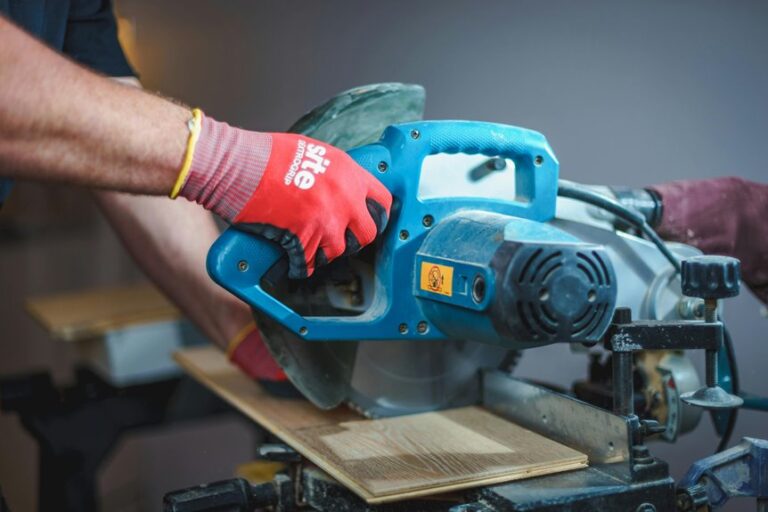
You want clean crosscuts, accurate angles, and less fuss in the shop or garage. That usually means paying attention to bevel range, slide action, blade size, and whether corded or cordless fits your space and workflow.
The eight picks below cover compact trim work, heavier framing tasks, and portable setups for jobsite carry. Some lean toward precision, others toward reach or convenience, so you can match the saw to the kind of work you actually do.
The Shortlist At A Glance

Evolution Power Tools R185SMS+ Sliding Miter Saw

DEWALT 20V MAX 7-1/4-Inch Miter Saw (DCS361M1)
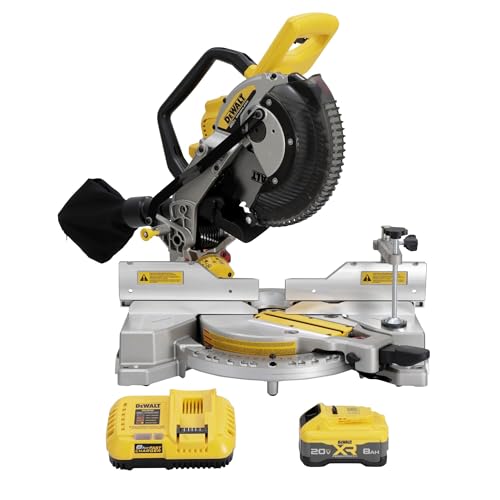
DEWALT 20V MAX XR 10 in. Double Bevel Fixed Miter Saw Kit

BOSCH CM10GD Compact Miter Saw

Metabo HPT 10-Inch Single Bevel Compound Miter Saw (C10FCG2)

Makita LS1019L 10 Dual-Bevel Sliding Compound Miter Saw

DEWALT Miter Saw, Double-Bevel, Compound, 12-Inch, 15-Amp (DWS716)

Makita LS1219L 12 Dual-Bevel Sliding Compound Miter Saw
The R185SMS+ makes sense for shops that move between wood, plastic, and metal without wanting a different saw for every task. Its 45-degree bevel, 50-degree miter range, and 210 mm slide give you useful flexibility for trim work and mixed-material cuts.
The honest read is that this one suits project-driven work more than pure framing volume. For a garage bench, weekend remodels, or small fabrication jobs, the included blade and compact 7-1/4-inch format keep it approachable.
Strong Points
- Cuts several material types, so your shop setup stays simpler.
- Sliding action helps with longer crosscuts on trim and board stock.
- 45-degree bevel and 50-degree miter ranges cover many common angle cuts.
- The smaller blade size keeps the saw easier to move and store.
- Included blade means you can get started without hunting for a matching one.
Things To Consider
- Seven and one-quarter inch capacity can feel modest beside 10-inch and 12-inch choices later in the list.
- Mixed-material cutting is handy, but setup discipline matters more than with a single-purpose saw.
- Routine cleaning around the guard and slide rails helps keep motion smooth.
Feature Snapshot
Who It Suits Best
You get the most from this saw in a home shop or light contractor setup where mixed materials show up often and storage room is tight.
A Better Fit Elsewhere
Makita LS1219L 12 Dual-Bevel Sliding Compound Miter Saw suits you better for bigger stock and a more expansive cutting setup.
Cordless convenience is the whole point here, and that makes this DEWALT feel natural for punch lists, punchy stair work, and trim installs away from a fixed bench. The 7-1/4-inch blade keeps the tool more portable than the larger saws in this roundup.
Compared with the Evolution model, this one trades material versatility for grab-and-go convenience. That trade-off works well for finish carpentry, apartment work, and quick cuts at houses where dragging a cord becomes a hassle.
What We Like
- Cordless design makes moving from room to room easier.
- Smaller blade format supports lighter carry weight and simpler storage.
- Fits cleanly into trim and punch-list work where flexibility matters.
- DEWALT’s 20V MAX platform suits crews already invested in that battery family.
Room For Improvement
- Seven and one-quarter inch capacity is better for portability than for heavy stock.
- Battery-powered use means you need to stay mindful of charge management on long days.
- Less suited to repeated large-board cuts than the 10-inch and 12-inch saws later on.
Details At A Glance
Built With In Mind
You fit this saw best in a mobile trim setup, especially where quick setup and fast relocation matter more than raw cutting size.
Swap It Out When
DEWALT Miter Saw, Double-Bevel, Compound, 12-Inch, 15-Amp (DWS716) suits you better when you want a corded tool with more capacity for larger lumber.
This 10-inch DEWALT sits in a useful middle zone, larger than the 7-1/4-inch cordless model but still easier to manage than the 12-inch heavy-duty options. A double-bevel setup means you can tilt the blade both ways, which cuts down on flipping workpieces during angle-heavy trim installs.
That matters in real jobsite use, especially for crown, base, and other finish details where setup time adds up. The fixed-body format also keeps the layout straightforward, which many installers will appreciate more than extra bells and whistles.
Upsides
- 10-inch blade size gives more reach than the compact 7-1/4-inch saws.
- Double-bevel action saves time on mirrored angle cuts.
- Kit format can suit someone building a cordless tool setup around a single line.
- More substantial capacity makes it useful for general remodeling and trim work.
- Good middle ground for crews that want one saw to cover many tasks.
Softer Spots
- Fixed design gives up the sliding reach that the Bosch and Makita slide saws offer.
- Battery workflow still asks for attention to charge and runtime planning.
- Bulk is greater than the lighter 7-1/4-inch cordless option.
Core Details
Who Will Love This
You suit this saw best if your work mixes trim, framing details, and portable jobsite use without needing a slide mechanism.
Look Elsewhere When
BOSCH CM10GD Compact Miter Saw fits better for you if slide reach and a wall-friendly footprint matter more than cordless convenience.
The glide-style arm is the main reason this Bosch stands out, because it gives you sliding performance without the bulky rear travel that some shops struggle to accommodate. In a tight garage, that can matter just as much as blade size.
The included 60-tooth carbide blade also points it toward cleaner finish cuts rather than rough utility work. Compared with the DEWALT cordless models, this one feels better suited to a fixed station where accuracy and compact placement carry more weight than battery mobility.
Reasons To Buy
- Glide-arm layout helps keep the saw footprint compact.
- Flush-against-the-wall placement suits small shops and crowded benches.
- 10-inch blade format works well for trim and general carpentry.
- Sixty-tooth carbide blade leans toward smoother finished cuts.
- Corded 15-amp power fits steady bench use without battery juggling.
Minor Gripes
- Glide systems can feel different from standard sliding rails, so setup habits may take a little getting used to.
- Best suited to a dedicated workspace rather than quick, one-handed move-and-go jobs.
- Regular dust cleanup around the glide path helps preserve smooth travel.
At A Glance
Whose Shelf It Belongs On
You fit this saw best in a home workshop or trim shop where a smaller footprint matters as much as cutting accuracy.
Another Choice May Suit
Makita LS1219L 12 Dual-Bevel Sliding Compound Miter Saw makes more sense for you when you need a larger blade and broader stock handling.
Metabo HPT keeps this one refreshingly straightforward, and that simplicity can be a strength for trim work, weekend carpentry, and light install jobs. The Xact Cut Shadow Line helps with alignment, which is useful when you want the cut line visible without relying on a lot of guesswork.
Compared with the dual-bevel saws above, this model gives up some angle convenience, but it also stays lighter and easier to handle. For many home projects, that trade feels reasonable, almost like choosing a smaller wrench set that still covers the essentials.
Best Bits
- Lightweight design makes carrying and repositioning easier.
- Xact Cut Shadow Line improves visual alignment for cuts.
- Precision miter angles help with repeatable setup.
- 10-inch format covers common trim and board tasks.
- 40-tooth TCT blade gives a useful out-of-box starting point.
Worth Noting
- Single-bevel design means more flipping for mirrored angle cuts than dual-bevel options.
- The lighter build is convenient, though it can feel less substantial than the heavier Bosch and Makita saws.
- Shadow-line systems work best in good ambient light, so shop lighting still matters.
Quick Facts
Right Fit
You suit this saw best if you want a lighter corded setup for trim, shelving, and general home carpentry.
Where A Sibling Pick Shines
DEWALT Miter Saw, Double-Bevel, Compound, 12-Inch, 15-Amp (DWS716) is the better route for you when dual-bevel convenience matters more than portability.
The LS1019L looks built for tighter shops that still want the reach of a sliding saw and the convenience of dual bevels. The laser helps with cut placement, which is handy on finish work where even a small misread can waste material.
Against the Bosch CM10GD, this Makita feels more explicitly premium in scope and hardware layout. The trade-off is that you are paying for a more specialized setup, so casual weekend use may not fully justify all that capability.
Highlights
- Dual bevel layout reduces work during mirrored angle cuts.
- Sliding compound design gives extra reach for wider stock.
- Laser guide supports more confident line placement.
- 10-inch blade keeps the saw manageable for a capable class of tool.
- Well suited to finish carpentry where accuracy matters more than raw bulk.
Points To Note
- Higher-end hardware usually makes sense only when you cut often enough to use it.
- Sliding mechanisms and laser components benefit from careful cleaning and alignment checks.
- More capable than the Metabo HPT, but also less plain and simple.
Technical Sheet
The Right Fit
You fit this saw best in a finish-carpentry setup where clean angle work and a smaller footprint need to live together.
Not Your Match When
Metabo HPT 10-Inch Single Bevel Compound Miter Saw (C10FCG2) makes more sense if you want a lighter, simpler saw for basic trim jobs.
This 12-inch DEWALT is the sort of saw that makes sense for general carpentry because it gives you broader blade capacity without pushing into the most specialized premium space. Double bevels help on crown and trim, especially where repeated left-right angle changes would otherwise slow you down.
Compared with the 10-inch options in this list, it gives you a little more breathing room for larger workpieces. The trade-off is a bigger footprint, so a crowded bench or compact garage may feel the extra size quickly.
Standout Traits
- 12-inch blade size gives more capacity for larger trim and carpentry jobs.
- Double bevel setup keeps mirrored cuts more efficient.
- 15-amp corded power suits steady workshop use.
- Good middle ground for crews wanting more size without moving to the largest saw here.
Small Caveats
- Larger body takes up more bench and storage room than the 10-inch models.
- Not as compact as the Bosch glide saw for tight shops.
- Regular blade and fence cleanup helps keep finish cuts consistent.
Feature Rundown
Who Should Grab It
You suit this saw best if you want a roomy general-purpose miter saw for trim, framing details, and regular home projects.
Reach For A Different Pick When
Makita LS1219L 12 Dual-Bevel Sliding Compound Miter Saw is the better move when you also want sliding reach along with that 12-inch capacity.
The two-steel-rail sliding system is the big talking point here, and it gives this Makita a different feel from the Bosch glide design and the smaller DEWALT options. That layout also helps the saw sit flush against a wall, which is useful in shops where every inch matters.
For large trim runs, built-ins, or wide-board cuts, this is the most work-ready saw in the lineup. The honest read is that it only makes sense when you need that much capacity, because the size and complexity can be more than casual weekend work really asks for.
Positives
- 12-inch blade capacity suits larger material and repeated big cuts.
- Dual bevels reduce flipping during angle-heavy work.
- Sliding system supports broader reach on wide boards.
- Wall-friendly footprint helps in compact shops.
- Strong match for serious trim and cabinet-adjacent work.
Areas To Watch
- Bigger tool means more storage and bench planning than the 10-inch saws.
- Higher-capacity setups ask for more careful setup and maintenance habits.
- Overkill for light punch-list work or very occasional home use.
Core Details
Made For
You suit this saw best if your work includes wide trim, longer stock, or a dedicated shop where a larger footprint is acceptable.
Skip It When
Metabo HPT 10-Inch Single Bevel Compound Miter Saw (C10FCG2) is the more sensible pick for smaller spaces and lighter daily handling.
How To Choose The Right Dual Bevel Miter Saws
Blade Size, Capacity, And The Work You Actually Do
Blade diameter shapes what fits under the saw and how often you need to reposition stock. A 7-1/4-inch model keeps things light and portable, while 10-inch and 12-inch saws give you more room for trim, lumber, and broader crosscuts.
That choice matters more than marketing language. Finish carpentry, stair trim, and cabinet work usually benefit from more capacity, while punch-list jobs and mobile installs reward smaller, easier-carry formats.
Why Dual Bevel Matters In Real Use
Dual bevel means the blade tilts left and right, so you can make mirrored angle cuts without constantly flipping the workpiece. That saves time on crown molding, picture frames, and repeated trim details.
Single-bevel saws can still do excellent work, and the Metabo HPT model shows why many home shops keep them in play. The trade-off is extra handling, so dual bevel tends to feel more efficient once your projects get more angle-heavy.
Sliding Vs Fixed, And Where Each One Fits
Sliding saws move the blade along rails or a glide system, which adds reach for wider boards. Fixed models keep the tool simpler and often lighter, which helps when portability matters more than board width.
The Bosch CM10GD and Makita LS1219L are stronger matches for bigger stock, while the DEWALT 20V MAX XR fixed kit makes sense for easier carrying and simpler setup. Your bench space, not just your budget, should drive this choice.
Power Source, Storage, And Daily Convenience
Corded 15-amp saws suit a dedicated garage or jobsite with dependable outlets. Cordless models help when the workspace shifts from room to room or when cord management gets in the way.
Storage also deserves attention. A compact footprint, wall-friendly slide design, or lighter frame can matter just as much as cut quality once the day’s work is done and the saw has to live somewhere.
What To Weigh Before You Decide
Common Shopping Slip Ups
Many people start with blade size and stop there. That misses the real question, which is whether you need a sliding arm, dual bevel, or a compact body that fits the space you actually have.
Another frequent misstep is treating cordless convenience as a replacement for all-day capacity. A battery saw is handy for mobile trim work, but a corded 12-inch unit still makes more sense for bigger, repeat cuts in one place.
Why Top Tier Costs More
Higher-end saws usually pay for smoother sliding systems, better alignment aids, larger cutting envelopes, and more refined materials. The Makita LS1219L and Bosch CM10GD show that extra size control and space-saving design usually come from more complex hardware.
That upgrade pays off when you cut often enough to notice setup speed and repeatability. For occasional home use, a lighter 10-inch or single-bevel saw may be the more sensible spend.
Frequently Asked Questions
What size blade works best for most home trim jobs?
A 10-inch saw gives you a good middle ground for trim, shelving, and general carpentry. It stays more manageable than a 12-inch saw while offering more reach than a compact 7-1/4-inch model.
Is dual bevel worth it for occasional use?
Yes, especially for crown molding and mirrored angle cuts. The time savings are real, even on a weekend project.
Do sliding saws take up much more space?
Usually, yes, though glide designs and wall-friendly rail systems help. A compact shop benefits from measuring bench depth before choosing one.
What makes cordless saws useful?
Cordless saws help when you move from room to room or work in places without easy outlet access. They’re convenient, but battery planning matters more on longer workdays.
Which saw is easiest for a first serious shop setup?
A 10-inch corded dual-bevel saw is the simplest place to start. It balances capacity, control, and setup without pushing into the largest formats.
Final Thoughts
Your best choice depends less on brand loyalty and more on how you work. The smaller Evolution and DEWALT cordless picks suit mobile jobs, while the Bosch and Makita sliding models make more sense once width, precision, and shop layout start mattering together. The DEWALT DWS716 sits in a very practical middle ground, and the Metabo HPT keeps things simple for lighter work. Pick the saw that matches your space and your usual cuts, and the rest tends to fall into place.