


You want an air compressor that feels steady in daily use, not one that turns into a chore after the second project. That means looking past big pressure numbers and paying attention to tank size, airflow, portability, noise, and how much maintenance the pump asks of you. This roundup focuses on durable options for garages, job sites, vehicles, and home projects, so you can match the machine to the work instead of forcing the work to fit the machine.
Quick Look At Our Durable Air Compressor Shortlist

Klutch 29-Gallon Air Compressor 2.5 HP 175 PSI

ALL-TOP Air Compressor Kit Dual Cylinder 12V Portable Inflator

DEWALT Air Compressor 225-PSI Max D55146

Craftsman 3 Gallon Hot Dog Air Compressor Oil-Free 155 PSI

Craftsman 10-Gallon Air Compressor CMXECXA0201041
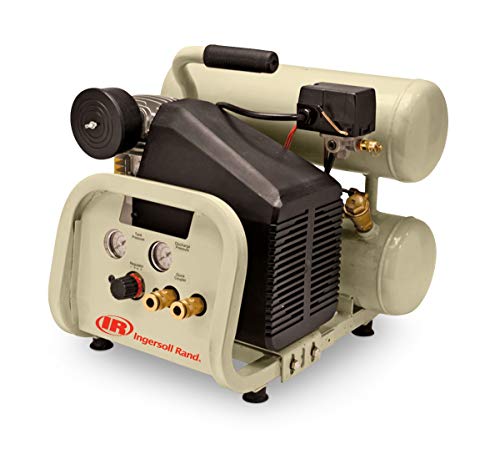
Ingersoll Rand 42672949 2 HP Portable Twin-Stack Air Compressor

VEVOR 13-Gallon Air Compressor 2HP 66dB
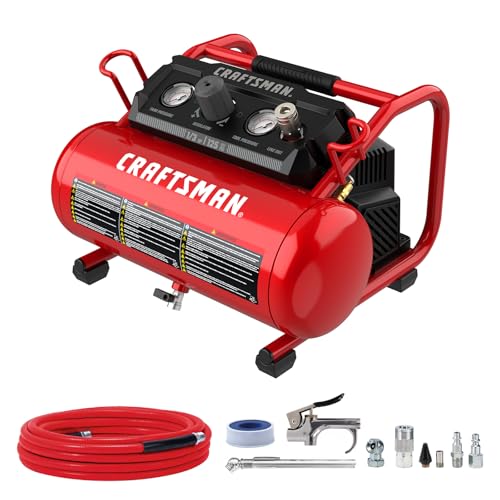
CRAFTSMAN Air Compressor 2 Gallon Portable 1/3HP
More Details On Our Top Picks
That 29-gallon tank puts this Klutch in a different lane from the smaller Craftsman and DEWALT units below. You get more air in reserve, so repeated nailer work or painting sessions feel less stop-start in a home garage.
The oil-free vertical layout also keeps upkeep simpler, and the large wheels matter more than they sound like they should. The honest trade-off is size, because this is the pick that asks for more floor space and more room to roll around.
Reasons To Buy
- 29-gallon capacity suits longer work sessions.
- 175 PSI ceiling gives you extra headroom for common shop tasks.
- 5.1 CFM at 90 PSI helps keep air tools moving without constant pauses.
- Oil-free pump cuts down on routine maintenance.
- Large wheels make it easier to move across a garage floor.
Points To Note
- Its footprint is larger than the compact 2 and 3 gallon picks.
- Vertical storage still needs a stable corner or open wall space.
- It makes more sense for stationary shop use than for tossing in a truck bed.
Feature Rundown
Built With In Mind
You should look at this one as a garage anchor for nailing, painting, and other repeat jobs that benefit from a bigger tank. It fits someone who values fewer recovery pauses more than compact storage.
A Better Fit Elsewhere
Craftsman 10-Gallon Air Compressor CMXECXA0201041 suits you better for a smaller shop where mobility matters more than tank size.
This ALL-TOP kit shifts the whole category into vehicle-based use, which is a different job from the garage compressors above. The dual-cylinder 12V setup and 12.35 cubic feet per minute output point it toward truck tires, 4×4 trips, and RV travel where portability matters more than a tank.
You may find it especially useful for trail kits, where a compressor lives in the vehicle and gets used on demand instead of sitting in a shop corner. The trade-off is that it serves a narrower purpose than the big stationary models, so it makes less sense as your only home compressor.
What We Like
- 12V power keeps it tied to vehicle use.
- Dual-cylinder layout supports strong inflation performance.
- 12.35 cubic feet per minute is useful for larger tires.
- 150 PSI ceiling gives flexibility for common off-road and RV needs.
- Easy to stash with trail gear or roadside equipment.
Softer Spots
- It is built for vehicles, not shop stations.
- People who want a garage all-rounder will need a different type of compressor.
- As with any portable inflator, cable and hose handling matters during storage.
Core Details
Who It Suits Best
You should lean toward this one for overlanding, truck ownership, and RV trips where a compact inflator is part of the gear loadout. It fits users who care more about trail readiness than workshop versatility.
Look Elsewhere When
Klutch 29-Gallon Air Compressor 2.5 HP 175 PSI makes more sense for a fixed garage where nailers, paint jobs, and larger tool cycles are part of the routine.
DEWALT keeps this one compact at 4.5 gallons, but the 225 PSI ceiling gives it a more aggressive profile than the 3 gallon Craftsman below. That combination can suit trim crews, punch-list work, and other jobs where you want a portable compressor with a little more pressure reserve.
The hand-carry form and wheels make moving it around a jobsite easier than dragging a full-size shop tank. The honest catch is that a smaller tank still means more frequent cycling during heavier air-tool use, so it works best where portability comes first.
Bright Spots
- 225 PSI maximum pressure adds useful headroom.
- 4.5-gallon size stays manageable for carry-around work.
- Wheels help you roll it between work areas.
- Well suited to mobile service calls and light trade jobs.
Worth Noting
- Smaller tank size limits long tool runs.
- Portable format makes storage easy, but not as convenient for high-volume spraying.
- It asks more of the motor during repeated recovery cycles than bigger-tank units.
Feature Card
Who Will Love This
You should look at this DEWALT model for mobile repair work, small jobsite tasks, and anyone who needs portable pressure with a higher ceiling than the tiny tank crowd. It fits a busy day where the compressor gets moved, not parked.
Swap It Out When
VEVOR 13-Gallon Air Compressor 2HP 66dB is the better match for a home shop that needs more runtime and quieter operation.
This 3-gallon Craftsman feels like the easygoing option in the lineup, especially after the heavier Klutch and DEWALT models. Its oil-free pump keeps routine upkeep lighter, and the 36-pound weight helps it stay friendly for shelves, trunks, and small garages.
The 2.6 CFM at 90 PSI tells you exactly where it belongs, which is lighter nailing, quick inflation, and short bursts of air tool use. The trade-off is simple: you give up tank volume, so longer jobs will need more patience.
Best Bits
- 3-gallon tank keeps the footprint compact.
- Oil-free pump reduces routine maintenance needs.
- 36-pound weight is manageable for frequent moving.
- 2.6 CFM at 90 PSI fits light shop and home tasks.
Small Caveats
- Small tank size limits continuous tool use.
- It suits quick jobs more than longer spray work.
- Owners with larger garages may outgrow it fast.
Details At A Glance
The Right Fit
You should grab this one for quick household repairs, trim work, and garage storage where compact size matters most. It suits you better than a 10-gallon compressor when space is tight.
Where A Sibling Pick Shines
Craftsman 10-Gallon Air Compressor CMXECXA0201041 is the smarter choice for longer sessions and users who want more reserve air.
This Craftsman sits in a useful middle ground, with enough tank volume to feel more relaxed than the 3-gallon model yet still manageable on wheels. The 4.0 CFM at 90 PSI and 5.0 CFM at 40 PSI give you a clearer sense of its comfort zone, which is spraying, pneumatic tools, and other steady home-shop duties.
Because it is oil-free, routine cleanup stays simpler than with oil-lubricated designs, and that matters in a garage you use often. The honest limitation is that it still is not a full shop beast, so very demanding air tools will push it harder than a larger stationary unit would.
Highlights
- 10-gallon tank offers a practical middle ground.
- 4.0 CFM at 90 PSI supports common air tools.
- 5.0 CFM at 40 PSI helps with lower-pressure tasks.
- Wheels make movement easier around the shop.
- Oil-free setup keeps upkeep straightforward.
Room For Improvement
- It takes more space than the compact Craftsman 3-gallon model.
- Heavy continuous use can still outpace its tank size.
- Storage is easier than a 29-gallon unit, but it still needs a dedicated corner.
Quick Facts
Whose Shelf It Belongs On
You should choose this model for a home garage that sees painting, inflation, and moderate pneumatic work without demanding commercial-grade output. It fits well for someone who wants more breathing room than a 3-gallon tank gives.
A Better Fit Elsewhere
Klutch 29-Gallon Air Compressor 2.5 HP 175 PSI is the stronger match for longer shop sessions where a much larger tank matters.
The twin-stack shape is the clue here, because this Ingersoll Rand is built for easier carrying without giving up all of the useful air storage. At up to 3.2 CFM at 90 PSI, it sits below the Craftsman 10-gallon unit on output, but the lighter, ergonomic design makes a real difference for service calls and moving between spaces.
That makes it a sensible match for contractors, field repair work, and anyone who values a compact body over a bigger tank. The trade-off is that it is less comfortable for long spray sessions than the 10-gallon or 29-gallon options, so heavy shop routines may ask for more waiting.
Positives
- Twin-stack layout keeps the shape easy to handle.
- Lightweight build helps during repeated moves.
- Ergonomic handling matters on stairs, truck beds, and tight job sites.
- 3.2 CFM at 90 PSI works for lighter air-tool use.
Areas To Watch
- It gives up runtime to larger tank compressors.
- Heavier jobs may trigger more recovery pauses.
- Smaller portable bodies usually need sensible hose storage to stay tidy.
Technical Sheet
Perfect Match For
You should choose this for mobile professionals who carry equipment between jobs and value easy handling more than maximum tank volume. It feels especially sensible for frequent transport in vans, trucks, and workshop-to-workshop setups.
Not Your Match When
VEVOR 13-Gallon Air Compressor 2HP 66dB is the better fit for a quieter fixed spot where you want more tank volume and a calmer sound profile.
This VEVOR model aims at the middle of the market in a pretty practical way, with a 13-gallon tank and 4.6 SCFM at 90 PSI. That blend gives you enough room for tire inflation, woodworking, auto repairs, and spray painting without jumping all the way to a much larger garage compressor.
The 66dB quiet operation claim matters most in a home shop or attached garage, where loud cycling can get old quickly. The trade-off is that quiet operation does not make it tiny, so you still need a real storage spot and a little patience during setup.
Upsides
- 13-gallon capacity covers a lot of home-shop ground.
- 4.6 SCFM at 90 PSI supports more demanding light tools.
- Quiet operation suits attached garages and shared spaces.
- Oil-free tank keeps routine care simple.
- Good fit for mixed-use ownership, from tires to paint work.
Minor Gripes
- It still needs more space than the compact 3-gallon models.
- Longer spray jobs may be better handled by the 29-gallon Klutch.
- Quiet operation helps a lot, but it does not remove all compressor noise.
Spec Overview
Who Should Grab It
You should choose this for a garage that handles mixed jobs and needs a compressor that feels comfortable for regular use. It suits you well if quiet operation is part of the buying logic.
Consider Something Else When
Craftsman 10-Gallon Air Compressor CMXECXA0201041 is the better fit if you want a slightly smaller and simpler shop compressor with wheels.
This 2-gallon CRAFTSMAN is the smallest and easiest-to-store option here, and that matters in apartments, small garages, or a packed utility shelf. The included 10-piece accessory kit makes the setup feel more self-contained, which is helpful for light inflation and occasional household tasks.
The 1/3 HP motor and 125 PSI maximum pressure tell you not to expect heavy shop stamina, and that’s fine for its size class. You may find it best as a grab-and-go helper, not a compressor you leave running through long sessions.
Best Bits
- 2-gallon tank keeps storage simple.
- Lightweight build is easy to carry and tuck away.
- 125 PSI maximum pressure covers basic inflation jobs.
- Accessory kit adds value for quick household use.
- Oil-free design lowers routine upkeep.
What To Watch
- It is a light-duty option, not a high-output shop compressor.
- Small tank volume limits longer tool use.
- Accessory pieces need a tidy storage place so they do not wander off.
At A Glance
Made For
You should choose this for light household use, small storage spaces, and quick jobs where portability matters more than output. It fits beginners and casual owners who want a simple helper on hand.
Another Choice May Suit
Craftsman 3 Gallon Hot Dog Air Compressor 155 PSI is the better step up for anyone who wants a little more tank room without jumping to a larger shop unit.
How To Choose The Right Durable Air Compressors
Match Tank Size To Your Work
Tank size changes how often the compressor pauses to refill. A 2 to 3 gallon unit like the CRAFTSMAN models suits quick inflation and short bursts, while the 10, 13, and 29 gallon picks give you more reserve air for nailing, spraying, and longer tool runs. Bigger tanks usually mean more floor space, so storage matters as much as output.
Read CFM And PSI Together
CFM means cubic feet per minute, or how much air the unit can move over time. PSI means pounds per square inch, which is the pressure available at the outlet. A high PSI number without enough CFM can still feel underpowered during real work, so the balance matters more than either figure alone.
Decide How Portable You Need It To Be
Hand-carry models and twin-stack designs suit mobile repair work, truck beds, and tight storage spaces. Wheels help the heavier garage units, but they do not turn a large compressor into a grab-and-go tool. The Klutch and Craftsman 10-gallon picks make sense for semi-stationary use, while the ALL-TOP and DEWALT options lean toward transport.
Think About Noise And Maintenance
Oil-free pumps reduce routine upkeep, which helps in busy garages where you want less fuss. Quiet operation also makes a difference in attached shops or neighborhoods with thin walls, and the VEVOR model stands out there. On the flip side, quieter and simpler designs can still be bulky, so you trade one kind of convenience for another.
Things Worth Knowing First
Common Shopping Slip Ups
A lot of people fixate on maximum pressure and forget airflow. That leads to a compressor that looks strong on paper but feels slow once you attach a nailer or spray gun. Another common miss is forgetting where the tank will live, which matters a lot with the larger Klutch and VEVOR units.
The Upgrade Payoff
Higher-tier models usually cost more because they carry bigger tanks, stronger airflow, better mobility hardware, or quieter pumps. That extra spend makes sense for regular garage use, mobile trade work, or anyone who hates waiting for recovery time. For occasional inflation, the smallest Craftsman unit keeps things simpler and easier to store.
Frequently Asked Questions
What size air compressor works for home use?
A 2 or 3 gallon unit fits quick inflation and light tasks. A 10 to 13 gallon compressor gives you more flexibility for tools and longer sessions.
Is oil-free better for durability?
Oil-free designs usually mean less routine maintenance, which suits casual and busy home use. The trade-off is that you should still think about storage, airflow, and duty level instead of assuming every oil-free unit suits heavy work.
What does 90 PSI airflow tell you?
That figure helps you compare how much air a compressor can deliver while under load. Higher CFM at 90 PSI usually means better support for air tools that need a steadier supply.
Can a portable compressor handle painting?
Small portable units can handle short, light spray tasks, but tank size and airflow matter a lot. A 10 or 13 gallon compressor is usually a more comfortable fit than a tiny 2 gallon model.
Which compressor is easiest to store?
The 2 gallon CRAFTSMAN and the 3 gallon Craftsman are the simplest to tuck away. Larger units bring more capability, but they ask for more room and more planning.
Closing Thoughts
A good compressor should feel like useful background equipment, not a project in itself. The right choice depends on where you work, how often you use air tools, and whether you care more about portability, quiet operation, or tank reserve. The Klutch and VEVOR models suit more serious home-shop routines, while the smaller Craftsman options make sense for lighter, everyday ownership. Match the machine to your space and your habits, and the rest gets easier.




