


A small shop fills up fast, and dust has a way of settling into every corner, cabinet, and tool base. You need hose lengths, separator capacity, and vacuum fit that match your space instead of fighting it. The picks below focus on setups that make cleanup easier in real woodworking spaces, garage benches, and compact tool stations.
Quick Look At The Shortlist

POWERTEC 4″ x 5′ Dust Collection Hose (70393)

POWERTEC 6″ x 20′ Dust Collection Hose (70267)

POWERTEC 6″ x 5′ Dust Collection Hose (70239)

POWERTEC 2-1/2” x 36” Dust Collection Hose (70198)
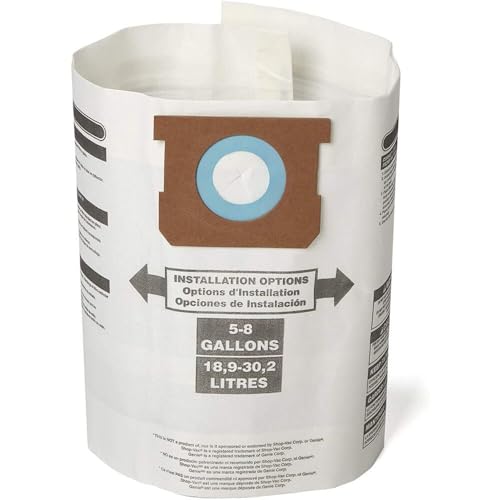
CRAFTSMAN CMXZVBE38767 5-8 Gal. Shop Vacuum Dust Bags

Cyclone Dust Separator Kit for 4

Rockler Dust Right Dust Separator w/ 36” Hose & 10Ga Bucket
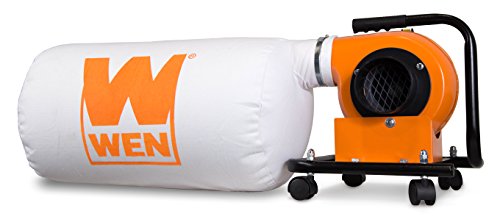
WEN Woodworking Dust Collector DC3401
More Details On Our Top Picks
This shorter POWERTEC hose makes sense around bench tools where a long run would just get in the way. The 4-inch diameter lines up with common dust ports on table saws, band saws, planers, and jointers, and the 5-foot length keeps the connection tidy in a small bay.
You also get two key hose clamps, which matters because secure connections save you from annoying slips during regular shop use. The trade-off is obvious, though, since a short hose is meant for close-coupled tools rather than a room-spanning layout.
Strong Points
- 4-inch size suits many standard woodworking ports.
- Five feet keeps the setup compact and orderly.
- Included clamps help hold the hose in place.
- Works well for bench-side tool stations.
Points To Note
- The short length limits placement flexibility.
- It fits small-shop runs better than distant machines.
Feature Snapshot
Who Should Grab It
Small-shop woodworkers with tools parked close together will get the most from this hose.
A Better Fit Elsewhere
POWERTEC 6″ x 20′ Dust Collection Hose (70267) suits a larger garage shop with fixed machine placements and longer routing needs.
The 20-foot run changes the feel of a shop layout fast, especially when your dust collector stays parked in one corner. Compared with the shorter POWERTEC 4″ x 5′ hose, this one is built for longer, more permanent routing between machines and collection points.
That extra reach helps in a larger garage shop, but it also asks for more thoughtful routing so the hose does not become clutter on the floor. For most fixed setups, the 6-inch diameter and long span make sense, though the size is more than many compact benchtop tools need.
What We Like
- Long reach supports fixed dust lines.
- Six-inch diameter suits higher-volume runs.
- Useful for collectors parked away from tools.
- Helps reduce the need for constant repositioning.
Room For Improvement
- The long hose can be awkward in tight corners.
- It makes the most sense in larger layouts.
- Storage takes more space than shorter hoses.
At A Glance
Made For
You get the most from this hose in a shop with a fixed collector and several stationary tools.
Another Choice May Suit
POWERTEC 2-1/2” x 36” Dust Collection Hose (70198) fits compact machines and smaller dust ports more neatly.
This POWERTEC hose sits in the middle ground between the short 4-foot style and the 20-foot run. The flexible PVC build should suit a garage wall setup, a small cyclone separator link, or even a pet tunnel use case that shows how open the shape can be.
The honest read is that five feet gives you enough slack for many close connections without letting the hose sprawl across the floor. For compact shops, that balance can feel easier to live with than the longer options.
Highlights
- Five-foot length stays manageable.
- Flexible PVC helps with routing around corners.
- Useful for garage and small shop setups.
- Works with cyclone separator links.
Softer Spots
- Six-inch sizing is still better for larger ports.
- It may feel short for wide shop layouts.
Details At A Glance
Whose Shelf It Belongs On
You fit this hose best when you want short routing with a larger 6-inch connection.
Where A Sibling Pick Shines
POWERTEC 6″ x 20′ Dust Collection Hose (70267) works better for a wall-mounted collector and a wider machine spread.
Portable tools usually need a shorter, easier hose, and this POWERTEC 2-1/2 inch option fits that role neatly. The 36-inch span is short enough to stay out of the way near a table saw, miter saw, drill press, or belt sander.
Flexible polypropylene, often shortened to PP, gives the hose a lightweight, bend-friendly feel for moving setups. The trade-off is limited reach, so it works best where the machine and collector sit close together.
Bright Spots
- Short length suits tight work zones.
- 2.5-inch diameter matches many small-tool ports.
- Flexible PP helps with quick positioning.
- Good fit for benchtop and portable machines.
Small Caveats
- It is not meant for long routing.
- Small-shop users may outgrow it fast.
Core Details
Right Fit For
You should look here for portable tools and compact benchtop machines with small dust ports.
Where Shoppers Go Wrong
POWERTEC 4″ x 5′ Dust Collection Hose (70393) is the better match for larger machines that need a wider port and a little more reach.
Vacuum bags can be the quiet helper in a small shop, especially where emptying a canister turns into a dust cloud. These CRAFTSMAN bags fit most 5 to 8 gallon shop vacs and are meant for dry debris, so they suit routine cleanup after sawing or sanding.
That dry-only limit matters because it keeps the use case narrow and predictable. Owners often value that kind of straightforward fit, though you still need to swap bags before they fill too far or airflow starts to feel cramped.
Best Bits
- Fits many common 5 to 8 gallon vacs.
- Helps keep dry debris contained.
- Can reduce cleanup around the canister.
- Three-pack gives you a simple spare supply.
Area To Watch
- Dry debris only, so the use case stays narrow.
- Bag changes add a small upkeep step.
Feature Rundown
Perfect Match For
You fit these bags best when your vacuum handles dry shop dust and everyday debris in a small workspace.
Look Elsewhere When
Rockler Dust Right Dust Separator w/ 36” Hose & 10Ga Bucket suits a setup that wants separation before the vacuum bag ever fills.
A cyclone separator changes the job before debris ever reaches the collector, and that matters in a small shop where filter clogging can become a steady nuisance. This kit is built around a 4-inch setup, so it belongs in woodworking layouts with a dust collector or shop vacuum that benefits from keeping heavier chips out first.
The big benefit is simple: less wear on the machine and less junk making its way into the collection side. The catch is that separators add another piece to store and plumb, so the payoff is strongest in shops that move enough material to justify the extra step.
Reasons To Buy
- Captures heavier debris before it reaches the collector.
- Can help reduce strain on downstream equipment.
- Works well in woodworking cleanup paths.
- Useful for setups that see lots of chips.
Areas To Watch
- It adds another component to store and maintain.
- Space planning matters in compact shops.
Feature Card
Built With In Mind
You suit this kit best when your shop pushes a fair amount of chips through one dust path.
Reach For A Different Pick When
WEN Woodworking Dust Collector DC3401 is the stronger match for a shop that wants the collector, bag, and base in one fuller setup.
This Rockler setup leans into convenience by pairing a separator with a 36-inch hose and a 10-gallon bucket. Compared with the simpler cyclone kit above, it feels more like a packaged station for a shop vac, which is appealing when you want fewer separate parts to source.
The 10-gallon bucket gives the system a more settled footprint, though that also means it occupies more floor or corner space than a bare separator. For a garage shop that wants a neater setup around a vac, that trade can make sense.
Upsides
- Bucket and hose come together in one setup.
- Works as a tidy shop-vac station.
- Longer hose adds placement flexibility.
- Good for contained dust collection layouts.
Honest Caveats
- The bucket takes up more room than a bare separator.
- Assembly and positioning call for a little planning.
Quick Facts
The Right Fit
You suit this separator when you want a compact, organized shop-vac station rather than a loose collection of parts.
Swap It Out When
CRAFTSMAN CMXZVBE38767 5-8 Gal. Shop Vacuum Dust Bags fit a simpler vacuum-only routine with less setup to manage.
The WEN DC3401 moves beyond hoses and separators into a dedicated dust collector, which is why it feels like the most complete step up in this list. The 5.7-amp motor, 12-gallon bag, mobile base, and optional wall mount give you more ways to place it around a small shop without locking you into one layout.
That flexibility is useful for a garage workshop where floor space changes from project to project. The trade-off is size and commitment, since a full collector asks for more planning than a simple hose or bag swap.
Positives
- Dedicated collector suits broader shop cleanup.
- Mobile base supports easier repositioning.
- Optional wall mount helps save floor space.
- 12-gallon bag gives you more collection room.
- Good step up from vacuum-only setups.
Trade Offs
- It takes more room than hose-only options.
- Setup is more involved than a simple accessory.
- Best value comes in a real woodworking shop.
Spec Overview
Who It Suits Best
You fit this collector best when your shop needs a more permanent dust control setup with room to grow.
Where Another Pick Suits Better
POWERTEC 2-1/2” x 36” Dust Collection Hose (70198) is a smarter match for portable saws and small benchtop tools.
How To Choose The Right Dust Collections For Small Shop
Start With Your Machine Mix
Match the hose diameter to the ports on your tools first. A 2-1/2 inch hose works well for smaller bench tools, while 4-inch and 6-inch options make more sense for larger woodworking machines and fixed collector runs.
That simple size check saves you from adapters stacked like a tower of compromises. You also want to think about how often each machine moves, because a portable saw asks for a different setup than a planer parked against one wall.
Think About Distance And Layout
Length matters almost as much as diameter in a tight shop. A 36-inch hose keeps things tidy near one tool, a 5-foot hose covers a little more ground, and a 20-foot hose belongs in a room with a planned path.
Long runs help only when the collector stays put and the floor plan supports it. In cramped garages, a shorter line usually keeps the space easier to walk through and easier to maintain.
Choose Between Collection And Separation
Vacuum bags, cyclone separators, and full dust collectors each solve a different part of the cleanup problem. Bags contain dry debris, separators keep heavier chips out of the vacuum, and a full collector handles a broader woodworking routine.
The right step up depends on how much material your tools produce. For sanding and light cleanup, a bag or separator may be enough, while a busy saw-and-planer setup usually benefits from a larger system.
Plan For Storage And Upkeep
Smaller shops run smoother when the dust gear is easy to store and quick to reset. Hoses need coiling space, separators need a home, and vacuum bags add replacement steps that should feel manageable, not annoying.
Think about cleaning before the purchase, not after the pile grows. A system that fits your shelf space and floor space will get used more often, and that matters more than a shiny feature list.
What To Weigh Before You Buy
Wrong Turns To Avoid
Many small-shop setups go sideways because the hose size does not match the tool port. Another common miss is buying a long hose for a layout that never needed that much reach.
You also want to avoid mixing vacuum accessories with collector parts without checking fit first. A separator or bag that seems close enough can still become awkward once you start routing it around real machines.
Where The Extra Money Goes
Higher-tier dust gear usually costs more because it covers more ground or handles more volume. That can mean a stronger collector, a larger bag, a better separator package, or a hose built for longer runs.
That extra spend makes sense once your shop starts feeling busy rather than casual. For one machine and a little sanding dust, a simple hose or bag setup often stays more sensible.
Frequently Asked Questions
What size hose works best in a small shop?
A 2-1/2 inch hose fits many portable tools, while 4-inch and 6-inch sizes suit larger woodworking machines. Your tool ports should guide the choice more than the shelf space alone.
Do cyclone separators help with shop vacs?
Yes, they keep heavier debris out of the vacuum path before it reaches the canister or filter. That helps in a shop that makes a lot of chips and coarse dust.
Are dust bags a good fit for everyday cleanup?
They work well for dry debris and simple vacuum cleanup. You still need to swap and dispose of them as they fill.
Is a 20-foot hose useful in a compact workshop?
It can be useful only when your collector stays in one spot and the routing is planned. In a tight garage, it can feel like more hose than you really want to manage.
What is the biggest upgrade from a hose to a collector?
A dedicated dust collector handles a broader setup than a single hose or bag arrangement. It makes the most sense once your shop has several fixed machines and regular dust output.
Closing Thoughts
Your best dust setup depends on the way your shop actually works, not on the longest spec sheet. Short hoses help at the bench, separators clean up the vacuum side, and a full collector earns its keep in a busier workspace. Choose the piece that matches your machine mix and the amount of floor space you can spare. That keeps cleanup simple, and simple systems tend to get used.




