


Dust control gets easier once your setup matches the job. A router table, contractor saw, wet-dry vacuum, and full woodworking station all create different mess patterns, so the right system is the one that fits your tools and your space.
This roundup focuses on parts, separators, and full collectors that make day-to-day cleanup less of a scramble. You get options for tight benches, mobile shops, and heavier debris, plus a few practical trade-offs so your setup feels less like guesswork and more like a plan.
The Shortlist At A Glance
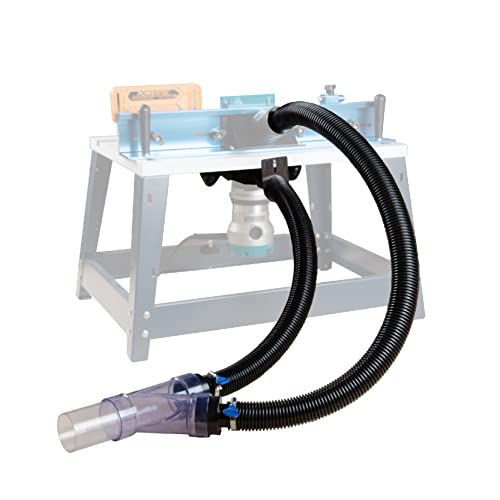
POWERTEC Dust Collector Fittings, Router Table Dust Collection System
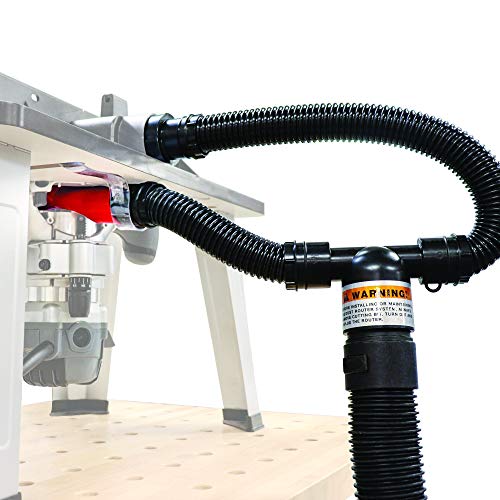
Milescraft 1501 Dust Router – Complete Dust Collection System

POWERTEC 70190 4-Inch by 2-1/2-Inch Y-Fitting Dust Collection Hose Connector

Rockler Dust Right Dust Separator w/ 36 Hose & 10Ga Bucket for Shop Vac
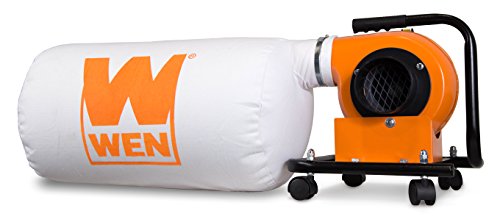
WEN Woodworking Dust Collector 5.7-Amp Motor with 12-Gallon Bag DC3401

DEWALT 6 Gallon Dust Separator for Wet/Dry Shop Vacuums DXVCS002

Milescraft 1500 DustCutter – Contractor Saw Dust Collection System Black

DEWALT 10 Gallon Cyclone Dust Separator for Wet/Dry Shop Vacuums DXVCS003
More Details On Our Top Picks
Router-table work usually leaves chips in awkward places, and this POWERTEC fitting kit is built around that problem. The Y-style layout and reducer pieces make it easier to match a shop vac to different ports, which helps in a garage where you switch tools often.
The honest trade-off is compatibility. The listing says it does not fit lift router tables, so you get a more useful match for standard router-table setups than for specialty benches. That makes it a smart fit for hobby shops that need adaptability more than a fancy all-in-one kit.
What We Like
- Y fittings help branch airflow across more than one connection point.
- Reducer pieces make shop-vac pairing less awkward.
- Works with several common router brands, which broadens its use.
- Small parts like this are easier to store than a full collector.
Room For Improvement
- It is not meant for lift router tables, so fit matters here.
- You are still depending on the rest of your vacuum setup for suction strength.
Feature Snapshot
Who It Suits Best
Home woodworkers with a standard router table and a shop vac will get the most value from this kind of connector kit.
Where Another Pick Suits Better
Milescraft 1501 Dust Router fits better for anyone building a dedicated router-table dust collection setup from the start.
This Milescraft setup leans harder into router-table coverage than the smaller POWERTEC fitting kit. For a dedicated bench, that matters, because you are not cobbling together a path piece by piece, you are buying a system meant to stay with the table.
It suits woodworking spaces where the router sees regular use and tidy chip capture is worth a bit of setup effort. The trade-off is simple, more specialization means less use outside that one job, so it makes less sense for a shop that needs one accessory to do everything.
Highlights
- Complete-system approach reduces the need to mix and match parts.
- Built for router tables, so the fit feels purpose-driven.
- Helpful for repeat bench work, where cleanup habits matter day after day.
- Less piecing together means fewer compatibility puzzles.
Points To Note
- Router-table focus limits how useful it is outside that setup.
- You may prefer a broader dust-control solution for a multi-tool shop.
Core Details
Built With In Mind
Router-table owners who want a more integrated setup than a handful of adapters will appreciate this option.
A Better Fit Elsewhere
POWERTEC Dust Collector Fittings, Router Table Dust Collection System suits the smaller-space woodworker who only needs the connection pieces.
Sometimes the smallest part solves the biggest routing problem, and this Y-fitting is a good example. It links a 4-inch line to two 2-1/2-inch runs, so you can branch hose paths without overcomplicating the bench.
That kind of connector makes more sense in a shop with a few fixed machines than in a minimalist setup. The trade-off is obvious, it only helps where the hose sizes and layout line up, so it is less useful as a universal piece.
Bright Spots
- Bridges 4-inch and 2-1/2-inch hose sizes in one fitting.
- Useful for branching a single collection line to more than one tool.
- Compact parts are easy to keep on hand for shop changes.
Small Caveats
- It only helps where those two hose sizes meet your layout.
- Branch fittings can add clutter if your bench is already crowded.
Quick Facts
Whose Shelf It Belongs On
Shop users who mix a few machines with different hose diameters will get the most out of this connector.
Skip It When
WEN Woodworking Dust Collector DC3401 is a better fit for a shop that needs a full collector instead of a single linking part.
A separator like this sits between the dust source and your vacuum, catching heavier debris before it reaches the filter. That matters in a busy garage, because less material in the vac usually means less time wrestling with clogs and filter cleanup.
The 36-inch hose and 10-gallon bucket point toward a more settled, less fussy station. You may find it especially handy beside sanders, saws, or general shop cleanup, though the larger footprint asks for more storage space than a compact adapter.
Reasons To Buy
- Separator design helps keep heavier debris out of the vacuum.
- Ten-gallon bucket gives you more room before emptying.
- Thirty-six-inch hose adds reach around a workbench or cart.
- Good fit for people who want less filter maintenance.
Areas To Watch
- The bucket and hose take more room than small inline pieces.
- You still need a separate shop vac to complete the system.
Technical Sheet
Who Should Grab It
Vacuum-based shops that collect lots of chips and want less filter fuss are the best match here.
Look Elsewhere When
DEWALT 10 Gallon Cyclone Dust Separator DXVCS003 is the stronger fit for anyone who wants a larger cyclone-style separator.
Once you move beyond fittings and separators, this WEN unit brings you into full collector territory. The 5.7-amp motor and 12-gallon bag make it feel more like a central shop appliance, which suits a garage where sawdust piles up fast.
The mobile base and optional wall mount change how you live with it day to day. Mobile storage helps in cramped shops, while wall mounting can clear floor space, though the wall setup asks for more planning than a small portable separator.
Upsides
- Full dust collector format covers a broader woodworking setup.
- 12-gallon bag gives you more capacity than a small vacuum attachment.
- Mobile base supports easier movement around a garage shop.
- Optional wall mount helps preserve floor space.
Things To Consider
- The wall-mount route takes a little more installation planning.
- It is a larger commitment than a simple separator or fitting.
Feature Rundown
Right Fit For
Serious hobby shops and garage woodworkers who want a stand-alone collector rather than a vac add-on will feel at home with this model.
Another Choice May Suit
Rockler Dust Right Dust Separator w/ 36 Hose & 10Ga Bucket for Shop Vac is the better fit for someone who already owns a strong shop vac and wants to keep using it.
This DEWALT separator is aimed at people who want a cleaner path between the work surface and the vacuum. It captures chips and other debris before they reach the filter, which is helpful in a shop that throws out a mix of wood scraps, dust, and lighter cleanup material.
The four-caster base makes the unit easier to shift, and the 1-7/8-inch and 2-1/2-inch port sizes cover common vac connections. In most garage setups, that mix of stability and mobility feels more useful than a bare bucket sitting on the floor, though the separator still depends on the vacuum behind it.
Standout Traits
- Cyclone-style separation helps keep debris out of the vacuum filter path.
- Four casters make repositioning less awkward.
- Common port sizes improve compatibility with many vacuums.
- Heat-resistant parts should suit regular workshop use.
Softer Spots
- The setup still needs a compatible wet-dry vacuum to work.
- Separator units add another piece to clean and store.
Details At A Glance
Perfect Match For
Small shops, mixed cleanup jobs, and owners who already rely on a wet-dry vacuum are a natural fit for this separator.
Where A Sibling Pick Shines
DEWALT 10 Gallon Cyclone Dust Separator DXVCS003 is the better match for heavier debris loads and a larger collection bucket.
Contractor saws throw dust in a very different way from router tables, and this Milescraft system speaks directly to that problem. The black finish is simple, but the real value is the way the setup is aimed at saw-cabinet collection rather than general shop vacuum cleanup.
That makes it a good fit for someone who spends long stretches cutting sheet goods or boards at a contractor saw. The limit is the same as with other task-specific kits, it helps a lot in one lane and less outside it.
Best Bits
- Designed around contractor saw dust capture.
- More focused than a general-purpose separator or fitting.
- Cleaner saw-area setup can reduce sweep-up afterward.
- Good match for repeat cutting sessions.
Worth Noting
- Its value drops outside contractor saw work.
- You may need to plan space around the saw cabinet.
Core Details
Who Will Love This
Contractor saw owners who want a purpose-built capture setup rather than a general shop accessory should look here first.
Not Your Match When
Milescraft 1501 Dust Router works better for router-table users who need a more complete bench-focused system.
Among the separator-style options here, this DEWALT model leans toward higher-capacity cleanup. The 10-gallon design makes sense for longer workshop sessions, especially when you are pulling in more chips and want less interruption from emptying.
The cyclone format helps keep debris out of the vacuum path, which matters when the project pile gets messy. It takes up more room than the 6-gallon version, so the upgrade only feels right when your shop produces enough waste to justify the larger footprint.
Positives
- Larger 10-gallon capacity supports longer cleanup runs.
- Cyclone separation keeps the vacuum side cleaner.
- Good fit for bigger garage or basement shops.
- Useful where debris volume climbs quickly.
Minor Gripes
- It asks for more storage space than the 6-gallon model.
- You still need a compatible wet-dry vacuum to complete the setup.
Feature Card
Best Suited To
Shop owners who generate a lot of sawdust and debris, and who already rely on a wet-dry vacuum, will get the most from this model.
Swap It Out When
DEWALT 6 Gallon Dust Separator DXVCS002 is the better fit for tighter spaces and lighter cleanup routines.
How To Choose The Right Dust Collector Systems
Match The Tool To The Mess
Router tables, contractor saws, and shop vacuums throw dust in different ways, so the collection setup should follow the tool. A fitting kit makes sense for a narrow task, while a separator or full collector matters more once chips and dust start piling up across several stations.
You also want to think about hose size and port style before anything else. A 4-inch line, a 2-1/2-inch vac hose, and a Y fitting are not interchangeable in a casual way, and a mismatch here turns a tidy upgrade into a frustrating return trip.
Think About Space And Movement
Mobility is a bigger deal than it sounds. A four-caster base or mobile frame helps in a crowded garage where you roll tools into position, while a wall-mount option can recover floor space for clamps, lumber, or a benchtop saw.
That choice changes upkeep too. A stationary setup tends to feel more organized, but a portable separator or fitting is easier to stash when the shop doubles as parking or storage.
Look At Capacity Before Capacity Looks At You
Small separators work well for lighter cleanup, yet a 10-gallon bucket or 12-gallon bag becomes useful once a project starts shedding more material. Bigger capacity usually means fewer pauses, though it also means more bulk and a larger footprint.
For ongoing woodworking, the honest read is that the right size depends on how often you empty it. A compact unit is fine for occasional use, but a busier shop benefits from a design that lets you stay at the bench longer.
Choose The Simplest System That Solves Your Problem
Some setups need only a connector, especially when you already own a strong vacuum. Others need a separator to protect the filter, or a full collector when the shop produces enough dust to make small fixes feel patchy.
That decision saves money and space in the long run. Start with the mess you actually make, then pick the least complicated system that handles it without creating extra cleanup work.
What To Weigh Before You Commit
Where Shoppers Go Wrong
A common mistake is buying a separator or collector before checking hose diameters and tool ports. Another slip-up is choosing a task-specific kit for a shop that really needs broader coverage, which leaves you with a part that solves only half the problem.
Storage matters too. A large bucketed separator or full collector can feel awkward in a small garage, so a compact fitting or wall-mount setup may make more sense than a heavier floor unit.
The Upgrade Payoff
Higher-tier models usually cost more because they add capacity, sturdier moving parts, or more integrated collection paths. You are paying for fewer emptying stops, cleaner airflow paths, and a setup that fits a busier shop without constant tinkering.
That upgrade is worth it for regular woodworkers who rack up long sessions or create lots of chips. For occasional bench work, a simpler accessory often does the job with less clutter and less spend.
Frequently Asked Questions
Do you need a full dust collector or just a separator?
A separator is enough for many wet-dry vacuum setups because it keeps heavier debris out of the filter. A full collector makes more sense once your shop produces enough dust to justify a dedicated machine.
Are router-table systems hard to fit?
They are usually straightforward once the router model and port layout line up. The trouble starts when the table design uses lift hardware or a nonstandard opening.
Why do some setups use a Y fitting?
A Y fitting splits airflow into two paths, which helps one collection line serve more than one connection point. That is handy in shops with several machines sharing similar hose sizes.
What size separator works for a small garage shop?
A 6-gallon separator often suits tighter spaces because it stays compact. A 10-gallon model gives you more room before emptying, but it also takes more floor space.
Should you mount a collector on the wall?
Wall mounting helps when floor space is tight and you want a more permanent spot for the unit. Mobile bases suit shops that rearrange tools often or share space with another use.
Closing Thoughts
The right dust control setup makes the whole shop feel easier to live with. A small connector can tidy one router table, a separator can protect a wet-dry vacuum, and a full collector can support longer woodworking sessions without constant cleanup interruptions. Your best fit comes down to how much dust you make, how much space you have, and how much movement your shop needs. Start with the tool, match the layout, and the rest gets simpler.




