


A shop vac setup works better when the hoses, separators, and fittings match the job instead of fighting it. You may be cleaning sawdust from a garage bench, keeping a mitre saw area tidier, or trying to make a portable vac less clumsy on the move. The right parts save you from leaky connections, awkward hose routing, and bucket fills that happen too fast. This roundup focuses on pieces that suit real shop use, from simple adapters to full dust-moving gear.
Quick Look At The Shortlist

POWERTEC 2-1/2 Inch Clear Y Fitting (70228)

POWERTEC 2-1/2” x 36” Dust Collection Hose (70198)

CRAFTSMAN CMXEVBE17155 10 Gallon Stainless Steel Wet Dry Vac

POWERTEC 70190 4-Inch by 2-1/2-Inch Y-Fitting

POWERTEC 70322 4 Inch to 2-1/2 Inch Reducer and Flex Cuff
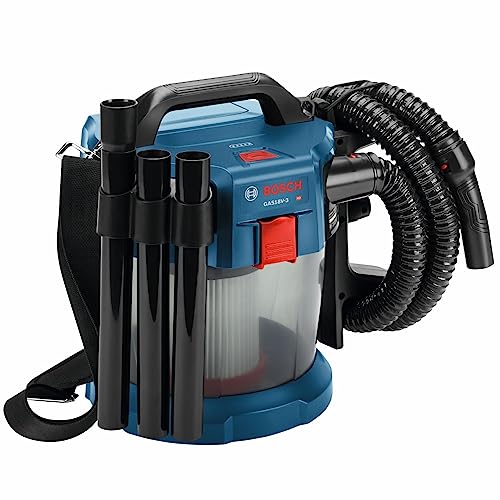
BOSCH GAS18V-3N 18V Cordless Wet Dry Vacuum 2.6 Gallon

Rockler Dust Right Dust Separator w/ 36″ Hose & 10Ga Bucket
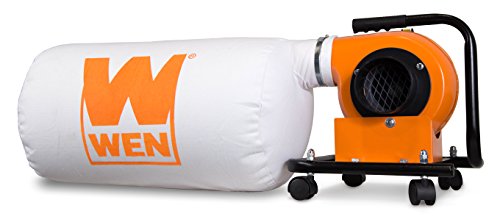
WEN Woodworking Dust Collector DC3401
More Details On Our Top Picks
Branch fittings like this matter most in a small shop where one vac has to serve more than one tool. The clear body helps you see routing at a glance, which is handy when a bench setup changes from project to project. Compared with the longer hose pick below, this one is about control at the split point, not reach.
The trade-off is simple: a Y fitting only helps when the rest of your hose network already makes sense. For most garage layouts, that means it works best beside short hoses, reducers, and a vac that stays parked nearby.
Strong Points
- 2-1/2 inch sizing fits common dust collection hose setups.
- Clear construction makes line tracing easier in cramped work areas.
- Y shape supports a more organized split than a loose workaround.
- Useful for pairing a single vac with nearby tools.
Room For Improvement
- Only solves branching, so it needs the right hose network around it.
- Plastic fittings can feel less forgiving than metal parts during repeated reconfiguration.
Core Details
Who It Suits Best
Home woodworkers with a single dust vac and a couple of close-in tools get the most from this fitting.
A Better Fit Elsewhere
POWERTEC 70322 4 Inch to 2-1/2 Inch Reducer and Flex Cuff suits shop owners who need to bridge different port sizes more often.
Short hoses are often the difference between a neat tool hookup and a line that keeps snagging underfoot. This 36-inch length suits a table saw, miter saw, or drill press station where the vac sits close by, and the flexible PP build keeps the run from feeling stiff in daily use. Compared with the Y fitting above, this is the part that actually reaches the tool.
The catch is obvious, since 36 inches will feel short in larger shops or around rolling carts. That makes it a cleaner fit for bench-top stations and compact garages than for a wide open woodworking room.
What We Like
- Short length keeps the connection tidy near a single tool station.
- Flexible PP material helps the hose bend without fighting the layout.
- Useful around saws and drill presses where the vac stays nearby.
- Easy to store compared with longer hose runs.
Points To Note
- The 36-inch span is better for close setups than larger floor plans.
- Shorter hoses can require more careful machine placement.
Feature Card
Who Should Grab It
Compact garages and bench-based woodworkers get the most value from this short, flexible hose.
Where A Sibling Pick Shines
POWERTEC 70190 4-Inch by 2-1/2-Inch Y-Fitting works better for a setup that needs to divide one line into two directions.
For bigger cleanup sessions, a 10-gallon tank changes the pace of the job. Stainless steel gives this vac a tougher feel than the hose parts above, and the 6.0 peak HP rating points to strong pickup for sawdust, chips, and general garage mess. In a busy shop, that extra capacity means fewer stops to empty the tank.
The honest read is that this sits on the heavier side of the group, so it makes most sense where the vac can live near the work zone. That trade-off suits garage users and woodworkers who care more about capacity than about carrying the machine up stairs.
Best Bits
- 10-gallon tank handles larger cleanup rounds before emptying.
- Stainless steel body adds a sturdier feel for shop use.
- 6.0 peak HP gives it a strong spec profile for debris pickup.
- Good fit for garages that collect mixed dry and wet messes.
Softer Spots
- Larger size takes up more floor space than the compact hose picks.
- Best suited to fixed spots rather than frequent carrying.
- Metal surfaces still need routine wiping to stay presentable.
Details At A Glance
Built With In Mind
Garage tinkerers and part-time woodworkers who want one vac for bigger jobs will appreciate the extra capacity.
Another Choice May Suit
BOSCH GAS18V-3N 18V Cordless Wet Dry Vacuum suits anyone who values carrying the vac from area to area without a cord in the way.
This Y fitting speaks to a more mixed-size shop than the 2-1/2 inch version above. A 4-inch branch on one side and 2-1/2 inch on the other makes sense in woodworking setups where a larger dust line needs to meet a smaller vac side or tool port. That flexibility matters more than fancy styling, and it keeps the hose path cleaner than stacking adapters.
You may find it especially helpful in a workshop that changes machines often, since one connector can bridge a lot of uneven gear. The trade-off is the same as most adapters, because it only earns its keep when the rest of the system is sized around it.
Highlights
- Bridges 4-inch and 2-1/2 inch connections in one part.
- Useful for woodworking layouts with mixed port sizes.
- Reduces the need for chained adapters.
- Keeps airflow routing more organized at the split.
Areas To Watch
- Only helps where those two sizes are part of the setup.
- Like most fittings, it depends on a snug system match.
Quick Facts
Whose Shelf It Belongs On
Woodworkers with mixed-size hose systems and a fixed shop layout will get the most from this connector.
Reach For A Different Pick When
POWERTEC 2-1/2 Inch Clear Y Fitting (70228) makes more sense for a compact vacuum setup that stays entirely in the smaller hose size.
This set does more than a plain reducer, and that extra hardware is the point. A reducer narrows a larger opening to a smaller one, while the flex cuff adds a bit of give at the joint, which can help when tool ports sit awkwardly. The stainless steel hose clamps matter because they help hold the connection in place during regular shop use.
Compared with the simple Y fittings, this is the more problem-solving option for mismatched dust ports. One thing worth considering is that the added parts make installation a little more involved, but the payoff is a cleaner fit on stubborn connections.
Positives
- Handles 4-inch to 2-1/2 inch transitions in one set.
- Flex cuff gives the joint more practical give around tool ports.
- Stainless steel hose clamps support a more secure hold.
- Good for tool stations with odd spacing or port angles.
- Helpful for reducing the amount of adapter stacking.
Minor Gripes
- Assembly takes more attention than a single-piece connector.
- Extra components mean a bit more storage and cleanup.
Spec Overview
The Right Fit
Woodworkers dealing with mismatched tool ports and fixed dust lines get the most out of this reducer set.
Swap It Out When
POWERTEC 70190 4-Inch by 2-1/2-Inch Y-Fitting suits a simpler split-and-join layout that does not need the extra cuff hardware.
Cordless cleanup changes the flow of a jobsite, especially when the nearest outlet sits across the room. This Bosch keeps its 2.6-gallon size compact enough for quick moves, and the HEPA filter gives it a more refined place in the lineup than the plain hose parts or the larger Craftsman vac. Bare tool status also means you are looking at the unit itself rather than a kit built around battery extras.
In a van, on a ladder, or around a half-finished room, portability is the real draw here. The trade-off is capacity, because 2.6 gallons suits quick dust duty far better than all-day debris hauling.
Upsides
- Cordless format keeps you moving without chasing outlets.
- 2.6-gallon size stays easy to carry between tasks.
- HEPA filter adds a more polished dust-control setup.
- Works well for quick cleanup around drills and saw cuts.
Small Caveats
- Smaller tank means more frequent emptying during bigger jobs.
- Bare tool format may ask for a compatible battery setup.
- Portable gear often gets more dings from travel and storage.
Technical Sheet
Perfect Match For
Mobile tradespeople and remodel crews who need a lighter cleanup tool between tasks will appreciate this Bosch.
Look Elsewhere When
CRAFTSMAN CMXEVBE17155 10 Gallon Stainless Steel Wet Dry Vac suits a garage setup that values more tank room over portability.
This separator sits in a useful middle ground between a plain vac and a full collector. By pulling heavier debris into the bucket before it reaches the vac, it helps the main machine stay cleaner for longer, which is exactly what you want around sawdust-heavy benches. The included 36-inch hose and 10-gallon bucket make it feel like a ready-made add-on rather than a pieced-together project.
That setup makes strong sense in a woodworking shop where chips and dust pile up fast. The trade-off is that separators add another part to empty and store, so this one rewards a workspace with enough floor room to keep the whole system organized.
Reasons To Buy
- Separates heavier debris before it hits the shop vac.
- Helps keep the vac cleaner between maintenance passes.
- Includes a 36-inch hose for a more complete setup.
- 10-gallon bucket gives collected waste a sensible landing spot.
Worth Noting
- Needs floor space for the bucket and hose layout.
- Another container means another part to check and empty.
- Best suited to debris-heavy shops rather than tiny corners.
Feature Rundown
Who Will Love This
Woodworkers and garage cleanup users who want less mess inside the vac itself will get the most from this separator.
Skip It When
WEN Woodworking Dust Collector DC3401 is the better path for a dedicated dust-collection setup that stays parked in one place.
This WEN model moves beyond shop-vac add-ons and into dedicated dust collection territory. The 5.7-amp motor, 12-gallon bag, and mobile base give it the kind of workshop presence that fits a more permanent woodworking station. Optional wall mounting also helps when floor space is tight, which is a meaningful shift from the portable Bosch or the bucket-based separator above.
For a garage shop that stays set up week after week, that setup can make cleanup feel less improvised. The trade-off is size and commitment, so casual weekend users may find a smaller vac setup easier to live with.
Bright Spots
- Dedicated dust-collection design suits a woodworking shop.
- 12-gallon bag gives it solid holding capacity for debris.
- Mobile base makes repositioning easier within the workshop.
- Optional wall mount helps reclaim floor area.
- Good step up from a simple vac and hose setup.
Areas To Watch
- More of a shop fixture than a grab-and-go vac.
- Best suited to a workspace with room for installation.
- Bag upkeep is part of the routine with this style of collector.
Core Details
Built For In Mind
Dedicated woodshops and hobby spaces that stay organized around one collection system are the natural fit here.
Where Shoppers Go Wrong
BOSCH GAS18V-3N 18V Cordless Wet Dry Vacuum 2.6 Gallon is the better choice for portable cleanup work that moves from room to room.
How To Choose The Right Dust Collectors For Shop Vac
Match The Hose And Port Sizes First
Connection size matters more than most people expect. A 2-1/2 inch hose, a 4-inch dust line, and a reducer or Y fitting all solve different problems, so the right pick depends on how your tools are already set up.
That is especially true in mixed shops, where one saw uses a smaller port and another machine wants a larger run. The cleanest setup usually comes from fewer adapters, not more, so start by mapping the sizes you already own.
Decide How Much Portability You Really Need
A shop vac setup can stay parked beside a bench, roll across a garage, or move out to a jobsite. Short hoses and fittings work best for fixed stations, while a cordless vac like the Bosch makes sense for carry-around cleanup.
Capacity matters too. A 10-gallon vac or 12-gallon bag suits longer cleanup sessions, while a 2.6-gallon portable unit is easier to lift but fills sooner.
Think About Dust Separation Before Upgrading The Vac
A separator can stretch the life of a shop vac by catching heavier debris before it reaches the tank. That helps most in woodworking spaces that generate lots of chips, shavings, and fine dust from repeated cuts.
The trade-off is footprint and setup complexity. You gain cleaner collection, but you also add a bucket, hose, and one more part to empty.
Choose For The Space You Actually Have
A compact garage favors fittings, short hoses, and a small vac that lives near the workbench. A larger woodshop can support a dedicated collector like the WEN unit, especially when floor space and wall mounting both matter.
That difference changes the whole purchase. Smaller spaces want flexible parts that disappear into the corner, while larger shops can justify equipment that stays in one place.
What To Weigh Before You Click
Common Shopping Slip Ups
A common miss is buying a fitting before checking hose diameter, because a good part still fails when the sizes do not line up. Another is picking a long hose for a cramped station, then fighting tangles and awkward storage every day.
A quick layout check solves most of that. Measure the tool port, the vac inlet, and the distance between them before you settle on a hose or reducer.
What The Higher Tier Buys
Higher-tier models usually spend more on capacity, mobility, or system design. Stainless steel bodies, larger bags, dedicated collectors, and included clamps or separators all add materials and hardware that help in steady workshop use.
That extra spend makes sense for frequent cleanup or a fixed shop. For occasional garage dust duty, a simpler fitting or short hose often covers the job without adding bulk.
Frequently Asked Questions
What size hose works best with a shop vac setup?
2-1/2 inch parts are common because they suit many shop vac and dust collection connections. Bigger 4-inch components make more sense in full woodworking runs.
Do dust separators replace a shop vac?
No, they sit in front of the vac and catch heavier material first. That helps the vac stay cleaner, but you still need the vac for suction and final collection.
Is a cordless wet dry vacuum useful for woodworking?
Yes, especially for quick cleanup around a jobsite or garage bench. It is less suited to long cleanup sessions because capacity is smaller.
Do reducers and Y fittings improve airflow?
They mainly help the system connect correctly and stay organized. Airflow depends on the full layout, hose length, and how well the parts fit together.
What suits a fixed woodshop better than a portable vac?
A dedicated dust collector like the WEN DC3401 fits a shop that stays set up in one place. Portable vacs fit better when you move between tasks or work areas.
Closing Thoughts
The right dust control setup depends on how your space works, not just on motor numbers or hose diameter. A compact garage usually does best with simple fittings, a short hose, and a portable vac, while a larger woodworking area can justify a separator or dedicated collector. You can build a cleaner, calmer workflow by matching the part to the job instead of forcing one piece to cover everything. Start with the layout you already have, and the rest gets much easier.




