


Small shops fill up fast, especially once sawdust starts riding along after every cut, sand, and trim pass. The right dust collection setup keeps your workspace calmer, your tools happier, and your cleanup routine a lot less annoying. Here, you get a mix of hoses, reducers, separators, and full collectors, so you can match the setup to your bench, your vacuum, and your storage space.
Some picks solve connection problems, while others handle bulk debris before it reaches your vacuum bag or filter. That spread matters in a cramped garage or basement shop where every inch counts. You can build a cleaner workflow without overbuying equipment you do not need.
The Shortlist At A Glance

POWERTEC 2-1/2” x 36” Dust Collection Hose 70198

Cyclone Dust Separator Kit for 4

POWERTEC 70322 4 Inch to 2-1/2 Inch Reducer and 4 Inch Dust Control Flex Cuff

Rockler Dust Right Dust Separator w/ 36” Hose & 10Ga Bucket
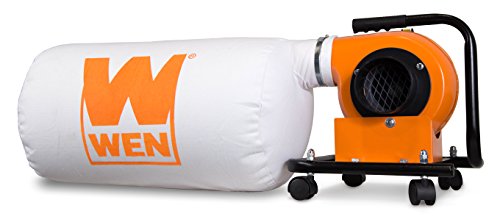
WEN Woodworking Dust Collector DC3401


DEWALT 6 Gallon Dust Separator DXVCS002

DEWALT 10 Gallon Cyclone Dust Separator DXVCS003
More Details On Our Top Picks
That short 36-inch hose is the kind of small-part solution that matters in a cramped garage bench area. It gives you a flexible bridge between a table saw, miter saw, drill press, or belt sander and the rest of your dust setup, without hanging a long run of extra tubing in the way.
Compared with the separator-focused picks later in this list, this one solves a different headache, namely reach and fit. You may find it especially handy at a single station where the collector sits close by, since the 2.5-inch size is a common match for compact woodworking tools.
What We Like
- Flexible polypropylene construction helps it bend around tight shop layouts.
- 2.5-inch sizing suits many compact tool ports used in small shops.
- Short length keeps excess hose from cluttering a bench or floor path.
- Works across several tool types, so one hose can support multiple stations.
Points To Note
- Short reach means you will need a nearby collector or vacuum.
- The narrow diameter is better for localized pickup than heavy-volume runs.
- Plastic flex hose can hold a shape after storage, so coiling it neatly helps.
Feature Card
Who It Suits Best
Garage woodworkers and hobbyists with one or two fixed stations get the most from this hose.
Skip It When
Rockler Dust Right Dust Separator w/ 36” Hose & 10Ga Bucket suits you better for separating larger debris before it reaches a shop vacuum.
This kit targets the mess that usually damages a shop vacuum first, the heavy chips and chunks that should never reach the filter. In a woodworking space that sees planer shavings, sawdust, and offcuts, that early separation can make cleanup feel less like a chore.
Compared with the POWERTEC hose, this is less about reach and more about protecting the machine behind the hose. The trade-off is setup complexity, so it fits best in shops where you want a more deliberate collection path rather than a quick grab-and-go vacuum attachment.
Highlights
- Uses cyclone-style separation to catch heavier debris before the vacuum stage.
- Can reduce how quickly filters and bags load up during woodwork cleanup.
- Better suited to chip-heavy tasks than a basic straight hose connection.
- Helps extend service intervals on the vacuum side of the setup.
Room For Improvement
- Works best in a planned setup, not a quick temporary hookup.
- Needs enough room for the separator body and connected hoses.
- Cleaning out the captured debris is part of the routine, so storage access matters.
Quick Facts
Who Will Love This
Woodworkers who create a lot of chips, shavings, and mixed debris get the strongest payoff here.
Another Choice May Suit
DEWALT 6 Gallon Dust Separator DXVCS002 is a better fit for portable shop-vac use with rolling mobility.
Port adapters like this solve the quiet problem many small shops run into, tool ports and hose lines rarely match on their own. The reducer and flex cuff give you a cleaner path from a 4-inch dust line down to 2.5 inches, and the stainless steel clamps help keep that connection secure.
Compared with the previous cyclone kit, this is far less about separating debris and far more about making mismatched parts work together. It suits a shop where one machine has a larger port than the rest, especially when you want a more settled connection than a loose wrap of tape or an improvised fit.
Positives
- Bridges two common dust collection sizes without needing a full system change.
- Stainless steel hose clamps add a sturdier hold than a soft slip fit.
- Flex cuff helps ease alignment when tool ports sit at awkward angles.
Softer Spots
- Works as a connector, so it solves fit rather than collection volume.
- Best used where the hose and port sizes are already clearly known.
- Metal clamps need a careful hand during setup so threads stay clean.
Details At A Glance
Right Fit For
Shop owners who keep one larger machine alongside smaller vac and hose setups benefit most from this adapter.
Look Elsewhere When
POWERTEC 2-1/2” x 36” Dust Collection Hose 70198 suits you better when the main need is reach rather than port conversion.
A 10-gallon bucket changes the feel of a shop-vac separator pretty quickly, because it gives captured debris more room before you need to empty it. That makes this Rockler setup appealing in a busy shop where one cleanup session can pull in a lot of chips from the floor, benchtop, and saw station.
Compared with the smaller cyclone kit, this leans more toward capacity and ready-to-use convenience. The 36-inch hose helps the separator sit apart from the vac, which keeps the workspace a little less crowded, though the bucket and hose together do claim more floor space than a bare fitting.
Strong Points
- 10-gallon bucket gives debris more room before emptying becomes necessary.
- Included hose shortens the list of extra parts you need to source.
- Well suited to a shop vac setup that sees frequent chip collection.
- Separator format helps keep the vacuum side cleaner over regular use.
Minor Gripes
- Bucket-based setups take more floor space than a simple adapter.
- Keeping the bucket sealed and cleaned is part of the upkeep.
- More parts mean a little more assembly time than a hose alone.
Core Details
Best Suited To
Busy garage shops and home woodworkers who want a fuller separator setup will get the most value here.
Swap It Out When
Fulton Woodworking Tools 4 Inch To 2-1/2 Inch Reducer is the tighter fit for a simpler port-matching job.
This is the first true standalone collector in the group, so it makes sense for shops that want more than hose-and-vacuum pieces. The 5.7-amp motor, 12-gallon bag, mobile base, and optional wall mount point to a more permanent dust management setup, which is useful in a workspace with a table saw or planer that sees regular use.
Compared with the separator options above, this is about building a dedicated collection station instead of adapting one piece at a time. The honest read is that it takes more room and more commitment, but you gain a cleaner central setup that can suit a serious hobby shop or a small pro space.
Best Bits
- Dedicated collector design fits a more established woodworking layout.
- 12-gallon bag gives you a larger capture point than a tiny vacuum bin.
- Mobile base helps move the unit around a changing shop layout.
- Optional wall mount adds flexibility for tighter floor plans.
Areas To Watch
- Takes more room than a separator or reducer.
- Best suited to a station-based setup rather than quick handheld cleanup.
- More permanent placement means installation planning matters more.
Feature Rundown
Built With In Mind
Woodworkers who want a central dust collector for one or two main stations will appreciate the structure here.
A Better Fit Elsewhere
DEWALT 6 Gallon Dust Separator DXVCS002 suits a more mobile vacuum-based setup and easier rolling movement.
This reducer earns its place by solving a very ordinary problem, a 4-inch line meeting a 2.5-inch port. That sounds minor until you’re standing in a small shop with one tool that refuses to match the rest of the setup, and then a simple adapter becomes the fastest path forward.
Compared with the POWERTEC hose or the more involved separator kits, this is the smallest piece on the list, and that’s the point. It is the sort of connector you keep close by for quick changeovers, though it does depend on the rest of your dust collection run being sorted already.
Reasons To Buy
- Solves the common 4-inch to 2.5-inch size mismatch.
- Small form factor stores easily near a workbench or tool cart.
- Useful as a spare adapter for changing machines.
Small Caveats
- Only handles the sizing change, so it does not add collection power.
- Works best when you already know the port dimensions on both ends.
At A Glance
The Right Fit
Woodworkers who swap between tools with different port sizes will get the most from this simple adapter.
Where A Sibling Pick Shines
POWERTEC 70322 4 Inch to 2-1/2 Inch Reducer and Flex Cuff is the better choice when you want stainless steel clamps and a more complete fitting set.
This separator feels aimed at a shop that wants mobility without giving up some debris control. The four-caster base makes rolling around a bench or saw area easier, and the 6-gallon capacity keeps emptying manageable for routine cleanup sessions.
Compared with the Rockler bucket setup, this one is more compact in scale and built around wet/dry vacuum compatibility. In most small shops, that balance makes sense, especially where you want a separator that can move with the task instead of staying parked in one corner.
Upsides
- Four-caster base makes workshop movement easier.
- 6-gallon barrel is a practical middle ground for regular cleanup.
- Works with 1-7/8-inch and 2.5-inch ports, which broadens compatibility.
- Heat-resistant parts and clog-conscious design suit repeated shop use.
Worth Noting
- Port compatibility still needs to be checked against your vacuum and hoses.
- Like most separators, it adds another piece to empty and maintain.
- It is more involved than a reducer, so it asks for a bit more setup space.
Technical Sheet
Whose Shelf It Belongs On
Small-shop users who move their vacuum setup from station to station will get strong use from this separator.
Reach For A Different Pick When
WEN Woodworking Dust Collector DC3401 makes more sense for a fixed collector setup with a larger bag and a wall-mount option.
The 10-gallon format pushes this DEWALT unit toward heavier workshop loads, which is useful when your cleanup routine collects a lot of chips before you can stop to empty anything. In a small shop that still sees frequent woodworking sessions, that larger capture space can reduce interruption.
Compared with the 6-gallon DEWALT separator, this one leans harder into capacity, so it makes more sense for users with more debris and a bit more room to spare. The trade-off is plain enough, a larger body asks for more floor space, yet that extra volume can be worth it in a shop that fills up fast.
Strong Points
- 10-gallon capacity suits heavier chip collection.
- Cyclone separator design helps keep bulk debris out of the vacuum path.
- Good match for busy work sessions that generate repeated cleanup.
- Feels better suited to higher-volume shop vac use than a smaller bin.
Honest Caveats
- Larger size takes more room in a tight garage or basement shop.
- More capacity also means a bigger unit to move and store.
- Still depends on a proper vacuum and hose setup behind it.
Feature Snapshot
Made For
Woodworkers dealing with heavier debris loads and a busier cleanup cycle will appreciate the extra room here.
Consider Something Else When
DEWALT 6 Gallon Dust Separator DXVCS002 is the tidier fit for a smaller mobile setup that moves around more often.
How To Choose The Right Dust Collectors For Small Shop
Match The Machine To The Mess
Start with the kind of debris your tools create. Fine sanding dust, long shavings, and chunky scraps all behave differently, so a short hose, a reducer, or a cyclone separator solves a different problem.
A table saw near a wall often benefits from a compact hose run, while a planer or miter saw station usually asks for better chip handling. The right match keeps you from buying a bulky unit when a smaller connector would do the job.
Check Port Size And Hose Reach
Port diameter matters because a mismatched connection leaks convenience, even before it leaks air. A 4-inch port, a 2.5-inch hose, and a reducer are not interchangeable by guesswork, so measure before you plan the setup.
Reach matters too in a small shop where the vacuum may live under a bench or in a corner. Short hoses keep things tidy, but they also limit placement, so think about the distance between the machine and the collection point.
Decide Between Separation And Collection
Separators sit in front of a vacuum and catch the heavier material first, which helps keep filters cleaner for longer. Full collectors go further and act as a dedicated dust station, which makes sense once you have a more fixed woodworking layout.
For a hobby garage, a separator or adapter often feels easier to live with. For steady use across several machines, a standalone collector starts to make more sense because it organizes the whole process instead of patching it together.
Think About Storage, Cleaning, And Setup
Small-shop gear should be easy to empty, stow, and reconnect. A bucket separator, a rolling base, or an optional wall mount can change how much floor space disappears during a work session.
The trade-off usually shows up in maintenance. Simpler pieces need less room but solve fewer problems, while larger units ask for more planning and cleanup between sessions.
What To Weigh Before You Decide
Wrong Turns To Avoid
It’s easy to overbuy capacity before you solve the connection problem. A reducer or hose can be the smarter first step when the real issue is a port mismatch, not a lack of suction hardware.
Another common miss is forgetting how often the setup needs to move. A rolling separator or compact hose works better than a fixed collector in a shop that doubles as parking space.
The Upgrade Payoff
Higher-tier dust collection gear usually costs more because it handles more debris, offers larger capacity, or moves into a more permanent layout. That extra structure matters in shops where cleanup happens every day, not just after a weekend project.
The upgrade makes sense once you’re tired of emptying tiny containers or swapping makeshift fittings. At that point, the smoother workflow is often the real reason to spend up, not a fancy label.
Frequently Asked Questions
What size dust collector works best in a small shop?
A compact hose, reducer, or separator often fits a small shop better than a large stationary collector. The right size depends on your main tools and how much floor space you can spare.
Do cyclone separators help with vacuum maintenance?
They help keep larger debris out of the vacuum path, which can reduce how quickly filters load up. That means less frequent cleanup inside the vacuum side of the setup.
Why do some setups use a reducer?
A reducer lets two different port sizes connect without forcing an awkward fit. It’s the simple fix when one machine and one hose do not match.
Is a full dust collector better than a separator?
A full collector makes more sense for a fixed woodworking station with regular use. A separator is usually easier to live with when you still want a mobile vacuum-based setup.
What should you measure before buying anything?
Check the port size on your tool, the hose diameter, and the distance between the machine and the collection unit. Those three details prevent most setup headaches.
Closing Thoughts
The best setup for your shop depends less on brand names and more on the way your space works day to day. A hose or reducer solves a narrow fit issue, a separator protects your vacuum, and a full collector changes the whole rhythm of cleanup. In a small shop, the smartest choice is usually the one that keeps your path clear and your machines easy to use. Pick the piece that fits your layout now, not the one that asks you to rebuild the room around it.




