


A small workshop gets messy fast, especially once sanding, routing, and grinding start sharing the same bench space. The right dust extractor setup keeps cleanup from taking over the whole session, and it also helps you match each tool to the kind of debris it throws. You do not need a giant system to make a real difference, just the right mix of shrouds, separators, hoses, and compact vacuums.
The picks below focus on practical fit. Some work best as add-ons for a shop vac, while others are better as the main collector for a tight garage or basement shop. That mix matters, because the easiest system to live with is usually the one that matches your floor space, tool collection, and patience for emptying bags or buckets.
Quick Look At The Shortlist
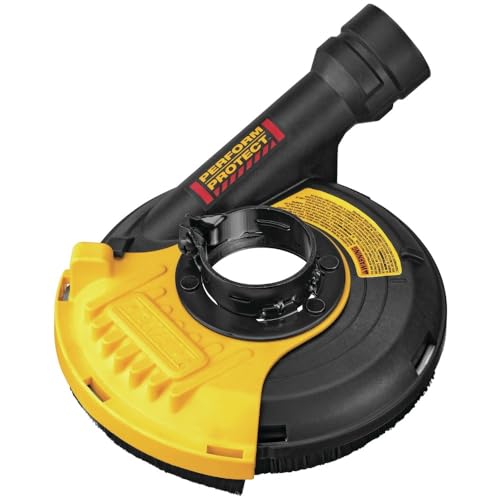
DEWALT DWE46152 Surface Grinding Dust Shroud

10 Foot Long Dust Collection Power Tool Hose Kit

Cyclone Dust Separator Kit for 4
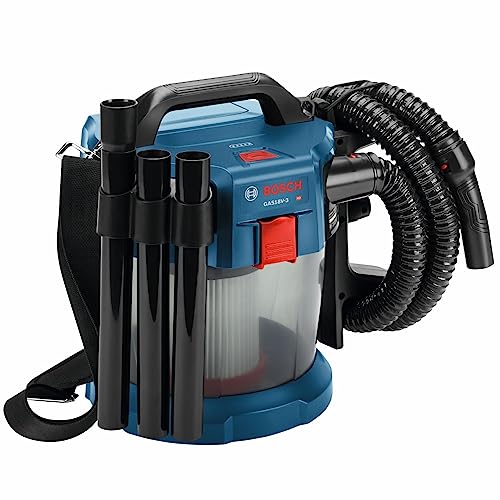
BOSCH GAS18V-3N 18V Cordless Wet Dry Vacuum 2.6 Gallon

Rockler Dust Right Dust Separator 36″ Hose 10-Gal Bucket
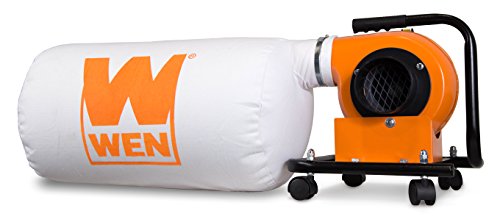
WEN Woodworking Dust Collector DC3401

DEWALT 6 Gallon Dust Separator DXVCS002
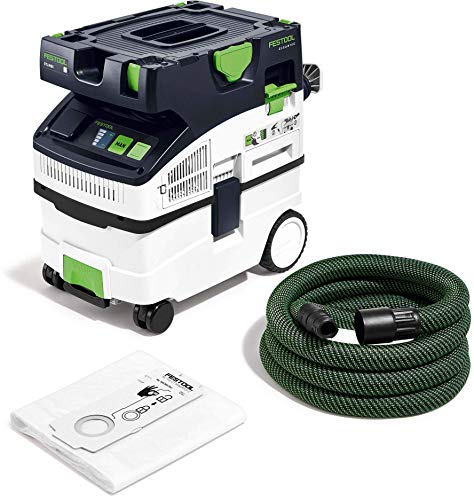
Festool 574837 CT MIDI I HEPA Bluetooth Dust Extractor
More Details On Our Top Picks
A grinding shroud like this matters most in a small shop where dust wants to spread faster than you can sweep it. The 5-inch size keeps it focused on surface grinding work, so you get a tighter connection between tool and cleanup than with a general-purpose vacuum add-on.
The trade-off is simple, it solves one job well rather than covering every tool in the shop. For someone who does prep work on concrete, stone, or masonry surfaces, that narrower fit can be a strength, not a limitation.
What We Like
- Built for controlled grinding cleanup.
- 5-inch sizing keeps the footprint manageable.
- Helps reduce airborne mess at the tool.
- Pairs well with a compact vac setup.
Points To Note
- It is task-specific, so it will not replace a full dust collector.
- Grinding accessories usually need occasional checking for fit and alignment.
Feature Snapshot
Who It Suits Best
You suit this pick best if your workshop time leans toward grinding and edge prep rather than broad dust collection.
Another Choice May Suit
DEWALT 6 Gallon Dust Separator DXVCS002 suits you better when your work centers on a shop vac and you want less filter clogging across mixed cleanup jobs.
A hose kit sounds plain, but in a cramped workshop it often decides whether your setup feels flexible or annoying. Ten feet of reach gives you room to move a tool across the bench or floor without dragging the collector right beside you.
Compared with the DEWALT grinding shroud, this is the more versatile piece for a mixed tool lineup. The catch is that hoses are only as useful as the fittings around them, so compatibility deserves a close look before you settle in.
Reasons To Buy
- Long reach helps cover more of a small workspace.
- Useful for multiple tool types and brands.
- Gives you more layout freedom around benches and machines.
Room For Improvement
- Fit depends on the tools and ports in your shop.
- Long hoses can be less tidy to store than shorter lines.
Core Details
Made For
You suit this hose kit best if your workshop rotates between several handheld tools and you want fewer setup changes.
Swap It Out When
Peachtree Woodworking Supply Cyclone Dust Separator Kit for 4 suits you better when your shop vac needs debris separation before the hose gets overloaded.
This separator is the kind of add-on that can make a shop vac feel much less fussy in everyday use. By catching heavier debris before it reaches the vacuum, it helps take pressure off the filter and keeps emptying tasks more manageable in a small shop.
That matters most during woodwork cleanup, where chips pile up fast and clogging can interrupt the rhythm of the job. Compared with the hose kit, this one does less for reach and more for system efficiency, so it suits the shop owner who already has a good vac and wants to protect it.
Highlights
- Separates heavier debris before it hits the vacuum.
- Can help reduce filter strain over time.
- Useful for woodworking messes that build up quickly.
- Works as a practical upgrade to a shop vac setup.
Small Caveats
- It still depends on a compatible shop vac setup.
- Separator parts and bucket area will need regular emptying.
Technical Sheet
Built With In Mind
You suit this separator best if your workshop already runs a shop vac and you want more efficient chip handling.
Where A Sibling Pick Shines
Rockler Dust Right Dust Right Dust Separator w/ 36” Hose & 10Ga Bucket suits you better when larger debris collection and a bucket-based setup matter more.
Portable cleanup tools earn their keep in a garage, on a staircase, or anywhere the work area changes from job to job. A 2.6-gallon tank keeps this Bosch model compact enough for quick pickups, and cordless power gives you more freedom than a cord-tethered vac in a crowded shop.
The bare tool format means you already need a battery system in place, so that part matters before you commit. Compared with the separator-focused picks above, this one is the more direct cleanup tool, especially for trim work, hardware dust, and mixed messes that show up away from the main bench.
Upsides
- Cordless design keeps cords out of the path.
- 2.6-gallon capacity suits quick cleanup passes.
- Wet-dry format broadens the kinds of mess it can handle.
- Portable form works well for steps, cars, and mobile jobs.
Worth Noting
- Bare tool format means battery planning matters.
- Smaller capacity usually asks for more frequent emptying.
Details At A Glance
Right Fit For
You suit this Bosch best if your cleanup routine moves between work zones and you value portability over maximum capacity.
Look Elsewhere When
Festool 574837 CT MIDI I HEPA Bluetooth Dust Extractor suits you better when a more refined stationary extractor makes sense in a serious bench setup.
Bucket-based separation can be a very sensible middle ground for a small workshop, especially when you want to keep the shop vac from filling too quickly. The 36-inch hose gives the setup breathing room, and the 10-gallon bucket means you are not stopping every few minutes to empty debris.
Compared with the 4-inch cyclone kit, this Rockler setup leans into larger capacity and a more self-contained feel. You may find it especially helpful for steady woodworking cleanup, where chip volume climbs faster than fine dust alone.
Best Bits
- 36-inch hose helps with placement flexibility.
- 10-gallon bucket supports larger cleanup sessions.
- Useful for keeping a shop vac from clogging as quickly.
- Works well in a small space that still sees regular debris.
Areas To Watch
- The bucket adds bulk, so storage planning matters.
- Hose and bucket parts need occasional cleaning to stay efficient.
Core Details
Whose Shelf It Belongs On
You suit this separator best if you want a shop vac helper that handles a steady flow of wood debris without feeling too tiny.
Reach For A Different Pick When
Peachtree Woodworking Supply 10 Foot Long Dust Collection Power Tool Hose Kit suits you better when reach and tool flexibility matter more than bucket capacity.
A dedicated dust collector starts to make more sense once your small shop has a fixed home for a table saw, planer, or jointer. The 5.7-amp motor and 12-gallon bag put this WEN model in a useful middle zone, not tiny, not oversized, which suits garages where every square foot matters.
The mobile base helps when the machine needs to roll between stations, and the optional wall mount gives you another storage angle. Compared with the vac-based separators above, this is the more committed workshop machine, so it pays off most when you want a central collector instead of a portable helper.
Strong Points
- Dedicated collector design suits fixed woodworking stations.
- 12-gallon bag gives you a practical middle capacity.
- Mobile base adds flexibility in a tight shop.
- Optional wall mounting helps with floor-space planning.
Softer Spots
- It asks for a more permanent workshop setup than a shop vac.
- Bag emptying and routine cleaning remain part of ownership.
Feature Rundown
Made For
You suit this WEN collector best if your workshop has a fixed layout and you want a central machine instead of an accessory.
A Better Fit Elsewhere
BOSCH GAS18V-3N 18V Cordless Wet Dry Vacuum 2.6 Gallon suits you better when your cleanup routine needs portability over a stationary collector.
For a lot of small shops, the best upgrade is not a whole new vacuum, it is a better way to keep the vacuum from choking on debris. This DEWALT separator adds a stable four-caster base, and that matters when you roll gear around a garage or basement workshop that never seems to stay clear for long.
The dual-port compatibility makes it easier to fit into many existing setups, and the six-gallon chamber gives you a decent buffer before emptying. Compared with the Rockler bucket system, this one leans more toward mobility and compatibility, which suits mixed cleanup routines rather than one fixed corner of the shop.
Bright Spots
- Caster base helps the unit move cleanly across the floor.
- Compatible with 1-7/8-inch and 2-1/2-inch ports.
- Six-gallon chamber gives you useful debris capacity.
- Built to help reduce filter clogging in a shop vac setup.
Honest Caveats
- The separator still needs regular emptying to stay useful.
- Compatibility is broad, but port matching still matters.
At A Glance
The Right Fit
You suit this DEWALT separator best if you want a rolling, shop vac-friendly upgrade for a small workshop that sees mixed debris.
Skip It When
WEN Woodworking Dust Collector DC3401 suits you better when you want a dedicated collector for fixed tools rather than a separator add-on.
Some shops want a utility vacuum, and some want a more polished extractor that feels built around tool control. The Festool CT MIDI I sits in that second camp, with a compact form that suits serious bench work where dust capture, hose management, and workflow control all matter together.
Compared with the Bosch cordless vac, this one makes more sense for a fixed setup rather than quick carry-around cleanup. The Bluetooth feature gives you a modern control angle, while the HEPA filter points to tighter dust handling, which is the kind of detail that matters most in a cleaner, more disciplined small shop.
Positives
- Compact extractor format suits a refined shop layout.
- HEPA filtration adds a more controlled cleanup profile.
- Bluetooth control can simplify tool-linked operation.
- Works well for bench-centered sanding and cutting stations.
Minor Gripes
- It makes the most sense in a more committed shop setup.
- Premium positioning usually asks for a higher upfront budget.
Spec Overview
Perfect Match For
You suit this Festool best if your small workshop runs like a serious bench space and you care about a cleaner, more integrated workflow.
Where Shoppers Go Wrong
DEWALT 6 Gallon Dust Separator DXVCS002 suits you better when you want to improve a shop vac setup without moving into a higher-end extractor.
How To Choose The Right Dust Extractors For Small Workshop
Match The Tool To The Mess
Grinding, sanding, drilling, and general cleanup do not throw the same kind of debris, so the first choice is about debris shape as much as machine size. A shroud like the DEWALT DWE46152 is built for surface grinding, while a separator such as the DEWALT DXVCS002 works better when chips and dust are going through a shop vac.
That difference matters in a small workshop because you rarely have room for a system that does everything. Start with the mess you make most often, then choose the accessory or extractor that handles that work with the least fuss.
Think About Airflow, Capacity, And Storage
Capacity tells you how often you stop to empty, and hose length tells you how far you can stretch a setup without moving the machine. A 10-foot hose kit gives more reach, while a 10-gallon bucket or 12-gallon bag gives more room before maintenance interrupts the job.
Storage matters too, especially in a garage shop where wall space and floor space both disappear quickly. Compact tools help, but long hoses, buckets, and mobile bases each ask for a little planning so the system stays easy to live with.
Choose Between Portable And Centralized Cleanup
Cordless vacuums make sense for fast pickups, stairs, vehicles, and jobs away from the main bench. A cordless Bosch like the GAS18V-3N suits that kind of movement, while a dedicated collector like the WEN DC3401 makes more sense when your tools stay in one place.
The honest read is that the wrong style feels annoying fast. Portable gear wins on convenience, centralized gear wins on repeat use, and your shop layout decides which side matters more.
Look At Compatibility Before You Commit
Port size, battery system, mounting style, and tool type can turn a good-looking setup into a mismatch. The hose kit and the cyclone separator both lean on fit, while the Festool extractor and WEN collector make more sense once your workspace has a clear layout.
A small workshop benefits most from parts that connect cleanly with the equipment already on hand. That usually beats chasing a bigger machine with features you will not use every day.
What To Weigh Before You Commit
Wrong Turns To Avoid
One common mistake is buying for the biggest mess instead of the most frequent one. Another is overlooking hose diameter, port size, or battery family, which turns setup into a chore.
You can sidestep both by mapping your main tools first, then matching the cleanup gear to those tools. In a cramped shop, simple compatibility often matters more than extra features.
The Upgrade Payoff
Higher-tier models usually bring better filtration, sturdier construction, smoother mobility, and more refined control. That is why the Festool model sits apart from the simpler vac accessories, and why a dedicated collector can feel more settled than a basic separator.
The upgrade pays off most when you work in the shop often and want fewer interruptions. Spending more makes less sense for occasional weekend cleanup, where a separator or hose kit may already cover the need.
Frequently Asked Questions
What size dust extractor works well in a small workshop?
Compact vacs, separators, and narrow-purpose shrouds usually suit small workshops better than bulky systems. The best size depends on whether you clean up quick messes or run fixed woodworking machines.
Do you need a separator with a shop vac?
A separator helps keep heavier debris out of the vacuum and can ease filter clogging. That makes sense for woodworking, drywall cleanup, and mixed shop messes.
Is a cordless dust extractor practical for shop use?
Cordless models work well for mobile cleanup, stairs, cars, and small tasks away from a wall outlet. They are less convenient for long sessions at a fixed machine.
What matters more, capacity or portability?
Capacity matters more for long sanding or chip-heavy work. Portability matters more in a tight shop where you move between stations all day.
Can one setup handle every tool in a small workshop?
A single setup can cover a lot, but not every tool equally well. The best results usually come from pairing the right hose, separator, or shroud with the tools you use most.
Final Thoughts
The smartest dust control setup for a small workshop is the one that fits your tools and your floor space without making every project feel like a setup exercise. A grinding shroud, hose kit, separator, cordless vac, or dedicated collector can all solve different parts of the same problem. Start with the mess you make most, then choose the path that keeps cleanup simple enough to use every day. That steady fit usually matters more than chasing the biggest machine.




