


Dust collection matters fast once you’re sanding indoors, working near trim, or trying to keep a garage from turning into a snow globe. The right pick depends on whether you want corded stamina, cordless freedom, detail control, or a drywall setup that reaches overhead without making your arms pay for it later. This roundup keeps the focus on practical fit, so you can match the tool to your space instead of chasing specs that sound good on paper.
Below, you’ll find compact palm sanders, detail tools for tight corners, and a drywall option for bigger wall jobs. A few are better for furniture and cabinet work, while others make more sense for remodel cleanup or long sessions on larger surfaces.
Quick Look At Our Shortlist

WORKPRO 5-Inch Random Orbit Sander 6 Variable Speeds 2.5 Amp
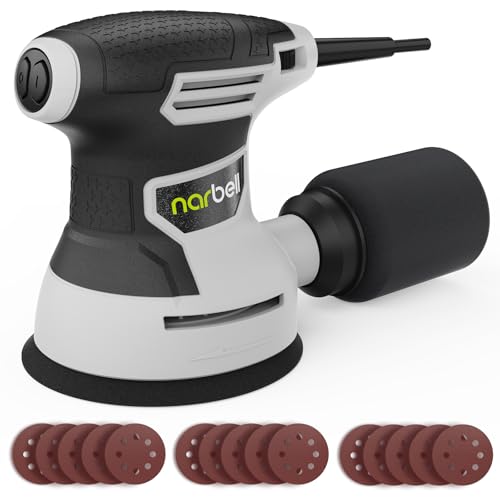
NARBELL Orbital Sander 3.0AMP 14000RPM 6 Variable Speeds 5 Inch

AVID POWER 20V Cordless Orbital Sander 5 Inch 6 Variable Speeds
DEWALT 20V MAX Cordless Drywall Sander DCE800B
MAXXT Electric 5mm Random Orbital Sander Palm Sander Brushless Motor
DCK Random Orbital Sander 3.0 AMP Corded Palm Sander 6 Speeds 12,000 OPM
DOVAMAN 130W Detail Sander 12000RPM Dust Collection System DLS03A
Pro-Grade Random Orbital Sander 350W Brushless Powerhouse Dual 5 and 6 Pads
More Details On Our Top Picks
The WORKPRO fits the kind of workshop where you move from rough boards to a cleaner finish in one afternoon. Six speed settings give you room to slow down on delicate stock or lean harder into material removal, and the included dust collector helps keep the workbench from becoming a mess.
At 5 inches and 2.5 amps, it sits in that sensible middle ground for furniture touch-ups, shelves, and small cabinet jobs. The honest trade-off is that corded convenience still means you’re tethered to an outlet, but that’s a fair swap for steady power and the extra sanding discs in the box.
Strong Points
- Six speeds give you useful control across sanding stages.
- The 5-inch pad suits common woodworking tasks without feeling oversized.
- Dust collection helps cut cleanup time in a home shop.
- Included sandpaper makes startup easier for basic projects.
Things To Consider
- The cord keeps you close to an outlet, which can slow mobile jobs.
- The dust collector helps, but it still needs regular emptying during longer sessions.
Feature Rundown
Who It Suits Best
DIY woodworkers who want a familiar corded sander for furniture, trim, and shelf work get the most from this one.
A Better Fit Elsewhere
AVID POWER 20V Cordless Orbital Sander 5 Inch 6 Variable Speeds suits you better for light jobs around the house where dragging a cord gets in the way.
Compared with the WORKPRO, this NARBELL leans a little more toward max speed, while keeping the same 5-inch format that feels familiar in hand. That makes it a sensible shop tool for smoothing panels, cleaning up edge work, and handling regular sanding passes without making the setup feel complicated.
The dust bag and 15 sanding sheets help it arrive ready for ordinary wood projects, though dust bags never catch everything. In a garage or basement shop, that trade-off is easy to live with, especially for you if simple corded control matters more than extra accessories.
What We Like
- Six speed settings help you match the tool to the task.
- The 14,000 RPM ceiling gives it a brisk feel for routine sanding.
- The 5-inch pad keeps it broadly useful on common flat surfaces.
- Included sandpaper and dust bag make the kit more complete out of the box.
Minor Gripes
- The dust bag helps, but it still needs routine emptying.
- Corded use keeps you tied to power, which matters on larger layouts.
Core Details
Who Should Grab It
Home woodworkers who want a straightforward corded sander for cabinets, boards, and small refinishing jobs will feel at home with this pick.
Another Choice May Suit
MAXXT Electric 5mm Random Orbital Sander fits better for you if you want a more specialized workshop tool with brushless-motor efficiency and vacuum-friendly dust control.
Once you move away from corded tools, this AVID POWER pick starts making sense for quick fixes around the house and small jobs in a shed, driveway, or remote work area. The 20V battery platform and 5-inch pad give you the sort of portability that helps on stairs, outdoor furniture, or anything that’s awkward to drag toward an outlet.
Its 7,000 to 11,000 RPM range is a little narrower than the first two picks, so it reads as a practical cordless helper rather than a heavy material-removal tool. That’s fine for touch-up sanding and lighter refinishing, especially since the package includes 30 sanding sheets and a dust collection bag.
Highlights
- Cordless setup makes it easier to move around a project.
- Six speed settings support lighter sanding control.
- The 5-inch format stays familiar and easy to manage.
- Thirty sanding sheets give you a generous starter stack.
- The dust bag helps reduce the mess on small jobs.
Room For Improvement
- Battery-powered use means you need to keep charging in mind.
- The RPM ceiling sits below some corded options here.
At A Glance
Made For
Portable sanding around the house, small furniture fixes, and outdoor touch-up work suit this cordless option best.
Swap It Out When
DCK Random Orbital Sander KSA125 is the steadier fit for you if you want a corded machine with lower vibration for flat-surface projects.
After the smaller palm sanders, this one moves into a different lane entirely. The DCE800B is built for drywall work, so it makes more sense on ceilings and large wall spans than on fine furniture touch-ups, and that shift in purpose is exactly why it stands apart here.
Because it’s tool only, you’re looking at a more specialized purchase that assumes you already live inside the 20V MAX ecosystem. For remodels, patching, and sanding overhead areas, that makes the tool feel focused rather than overloaded with extras.
Reasons To Buy
- Drywall-specific design suits wall and ceiling work.
- Cordless operation helps on ladders and in open rooms.
- Tool-only format keeps the setup streamlined for existing users.
Points To Note
- You need compatible 20V MAX batteries and a charger.
- Its specialization makes it less useful for general woodworking.
Feature Card
The Right Fit
Home remodelers and trade-focused users who handle drywall more often than furniture sanding get the most value from this one.
Look Elsewhere When
WORKPRO 5-Inch Random Orbit Sander 6 Variable Speeds 2.5 Amp suits you better for general wood sanding and smaller household projects.
MAXXT feels aimed at you if your sanding habits are a little more serious than occasional weekend touch-ups. The brushless motor is the key detail here, because brushless designs usually bring better efficiency and less maintenance than brushed ones, especially during longer shop sessions.
Pair that with the 5mm orbit, central vacuum support, and compatibility with 5-inch and 6-inch pads, and you get a machine that can flex across wood and panel work without feeling narrow. The trade-off is that this is more of a focused workshop tool than a casual carry-around sander, so it suits a dedicated space better than a packed tool bag.
Upsides
- Brushless motor design supports efficient, steady use.
- 5mm orbit gives it a distinct sanding pattern for panel work.
- Central vacuum support helps pair it with dust extraction setups.
- Compatible with both 5-inch and 6-inch pads.
Small Caveats
- It makes the most sense in a proper workshop setting.
- The more specialized setup may be more than casual users need.
Details At A Glance
Built With In Mind
Workshop users who spend more time on wood and panel processing than on quick repairs will appreciate this setup.
Where A Sibling Pick Shines
NARBELL Orbital Sander 3.0AMP 14000RPM 6 Variable Speeds 5 Inch makes more sense for you if you want a simpler corded option with a lower upfront setup burden.
The DCK takes a more practical route than some of the flashier entries here. Its low-vibration design is the kind of detail you notice during longer sanding runs, especially on furniture panels, cabinet doors, or any flat surface that asks for patience rather than brute force.
DCK also says this model is suited to flat surfaces like wood furniture, cabinets, floors, and metal projects, and that helps narrow the use case in a useful way. The trade-off is equally clear, since it’s not meant for textured drywall or plaster walls, so that clarity saves you from pairing it with the wrong job.
Best Bits
- Low-vibration design helps with longer work sessions.
- Six speeds keep the tool adaptable for routine sanding.
- The 5-inch pad matches common sanding sheets.
- Included sandpaper and dust bag add day-one usefulness.
Areas To Watch
- It’s built for flat surfaces, not textured walls.
- The dust bag will need emptying during extended use.
Feature Snapshot
Whose Shelf It Belongs On
Home DIY users who care more about smooth control on flat surfaces than specialty drywall work will appreciate this one.
Not Your Match When
DEWALT 20V MAX Cordless Drywall Sander DCE800B is the stronger fit for wall finishing and overhead sanding tasks.
This DOVAMAN is the one to watch for corners, edges, and awkward little zones that a 5-inch orbital sander can’t handle cleanly. The 1.1 amp copper motor reaches up to 12,000 RPM, which sounds modest next to the bigger tools here, but that’s the point, it’s built for precision more than broad coverage.
The two dust collection paths are a nice touch, especially the vacuum connection, which tends to help more than a small onboard box in real workshops. That makes it well suited to shelf edges, stair parts, and metal touch-ups, though you’ll still want to plan for periodic cleanup around the pad and collection points.
Bright Spots
- Compact shape helps reach tight spots and edges.
- Two dust collection options give you some setup flexibility.
- The copper motor supports focused detail work.
- Included sandpaper helps you get moving right away.
Honest Caveats
- The dust box is useful, but a vacuum connection is the stronger route.
- Its detail-focused shape is less suited to wide flat panels.
Core Details
Perfect Match For
Craft-style woodworking, edge cleanup, and tight-space sanding are where this compact tool makes the most sense.
Reach For A Different Pick When
WORKPRO 5-Inch Random Orbit Sander 6 Variable Speeds 2.5 Amp is the better all-around option for larger boards and broader wood surfaces.
Among the more advanced options here, the Pro-Grade sander stands out for shoppers who want flexibility across surfaces. The brushless 350W motor and variable speed range from 4,000 to 10,000 RPM point to a tool that’s built for bigger jobs, while the dual 5-inch and 6-inch pad setup gives you more room to match the tool to the work.
That mix feels useful for floors, auto work, and DIY projects where you don’t want to be locked into one pad size. The catch is that a more capable setup can feel like too much for quick shelf sanding, so it makes the most sense once your projects start covering more ground.
Positives
- Brushless power supports more demanding sanding sessions.
- Dual pad sizes add useful flexibility for different surfaces.
- The variable speed range helps with control across tasks.
- It fits floors, auto work, and broader DIY use.
- The broader setup reduces the need for multiple separate sanders.
Softer Spots
- The more advanced setup may be more than casual sanding needs.
- Its flexibility comes with a less compact feel than simpler palm sanders.
Technical Sheet
The Right Fit
DIYers who move between floors, auto panels, and larger finishing jobs will get the most from this versatile setup.
Skip It When
DOVAMAN 130W Detail Sander 12000RPM Dust Collection System DLS03A is the cleaner fit for small trim work, corners, and precise edge sanding.
How To Choose The Right Dustless Sanders
Match The Tool To The Surface
Wide flat boards and cabinet panels call for a random orbit sander with a 5-inch pad, because that shape spreads the work evenly and leaves a cleaner finish path. Tight corners, stair edges, and trim call for a detail sander, since the smaller head can reach spots a larger pad simply misses.
Drywall is its own category. A drywall sander like the DEWALT DCE800B belongs on walls and ceilings, while the other tools in this roundup make more sense for wood, panel, or spot-refinishing work.
Think About Dust Handling In Real Rooms
A dust bag is helpful for quick cleanup, but it usually works best on smaller jobs and lighter sanding. A vacuum port or central vacuum connection tends to help more when you’re sanding longer, working indoors, or trying to keep a garage bench clearer.
The honest read is that no compact sander turns sanding into a zero-mess task. Better collection still makes the job easier on your floor, your eyes, and the time you spend cleaning afterward.
Choose Power Source With Your Routine In Mind
Corded models suit a fixed shop, basement, or garage where outlets stay close. Cordless models suit quick repairs, stair work, and outdoor tasks where a cord becomes one more thing to manage.
Higher amp ratings and brushless motors usually suit longer sessions or more demanding material removal. For smaller household jobs, a lighter cordless pick often feels easier to live with, even if it gives up a little speed headroom.
Look Past The Headline Specs
Speed ranges matter, but orbit size, pad size, and included accessories shape the actual ownership experience. Sanding sheets in the box can save a first trip to the store, while low-vibration design can make longer sessions feel less tiring.
Think about maintenance too. Dust bags need emptying, hook-and-loop pads wear over time, and vacuum-ready tools make more sense when you already have a compatible setup.
What To Know Before You Choose
Common Shopping Slip Ups
It’s easy to focus on RPM and miss the bigger fit question. A high-speed corded sander can still be the wrong tool for drywall, and a detail sander can feel too small for cabinet doors.
Another common miss is dust handling. A small bag is fine for touch-ups, but a vacuum-ready setup usually works better for longer indoor sessions and keeps cleanup simpler.
What The Higher Tier Buys
More expensive sanders usually bring brushless motors, better dust management, and pad options that adapt to more than one project type. Those details matter most when you sand often, work on larger surfaces, or want less fuss during extended sessions.
For occasional shelf sanding, the extra spend may feel unnecessary. For a busy workshop or regular remodel work, the upgrade can pay off in smoother control and less frustration with setup.
Frequently Asked Questions
What does “dustless” really mean in a sander?
It usually means the tool is set up to capture a meaningful amount of sanding dust through a bag, box, or vacuum port. It does not mean the work area stays completely clean.
Should you choose corded or cordless for home sanding?
Corded models suit long sessions and fixed workspaces because they keep steady power flowing. Cordless models suit quick fixes, stairs, and jobs away from outlets.
Why does pad size matter so much?
A 5-inch pad works well for most furniture and general woodworking. Smaller detail heads fit corners and trim, while larger specialized designs help with wall or floor work.
Is a brushless motor worth it here?
Brushless motors usually make sense for frequent use because they tend to run efficiently and need less routine upkeep than brushed designs. For occasional sanding, a simpler motor can still be perfectly workable.
What should you look for in dust collection?
A vacuum connection usually handles longer jobs better than a small onboard bag. A dust bag still helps, especially for short sanding passes and quick cleanup.
Final Thoughts
Your best match comes down to the surface in front of you and how often you reach for a sander. The WORKPRO and NARBELL are easy starting points for general woodworking, the AVID POWER adds cordless freedom, and the DEWALT takes care of drywall work that standard palm sanders can’t cover well. MAXXT and the Pro-Grade model suit more demanding setups, while DCK and DOVAMAN keep things practical for flat surfaces and detail edges. Pick the tool that fits your space first, and the sanding gets a lot less annoying.




