


You need a rotary hammer when a regular drill starts stalling on concrete, masonry, or tile work. The right pick depends on how much control you want, how hard the material runs, and whether you value cordless freedom or corded muscle more.
This roundup focuses on practical fit for home remodels, shop work, and heavier demolition. You’ll see compact SDS-Plus tools alongside larger jack-hammer style options, so you can match the tool to the job instead of overbuying.
Quick Look At The Strongest Options

Makita XRH04Z 18V LXT 7/8″ Rotary Hammer

XtremepowerUS 2200W Demolition Electric Jack Hammer

BOSCH RH328VC 1-1/8″ SDS-plus Rotary Hammer

Metabo HPT DH28PFY 1-1/8″ Rotary Hammer

DOVAMAN 1-9/16″ SDS Rotary Hammer Drill
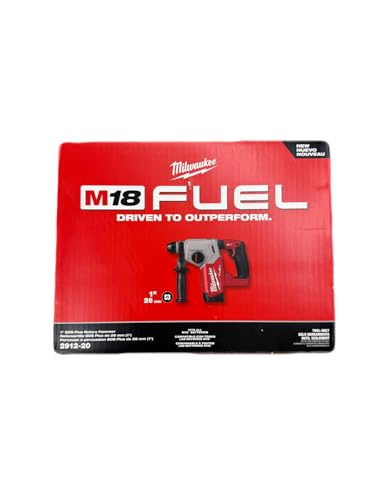
Milwaukee 2912-20 M18 Fuel 18V 1″ SDS Plus Rotary Hammer

XtremepowerUS 2200W Electric Demolition Jack Hammer 5-Piece Set
SHIELDPRO 1-1/4″ SDS-Plus 13 Amp Rotary Hammer Drill
More Details On Our Top Picks
The Makita XRH04Z makes the most sense on jobs that move around a house, garage, or jobsite. Its cordless format and SDS-PLUS bit compatibility keep it practical for anchors, small holes, and overhead work where a cord gets in the way.
The variable-speed motor runs from 0 to 1,200 RPM and 0 to 4,000 BPM, so you get enough range for more than one material. The trade-off is simple, tool-only ownership means you’re already in Makita’s battery platform, or you need to be.
What We Like
- Cordless setup gives you cleaner movement around ladders, scaffolding, and tight corners.
- The three modes, rotation only, hammering with rotation, and hammering only, cover more than one drilling style.
- The torque limiting clutch helps protect the gear train when the bit binds, which matters on stubborn material.
- Small jobs feel more manageable because you’re not dragging a cord behind the tool.
Small Caveats
- Tool-only packaging means battery and charger planning falls on you.
- That 7/8-inch size suits lighter rotary hammer work more than larger demolition tasks.
- Owners who tackle long sessions may prefer a corded model for steadier runtime.
Feature Rundown
Who Will Love This
Home remodelers and cordless tool users who want a compact rotary hammer for anchors, light concrete drilling, and mixed overhead work will get the most from it.
Where A Sibling Pick Shines
Milwaukee 2912-20 M18 Fuel 18V 1″ SDS Plus Rotary Hammer suits cordless users who want a brushless platform with a slightly larger 1-inch class tool.
Floor tear-outs and stubborn slabs are the clear lane for this XtremepowerUS jack hammer. Compared with the Makita and Bosch rotary hammers above, this one leans harder into raw demolition than clean drilling.
The 2,200W motor puts it in heavy-duty territory for breaking concrete, metal, or wood in renovation work. You’ll want the space and the stamina for it, because jack hammers trade finesse for force, like a sledge where a chisel would normally live.
Reasons To Buy
- Built for high-impact breaking, not just small anchor holes.
- The included flat and point chisels help you start with the basic demolition shapes.
- The case makes storage and transport easier between projects.
- Suited to large tear-out work where a rotary hammer would feel underpowered.
Points To Note
- It is a demolition-first tool, so precision drilling is not the main strength.
- Size and force make it better for open work areas than cramped interiors.
- Cleaning and storage matter more here, since dust and debris build up fast after heavy use.
Core Details
The Right Fit
Home renovators and property cleanup jobs that involve breaking slab, tile bed, or rough demolition work will benefit most from this style of tool.
A Better Fit Elsewhere
BOSCH RH328VC 1-1/8″ SDS-plus Rotary Hammer suits you better for drilling-focused remodeling where vibration control matters more than brute force.
This Bosch lands in the sweet spot between compact drilling and serious renovation duty. The 1-1/8-inch SDS-plus format gives you more headroom than the Makita XRH04Z, while staying far less brute-force oriented than the XtremepowerUS jack hammers.
Variable speed helps you slow the start, then push through masonry with more control. Vibration control matters a lot on longer jobs, especially in overhead work or when you’re drilling a row of anchors and don’t want your hands to feel wrecked afterward.
Highlights
- 1-1/8-inch class sizing gives it a useful middle ground for many concrete jobs.
- Variable speed lets you match the pace to the surface.
- Vibration control is a real plus for extended use and steadier handling.
- It fits renovation work where control matters as much as power.
Worth Noting
- It still sits below true demolition hammers for slab-breaking work.
- For the longest sessions, a corded rotary hammer can feel less battery-dependent than cordless options elsewhere in this roundup.
- Accessory planning still matters, since SDS-plus bits need to match the chuck system.
Details At A Glance
Built With In Mind
Contractors, serious home renovators, and anyone drilling repeated holes in concrete or brick will appreciate the balance here.
Another Choice May Suit
Makita XRH04Z 18V LXT 7/8″ Rotary Hammer fits you better when cordless convenience matters more than a larger drilling class.
The Metabo HPT DH28PFY feels aimed at everyday jobsite balance. Its D-handle shape gives you a steadier grip for side pressure, and the three operating modes add flexibility when you move between drilling and hammering tasks.
User vibration protection gives this one a comfort edge that matters on longer sessions. Compared with the Bosch RH328VC, it leans a bit more toward handling comfort and straightforward mode selection than speed range talk.
Bright Spots
- Three modes cover more than one type of concrete work.
- The D-handle format gives better leverage during tougher drilling.
- Vibration protection helps keep longer sessions more manageable.
- Its 1-1/8-inch class makes it well suited to general renovation drilling.
Areas To Watch
- D-handle tools can feel less compact than in-line body styles in tight spots.
- It is still a rotary hammer, so heavy demolition belongs elsewhere.
- Storage is easier with a case or dedicated shelf, since the handle shape takes more room than a slim drill.
Spec Overview
Whose Shelf It Belongs On
You’ll get the most out of this tool in a garage shop, remodel crew, or home setup where a comfortable grip and general-purpose flexibility matter.
Look Elsewhere When
Milwaukee 2912-20 M18 Fuel 18V 1″ SDS Plus Rotary Hammer suits cordless users who want a brushless platform and a slightly lighter mobile setup.
This DOVAMAN model pushes into a larger size class than the 1-1/8-inch tools above. The 1-9/16-inch capacity, 12.5-amp corded power, and included bits and chisels make it appealing for heavier concrete work without moving all the way up to a dedicated demolition jack hammer.
The four functions add useful flexibility for a crew that changes tasks during the day. The honest read is that the size and extra force help, but they also make the tool less relaxed for small overhead jobs than the Makita or Milwaukee cordless picks.
Best Bits
- Larger 1-9/16-inch capacity supports bigger drilling demands.
- Four functions give you more task switching than simpler rotary hammers.
- The safety clutch adds a useful layer when the bit catches.
- Included bits and chisels help you get started faster on job day.
Softer Spots
- The larger format asks for more control and more space.
- Corded use is great for runtime, though it ties you to an outlet.
- Accessory cleanup and storage matter, because a fuller kit can get scattered easily.
Feature Card
Who Should Grab It
Remodelers and hands-on property owners who want a stronger corded rotary hammer for concrete and masonry without moving into a full breaker tool will like this profile.
Skip It When
Makita XRH04Z 18V LXT 7/8″ Rotary Hammer makes more sense for lighter, cordless drilling and tighter workspaces.
Milwaukee’s 2912-20 sits in the cordless class but aims a little harder than the Makita XRH04Z. The brushless motor design is the big clue here, since brushless motors usually support more efficient power delivery and less maintenance than brushed designs in everyday use.
That 1-inch SDS Plus size lands it between compact jobsite convenience and enough drilling strength for real renovation work. You may find it especially appealing for repeated anchor holes, overhead installs, or crew setups where one battery platform already does a lot of heavy lifting.
Upsides
- Brushless motor design suits users who want a more refined cordless platform.
- 1-inch class sizing gives it a stronger profile than smaller compact rotary hammers.
- SDS Plus compatibility keeps bit changes practical.
- Good fit for portable drilling where a cord would slow you down.
- Feels aimed at repeat-use jobsite work rather than casual occasional drilling.
Minor Gripes
- Tool-only ownership means you need batteries in the same system.
- It is still a drilling-focused rotary hammer, not a breaker for slabs.
- Brushless tools often make more sense once you use them often enough to value the platform.
At A Glance
Perfect Match For
You’ll appreciate this most on frequent jobsite drilling, especially around ladders, ceiling work, or active renovation projects.
Reach For A Different Pick When
XtremepowerUS 2200W Demolition Electric Jack Hammer suits you better for slab breaking and heavier teardown work.
This XtremepowerUS set is the more accessorized demolition option in the roundup. Compared with Item 2, you get a broader bit assortment, which helps when a remodel shifts from breaking to scraping or shaping.
The 2,200W format still points toward rough teardown work, not finesse drilling. That makes it a better companion for garages, basements, driveways, and other open areas where you want multiple chiseling styles in one kit.
Standout Traits
- Five included tools give you more chisel variety than the simpler two-bit setup in Item 2.
- Useful for demolition tasks that shift from one surface to another.
- The set format helps reduce extra accessory hunting.
- Well suited to larger remodel days where cleanup and breakup happen together.
Room For Improvement
- Accessory sets can take more sorting and storage after the job.
- The tool still favors demolition over neat drilling work.
- Heavy-duty electric tools often feel best where outlet access and open space are easy to manage.
Core Details
Who Should Grab It
DIY remodelers and property owners dealing with concrete removal, asphalt patch work, or mixed demolition chores will get the most from this set.
Another Choice May Suit
DOVAMAN 1-9/16″ SDS Rotary Hammer Drill suits you better for a heavier drilling-focused tool with more controlled masonry work.
SHIELDPRO rounds out the list with a middleweight corded setup that looks practical for general concrete drilling. The 1-1/4-inch class gives you more room than the 1-inch and 7/8-inch tools above, while staying below the larger demolition-first choices.
The included grease, flat chisels, point chisels, and three drill bits make the box feel ready for a real project. That’s useful for a home shop or first-time rotary hammer owner, though the accessory bundle also means you’ll want a place to keep everything organized.
Positives
- 1-1/4-inch capacity suits a broader slice of drilling tasks.
- Three operating functions give you sensible job flexibility.
- Safety clutch adds peace of mind when bits bind.
- Vibration control helps with comfort during longer runs.
- Included grease and bits make setup more convenient.
Things To Consider
- The accessory bundle is handy, but it also needs tidy storage.
- It sits between compact rotary hammers and heavier demolition tools, so it may feel like a middle ground rather than a specialist pick.
- For the hardest slab removal, the XtremepowerUS jack hammers above still make more sense.
Technical Sheet
Whose Shelf It Belongs On
DIYers and home improvers who want a feature-packed corded rotary hammer for masonry, anchors, and light concrete tasks will appreciate the balance here.
Where Shoppers Go Wrong
BOSCH RH328VC 1-1/8″ SDS-plus Rotary Hammer suits you better when comfort and vibration control matter more than accessory quantity.
How To Choose The Right Electric Rotary Hammers
Match The Size Class To The Job
Bit capacity tells you more about fit than most glossy product blurbs do. A 7/8-inch model like the Makita XRH04Z suits lighter anchor work and mobile drilling, while 1- to 1-1/4-inch tools give you more headroom for masonry and concrete. Bigger 1-9/16-inch class tools, like the DOVAMAN, make sense when the work starts leaning heavy. The catch is weight and bulk, which climb right along with capacity.
Choose Cordless Or Corded With A Real Use Case In Mind
Cordless rotary hammers shine on ladders, outdoor fixes, and jobs that move from room to room. Corded models usually fit steady shop work, basement remodels, and long sessions where outlet access is simple. Milwaukee’s 2912-20 shows how a brushless cordless platform can still feel serious, while the XtremepowerUS jack hammers lean into nonstop wall power. Your daily routine matters more than the headline power number.
Comfort Features Save You From Fatigue
Vibration control, user vibration protection, and a well-shaped handle matter once the work stretches past a few holes. Bosch and Metabo HPT both put comfort into the design, which helps on overhead runs and repeated drilling. A safety clutch is useful too, because binding in concrete can shock the tool and your wrist at the same time. That matters most on dense materials and awkward angles.
Accessories And Modes Change Ownership Value
Three-mode or four-function tools bring more flexibility than a simple hammer-drill layout. That matters for remodelers who move between drilling, hammering, and chiseling in the same day. Included bits, chisels, grease, or a case can shorten setup time and make storage less messy. The trade-off is that accessory bundles add more pieces to keep track of, which is fine in a garage, less pleasant in a cluttered van.
What To Weigh Before You Commit
Where Shoppers Go Wrong
A common miss is choosing a demolition jack hammer for drilling jobs that never needed that much force. Another is forgetting the bit system, since SDS-plus and SDS-PLUS accessories need to match the chuck style. You also want to think about the work area, because a heavy corded unit can feel awkward in a finished room or on a ladder.
Storage gets overlooked too. A bigger accessory bundle, especially with chisels and grease, needs a place where parts stay together after the job ends.
The Upgrade Payoff
Higher-tier rotary hammers usually cost more because of better motor design, stronger vibration control, larger bit capacity, or a more complete accessory set. Brushless cordless models often feel smoother in daily use, while heavy corded options bring steadier output for harder material. That extra spend makes the most sense for frequent remodel work, repeated anchor drilling, or anyone using the tool as part of a serious setup rather than an occasional fix.
For a once-in-a-while project, a simpler model is often enough. For recurring concrete work, the comfort and control can be worth the step up.
Frequently Asked Questions
What makes a rotary hammer different from a regular drill?
A rotary hammer adds pounding action along with rotation, so it handles concrete and masonry better than a standard drill. That extra motion helps the bit move through harder material with less strain.
Is SDS-plus the same as SDS-PLUS?
Yes, those labels point to the same general bit system style. You still need bits that match the chuck format on the tool.
Do cordless rotary hammers make sense for concrete work?
Yes, especially for anchor holes, light masonry drilling, and jobs that move around a site. Cordless units trade runtime for mobility, so battery planning matters.
When does a demolition jack hammer make more sense?
Choose a jack hammer for slab breaking, heavy tear-out, and rough removal jobs. A rotary hammer is usually the better match for drilling and lighter chiseling.
Why does vibration control matter so much?
It helps make longer drilling sessions easier on your hands and arms. That becomes more noticeable during overhead work, repeated holes, or dense material.
Closing Thoughts
The right electric rotary hammer comes down to the work in front of you, not the biggest number on the box. For compact cordless drilling, the Makita and Milwaukee stand out in different ways. For heavier corded work, the Bosch, Metabo HPT, and DOVAMAN give you stronger footing, while the XtremepowerUS models cover demolition better than drilling. Pick the tool that matches your real project list, and the rest gets a lot easier.




