


You want an electric sander that matches the job, not one that fights you halfway through a weekend project. Some are better for drywall dust, some suit car polishing, and others make sense for furniture prep, trim, or cordless touch-ups around the garage.
This roundup keeps the focus on fit, control, and day-to-day handling. You’ll see where a bigger motor helps, where a lighter body matters, and where the included dust setup changes cleanup from a chore into a quick wipe-down.
The Shortlist At A Glance

Protmex Drywall Sander 1000W Popcorn Ceiling Removal Tool
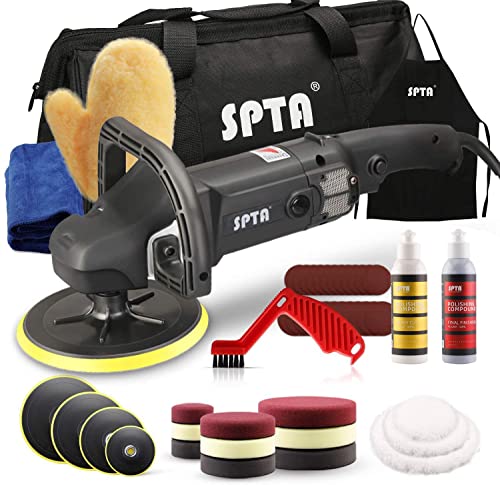
SPTA 7 Inch 180mm Rotary Polisher Buffer Polisher Set

WORKPRO 5-Inch Random Orbit Sander

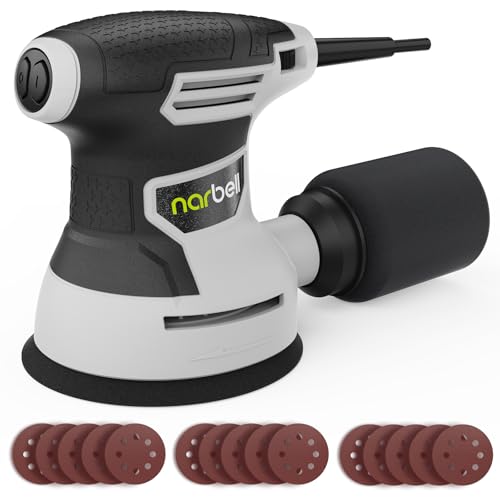
NARBELL Orbital Sander 3.0AMP(360W) 14000RPM Random Orbit Sander Tool

Metabo HPT 5-Inch Random Orbit Finishing Sander SV13YST
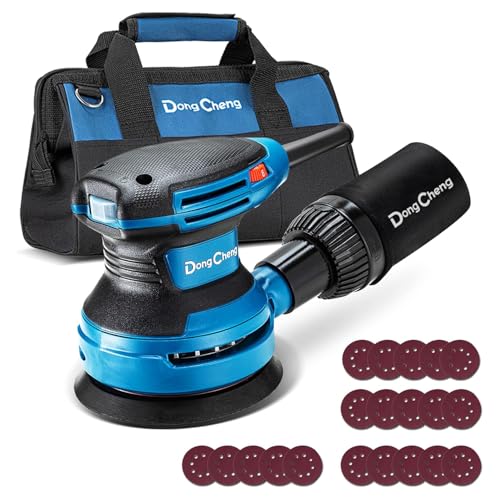
Dong Cheng 5-Inch Random Orbital Sander 3.2A 12800OPM Electric Palm Sander

BOSCH GEX18V-5N 18V Brushless 5 Inch Cordless Random Orbit Sander
More Details On Our Top Picks
Ceiling work gets easier with a tool that reaches without forcing you onto a ladder every few minutes, and this Protmex model leans hard into that job. The foldable, extendable handle and vacuum dust collection speak to long drywall sessions, while the LED light helps in dim corners and along uneven surfaces.
The 800 to 2200 RPM range gives you room to slow down for touchy spots and speed up for bigger passes, so it suits remodelers and careful DIYers alike. The trade-off is obvious, though, since this is a large-purpose tool rather than a small all-around sander, so storage and overhead handling matter more than they do with the WORKPRO or Metabo HPT picks.
Strong Points
- Vacuum collection helps keep drywall dust under control during ceiling and wall work.
- Foldable, extendable handle gives you better reach on tall surfaces.
- LED lighting improves visibility in dim rooms and awkward corners.
- Six speed settings let you slow the pace for delicate sections.
- Included sanding discs help you get started without extra sourcing.
Things To Consider
- Overhead sanding takes some stamina, so the size is worth planning for.
- Dust collection still depends on proper setup and routine cleanup.
- It is more specialized than a 5-inch palm sander for general shop use.
Feature Snapshot
Who It Suits Best
Renovators, drywall finishers, and careful home improvers who work on walls or ceilings will get the most from it.
A Better Fit Elsewhere
BOSCH GEX18V-5N 18V Brushless 5 Inch Cordless Random Orbit Sander suits portable touch-up work far better for trim, shelves, and jobsite cleanup.
Automotive polishing asks for a different feel than woodworking, and this SPTA setup is built around that. The 7-inch pad size gives you broader coverage on hoods and panels, which can save time on large paintwork, though it also asks for a steadier hand around tighter curves.
Compared with the drywall-focused Protmex, this one fits detailing bays, garage projects, and paint refresh work much better. The honest read is that a rotary polisher demands more control than a random-orbit sander, so it suits confident users who want direct correction and cleaner pad management.
What We Like
- Large 7-inch pad helps you cover body panels quickly.
- Rotary motion gives direct control for polishing work.
- Set format is handy for anyone starting auto buffing tasks.
- Well matched to garage detailing and paint correction jobs.
Softer Spots
- Rotary polishers take more skill than orbit-style tools.
- The bigger pad feels less nimble on small trim areas.
- Pad care and cleanup matter after each session.
Core Details
Made For
Car owners, detail-oriented hobbyists, and garage users handling buffing or polishing sessions will get the best fit here.
Look Elsewhere When
WORKPRO 5-Inch Random Orbit Sander suits furniture sanding and general wood prep much better for users who want easier handling.
This WORKPRO model sits in the sweet spot for general shop sanding, because the 5-inch pad keeps it manageable while the 2.5-amp motor gives it enough muscle for furniture prep and surface smoothing. The 7000 to 14000 RPM span adds control, and in a busy workshop that range matters more than flashy extras.
Compared with the SPTA rotary polisher, this is far easier to live with on wood, painted panels, and everyday home repairs. You may find it especially useful in small garages, since the compact orbit format is easier to steer than the drywall unit above.
Bright Spots
- Five-inch pad suits shelves, tabletops, and cabinet faces.
- Variable speed helps you adapt to rough or finer sanding.
- Dust collector supports cleaner work in enclosed spaces.
- Included sandpapers make it easier to start common projects.
- 2.5-amp motor gives a sensible balance of power and control.
Areas To Watch
- Smaller pad means more passes on broad boards.
- Dust management still benefits from routine emptying and fit checks.
- It is less aggressive than a disc-style unit for heavy material removal.
Details At A Glance
Right Fit For
Home woodworkers, weekend builders, and first-time sander shoppers who want an easy palm-style tool will appreciate this one.
Swap It Out When
Makita GV5010 5 Disc Sander fits more aggressive surface removal and tighter professional control better than this orbit model.
The Makita GV5010 feels like the most straightforward tool in this lineup for focused disc sanding. A disc sander is a direct-contact machine, so it suits users who care more about decisive surface removal than the softer finish that orbit tools tend to leave.
That makes it a natural step up from the WORKPRO when you need firmer control on a specific area, though it asks for a steadier touch. In a small shop or a repair bench, that directness can be a real advantage, and it rewards users who already know the pace they want.
Highlights
- Disc format gives direct sanding action for concentrated work.
- Makita’s compact build usually fits well in busy tool setups.
- Useful for surface shaping and targeted cleanup jobs.
- Simple tool profile keeps the focus on the work itself.
Room For Improvement
- Disc sanders feel less forgiving than orbit sanders for beginners.
- It is better suited to targeted work than broad finishing.
- Tool handling matters more here, especially on delicate pieces.
Feature Card
Whose Shelf It Belongs On
Experienced DIYers and shop users who want a straightforward disc tool will get the most from it.
A Better Fit Elsewhere
Metabo HPT 5-Inch Random Orbit Finishing Sander suits lighter finish work and more comfortable all-day handling better.
The NARBELL keeps things practical, with a 5-inch palm shape, six speeds, and a 3.0-amp motor that feels aimed at everyday sanding rather than specialty work. That makes it a neat middle ground for homeowners who want one tool for shelf prep, paint touch-up, and basic woodworking.
Compared with the Makita disc sander, this one is easier to use on finished surfaces because the random-orbit action is more forgiving. The dust bag and included sandpapers make maintenance simpler in a home shop, though you’ll still want to empty the bag often so airflow stays consistent.
Best Bits
- Six speed levels help you tailor the pace to the task.
- Random-orbit action suits general finishing work.
- Dust bag keeps cleanup more contained than open sanding.
- Includes 15 sandpapers, which helps you start faster.
- Light gray finish gives it a clean, simple look on the bench.
Worth Noting
- Dust bag performance depends on how often you empty it.
- It is built for broad home use, not heavy stock removal.
- More passes may be needed on rougher lumber.
Spec Overview
The Right Fit
General DIY users and casual woodworkers will like how easily this one fits everyday sanding jobs.
Another Choice May Suit
BOSCH GEX18V-5N 18V Brushless 5 Inch Cordless Random Orbit Sander makes more sense for mobile work where cords get in the way.
Finish sanding is where comfort starts to matter, and the Metabo HPT makes that clear with its palm-style grip and lightweight build. The 230W, 2.8-amp motor and 9000 to 13000 RPM range are aimed at controlled smoothing rather than aggressive removal, which suits trim, cabinet work, and final prep.
That lighter feel separates it from the heavier Protmex and the more general NARBELL, especially on longer sessions. In a home shop, the dust collection hose connector is a useful detail because it makes it easier to pair with a cleanup setup instead of relying only on the onboard bag style used by some rivals.
Upsides
- Palm-style grip helps reduce hand fatigue during longer sanding sessions.
- Compact shape makes it easier to steer on edges and corners.
- Dust hose connector supports cleaner shop use.
- Variable speed helps you dial in the finish pace.
Small Caveats
- It is tuned more for finishing than for rough stock removal.
- Hose-based dust collection works best with a compatible setup.
- The light build is nice, though it gives up some heavy-duty feel.
Technical Sheet
Best Suited To
Cabinet builders, finish carpenters, and DIYers who value comfort over raw aggression will appreciate it most.
Where A Sibling Pick Shines
WORKPRO 5-Inch Random Orbit Sander is the easier choice for general-purpose home sanding and a broader range of everyday jobs.
The Dong Cheng lands as a practical all-rounder, especially because the kit includes 20 sandpaper sheets and a detachable dust bag. That combination matters in real garages and workshops, since you can move from setup to sanding without hunting for extras.
Its 3.2-amp motor and 12800 OPM rating put it in a lively middle zone for sanding and polishing, so it’s better suited to routine surface prep than to the heavier drywall work covered by the Protmex. The detachable bag is useful, though it also means cleaning and reattaching it become part of the routine.
Reasons To Buy
- 20-sheet sandpaper set helps you start multiple jobs.
- Detachable dust bag keeps the tool easy to empty.
- Five-inch format works well for home projects and repairs.
- Variable speed support makes it adaptable across sanding tasks.
Minor Gripes
- Detachable dust parts add one more piece to manage after use.
- It is more general-purpose than specialist tools in this list.
- Large boards still take patience because of the 5-inch pad.
Feature Rundown
Who Should Grab It
Home fixers who want an adaptable kit for sanding, polishing, and general prep work will get strong value from it.
Not Your Match When
Makita GV5010 5 Disc Sander is the more focused choice for users who want a tougher, more direct sanding feel.
Cordless sanding changes the job fast, especially on stair rails, outdoor trim, and rooms where cords snag on ladders or furniture. The BOSCH GEX18V-5N leans into that mobility with a brushless motor, which usually means less maintenance around motor wear than brushed designs, plus a cleaner feel in repeated use.
Because it’s a bare tool, it makes the most sense for someone already invested in the battery platform. Compared with the Metabo HPT, you give up the corded simplicity but gain easier movement across a larger work area, and that trade can be worth it in active jobsite setups.
Standout Traits
- Cordless design removes the drag of a power cord.
- Brushless motor supports efficient operation and reduced upkeep.
- Five-inch orbit format keeps it familiar and manageable.
- Good fit for work zones with awkward outlets or no outlet nearby.
Honest Caveats
- Bare-tool format means the battery and charger come from elsewhere.
- Cordless convenience depends on the battery setup you already own.
- It is less appealing for users who prefer a simple plug-in tool.
Core Details
Perfect Match For
Mobile pros, remodelers, and cordless tool users who move from room to room will appreciate this model most.
Consider Something Else When
Metabo HPT 5-Inch Random Orbit Finishing Sander is the simpler pick for corded, lightweight finish sanding in a home shop.
How To Choose The Right Electric Sanders
Match The Tool To The Surface
Drywall and ceiling work call for reach, dust control, and steady overhead handling, which is why a tool like the Protmex looks so different from a 5-inch palm sander. Furniture, trim, and cabinet prep lean toward smaller orbit sanders because they give you more control on edges and finished surfaces.
Car polishing sits in its own lane. A rotary polisher such as the SPTA is built for body panels and paintwork, not wood or patch sanding, so the shape of the job should drive the choice first.
Pay Attention To Motor And Speed
Motor power and speed range shape how quickly the tool removes material and how calm it feels in your hand. Higher RPM or OPM numbers can help on larger jobs, but a broad range matters more than a single high figure because it lets you slow the tool down for finer passes.
For casual woodworking, the WORKPRO and NARBELL style of variable-speed orbit sander is usually enough. For ceiling repair or heavier sanding, the stronger Protmex category makes more sense because it handles bulk work with less strain.
Think About Dust And Comfort
Dust collection changes the daily experience more than many people expect. A bag, hose connector, or vacuum-style setup can keep cleanup faster and help you see the surface better while you work.
Grip shape matters just as much. Palm-style bodies like the Metabo HPT usually feel easier during longer sessions, while corded or larger-format tools can ask more of your wrists and shoulders.
Decide Between Corded And Cordless
Corded sanders suit repeat workshop use because they stay plugged in and ready. Cordless models like the BOSCH GEX18V-5N shine in rooms with awkward outlet placement, on stairs, and in places where a cord keeps catching on surfaces.
The trade-off is battery dependence, and bare-tool cordless picks make that more important. For a fixed bench or garage, corded often keeps things simpler.
Things Worth Knowing First
Common Shopping Slip Ups
Many people grab a sander by motor size alone and miss the pad format. A huge disc or rotary tool can feel clumsy on trim, while a 5-inch orbit sander may take too long on broad drywall or ceiling work.
Dust control gets overlooked too. A dust bag helps, but it still needs regular emptying, and hose-based setups only help when they match the rest of your shop.
What The Higher Tier Buys
More expensive models usually pay for stronger motor design, better comfort shaping, and cleaner handling under load. Brushless cordless tools, heavier-duty drywall units, and more refined grips all tend to cost more because they serve harder use with less fuss.
The upgrade makes sense for frequent work, awkward spaces, or long sessions. For occasional shelf sanding, a simpler corded orbit sander often covers the need without extra complexity.
Frequently Asked Questions
What kind of electric sander works best for beginners?
A 5-inch random-orbit sander is usually the easiest place to start because it feels familiar and stays manageable. The WORKPRO and NARBELL models fit that lane well.
Is a rotary polisher the same thing as a sander?
No, it serves a different job and behaves differently in your hand. The SPTA rotary polisher is aimed at car polishing, not general woodworking or drywall prep.
Do dust bags really make a difference?
Yes, especially in small shops and garages where dust spreads quickly. The bag still needs emptying, but it helps keep the work area cleaner between passes.
Should you choose corded or cordless?
Corded models are simpler for fixed work areas and long sessions. Cordless tools make more sense for stairs, outdoor trim, and places where outlet access gets awkward.
What size sander fits most home projects?
A 5-inch orbit sander covers the broadest mix of home tasks. It handles shelves, cabinets, trim, and light repair work without feeling too bulky.
Final Thoughts
The right sander depends on the surface in front of you, not just the model name on the box. A drywall tool, a rotary polisher, and a cordless finish sander all solve different problems, and that’s what makes this category worth sorting carefully. For most home projects, a 5-inch random-orbit model gives you the cleanest balance of control and usefulness. For bigger jobs or awkward spaces, the specialized picks here earn their place without overpromising.




