Pulling weeds from between pavers is one of those yard chores that quietly eats your Saturday. Whether you manage a small patio, a long driveway, or a winding garden path, the right tool turns back-breaking scraping into a few minutes of focused work. Modern options split into two camps: manual crack weeders that rely on leverage and sharp steel, and battery-powered stand-up pullers that grip taproots without forcing you to kneel. The picks below span both styles, with honest notes on what each one does well, where it falls short, and which yard it actually fits.
How The Shortlist Stacks Up

BARAYSTUS Crack Weeder Stainless Steel Manual Crevice Weeding Tool

BARAYSTUS Crack Weeder 3-in-1 Adjustable Crevice Cleaning Tool
TaskStar Electric Weed Puller Tool 21V Battery Powered

Seesii Electric Stand Up Weed Puller Tool with 2 x 2000mAh Batteries

DIAINSKY 21V Electric Weeding Tool
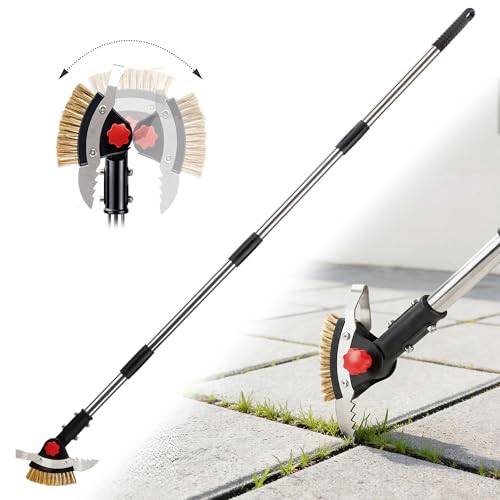
Tdrynl 3-in-1 Heavy Duty Crack Weeder Tool 59″ Adjustable

Juxifyron Crack Weeder and Moss Remover Tool 67-inch Long Handle

ecstal Veecool Electric Weed Puller Tool Stand Up
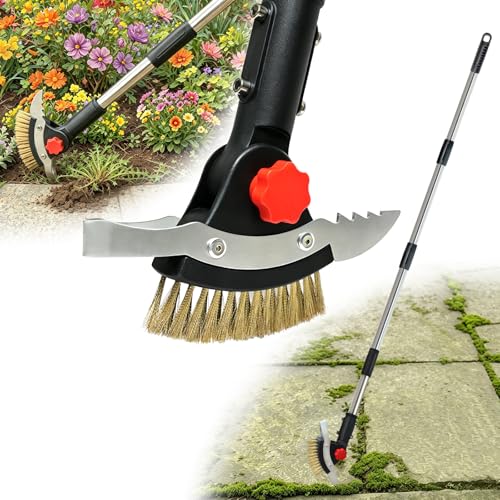
VITAINTE 3 in 1 Crack Weeder Tool Long Handle
The Details Behind The Selections
The BARAYSTUS crack weeder is a simple L-shaped manual tool built for one job: getting narrow taproot weeds out of the gaps between pavers. The stainless steel head is sharp enough to slide into tight joints, and the handle telescopes between roughly 25.6 and 55 inches, which means you can stay standing while you work. It suits patios with sand-set pavers and brick walkways where weeds root in thin seams rather than wide beds.
For homeowners dealing with dandelions, crabgrass sprouts, or moss creeping through a courtyard, the reach alone is a real upgrade over a kitchen knife or screwdriver. The trade-off shows up in tougher soil: heavily compacted driveway cracks take patience, and very mature weeds with thick crowns may snap at the surface instead of pulling clean. Pair it with the BARAYSTUS 3-in-1 below for heavier moss, since this one is strictly a hook-and-pull design.
Standout Benefits
- Adjustable length covers both short and tall users without swapping tools
- Stainless steel head resists rust after wet scrubbing or rainy weekends
- Lightweight build reduces arm fatigue during longer weeding sessions
- Works in the narrowest joints, including sand-set pavers and brick seams
Points To Note
- Manual effort required, so large driveways can feel slow
- Thick taproots may snap instead of lifting whole, depending on soil softness
- No brush head for clearing moss or surface debris alongside weeding
Quick Facts
Who Will Love This
Homeowners with smaller patios and tight paver joints who want a no-batteries, low-cost tool that handles routine weed touch-ups quickly.
Consider Something Else When
Pick the Juxifyron 67-inch crack weeder if you have a wide deck or large paver patio and want a longer handle plus brush heads for sweeping moss as you go.
The second BARAYSTUS entry trades the L-hook for a 3-in-1 cleaning head. A curved scraper handles narrow seams, a triangular scraper widens out for bigger joints, and a metal wire brush tackles moss and dirt that brushing alone won’t budge. The 0.08-inch-thick stainless steel scraper stays sharp through a full season of weekly cleanups, and the head swivels for a more natural angle along curves.
Compared to the L-shaped weeder above, this one is less about pulling whole plants and more about restoring the joint itself. If your pavers are more moss-stained than weed-choked, the brush head is the part you’ll reach for most. You may find the brush slightly aggressive on softer limestone, so test a small section first.
Strengths Worth Knowing
- Three tools in one head reduce trips back to the garage
- Wire brush lifts moss and surface grime without chemical treatments
- Stainless steel scraper resists rust after wet weather storage
Small Caveats
- Less effective on deep taproots than a hook-style weeder
- Brush may feel stiff on softer stone finishes
Built With In Mind
Yards with mossy, debris-heavy paver joints that need scrubbing and scraping more than root pulling.
Where Another Pick Suits Better
Pick the TaskStar 3-claw electric puller when dandelions and other deep taproots are the main problem rather than surface moss.
The TaskStar is the first powered option on the list, and it earns its place by going after the part manual tools can’t reach: the entire taproot. Three stainless steel claws dig into the soil around the weed, twist, and lift the root system out whole. Two 2000mAh batteries ship in the box, so you can swap mid-job without waiting for a recharge, which matters when you’re clearing a long driveway.
For lawns, garden borders, and paver edges where dandelions have had years to dig in, the difference in regrowth is noticeable. Same story with thistles and other stubborn perennials. The trade-off is bulk: this is a stand-up tool with a motor, so storage in a small shed takes planning, and the claws can struggle in gravel-heavy paver joints.
What It Does Well
- Stainless claws extract full roots, reducing regrowth cycles
- Dual 2000mAh batteries extend runtime for larger yards
- Stand-up design removes knee strain during long weeding sessions
Trade Offs
- Heavier than manual tools and harder to store in tight spaces
- Claws can jam on hard objects or dense gravel, requiring a softer touch
- Less precise than a thin L-hook in very narrow paver seams
Right Fit For
Homeowners with established lawns and garden beds where deep taproots are the main problem and a powered tool is worth the storage trade-off.
Look Elsewhere When
Pick the Seesii stand-up puller if you want a slightly more powerful 20V motor and an adjustable handle for taller users.
Seesii positions this as a 2026-updated 20V puller, with a 350W motor spinning at 350 RPM and a stated 2.4-inch root reach. Two 2000mAh batteries come standard, and the telescoping handle slides between 30 and 40 inches. For users who want extra torque on compacted soil, the higher voltage and motor output make a real difference compared to entry-level 18V pullers.
It’s a thoughtful choice for seniors, anyone with back or knee issues, and households with multiple people sharing one tool, since the handle adjusts in seconds. The catch is that more power means more weight, and the larger motor housing is harder to maneuver in tight corners near garden walls.
A Few Strong Suits
- 350W motor penetrates compacted soil with less user effort
- Telescoping handle adapts to users of different heights
- Dual batteries cut downtime during larger jobs
Worth Bearing In Mind
- Bulkier motor head limits access in tight corners
- Heavier than manual or 18V alternatives, depending on your strength
Feature Snapshot
Made For
Seniors, tall users, and anyone with limited mobility who wants a powered puller with enough torque to handle neglected beds.
Swap It Out When
Pick the TaskStar 3-claw puller if you prefer a slightly different claw geometry and want a comparable dual-battery setup at a different feature profile.
DIAINSKY’s 21V electric weeder sits in the practical middle of the powered category. A Li-ion battery pack powers a high-speed rotating head, so you stand upright, position the tool, and let the motor do the digging. For anyone who has spent a summer weekend on their knees, the back-friendly operation is the real selling point, especially on a budget.
It handles the same dandelion-and-crabgrass workload as the TaskStar and Seesii pullers, though it lands at a more approachable feature profile. You may find the battery life shorter under heavy use, and the included accessories tend toward the basics, so plan on adding replacement batteries if your yard is large.
The Good Stuff
- Stand-up operation removes bending and kneeling from the routine
- Compatible with the same 21V battery platforms used by other yard tools
- Reaches dandelions, crabgrass, and thistles without hand pulling
Honest Caveats
- Runtime is shorter than higher-tier pullers during heavy sessions
- Included accessory bundle is minimal, depending on the listing
Whose Shelf It Belongs On
Cost-conscious households stepping into powered weeding for the first time and wanting a simple, no-frills stand-up tool.
Skip It When
Pick the ecstal Veecool electric puller if you want a longer stated run per charge and a setup aimed at larger yards or small farms.
The Tdrynl 3-in-1 brings a heavier build to the manual category. The head pairs a metal wire brush, a narrow crack blade, and a V-shape scraper, and the 59-inch adjustable handle means tall users can stop hunching. It’s aimed at driveways, patios, and paver grids where weeds, moss, and compacted dirt all show up in the same week.
Compared to the BARAYSTUS 3-in-1 above, this one feels more substantial in the hand, with thicker steel that resists bending when you meet a stubborn root. The trade-off is weight, which can matter during longer sessions. For a quick weekly pass, it’s a solid match.
Notable Upsides
- Three cleaning tools cover narrow seams, wide joints, and moss
- Thick stainless steel holds up to repeated heavy use
- Long handle reduces bending and back strain on paver patios
Practical Considerations
- Heavier than lighter crack weeders, depending on your grip strength
- Brush may scuff softer or polished stone if pressed too hard
Technical Reference
Who Should Grab It
Homeowners with large paver patios or long driveways who want a sturdy manual tool for regular seasonal maintenance.
Reach For A Different Pick When
Pick the VITAINTE 3-in-1 long handle if you want a similar tool with a slightly different ergonomic profile and an adjustable 30 to 59 inch range.
Juxifyron’s crack weeder is the longest manual option on the list, with a 67-inch stainless steel handle and dual brush heads. One end is a steel wire paver brush, the other is an iron spike for digging out tougher weeds, so you flip the tool rather than swapping heads. A hanging hole near the top makes storage on a shed hook simple.
For wide paver patios, deck surrounds, and long walkways, the reach is the standout feature. The honest read is that a 67-inch handle takes some getting used to in tight garden corners, and the dual-head design adds a small amount of weight at the working end. For open spaces, it shines.
Strong Points
- 67-inch handle covers wide patios without constant repositioning
- Dual brush and spike heads reduce tool changes mid-job
- Stainless steel handle resists rust in damp storage
Potential Drawbacks
- Long handle feels unwieldy in narrow garden corners
- Spike end can be too aggressive for softer paver materials
Right Fit For
Homeowners with wide paver patios, long walkways, or deck surrounds who want maximum reach with a manual tool.
Look Elsewhere When
Pick the Tdrynl 3-in-1 if your work is closer to the house and you’d prefer a shorter adjustable handle that stores more easily.
ecstal’s Veecool is a stand-up electric puller aimed at larger properties, including lawns, yards, and small farm plots. The manufacturer states that one charge handles 3000+ pulls, which lines up with households that want to clear a full property in a single session. The ergonomic handle keeps the work upright, and the claw system targets the root zone so regrowth slows.
There’s a usage note worth flagging: the claws are designed to rebound when they hit hard objects, so they’re meant to grip the weed at the soil line rather than plunge deep. You may find that learning this technique takes a few attempts, and misuse can shorten the life of the claws.
Practical Pluses
- Stand-up posture protects the back and knees
- High stated pull count per charge suits larger properties
- Targets roots directly, slowing regrowth cycles
Things To Consider
- Claws rebound on hard objects, so proper technique is required
- Bulkier than manual crack weeders for tight paver seams
Feature Card
Best Suited To
Homeowners with large yards, garden plots, or small farm settings who want a powered tool with extended runtime.
Not Your Match When
Pick the BARAYSTUS 3-in-1 manual crack weeder if your work is concentrated in narrow paver joints rather than open lawn.
The VITAINTE 3-in-1 closes out the list with a flexible take on the manual format. The handle adjusts between 30 and 59 inches, so it works for users of different heights, and the head carries a curved scraper, a triangular blade, and a metal wire brush. A minimum crevice width of roughly 0.08 inches sets the lower limit, and the max depth is around 1.5 inches for the standard scraper.
It’s a versatile all-rounder for households that don’t want to think too hard about which tool fits which gap. Compared to the Tdrynl 3-in-1 above, the VITAINTE offers a wider adjustment range at a similar build, making it a friendly choice for shared tools.
Good Reasons To Consider
- Wide 30 to 59 inch adjustment fits most household users
- Three head options cover narrow seams, wide joints, and moss
- Stand-up operation reduces knee and back strain
Some Limits To Know
- Curved scraper reaches max 1.5 inch depth in standard gaps
- Brush end requires gentle pressure on polished stone
Perfect Match For
Households that want a single adjustable manual tool shared between users of different heights, especially in mixed paver-and-deck yards.
Reach For A Different Pick When
Pick the Seesii 20V electric puller if you’d rather automate the work and don’t mind the storage footprint of a powered tool.
What Matters Most Before Choosing Your Weeding Setup
The first decision is power source. Manual crack weeders cost less, weigh almost nothing, and store in a closet, but they lean on your grip and knees. Powered pullers trade weight and charging for root-level removal and upright posture, which matters most for large lawns, seniors, or anyone with limited mobility.
Handle length and adjustability come next. A 25 to 55 inch range covers most households, but shared tools benefit from the 30 to 59 inch models that adapt to multiple users. For paver-specific work, look at the head geometry: L-hooks lift taproots from thin seams, while 3-in-1 heads add scraping and brushing for moss and surface grime.
Finally, match the tool to your surface. Softer stone, polished pavers, and limestone need gentler brush action, while concrete driveways tolerate aggressive scraping. For deep-rooted weeds like dandelions and thistles, prioritize claw-style pullers with enough motor torque to extract the whole root.
Key Considerations Across These Picks
Where Shoppers Go Wrong
A common slip is buying a powered puller for tight paver joints, where the claws can’t fit between closely set stones. Another is grabbing a long-handle manual tool without checking storage space, since 60-plus-inch handles don’t fit in every shed. A third trap is overlooking crevice width: a curved scraper with a 0.08-inch minimum won’t help with wider gravel joints, and a triangular blade won’t reach hairline seams.
What Separates Premium From Basic
Higher-tier pullers typically bring stronger motors, dual batteries, and longer stated runtimes, which translates to fewer mid-job charging pauses and deeper root reach. Manual premium picks add thicker stainless steel and tighter manufacturing tolerances, so the head stays sharp and straight after seasons of wet use. For a small patio, that upgrade matters less than for a long driveway with neglected weeds.
Frequently Asked Questions
How often should I weed between pavers to keep them clean?
A quick pass every two to four weeks during the growing season prevents most taproots from establishing, so a 10-minute walk-through each month is usually enough.
Can electric weed pullers damage pavers or mortar?
Used correctly at the soil line, the claws target roots rather than stone, and rebound designs reduce the chance of chipping. Avoid forcing the tool into hard joints or driving it deep into the soil.
Are manual crack weeders enough for large driveways?
For a long driveway with light weed pressure, yes, though expect more time and effort. A powered puller or a 3-in-1 manual tool with a long handle speeds up the work considerably.
Do I need more than one tool for a paver yard?
Many households benefit from pairing a 3-in-1 manual crack weeder for moss and seams with a powered puller for dandelions in the lawn, since the two tools handle different jobs.
How do I store these tools between seasons?
Manual stainless steel tools clean up with a dry rag and store anywhere dry. Powered pullers should be stored indoors with batteries removed or partially charged, depending on the manufacturer guidance.
Final Verdict
Weeds between pavers are a small chore that gets bigger the longer you ignore it, and the right tool turns the job from a dreaded weekend project into a quick routine. Match the tool to your surface, your body, and the type of weeds you see most, and the rest is steady upkeep. Whichever shortlist pick you choose, your patio and knees will both thank you.