


Anyone who has fished a staple out of a junction box with a standard claw hammer knows why electrician hammers exist. The right one reaches into boxes, pulls Romex staples cleanly, and survives daily drops on concrete without complaint. This roundup covers five options that handle rough trade work and serious home wiring projects alike, from budget-friendly general purpose models to single-piece forged steel tools that masons swear by.
The Essentials At A Glance

IRWIN Fiberglass General Purpose Claw Hammer 16 oz
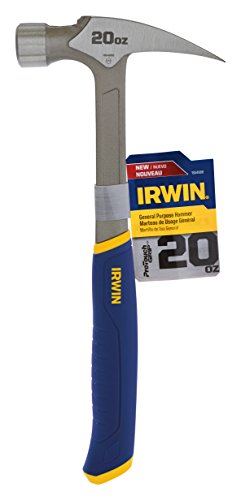
IRWIN Steel General Purpose Claw Hammer 20 oz
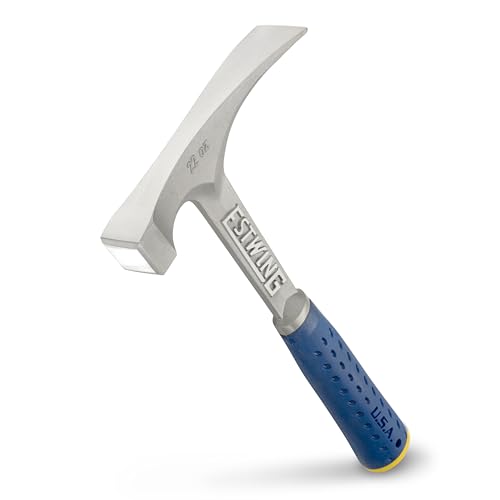
ESTWING Bricklayers Mason’s Hammer 22 oz E6-22BLC

Southwire BMEH-18 Heavy Duty Electrician’s Hammer

ESTWING Ultra Series Hammer 19oz Leather Grip E19S
What Each Pick Brings To The Table
A 16-ounce head sits at the lighter end of the striking range, which matters more than most shoppers expect. Swinging a hammer hundreds of times while roughing in circuits or hanging boxes, every extra ounce shows up in your forearm by mid-afternoon.
The fiberglass handle is the draw here. Unlike solid steel shanks, fiberglass absorbs some of the shock that would otherwise travel into your wrist, and the Pro-Touch style grip keeps the tool from twisting in a sweaty hand. The smooth face leaves fewer marks on finished trim than a milled face would.
What Helps Most
- Fiberglass shaft dampens vibration, so long nailing sessions feel less punishing on the wrist
- Rounded grip shape stays secure even with gloves on during cold-weather work
- Smooth face reduces surface marring when you’re driving nails near visible drywall
- Rip claw gives decent leverage for pulling nails and light prying around boxes
Things To Consider
- At 16 ounces, it drives large framing nails slower than heavier heads, so big demo days may drag
- Fiberglass handles can crack under extreme abuse where steel simply dents, according to widely reported owner experiences
Who It Suits Best
Homeowners and apprentices who want a comfortable, forgiving hammer for outlet swaps, fixture installs, and occasional framing without hand fatigue.
Where A Sibling Pick Shines
For heavier striking work, the IRWIN Steel 20 oz model below delivers more driving force per swing.
Step up four ounces and the character of this tool changes completely. A forged steel head and shank means the whole hammer is one dense piece of metal, which translates directly into more energy delivered per swing. Driving 16d nails through doubled studs becomes noticeably quicker.
That mass comes with a trade-off you’ll feel in your arm over a full shift. The ProTouch grip softens the hold, and the smooth face keeps nail heads from skidding off hardwood, but there’s no shock-dampening material between your hand and the strike like the fiberglass model above offers.
The Good Stuff
- Solid forged steel construction shrugs off drops onto concrete that would damage lesser handles
- Extra head weight drives big fasteners in fewer swings, saving time on framing jobs
- Cushioned grip section cuts down on blisters during repeated overhead nailing
- Magnetic nail holder lets you start a nail one-handed in awkward ceiling positions
Small Caveats
- Steel transmits more vibration to your hand than fiberglass, worth weighing if you nail all day
- The added weight can tire out smaller-framed users faster on extended projects
Key Specs
Built With In Mind
Framers, remodelers, and DIYers tackling deck builds or wall demos who want maximum driving power from a hand tool.
Swap It Out When
Electricians working inside metal boxes will get better reach from the Southwire BMEH-18’s extended neck design.
This is the tool you buy once. Estwing forges the head and handle from a single piece of American tool steel, then double tempers it, so there are no joints or welds to fail. Masons have carried these for decades, and the reason is simple: they survive conditions that destroy everything else in the bag.
The oversized face suits brick and block work, and the molded shock-reduction grip with nylon end caps absorbs impact surprisingly well for an all-steel tool. At 22 ounces it’s the heaviest option here, which is exactly what chiseling mortar joints demands.
Positive Points
- One-piece forged build eliminates weak points, giving it a reputation for outlasting other hammers entirely
- Large striking face makes contact easier on brick and block surfaces
- Bonded grip with nylon end caps cushions strikes better than bare steel ever could
- Double-tempered steel holds its edge and face shape through years of hard use
- Polished finish resists rust buildup in damp basements and outdoor sites
Points To Note
- No claw here, so nail removal falls to another tool in your kit
- The 22-ounce heft is overkill for light electrical work and tires the arm quickly
- Leather-free molded grips can wear smooth after years of daily handling, owners commonly report
Feature Snapshot
Right Fit For
Masonry pros, hardscape installers, and anyone who needs a demolition-grade striker that will outlive the truck it rides in.
Reach For A Different Pick When
General household nailing calls for a claw; the IRWIN 16 oz fiberglass model handles that role far more comfortably.
Most hammers are generalists. This one was drawn up specifically for people wiring buildings, and it shows in two details a general-purpose claw can’t match. The extended neck reaches deep into outlet boxes and panel cavities where a standard head simply won’t fit, and an integrated Romex staple remover pulls cable staples without mangling the sheathing.
The 18-ounce drop-forged steel head splits the difference between the two IRWIN picks nicely, offering real driving power without the fatigue of a 22-ounce maul. A tether hole near the handle end matters too, since working from ladders or lifts usually requires tool tethering on commercial sites.
Everyday Wins
- Extended neck reaches into electrical boxes and other cramped cavities with ease
- Built-in Romex staple remover saves carrying a separate pry tool
- Tether hole supports fall-protection rules on ladders and lifts
- Drop-forged steel head stands up to rough daily trade use
- Fiberglass comfort grip keeps the tool steady through long install days
Less Ideal Details
- The specialized neck geometry feels odd for general carpentry, so it works best as a dedicated trade tool
- Staple remover jaws can collect debris in a full pouch, worth a quick clean-out now and then
Who Will Love This
Journeyman and apprentice electricians doing residential rough-ins who want one tool sized precisely for box work and cable stapling.
Another Choice May Suit
Shoppers wanting a do-everything home hammer should look at the ESTWING Ultra Series below instead.
Estwing took its famous one-piece forging and trimmed the profile down, aiming for the lightest strong hammer it could build. The result swings faster than the 22-ounce mason’s model earlier in this list while keeping the same welded-joint-free durability underneath.
The genuine leather grip is what separates this from everything else here. Leather conforms to your hand over months of use and breathes in summer heat, something synthetic overmolds never quite manage. In our view, that’s the kind of detail you only appreciate after a week of eight-hour days.
Useful Highlights
- Lightweight streamlined design reduces fatigue across long repetitive nailing sessions
- Genuine leather grip molds to your hand and stays comfortable in hot weather
- Single-piece forged American tool steel means no welds or joints to fail
- Smooth face drives nails cleanly without chewing up visible surfaces
Worth Bearing In Mind
- Leather needs occasional conditioning to stay supple, unlike maintenance-free rubber grips
- It lacks the specialized features trade electricians may want, such as a staple remover or extended neck
Core Details
Whose Shelf It Belongs On
Carpenters, electricians, and serious DIYers who swing a hammer for hours and value comfort as much as toughness.
Consider Something Else When
Budget-focused first-time tool owners will find the IRWIN 16 oz covers basic needs at a friendlier entry point.
What Matters Most Before Choosing Electrician Hammers
Weight And Balance
Head weight decides how the tool feels within ten minutes. Lighter 16-ounce heads suit precision electrical work and users with smaller hands, while 20-plus ounces earn their keep on framing and demolition. Balance matters just as much as raw weight; a well-balanced hammer feels lighter than its spec sheet suggests because less effort goes into controlling each swing.
Handle Material
Fiberglass dampens vibration and flexes slightly under impact, which spares your joints over long days. Solid steel transmits more shock but eliminates the risk of handle failure at the joint. Leather sits somewhere in between, trading some cushioning for a grip that improves with age rather than wearing out.
Trade-Specific Features
Working electricians should prioritize features a general hammer lacks. An extended neck reaches inside outlet boxes, a Romex staple remover prevents damaged cable sheathing, and a tether hole keeps the tool compliant on commercial job sites. Skipping these means carrying extra tools or improvising in tight spaces.
Face Type
Smooth faces leave minimal marking on visible surfaces, which matters when nailing near finished trim or drywall. Textured faces grip nail heads better but chew wood more readily. Most electrical work favors smooth since accuracy comes from control, not bite.
Key Considerations Across These Picks
Traps First Timers Fall Into
The most common mistake is buying on head weight alone. A heavy hammer that fatigues you by noon gets left in the truck, making it useless regardless of specs. Another frequent slip is ignoring handle material; grabbing an all-steel hammer for all-day indoor work often leads to sore wrists within a week. Match the tool to your actual workload, not the biggest number on the label.
Where The Extra Money Goes
Higher-tier hammers spend their cost on materials and process. One-piece forged construction, double tempering, and genuine leather all add manufacturing expense, and all extend usable life significantly. Paying more pays off for anyone using the tool daily; occasional users rarely recover the difference.
Frequently Asked Questions
What size hammer do electricians typically use?
Most electricians favor 16 to 20 ounce heads, light enough for controlled strikes inside boxes yet heavy enough for staples and rough framing. Specialty electrician models often land around 18 ounces as a compromise.
Why do electrician hammers have longer necks?
The extended neck lets the head reach the bottom of deep electrical boxes and panels where a standard hammer cannot angle in. It also improves leverage when prying staples in confined spaces.
Can a regular claw hammer replace an electrician’s hammer?
For occasional home wiring, yes, though you’ll sacrifice box reach and staple-removal convenience. Professionals benefit enough from the specialized design that most carry both types.
How do I maintain a leather-grip hammer?
Wipe it down occasionally and apply a small amount of leather conditioner a few times per year. Stored dry and conditioned, leather grips often outlast synthetic overmolds considerably.
Are heavier hammers always better for demolition?
Not necessarily. Beyond roughly 22 ounces, control suffers and fatigue climbs quickly. A well-balanced 20 ounce hammer swung accurately outperforms a heavier one swung sloppily.
Closing Thoughts
Every hammer here earns its place for a specific kind of user. The IRWIN 16 oz fits the glovebox and the weekend project list, the Southwire belongs on a professional’s belt, and the Estwing models reward anyone who plans to keep a tool for decades. Match the weight and features to your actual work, and any of these five will serve you well for years.




