


Getting into espresso shouldn’t require a second mortgage or a barista certificate. The five machines below cover the honest starting points: a budget steam unit for casual drinkers, a slim Italian-styled duo machine, two grinder-equipped all-in-ones, and a familiar name that keeps things simple. Each one earns its spot for a different kind of first-time owner, from apartment dwellers to latte lovers who want milk foam without fuss.
The Choices Worth Comparing
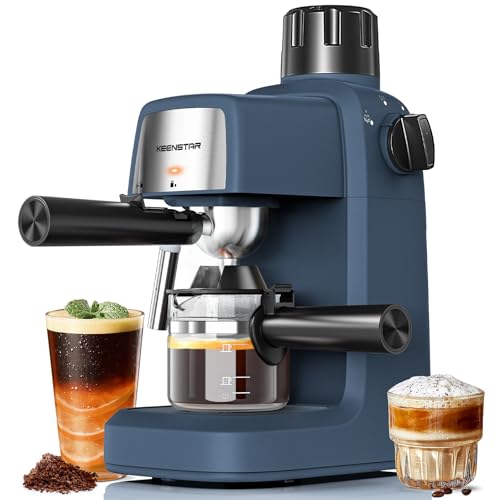
KEENSTAR Espresso Machine 3.5Bar, Compact Expresso Coffee Machines 4-Cup

De’Longhi Dedica Duo Compact Espresso Machine with Milk Frother Wand (Vanilla)
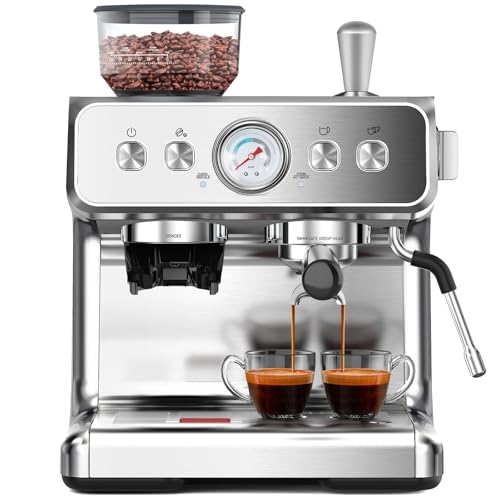
Electactic Espresso Machine with Anti-Clog Grinder & Steam Wand (Silver)

Electactic 20 Bar Espresso Machine with Built-in Anti-Clog Coffee Grinder

Mr. Coffee Compact Espresso Maker with Steam Wand, 15-Bar Pump
The Strengths Of Each Pick
This is the machine you hand to someone who has never pulled a shot in their life. One control knob runs the whole show, an indicator light confirms when it’s ready, and a pause function lets you step away mid-brew without ruining anything.
The 3.5-bar steam-driven design trades café-grade pressure for simplicity, which suits milder home-style espresso and iced coffee drinks. In most kitchens, that’s a fair trade for the price bracket.
Useful Highlights
- Single-knob operation means no menu diving before your first cup of the morning.
- Turning the knob to OFF releases internal pressure, so opening the tank cap or portafilter stays safe and splash-free.
- The pause feature handles real-life interruptions, like answering the door mid-shot.
- Four-cup capacity covers a couple’s morning round in one session.
Things To Consider
- Steam-driven units like this one produce lighter-bodied espresso than pump machines, so dark-roast fans may find the extraction softer than expected.
- Rinse the portafilter and tank after each use; owners commonly report scale buildup shortens the life of neglected units.
Key Specs
Who Will Love This
Total beginners and occasional drinkers who want hot or iced coffee drinks without studying extraction theory.
Where A Sibling Pick Shines
Anyone chasing thicker, café-style crema should look at the Mr. Coffee Compact Espresso Maker instead, since its 15-bar pump extracts with far more force.
Where the KEENSTAR keeps things bare-bones, the Dedica Duo brings De’Longhi’s compact-slim styling into a vanilla finish that actually looks intentional on a countertop. It handles both hot espresso and cold brew, so your drink menu shifts with the seasons rather than the machine.
The manual frother wand gives you hands-on control over milk texture, which matters once lattes and cappuccinos enter the rotation. For renters and small-space dwellers, the narrow footprint is the quiet selling point.
Strengths Worth Knowing
- Hot and cold brew capability in one body means no separate summer gadget cluttering the cabinet.
- The slim profile fits counters where wider semi-automatics simply won’t squeeze in.
- A traditional steam wand teaches real milk texturing, a skill that transfers to any future upgrade.
- Optional protection plans covering drops, spills, and breakdowns are available at checkout, with around-the-clock support for claims.
Minor Gripes
- Manual frothing takes practice; expect a few foamy failures during week one.
- You’ll need to buy pre-ground coffee or a separate grinder, unlike the Electactic models later in this list.
Made For
Design-minded apartment dwellers who want one attractive machine covering espresso, iced coffee, and steamed-milk drinks year-round.
Reach For A Different Pick When
If grinding fresh beans at the push of a button sounds better than buying grounds, the Electactic Espresso Machine with Anti-Clog Grinder serves that workflow directly.
Grinder-equipped machines usually live at triple this price, which is what makes this 2026-updated Electactic interesting. Beans go in the top, shots come out the bottom, and the whole bean-to-cup loop happens on one footprint.
The headline change is the reworked grind path: a wider polished chute paired with a reinforced helical auger, the screw-like component that feeds grounds through. Oily dark roasts are the usual jam culprits, and this design pushes them through cleanly according to the manufacturer.
Positive Takeaways
- Fresh grinding on demand preserves aroma that pre-ground coffee loses within days.
- The anti-clog chute design targets the single most common failure point in budget grinders.
- An integrated steam wand and frother handle cappuccino and latte milk without extra appliances.
- One machine replaces three, freeing counter space in smaller kitchens.
Small Caveats
- All-in-one units pack more moving parts into one chassis, so cleaning the grind path regularly matters more than with a basic machine.
- Depending on your bean choice, you may still need to experiment with grind settings before dialing in a balanced shot.
Quick Facts
Right Fit For
Home cooks who drink lattes daily and want fresh-ground convenience without stacking separate grinder, espresso, and frothing gear.
Swap It Out When
Shoppers who prioritize maximum extraction pressure over convenience features may prefer the Electactic 20 Bar model, its sibling focused on pump performance.
Pressure is the number beginners fixate on, and this Electactic leads the list at 20 bars. To be clear, a proper shot needs roughly nine bars at the puck; the extra headroom exists so the pump holds consistent pressure under real-world resistance, not so you extract at maximum force.
Like the silver 2026-upgrade model above it, this one carries the anti-clog built-in grinder, keeping the bean-to-cup workflow intact. The difference is emphasis: less frother marketing, more extraction muscle. In our view, that makes it the stronger fit for drinkers who care about the espresso itself first and milk drinks second.
What Stands Out
- The 20-bar pump maintains steady pressure even with finer grinds, supporting denser, more concentrated shots.
- Built-in anti-clog grinding keeps oily beans moving through the chute.
- One appliance covers grinding and brewing, trimming both cost and clutter versus separate gear.
Honest Caveats
- Higher-pressure pumps amplify user error; a bad tamp shows up faster here than on the gentler KEENSTAR.
- Descaling and chute cleaning become part of the routine, as owners of combined grinder-brewers widely report.
Who Should Grab It
Enthusiastic beginners ready to learn tamping and dosing properly, treating this as a genuine stepping stone toward prosumer gear.
Not Your Match When
Casual drinkers who mostly want easy milk drinks will get more day-to-day satisfaction from the forgiving Mr. Coffee Compact Espresso Maker.
Mr. Coffee built its reputation on removing friction from morning routines, and this compact maker follows the family playbook. A 15-bar pump pulls noticeably richer shots than the steam-driven KEENSTAR, while the automatic operation keeps the learning curve shallow.
The included steam wand doubles as your frother, so cappuccinos stay on the menu without a separate milk device. Compared with the Electactic pair, you give up the built-in grinder but gain a simpler machine with fewer parts to maintain, which many households genuinely prefer.
Well-Handled Touches
- The 15-bar pump extracts fuller flavor from standard pre-ground espresso, no dialing required.
- Automatic operation means one button stands between you and a finished shot on busy mornings.
- Compact sizing suits dorms, offices, and starter apartments where counter inches are scarce.
- Optional accidental-damage coverage with quick claims and 24/7 support is offered alongside the machine.
Points To Note
- Pre-ground coffee is the expected fuel, so freshness depends entirely on what you buy.
- Wipe the steam wand immediately after each use; dried milk residue is the most commonly reported cleanup headache on wand machines.
At A Glance
Whose Shelf It Belongs On
Busy households wanting dependable daily espresso drinks with minimal technique and minimal maintenance.
Consider Something Else When
Whole-bean devotees who grind fresh every morning will be happier with either Electactic machine, both of which integrate the grinder.
What Matters Most Before Choosing Entry Level Espresso Makers
Pressure Claims Versus Real Extraction
Manufacturers love quoting 15 or 20 bars, but a proper espresso shot extracts at around nine bars at the coffee puck. Higher numbers simply mean the pump can hold steady pressure against resistance. Steam-driven machines near 3.5 bars make milder, home-style coffee, which some drinkers honestly prefer.
Grinder Or No Grinder
Built-in grinders save money and counter space but add cleaning obligations. Pre-ground machines like the De’Longhi and Mr. Coffee suit people who value low upkeep, while the Electactic pair rewards those committed to fresh beans.
Milk Drinks Change The Math
A steam wand turns an espresso maker into a latte station. Manual wands teach skill but take practice, so decide early whether cappuccinos are a daily habit or a weekend treat.
Footprint And Routine Fit
Measure your counter before falling for any spec sheet. A machine you can leave plugged in and reachable gets used daily; one buried in a cupboard becomes a $100 paperweight.
Key Considerations Across These Picks
Traps First Timers Fall Into
The classic mistake is buying on pressure numbers alone, then discovering the machine demands skills you don’t have yet. Another common slip is ignoring cleaning requirements; neglected steam wands and grinder chutes cause most early failures. Match the machine’s demands to your actual morning energy level.
What Separates Premium From Basic
Spending up typically buys steadier pumps, metal internals, integrated grinding, and quieter operation. That upgrade pays off for daily drinkers pulling multiple shots; occasional users rarely notice the difference and do fine with the simpler picks above.
Frequently Asked Questions
Do I need a burr grinder for entry-level espresso?
A built-in grinder, like the ones on the Electactic models, works well for beginners. Consistent grind size matters more than owning a standalone unit.
How many bars do I actually need?
Nine bars at the puck produces true espresso, so anything from 15 bars upward provides adequate headroom. Steam machines at 3.5 bars make a lighter, moka-style cup instead.
Can these machines make iced coffee?
Yes, several do. The De’Longhi Dedica Duo explicitly supports cold brew alongside hot espresso, and the KEENSTAR markets itself for iced drinks too.
How often should I descale?
Most manufacturers suggest descaling every one to three months depending on water hardness. Hard-water households should lean toward the shorter interval.
Are steam wands hard to use?
There’s a short learning curve, usually a week of practice. Purge and wipe the wand right after each use to keep cleanup painless.
Closing Remarks
Every machine here solves the same problem differently: cheap and simple, stylish and versatile, or fully loaded with grinding muscle. Match the pick to your counter space, your milk habit, and how much technique you want to learn. Start honest about your mornings, and whichever one you choose will earn its spot quickly.




