


Anyone who has squared up a quilt top with scissors knows the ache that follows. A rotary cutter changes that math entirely, letting you slice through stacked layers in one smooth pass while keeping every edge true to your ruler. The five options below cover the full range, from a single dependable wheel to a full starter kit, so you can match the tool to how often you actually sit down at the cutting mat.
The Leading Options At A Glance

Cricut Rotary Cutter 45mm

AUTOTOOLHOME 45mm Rotary Cutter with 9 Blades

medoga 104Pcs Rotary Cutter Set with Cutting Mat
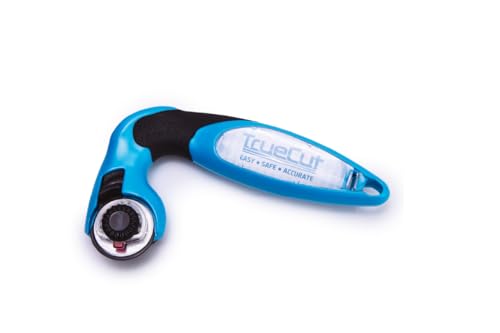
TrueCut My Comfort 28mm Rotary Cutter
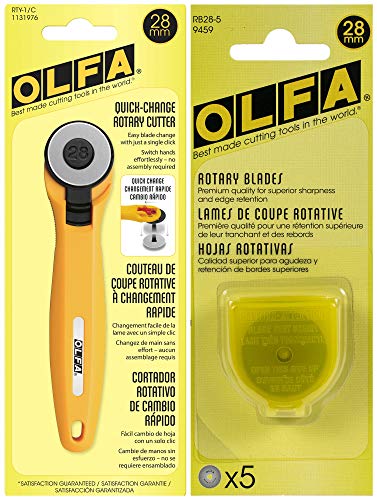
OLFA 28mm Rotary Fabric Cutter with 5 Refills
A Breakdown Of The Leading Choices
The 45mm blade size sits at the sweet spot for most quilting work, wide enough to roll through several cotton layers yet still nimble around curves. Cricut built this one around a premium carbon alloy steel wheel, which holds an edge longer than basic stainless and glides through batiks and flannel alike.
The symmetrical handle deserves attention too. Left-handed quilters constantly fight tools designed against them, and this shape works identically from either side. A sliding quick-release cover shields the blade between sessions, so it can live safely in a crowded sewing basket.
A Strong Showing
- Carbon alloy steel blade stays sharp through repeated cutting sessions
- Symmetrical grip means no awkward relearning for left-handed users
- Sliding safety cover protects fingers during storage and transport
- Quick-release button retracts the blade whenever you pause mid-project
- 45mm diameter handles multi-layer stacks without skipping or snagging
Things To Consider
- No replacement blades are included, so budget for refills once the original dulls
- Owners commonly report the cover needs a firm click to seat fully before storage
Who Will Love This
Quilters who want one dependable everyday cutter for straight strips, sashing, and general patchwork without paying for extras they won’t use.
Where A Sibling Pick Shines
The AUTOTOOLHOME 45mm Rotary Cutter with 9 Blades suits anyone who burns through blades quickly and wants refills bundled from day one.
Blades are the real running cost of rotary cutting, and this set attacks that problem head-on with nine spares in the box. Five are standard straight-cut wheels, two are pinking blades that leave a zigzag edge to reduce fraying, and two skip blades produce dotted lines useful for marking fold lines or decorative stitching guides.
Compared with the Cricut above, you trade some brand polish for sheer versatility at a friendlier entry point. The sliding button extends the blade for cutting and retracts it automatically when released, which owners find reassuring around kids or pets in a shared craft room.
What Works In Its Favor
- Nine included blades mean months of cutting before any refill purchase
- Pinking wheels finish raw edges without a trip to the serger
- Skip blades add dotted-line marking capability most cutters lack
- Auto-retracting design lowers the risk of accidental nicks
Small Caveats
- Swapping between the three blade types takes practice until the snap-in mechanism feels natural
- Some users report the handle feels lighter and less weighted than premium models
Feature Rundown
Made For
Frequent sewists and quilting groups who cycle through blades fast and want specialty edges without buying separate tools.
Swap It Out When
The medoga 104-piece kit fits better if you’re furnishing a sewing space from scratch and need a mat, ruler, and scissors alongside the cutter.
Starting quilting usually means discovering, one shopping trip at a time, how many small tools the craft quietly demands. This 104-piece bundle closes that gap in a single order: a 45mm cutter with eight spare blades, a self-healing cutting mat, a patchwork ruler, nine-inch fabric shears, a carving knife with five extra tips, plus clips, pins, and a storage bag.
Nothing here matches the refinement of a standalone OLFA, and that’s fine, because the point is coverage. You get everything needed to cut your first quilt blocks the same week the box arrives, then upgrade individual pieces later as skills grow.
What Helps Most
- Complete setup covers cutting, measuring, pinning, and trimming immediately
- Eight spare cutter blades keep you working through early practice projects
- Storage bag keeps the whole collection portable to classes or retreats
- 30 clips and 50 pins handle basting layers without extra purchases
Honest Caveats
- Individual components are serviceable rather than premium, so expect to replace favorites over time
- The bundle’s breadth means some items, like the carving knife, may sit unused by pure quilters
- Mat size limits very large single-pass cuts compared with dedicated oversized mats
Quick Facts
Right Fit For
First-time quilters setting up a sewing corner, or gift-givers who want a new crafter fully equipped from day one.
Another Choice May Suit
The TrueCut My Comfort 28mm Rotary Cutter serves experienced quilters better who already own a mat and ruler but need a gentler grip.
Hand and wrist fatigue ends more quilting sessions than thread jams ever will. Grace Company shaped this cutter specifically to ease that strain, with an ergonomic body that keeps the wrist neutral through long trimming marathons, a genuine consideration for arthritic hands.
The clever part is the optional track system. Pair it with a TrueCut ruler, sold separately, and the cutter locks into a channel along the ruler’s edge, so straight cuts stay slip-free even when your grip tires. At 28mm with a compact 5-by-4-inch body, it trades the Cricut’s layer capacity for precision on curves, appliqué shapes, and small-scale blocks.
Why It Works Well
- Ergonomic profile reduces wrist and arm strain across long sessions
- Guide-track compatibility delivers ruler-straight cuts without hand pressure
- Compact body maneuvers tight curves and intricate pattern pieces
- Ambidextrous layout works equally well left- or right-handed
Points To Note
- The matching TrueCut ruler costs extra, so the guide system isn’t ready out of the box
- 28mm blade struggles with thick stacks where a 45mm wheel passes easily
Who Should Grab It
Quilters with joint pain or limited grip strength, plus detail-oriented sewists working small pieces and curved templates.
Reach For A Different Pick When
The OLFA 28mm Rotary Fabric Cutter fits better for those wanting a proven name in compact cutting without investing in a proprietary ruler system.
OLFA invented the rotary cutter category decades ago, and that heritage shows in the details. The quick-change blade mechanism swaps wheels in seconds, and the included cover adds a second layer of protection beyond the retractable guard. Five replacement blades ship in the pack, roughly a season of steady use for most hobby quilters.
Against the TrueCut just reviewed, you give up the ergonomic sculpting and track system but gain brand-wide blade availability; OLFA refills turn up in nearly every fabric store. The ambidextrous design and 28mm wheel make it a strong companion for trimming half-square triangles and curves.
Strengths Worth Knowing
- Quick-change system makes blade swaps fast and frustration-free
- Five refills extend usable life well beyond a standard single purchase
- Widely available replacement blades simplify long-term maintenance
- Works comfortably for both right- and left-handed cutting styles
Less Ideal Details
- Handle ergonomics are conventional, so heavy users may prefer the TrueCut’s shaped grip
- Small blade size limits multi-layer cuts on large squaring jobs
At A Glance
Whose Shelf It Belongs On
Quilters who value a trusted, easy-to-maintain tool for detailed work and want refills they can source anywhere.
Consider Something Else When
The Cricut Rotary Cutter 45mm suits large squaring-up sessions better, since its wider wheel powers through full-width strip cuts faster.
What Matters Most Before Choosing Fabric Cutters For Quilting
Blade Size And Layer Capacity
Blade diameter determines what a pass can handle. A 45mm wheel slices through four to six cotton layers comfortably, which matters when cutting binding strips or piecing a king-size quilt. The smaller 28mm wheels sacrifice that capacity for control, making them the better partner for curves, templates, and miniature blocks. Many serious quilters eventually own one of each.
Grip, Handedness, And Fatigue
Rotary cutting is repetitive motion, and wrist strain accumulates over a long session. Look for symmetrical handles if you’re left-handed, since most budget tools assume right-handed use. Ergonomic shaping like the TrueCut’s contoured body genuinely helps quilters with arthritis or tendonitis, though it typically comes at a higher tier of pricing.
Safety Mechanisms
Every cutter here retracts or covers its blade, but the mechanisms differ. Sliding buttons, auto-retract triggers, and snap-on guards each carry different habits. Choose the style you’ll actually engage every time, because an exposed blade in a busy sewing room is the most common cause of nicked fingers and gouged mats.
Total Cost Of Ownership
The purchase price is only the start. Replacement blades are consumables, and specialty wheels such as pinking or skip blades cost more than standard ones. Bundles like the medoga kit front-load value but may include items you’ll never touch, so weigh what you’d genuinely use against buying a bare cutter plus refills separately.
Key Considerations Across These Picks
Traps First Timers Fall Into
New quilters often buy the cheapest cutter, then blame themselves when it skips layers or drags. Dull or low-grade blades are usually the culprit, not technique. Another common misstep is ignoring handedness; a right-biased handle turns every cut into a fight. Match the tool to your dominant hand and your typical project scale before anything else.
When Paying More Pays Off
Premium pricing buys three things: steel quality, ergonomics, and ecosystem support. Better steel holds its edge longer, an ergonomic body protects joints over years of use, and established brands keep replacement blades stocked everywhere. Casual crafters can stay economical, but anyone cutting weekly will feel the difference within a month.
Frequently Asked Questions
What does a rotary cutter do that scissors can’t?
It rolls a circular blade through fabric, cutting long straight lines and curves in one motion. That speed and consistency matter enormously when slicing dozens of identical quilt pieces.
Can I cut multiple fabric layers at once?
Yes, and that’s the main advantage. A 45mm blade handles several cotton layers per pass, while 28mm versions perform best with one or two.
How often should I replace the blade?
Replace it when cuts start snagging or leaving uncut threads. Heavy quilters commonly swap blades every few projects; light users stretch them much longer.
Are rotary cutters safe around children?
They’re sharp tools and belong stored closed, away from kids. Auto-retracting models add a helpful margin of safety in shared spaces.
Do I need a special mat underneath?
A self-healing cutting mat protects your table and extends blade life. Cutting directly on wood or laminate quickly ruins both surfaces.
Closing Thoughts
The right cutter depends less on rankings and more on your hands, your projects, and how often you cut. Start with the Cricut for balanced everyday use, grab the AUTOTOOLHOME for blade-hungry budgets, or go all-in with the medoga kit as a beginner. Whichever lands on your mat, sharp blades and a steady ruler will do more for your quilt tops than any single purchase.




