


Finger joints turn thin drawer sides into boxes that survive years of daily slamming, and the right jig or bit is what separates a tight glue-up from a wobbly one. Anyone building drawers, small cabinets, or decorative boxes knows the frustration of joints that gap at the corners. This roundup covers five tools that solve that problem from different angles: two router bits that cut interlocking fingers directly, a taper jig for angled table saw work, and a doweling jig that dresses up mitered corners. Each entry breaks down who it fits, where it falls short, and which alternative on this list might serve you better.
The Lineup, Simplified
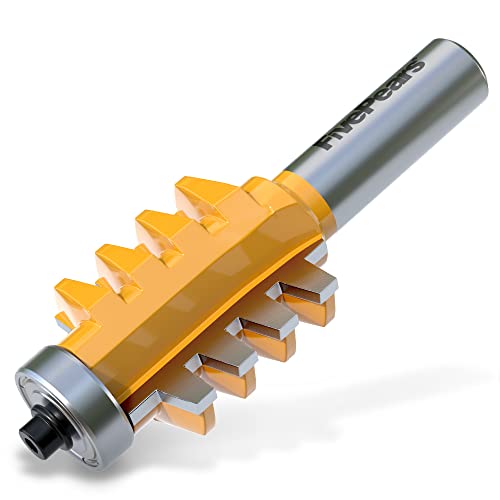
FivePears Finger Joint Router Bit with 1/2″ Shank
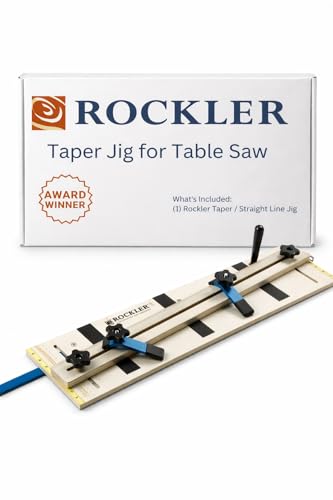
Rockler Taper Jig & Straight Line Cutting 36″ Miter Bar
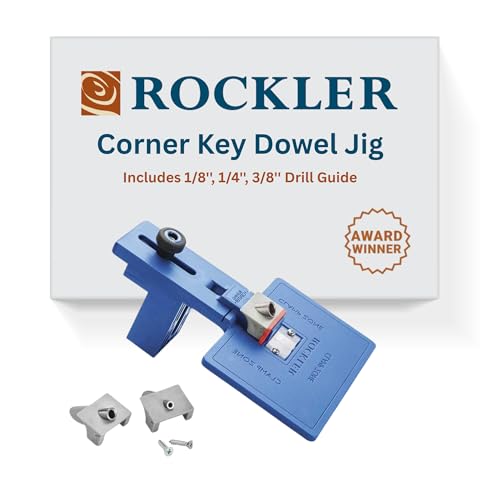
Rockler Corner Key Dowel Jig for Decorative Mitered Joints

YONICO Finger Joint Router Bit 15131 1/2″ Shank

Nxtop 1/2 Inch Shank Finger Joint Router Bit
A Breakdown Of The Leading Choices
A finger joint bit cuts matching interlocking “fingers” into two boards so glue has far more surface area to grip than a plain butt joint. The FivePears version spins on a 1/2-inch shank, the heavier standard that most mid-size routers take without an adapter.
The reversible cutting profile is the detail worth pausing on. Flip the setup between passes and both mating boards register against each other, which matters when you’re batching out a dozen drawer corners in one afternoon.
What Makes Sense
- C3 tungsten carbide cutters hold an edge through plywood, MDF, particle board, and solid stock
- Solid hardened steel body with anti-kickback geometry keeps the cut predictable in a handheld router
- Teflon-style coating resists resin buildup, so pine pitch wipes off instead of burning onto the cutter
- Reversible profile lets you flip between mating cuts without swapping bits
Things To Consider
- You’ll need to dial in test cuts on scrap first, since finger depth depends on your router’s plunge setting
- Owners commonly report the coating needs gentle cleaning to stay effective over time
Key Specs
Made For
Weekend woodworkers building drawers and small boxes who want a dependable bit without stretching the budget.
A Better Fit Elsewhere
Anyone cutting taller stock will get more reach from the YONICO 15131, which handles joints up to 1-1/4 inches high.
This one takes a different route to strong joinery. Instead of cutting fingers, Rockler’s jig guides tapered cuts on the table saw, the kind of angled edge you need for splayed legs on a stool or a wedge-shaped shelf support. A 36-inch miter bar rides the saw’s slot for the whole length of the pass.
Pull the bar out and the same body works as a straight-line ripping guide, which is genuinely handy for trimming rough edges on wide panels. Two tools, one footprint on the wall.
Key Advantages
- Dual function covers tapering and straight-line ripping without buying a second accessory
- Fits standard 3/8 x 3/4-inch miter slots, so setup on most cabinet and contractor saws is direct
- Large ergonomic handle gives steady push pressure through long rip passes
- The 36-inch bar supports full-length workpieces without mid-cut wobble
Worth Noting
- It doesn’t cut finger joints itself, so pair it with a bit from this list rather than expecting one tool to do everything
- Table saw use demands your usual blade-height and fence checks before every session
At A Glance
Right Fit For
Table saw owners adding chair legs, plant stands, or any project needing repeatable angled cuts.
Swap It Out When
Shop space devoted purely to box joinery points toward the FivePears bit instead, since it cuts actual fingers.
Mitered corners look clean but they’re structurally weak on their own, since end grain glues poorly. This jig drills dowel holes through the corner at 45 degrees, letting a hardwood dowel cross the joint much like a spline would. The oval dowel end sits proud of the surface, and that exposed detail becomes a deliberate design feature rather than something to hide.
Where the FivePears and YONICO bits chase invisible strength, this jig makes the joinery part of the visual story. Picture frames and jewelry boxes benefit most from that contrast-wood effect.
Positive Points
- Drills accurate 45-degree holes through assembled mitered corners
- Exposed oval dowel ends create a distinctive decorative accent
- Dowels mechanically reinforce weak end-grain glue lines
- Works with shop-made solid wood dowels, including contrasting species
Small Caveats
- Drilling through finished corners leaves little room for error, so practice alignment on scrap miters first
- You’ll source or make your own dowels, unlike the plug-and-play nature of the router bits here
Feature Snapshot
Who Will Love This
Furniture and frame builders who want visible craftsmanship details and already own a drill press or handheld drill.
Another Choice May Suit
Shoppers after hidden strength in production drawer runs should lean on the YONICO 15131 instead of decorative keys.
Height is where the YONICO earns its keep. While the FivePears bit handles typical drawer-stock thicknesses, this one cuts finger joints anywhere from 7/16 inch up to 1-1/4 inches high, covering chunky box walls and small chest components in a single tool. The 1/2-inch shank matches the rest of this list.
In our view, the step up makes sense once router time becomes routine rather than occasional. Industrial-grade construction tends to pay for itself in cleaner edges and fewer resharpening cycles across a busy shop calendar.
Points In Its Favor
- Joint capacity spans 7/16 to 1-1/4 inches, wider than the FivePears option
- C3 tungsten carbide cutters suit dense hardwoods and abrasive sheet goods alike
- Anti-kickback profile limits sudden grabs on deep passes
- Buildup-resistant coating keeps resin from gumming the fingers during long runs
Room For Improvement
- The extra cutting height means more material removal per pass, so shallow-depth routers may struggle on the tallest settings
- Storage matters here: loose bits knock against each other in a drawer and chip carbide edges
Who Should Grab It
Intermediate woodworkers producing drawers and boxes regularly, especially in mixed thicknesses.
Reach For A Different Pick When
Occasional hobbyists sticking to standard 1/2-inch drawer stock save money with the Nxtop bit below.
Compared with the YONICO above, this Nxtop trades premium cutter metallurgy for an accessible entry point. The alloy blade is welded to a solid steel body, a construction approach common at this tier, and it still produces the smooth interlocking profiles finger joints are known for.
You may find the finish slightly less refined on dense hardwoods than the pricier bits here. On plywood, MDF, and softwoods, though, the difference narrows considerably, and first-time users often can’t tell them apart in a painted drawer box anyway.
Notable Upsides
- Low cost removes the hesitation from trying finger joint joinery for the first time
- Welded alloy blade delivers clean profiles on sheet goods and softwood stock
- 1/2-inch shank suits standard routers without adapters
Honest Caveats
- Alloy cutters typically dull faster than C3 carbide under heavy hardwood use
- Weld quality varies unit to unit at this price tier, so inspect the bit before its first spin
The Details
Whose Shelf It Belongs On
Beginners and casual builders working mostly with plywood and softwood, where cutter longevity matters less.
Not Your Match When
Daily hardwood production work justifies stepping up to the YONICO 15131 for its tougher carbide cutters.
What To Look At Before You Commit
Match the Tool to Your Machine
Router bits demand a router with enough horsepower and a 1/2-inch collet, while jigs like the Rockler taper guide assume a table saw with a standard miter slot. Confirm your equipment first, because an otherwise excellent accessory is useless sitting in a drawer. Handheld router users should also check their machine’s plunge depth against the joint height they plan to cut.
Material Dictates Cutter Choice
C3 tungsten carbide, a hard sintered compound, shrugs off the abrasives in MDF and particle board far longer than welded alloy blades do. Softwood and plywood projects rarely expose that gap. Heavy hardwood schedules, on the other hand, reward the tougher metallurgy with noticeably longer intervals between replacements.
Think About Batch Size
Cutting four corners for a single gift box is a different job than producing twenty drawers for a kitchen. Higher-volume work favors reversible or tall-capacity bits that minimize setup changes, while one-off projects let even a basic bit shine. Honest self-assessment here prevents overspending on capacity you’ll never touch.
Don’t Ignore Setup Time
Every jig on this list requires test cuts on scrap before touching project wood. Bits need depth calibration per board thickness, and the corner key jig rewards careful clamping. Factor that learning curve into your expectations rather than judging the tool by the first attempt.
Key Considerations Across These Picks
Traps First Timers Fall Into
The classic mistake is buying a finger joint bit without checking shank compatibility, then discovering a 1/4-inch-only router. Another frequent stumble: skipping scrap calibration and ruining project stock on the first pass. Both are avoidable with ten minutes of preparation.
Where The Extra Money Goes
Premium bits spend more on carbide grade, precision grinding, and anti-kickback machining. That shows up as cleaner shoulders, less burn, and longer life. Occasional builders won’t feel the difference; weekly shops will.
Frequently Asked Questions
Do I need a special router for these finger joint bits?
A standard plunge or fixed-base router with a 1/2-inch collet handles them. Verify your model accepts 1/2-inch shanks before ordering.
Can I cut finger joints without a router table?
Yes, though a router table makes the process steadier and safer. Handheld routing works for smaller stock with careful clamping.
How strong is a finger joint compared to a dovetail?
Both create large glued surfaces and resist racking well. Finger joints excel on drawer boxes, while dovetails offer superior mechanical pull-out resistance.
What woods work best with finger joints?
Plywood, MDF, pine, poplar, and most hardwoods all cut cleanly. Very brittle or heavily figured stock may splinter, so test first.
Are the Rockler jigs beginner friendly?
The taper jig is approachable with basic table saw experience. The corner key jig asks for more patience with drilling accuracy.
Bottom Line
Five tools, three approaches, one goal: corners that hold together for decades. Start with the FivePears if budget leads, step up to the YONICO for serious volume, and add the Rockler jigs when your projects call for tapers or decorative keys. Whatever you choose, cut scrap first and let the tool earn your trust before it touches good wood.




