


A sanded surface is the difference between furniture that looks homemade and pieces that look store-bought. The right finishing sander takes a rough panel or a patched wall to paint-ready without leaving swirl marks behind. This list covers five tools across very different jobs, from pro-grade pneumatic sanding to weekend drywall cleanup.
The Shortlist At A Glance

Dynabrade Dynorbital-Spirit 6″ Random Orbital Sander

BOSCH GSS20-40 1/4-Sheet Finishing Sander
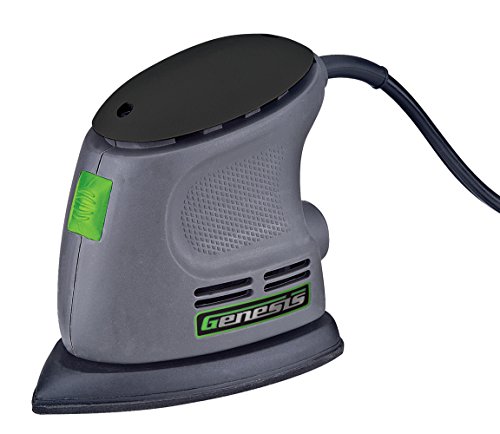
Genesis Detail Palm Sander with Vacuum Port

Protmex 1000W Drywall Sander with LED Light
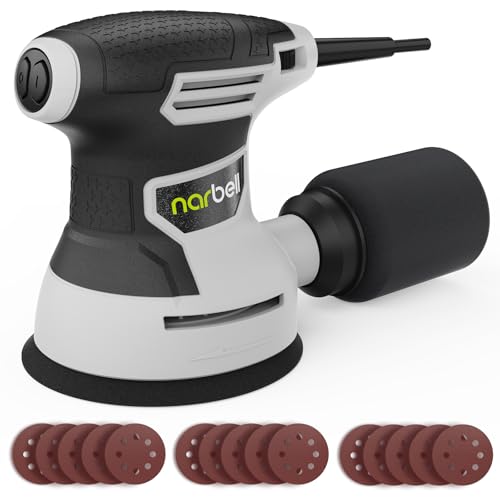
NARBELL 3.0A Random Orbit Sander Kit
More On The Choices That Made The List
This one runs on compressed air rather than electricity, which is why it shows up in auto body shops and production woodshops instead of garages. The 6-inch pad spins at up to 12,000 RPM with a small 3/32-inch orbit, a combination built to leave surfaces ready for clear coat without extra polishing.
Compared with the corded electric picks later on this list, it trades convenience for endurance. A shop compressor keeps it running all day where battery tools would need charging breaks.
Strengths Worth Knowing
- The proportionate orbit diameter is sized to the pad, which helps produce a uniform, swirl-free finish on large flat panels.
- Pneumatic power means no motor brushes to wear out, a common failure point on heavily used electric sanders.
- A weight-mated urethane pad comes included, so balance and vibration feel controlled from day one.
- Vacuum conversion kits are available separately, letting you move from dust-everywhere sanding to self-generated or central vacuum collection as your shop grows.
Things To Consider
- You will need an air compressor with adequate output; without one, this tool simply cannot run.
- It ships as a non-vacuum unit, so dust collection requires buying a conversion kit down the road.
Built With In Mind
Professional refinishers and serious hobbyists who already own a capable compressor and demand a consistent finish across hours of continuous use.
A Better Fit Elsewhere
Anyone without shop air should look at the BOSCH GSS20-40, which delivers comparable finish quality from a standard wall outlet.
Quarter-sheet sanders like this Bosch are the quiet workhorses of furniture refinishing. The 2-amp motor drives the pad through up to 12,000 oscillations per minute (OPM), meaning back-and-forth strokes per minute, which suits final passes before stain or paint.
In practice, that motion pattern leaves a finer scratch than a random-orbit tool on delicate veneers and edges. Where the Dynabrade demands shop air, this one plugs into any outlet and starts working immediately.
The Helpful Details
- The included dust collector bag catches debris at the source, keeping tabletops and floors noticeably cleaner during indoor refinishing.
- Quarter-sheet paper is inexpensive and sold everywhere, so running out mid-project is rarely a problem.
- A compact palm-sized body lets you work flush into corners and along rails where bigger pads cannot reach.
- The 2-amp motor handles extended sessions on hardwood without bogging down, in most home-shop scenarios.
Small Caveats
- Clamp-style paper attachment takes longer to swap than hook-and-loop systems, so frequent grit changes slow you down.
- Owners commonly report the dust bag needs emptying often during aggressive stock removal.
Quick Facts
Made For
Woodworkers refinishing cabinets, doors, and furniture who want a proven name-brand tool without overspending.
Where Another Pick Shines
Hobbyists wanting faster grit swaps and variable speed may prefer the NARBELL random orbital kit instead.
Small projects punish big tools. Chair legs, spindle backs, and table aprons all have tight curves that a full-size pad simply skates over, and that’s exactly where this Genesis mouse-style sander earns its keep. Its pointed nose reaches into corners the Bosch quarter-sheet cannot touch.
At up to 14,000 orbits per minute, it removes material quickly despite its light frame, though you’ll want a gentle hand on thin stock.
Key Advantages
- The detail nose profile sands inside corners and grooves that standard orbital pads leave untouched.
- Hook-and-loop fastening means paper changes take seconds, no clamps or folding required.
- A vacuum port lets you attach a shop vac hose for cleaner indoor work.
- Sandpaper ships in the box, so you can start sanding the same afternoon it arrives.
Points To Note
- The small pad covers little area, making it a poor choice for flattening tabletops or wide panels.
- The dust-proof switch helps, but owners commonly note the compact body heats up during marathon sessions.
The Right Fit
Crafters and first-time DIYers tackling small repairs, trim touch-ups, and curved furniture parts around the house.
Swap It Out When
Large flat surfaces are the job; the Protmex drywall sander below covers far more area per pass.
Sanding a ceiling by hand is misery, and this machine exists to end it. The 1000-watt motor turns a wide disc at speeds adjustable between 800 and 2200 RPM across six settings, enough range to strip popcorn texture gently or flatten fresh joint compound aggressively.
An extendable, foldable handle means you can reach the ceiling without scaffolding, then fold the whole thing down for storage in a closet. That matters more than most spec sheets admit.
Practical Pluses
- Built-in vacuum dust collection captures drywall powder at the pad, sparing your lungs and the rest of the room.
- An LED ring lights the work surface, revealing high and low spots that overhead lighting hides.
- Six speed settings let you match aggression to the material, from painted walls to loose plaster.
- Fifteen sanding discs come included, covering several rooms before you reorder abrasives.
Honest Caveats
- At 1000 watts, expect it to draw serious current; older circuits shared with other tools may trip breakers.
- The folded length still demands real storage space compared with any handheld pick here.
- It’s built for walls and ceilings, not fine woodworking, so don’t expect cabinet-grade results.
Details At A Glance
Who Should Grab It
Remodelers and homeowners facing drywall repair, textured ceilings, or full-room repainting where dust control matters.
Reach For A Different Pick When
Your project is furniture-scale; the Genesis detail sander handles curves and corners far more precisely.
Random orbital sanders spin and oscillate at once, which is why they leave fewer visible scratches than straight-line pads. This NARBELL pushes that idea with a 3-amp, 360-watt copper-wound motor reaching 14,000 RPM, a step up from the 2.5-amp units common in this bracket.
Unlike the single-speed Bosch earlier in the list, six variable speeds let you dial output down for veneer and crank it up for stripping paint. For a garage workshop, that flexibility covers most jobs one tool can realistically face.
A Favorable Mix
- Six speed settings adapt the tool from delicate final passes to aggressive material removal.
- The solid copper motor winding reduces friction loss, which supports steadier output over long sessions.
- A 5-inch pad accepts widely available hook-and-loop discs, keeping consumable costs reasonable.
- Fifteen sanding papers and a dust bag ship with the tool, so setup costs stay near zero.
Trade Offs
- The dust bag fills quickly on coarse grits, and some owners report emptying it several times per project.
- As a newer brand, long-term parts and service support is less established than Bosch or Dynabrade.
Feature Rundown
Who Will Love This
Weekend woodworkers building their first serious toolkit want one versatile sander that grows with their skills.
Consider Something Else When
Finish quality on show-piece furniture is the priority; the Dynabrade’s pneumatic precision remains the stronger choice.
What Matters Most Before Choosing Finishing Sanders
Match The Tool To The Surface
Flat panels favor random orbital and quarter-sheet designs, while ceilings and walls call for a dedicated drywall machine. Buying against the grain of your actual projects leads to frustration faster than any spec shortfall.
Power Source And Runtime
Pneumatic tools like the Dynabrade never fade but require a compressor feeding steady air. Corded electric models such as the Bosch and Narbell run indefinitely off a wall outlet, which suits most home shops just fine.
Dust Management
Sanding dust is the part nobody budgets for. Built-in bags, vacuum ports, and sealed switches separate comfortable indoor work from a weekend of cleanup. Prioritize this feature for anything done inside a finished living space.
Abrasive System
Hook-and-loop pads swap paper in seconds; clamp systems cost less per sheet but eat time. Frequent grit changers should weight this decision heavily, since the minutes add up across a multi-grit finishing sequence.
Key Considerations Across These Picks
Traps First Timers Fall Into
The most common mistake is buying too much tool for tiny jobs, then abandoning it because setup feels heavy. The opposite error hurts too: grabbing the cheapest palm sander for a whole-room drywall job and burning it out in an afternoon.
What Separates Premium From Basic
Higher-tier models pay for motor winding quality, bearing life, and vibration control, not raw speed. Over hundreds of hours those differences decide whether a tool lasts five years or fifteen, which is when spending up genuinely pays off.
Frequently Asked Questions
What does “random orbital” actually mean?
The pad both spins and moves in small overlapping orbits simultaneously. That combined motion crosses its own scratch patterns, leaving a finer finish than straight-line sanding.
Can I use regular sandpaper with these tools?
Quarter-sheet models accept standard folded sheets, while orbital sanders need pre-cut hook-and-loop discs. Check pad size before ordering abrasives in bulk.
Do I need dust collection for occasional home projects?
For indoor work, yes, even a basic bag makes a visible difference. Garage or outdoor sanding can skip it without much consequence.
Is a higher RPM always better?
No, because speed must match material hardness and grit. Variable speed matters more than the maximum number itself.
How often should sanding discs be replaced?
Swap when cutting slows noticeably or the pad glazes shiny. Pushing worn discs wastes time and scorches the surface.
Closing Thoughts
Five tools, five different jobs, and the honest answer is that most households need only two of them. Pair a versatile random orbital like the NARBELL with a detail sander for tight spots and you’re covered for nearly anything furniture-related. Bigger renovation plans justify adding the Protmex. Start with the project in front of you, not the one you imagine someday, and the right tool usually picks itself.




