


A stripped screw head at the worst moment is a rite of passage for anyone who fixes things. The right flathead bit or driver turns that frustration into a ten-second job, whether you’re swapping batteries in a kid’s toy or loosening a seized fastener behind a washing machine. This roundup covers five very different approaches: a multi-bit multitool, a classic American cabinet-tip driver, an angled ratchet for cramped spaces, a precision kit for tiny screws, and a drill-ready pack of long bits. Each one earns its spot for a specific kind of work, so match the tool to your toolbox rather than chasing a single answer.
A Snapshot Of The Selections

JOREST 25 in 1 Multi Screwdriver Set
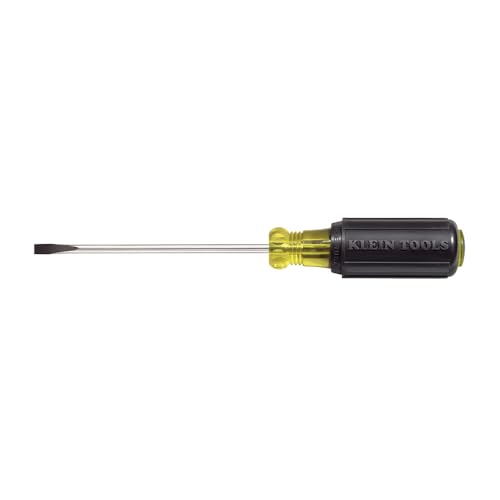
Klein Tools 601-4 Flathead Screwdriver 3/16-Inch Tip

Anex Ultra Low Profile Offset Ratcheting Screwdriver, Green
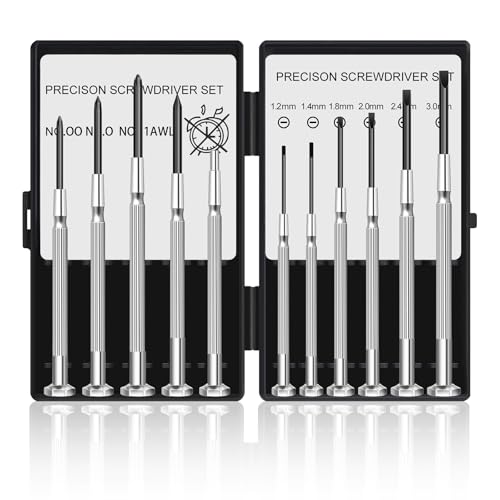
Jotyua 11 Pcs Small Precision Screwdriver Set
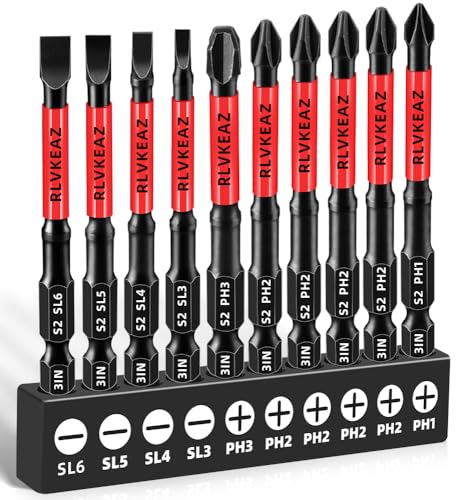
RLVKEAZ 3-Inch Magnetic Screwdriver Bit Set, 10-Pack
A Deeper Look At The Lineup
Most homes don’t need twenty-five separate drivers cluttering a drawer, and that’s exactly the problem this JOREST solves. One handle stores twelve double-ended bits, including security Torx sizes you’d otherwise buy individually for a single appliance repair.
The dual-material grip pairs polypropylene with ABS, which keeps the handle comfortable during longer jobs like disassembling a laptop or servicing a bike. Bits are CRV steel, a chromium-vanadium alloy known for holding hardness under repeated twisting.
Points In Its Favor
- Magnetic bits stay seated in the chuck and hold small screws steady at awkward angles.
- HRC52 hardness means the tips resist rounding out after months of household use.
- One slim case replaces a bulky socket-style driver drawer.
- Security Torx heads with the center pin cutout open game consoles and some appliances.
Worth Noting
- Bits this small are easy to lose once the case lid gets loose, so owners commonly report storing it shut between uses.
- A folding multitool won’t match the leverage of a full-length fixed driver on stubborn fasteners.
Feature Rundown
Who It Suits Best
Renters and first-apartment DIYers who want one compact kit that handles furniture assembly, electronics, and odd appliances alike.
Where A Sibling Pick Shines
For heavy daily torque on one screw size, the Klein Tools 601-4 gives tradespeople a sturdier dedicated driver.
Where the JOREST spreads its effort across many bits, the Klein 601-4 does one thing with trade-grade intent. Its narrow cabinet tip slips into recessed terminals and junction boxes where wider blades simply won’t seat, a scenario electricians face hourly.
The heat-treated shaft carries a chrome plating that wipes clean and shrugs off corrosion in damp basements or outdoor panels. Inside the cushioned handle, internal flanges anchor the blade against twist, which matters more than any grip texture when a screw fights back.
Standout Benefits
- Precision-machined tip seats snugly in the slot, reducing the cam-out that chews up screw heads.
- Tip-Ident marking lets you grab the right driver from a full pouch without squinting.
- Made in USA with heat-treated steel, a combination owners report lasting decades of jobsite abuse.
- Cushion-Grip handle transmits serious torque without blistering your palm.
Trade-Offs To Consider
- It’s a single size, so a full toolkit still needs companions; the 4-inch shank also won’t reach deep-set screws.
- No bit storage or magnetism, unlike the RLVKEAZ pack later in this list.
Made For
Electricians, HVAC techs, and serious homeowners who tighten panel screws weekly and want a driver that outlives the toolbox.
Skip It When
Occasional tinkerers juggling many screw types will get more mileage from the JOREST 25-in-1’s swappable bit system.
Anyone who has fought a screw recessed an inch inside a bracket knows the problem this Anex was built for. The 90-degree offset head sits flush against a surface while the ratcheting mechanism turns the bit with short back-and-forth strokes of the plate-shaped handle.
That flat paddle body is genuinely clever: you press down with your palm to keep the bit engaged, then rock the handle to break loose even a firmly tightened screw. Two magnetic bits ship in the box, a straight flathead and a Phillips #2, covering the most common tight-space fasteners.
A Few Strong Suits
- Low-profile head reaches screws hidden beside walls, inside frames, or under sink rims.
- The ratchet eliminates lifting and reseating between turns, speeding up confined work considerably.
- Magnetic bit retention stops screws from dropping into machinery mid-turn.
Small Caveats
- Only two included bits limits versatility next to the JOREST’s twelve.
- The stubby form offers less swing leverage than a long driver, so heavily corroded fasteners may need penetrating oil first.
Quick Facts
Right Fit For
Mechanics, appliance servicers, and cyclists who regularly work inside frames and housings where clearance is measured in millimeters.
Another Choice May Suit
Open-area deck or drywall work calls for the RLVKEAZ 3-inch bits driven by a drill instead of hand power here.
Down at eyeglass and watch scale, a standard flathead is a wrecking ball. This Jotyua kit steps in with six slotted tips from a hair-thin 1.2 mm up to 3.0 mm, plus three Phillips sizes and an awl for starting holes or scribing marks.
The range maps neatly onto real objects: 1.4 mm handles spectacle hinges, 2.0 mm suits toy battery doors, and the larger tips cover electronics chassis screws. Spinning caps on the handles let you twirl tiny screws in with fingertip pressure instead of wrist strain.
What It Does Well
- Nine distinct tip sizes mean the right blade exists for nearly any micro-fastener in the house.
- An included magnetizer makes tips hold screws, a genuine help over sinks and carpets.
- Ergonomic grips reduce the hand fatigue typical of long repair sessions on gadgets.
Things To Consider
- Tips this fine bend under side load, so they’re unsuitable for stuck or rusted screws; several owners note keeping them away from kids helps longevity.
- Eleven loose pieces need a storage roll or case to stay organized in a junk drawer.
Who Will Love This
Watch enthusiasts, eyeglass wearers, and parents replacing toy batteries will reach for these weekly.
Reach For A Different Pick When
Larger construction-size slots belong to the Klein Tools 601-4, whose beefier blade handles structural fasteners safely.
This pack flips the format entirely: instead of a handle, you get ten 3-inch hex-shank bits made to drop into a drill or impact driver. Four Phillips sizes and four slotted widths from 3 mm to 6 mm cover most wood and metal fasteners, and the extra length reaches through thick deck boards where stubby bits bottom out.
Construction is S2 alloy steel, a shock-resistant grade favored for impact tools, shaped by CNC machining so the tips stay true under high torque. Clear size markings on each shank save fumbling at the bottom of a pouch.
A Few Highlights
- Heat-treated S2 steel stands up to impact-driver hammering that cracks lesser bits.
- Magnetic tips hold screws overhead or in deep holes without a second pair of hands.
- Three-inch reach clears recessed joists and thick stock that standard 1-inch bits can’t.
Points To Note
- There’s no handle included, so hand-tightening delicate screws still requires another tool from this list.
- Loose bits benefit from a labeled case; owners commonly report sorting them by size markings to avoid mix-ups.
Core Details
Whose Shelf It Belongs On
Weekend builders and DIY renovators running a cordless drill through deck boards or shelving projects.
Swap It Out When
Precision electronics work demands the finer Jotyua tips, since a drill-driven 6 mm slot would destroy small hardware.
What Matters Most Before Choosing Flathead Screwdriver Bits
Fit Beats Everything Else
A flathead tip should fill roughly two-thirds of the screw slot’s width. Too narrow, and the blade cams out under load, chewing the slot; too wide, it scratches surrounding material and never seats fully. Measure the screws you encounter most before buying anything.
Steel Grade And Hardness
CRV steel, short for chromium-vanadium alloy, resists wear in hand tools, while S2 alloy handles the hammering of impact drivers. Hardness ratings around HRC50 or higher indicate a tip that keeps its edge after hundreds of installations. Cheap unmarked steel rounds over quickly, turning every future removal into a struggle.
Handle And Drive Style
Your grip determines comfort more than any spec sheet. Dual-material handles absorb vibration during long sessions, spinning caps suit tiny precision work, and plate-style bodies give palm pressure for angled drivers. Match the handle shape to how long your typical job runs.
One Tool Or Many
Count the screw types in your life honestly. A homeowner facing mixed furniture, appliance, and gadget repairs benefits from a swappable multi-bit system, while a trade professional doing the same task daily gains more from a single hardened dedicated driver.
Key Considerations Across These Picks
Where Shoppers Go Wrong
The classic error is buying a giant assorted set and using three pieces of it. Audit your actual fasteners first: most households live happily with one multi-bit driver plus a precision kit. Another slip is using precision tips on stuck screws, which bends them instantly. Save the fine blades for clean, low-torque work and reach penetrating oil for corrosion instead of force.
The Case For Spending Up
Higher-tier bits cost more because of metallurgy, not marketing. Heat-treated S2 or properly rated CRV steel holds its tip geometry under torque, meaning fewer stripped screw heads and fewer replaced bits over the years. For someone driving screws weekly, that durability pays for itself quickly. Occasional users can reasonably start budget-friendly and upgrade only a worn favorite.
Frequently Asked Questions
Can I use a flathead bit on Phillips screws?
It works in a pinch but risks damaging both the screw and the bit. The mismatched contact points slip under torque, so keep it as an emergency option only.
Why do my flathead bits keep slipping out?
Slippage usually means the tip width doesn’t match the slot, or the tip has worn rounded. Match the blade to about two-thirds of the slot width and replace visibly worn bits.
Are magnetic tips safe around electronics?
Yes, the weak magnetism in screwdriver bits poses no realistic threat to modern components. It actually helps by preventing dropped screws inside a device.
What does S2 steel mean on a bit?
S2 is a shock-resisting tool steel formulated to survive impact-driver blows. It’s the expected grade for bits sold for cordless drill and driver use.
How should I store loose screwdriver bits?
A labeled case or roll keeps sizes sorted and protects machined tips from banging together. Dry storage also prevents corrosion on unplated shanks.
Closing Thoughts
Every pick here solves a different failure mode: the JOREST covers variety, the Klein delivers decades of single-task service, the Anex reaches the unreachable, the Jotyua handles the miniature, and the RLVKEAZ pack feeds your drill. Start with the one that matches your most frequent repair, not the most impressive spec sheet. A well-chosen flathead bit quietly saves you time on every project, and that’s the whole point.




