


Whole flaxseed only gives up its nutrition once the seed shell breaks, which makes a dedicated grinder one of the most useful small appliances in a health-focused kitchen. Pre-ground flax goes stale fast, so grinding small batches right before use keeps flavor and oils intact. The five options below cover everything from quiet electric mills to a manual hand grinder, so there’s a fit whether you top oatmeal every morning or bake with flax weekly.
The Essentials At A Glance
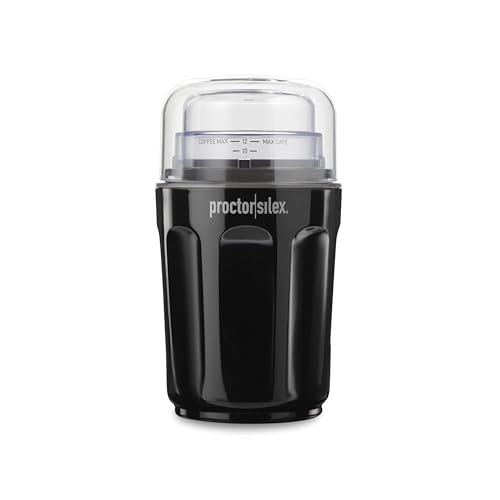
Proctor Silex Sound Shield Electric Coffee Grinder 12 Cup (80402)

Kitchen Spice Grinder Acrylic 2pc with Magnet Clear Color

Wancle Electric Coffee Grinder with Clean Brush, Stainless Steel

OVENTE Electric Coffee Grinder CG225W White

Lonkion Burr Coffee Grinder 28 Settings Stainless Steel
Inside Each Recommended Option
Grinding flax before sunrise tends to wake the whole house, and that’s exactly the problem the Sound Shield design attacks. The shrouded housing dampens blade noise substantially compared with an open-top mill, so early risers can process seeds without broadcasting it.
The stainless steel blades handle beans, spices, and oily seeds alike, and the bowl detaches for rinsing. Capacity runs large enough to brew up to 12 cups of coffee, which translates to roughly a week of fresh ground flax for one person.
Strong Points
- Sound Shield housing cuts grinding noise noticeably, a real benefit in shared living spaces
- Removable grinding bowl rinses clean instead of forcing you to tip seeds out of a fixed chamber
- Generous capacity suits batch prepping flax for baking as well as single servings
- Stainless steel blades stand up well to hard seeds and repeated daily use
Things To Consider
- The lid seal area collects fine seed dust, so a quick brush-out after each session keeps it from packing in
- Blade-style grinding produces uneven particle sizes compared with a burr mechanism
At A Glance
Made For
Anyone in an apartment, dorm, or shared home who wants quiet, hands-off seed grinding without waking anyone up.
A Better Fit Elsewhere
Shoppers who need uniform particle size for espresso or pour-over will get better results from the Lonkion Burr Coffee Grinder further down this list.
Not everyone wants another plug-in appliance competing for counter space. This two-piece manual mill measures just 2.25 inches across, slips into a drawer, and needs nothing but your wrist. A magnet holds the two halves together during twisting, which keeps seeds where they belong instead of scattering them across the counter.
It’s built for small jobs: a teaspoon of flax over yogurt, a pinch of dried herb into a sauce. The clear acrylic body lets you see grind progress at a glance, and the sharp teeth break down soft seeds and seasonings quickly.
Useful Strengths
- No electricity required, so it travels easily for camping or office lunches
- Magnetic closure keeps the halves seated while you twist
- Clear acrylic shows exactly how fine the grind has become
- Small diameter fits comfortably in one hand
Worth Noting
- Hand power means larger flax batches take real effort, and oily seeds can gum the teeth over time, so periodic cleaning matters
- Acrylic scratches more readily than metal bodies
Who Will Love This
Minimalists and hobbyist cooks who grind tiny amounts of flax or seasoning occasionally rather than daily.
Where A Sibling Pick Shines
For bigger daily quantities with zero arm work, the Wancle Electric Coffee Grinder handles the same job in seconds.
Where the Proctor Silex leans on noise shielding, the Wancle keeps things simple: a copper-wound motor driving stainless steel blades, activated by a single press-and-hold button. Hold longer for finer flax meal, release sooner for a coarser texture. That direct finger control is genuinely useful with seeds, since flax turns pasty if overworked.
The transparent lid lets you watch the grind develop, and the included cleaning brush sweeps residual seed dust out of the chamber between uses. Chamber capacity tops out around 60 grams per session, enough for several servings at once.
The Good Stuff
- Pulse-style button gives direct control over coarseness, ideal for delicate seeds
- Transparent lid means no guessing when the grind is done
- Included brush simplifies cleanup, a small touch that owners tend to appreciate
- Stainless steel body wipes down cleanly after oily seeds
Points To Note
- One-touch operation lacks preset timers, so results depend on your timing
- Fine seed dust settles around the blade base and needs regular brushing
Quick Facts
The Right Fit
First-time grinder owners who want straightforward operation and minimal learning curve for morning flax and coffee duty.
Swap It Out When
Quiet operation ranks above everything else in your kitchen, the Proctor Silex Sound Shield model is the smarter match.
A 150-watt motor in this price bracket is the headline here. That’s enough output to reduce whole beans to powder within seconds, and flaxseed, being smaller and softer than roasted coffee, breaks down even faster. The white finish suits bright kitchens, though it does show coffee stains more readily than darker models.
One push-button starts and stops the grind, keeping operation nearly foolproof. Compared with the Wancle, you give up the included brush and transparent-lid visibility, trading those conveniences for a lower entry point.
The Value In It
- 150-watt motor pulverizes hard seeds quickly without straining
- Single push-button keeps daily use effortless
- Versatile enough for nuts, herbs, tea leaves, and grains beyond flax
- Light weight makes storage in a cabinet simple
Some Limits To Know
- Fixed grinding chamber means you tap seeds out manually rather than removing a bowl
- White exterior tends to show discoloration from oily seeds unless wiped promptly
Right Fit For
Students, first-apartment cooks, and anyone testing whether daily flax grinding becomes a habit before spending more.
Consider Something Else When
You want removable, dishwasher-safe cleanup, the Proctor Silex Sound Shield’s detachable bowl solves that exact frustration.
Every other option here uses blades, which chop unevenly. The Lonkion instead relies on a flat metal burr head, two abrasive surfaces that crush material to a uniform size. For coffee that difference is dramatic; for flax it means consistent meal texture batch after batch, which bakers notice immediately.
Twenty-eight coarseness settings span espresso-fine to French press coarse, and a cup selector covers 2 to 12 cups per run. In our view, this is the pick worth stretching for when grinding is a daily ritual rather than an occasional task.
A Few Strong Suits
- Flat burr mechanism delivers even, repeatable particle size
- 28 settings cover everything from fine espresso to coarse press brewing
- Cup-count selector automates portioning for 2 through 12 cups
- Stainless steel construction suits heavy everyday use
Factors To Consider
- Burr chambers hold onto seed oils more than open blade bowls, so a thorough dry-brush routine after flax sessions prevents clogging
- Larger footprint demands permanent counter space in most kitchens
- Higher tier cost makes sense mainly for frequent users
Key Attributes
Who Should Grab It
Dedicated home brewers and flax-baking households who grind every day and want precision they can dial in once.
Reach For A Different Pick When
Your grinding happens a few times a month in small amounts, the TitanOwl manual mill covers that without the counter commitment.
What Matters Most Before Choosing Flax Grinders
Blade Versus Burr
A blade grinder chops with spinning steel edges and costs less, while a burr grinder crushes between two surfaces for uniform particles. Flax tolerates either, but bakers who want consistent meal texture will feel the burr difference. Casual users rarely will.
Cleanup Reality
Flax releases oil the moment its shell cracks, and that oil clings to every surface it touches. Removable, dishwasher-safe bowls make maintenance trivial. Fixed chambers need a dry brush after each session, since water plus residual seed paste turns gunky fast.
Capacity And Frequency
Single-serving grinders suit one person topping breakfast daily. Larger chambers, like the 12-cup models here, let you prep a week of flax meal in one go. Match capacity to how often you actually cook with ground seed.
Noise Tolerance
Open blade mills are loud, period. Housing-shielded designs cut that considerably, which matters in shared walls, early mornings, or nap-time households.
Key Considerations Across These Picks
Traps First Timers Fall Into
The most common mistake is buying on capacity alone and ignoring cleanup design, then abandoning the grinder because seed oil buildup gets unpleasant. Another trap: skipping the brush-and-dry routine entirely, which shortens any grinder’s usable life.
What Separates Premium From Basic
Paying more buys burr mechanisms, quieter housings, and removable parts. Those upgrades pay off for daily users. Occasional grinders get nearly identical results from a basic blade mill at a fraction of the outlay.
Frequently Asked Questions
Do I really need to grind flaxseed at home?
Whole flax passes through digestion largely intact, so grinding unlocks the seed’s nutritional value. Grinding small batches fresh also avoids the rancidity that develops in stored ground flax.
Can a coffee grinder handle flaxseed?
Yes, most electric coffee grinders process flaxseed effectively since the seeds are small and relatively soft. Clean the chamber promptly afterward because flax oil clings to blades and walls.
How fine should flax be ground?
A consistency similar to coarse cornmeal works well for most uses. Over-grinding releases oil and can turn the meal pasty, so pulse in short bursts.
How long does ground flax stay fresh?
Ground flax degrades noticeably faster than whole seed, especially at room temperature. Refrigerating ground flax in a sealed container extends its usable window considerably.
Are manual grinders practical for flax?
For occasional small servings, yes, and they travel well. Daily use or family-size batches favor an electric model for speed and consistency.
Closing Thoughts
Fresh-ground flax comes down to matching the tool to your routine. Quiet mornings point to the Proctor Silex, tight budgets to the OVENTE, and daily precision to the Lonkion burr. Pick the one that fits how often you’ll actually reach for it, and fresh flax becomes an effortless habit rather than a chore.




