Tearing up old flooring is rarely the fun part of a renovation. The right tool changes that: a stuck baseboard comes off clean, a chisel bites through thinset instead of your patience, and grout lines come out without chipping the tile you want to keep. This roundup covers five options spanning light cleanup to serious demolition, so whether you’re refreshing a bathroom or stripping a kitchen floor, there’s a match here for the job on your list.
Your Options, Compared

FancyMouse Reusable Pet Hair Removal Broom Rake

Goldblatt 3-Inch Trim & Baseboard Removal Tool

Firecore 4-Inch Air Hammer Tile Removal Chisel

Firecore 3-Inch Air Hammer Tile Removal Chisel
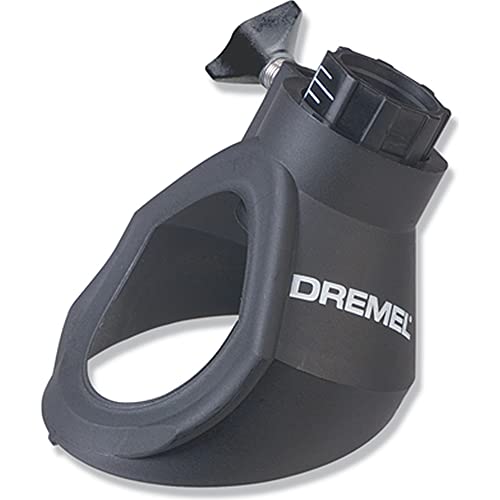
Dremel 568-01 Grout Removal Rotary Tool Attachment
What Each Pick Brings To The Table
This one sits at the gentle end of floor care rather than demolition. The three-piece set includes a 54-inch rake designed to pull embedded fur out of carpet pile where vacuums tend to give up, and it works across tile and wood too.
In a busy household with shedding pets, that reach matters: no stooping, and the reusable design means nothing gets thrown away after each pass. It’s a maintenance tool, not a remover of bonded material, so set expectations accordingly.
A Favorable Mix
- The long handle keeps you upright during long cleanup sessions, which your back will appreciate.
- Reusable construction means no replacement pads or refills to track down.
- Works on multiple surfaces, so one tool covers carpet, tile, and hardwood areas.
- Three pieces in the kit give you spares or shared use across rooms.
Things To Consider
- It’s built for hair and debris, not adhesive or grout, so don’t expect demolition capability.
- Owners commonly report the teeth need occasional clearing when working deep carpet.
Who Will Love This
Renters and pet owners who want low-effort weekly fur control without buying consumables.
A Better Fit Elsewhere
For actual tile removal, the Goldblatt 3-inch trim tool or a Firecore chisel suits the task far better.
Before any tile comes up, the trim has to go, and this is where most DIYers dent drywall. Goldblatt’s puller uses a wider, flatter contact face than a standard pry bar, spreading leverage over more surface so the wall behind takes less abuse.
The build is carbon steel paired with 65Mn spring steel, finished with a black electrophoretic coating that resists corrosion in damp job-site conditions. A wedged center section adds prying force without needing a second tool, which matters when you’re working solo along a long wall run.
The Helpful Details
- The wide contact area reduces gouging, meaning fewer patch jobs before painting.
- Dual-steel construction holds up to repeated high-leverage pulls season after season.
- The coated finish wipes clean and shrugs off moisture better than bare steel.
- Integrated wedge design speeds removal compared to flat bars alone.
Small Caveats
- It’s a hand tool, so stubborn adhesive under trim still calls for patience and muscle.
- The 3-inch head is less nimble in tight corners than a slim putty knife.
At A Glance
Made For
DIY renovators pulling baseboards and casings ahead of a flooring tear-out who want walls left intact.
Where Another Pick Suits Better
Once the trim is off, the Firecore 4-inch air hammer chisel handles the tile itself far faster.
This is the bit you want when a whole floor needs to disappear. The extra-wide 4-inch blade lifts more tile and thinset, the cement-based adhesive layer beneath, with each strike than narrower bits manage, which adds up quickly across a large room.
Construction is drop-forged tempered steel, a process that hardens the metal for edge retention under repeated impact stress. At 7.5 inches long with a 0.401-inch shank, it fits any standard pneumatic air hammer without adapters, and the dual-beveled edge helps it stay productive between regrinds.
Key Advantages
- The 4-inch width cuts passes noticeably on big floors, saving real time on demo day.
- Drop-forged tempering keeps the cutting edge sharp through extended sessions.
- Standard 0.401-inch shank means universal fitment with common air hammers.
- Extra length gives you reach into the middle of a room without kneeling in debris.
Points To Note
- You’ll need an air compressor and hammer already, since this is a bit only.
- Aggressive work near walls can scar baseboards, so edge tiles deserve careful angles.
- Like all striking bits, the edge eventually needs dressing with a grinder.
Feature Rundown
Right Fit For
Renovators with an air hammer setup tackling full-room or multi-room tile tear-outs.
Swap It Out When
Smaller bathrooms and detail work suit its sibling, the Firecore 3-inch version, which offers finer control.
Think of this as the 4-inch Firecore’s more versatile sibling. The 3-inch blade sacrifices some sweep per pass but gains precision, which trades favorably on mixed renovation days where you’re also scaling surfaces, chasing adhesives, or clearing grout joints.
It’s cut from chromium-molybdenum alloy steel, chosen for how well the blade holds sharpness and strength under hammering. At 7 inches long with the same standard 0.401-inch shank, pros commonly run it for home remodeling work well beyond tile alone.
The Good Stuff
- Chromium-molybdenum steel resists dulling, so fewer interruptions to redress the edge.
- Narrower profile gives better control around drains, doorways, and fixtures.
- Doubles as a grout scraper, scaling chisel, and adhesive remover, stretching its value.
- Same universal shank as its bigger sibling, so both can share one hammer.
Less Ideal Details
- Covers less area per strike than the 4-inch model, so large floors take longer.
- Requires hearing protection in practice, since air hammers are loud regardless of bit choice.
Who Should Grab It
Handymen and remodelers juggling varied demo tasks who want one bit that handles several materials.
Reach For A Different Pick When
Pure speed on a big open floor favors the Firecore 4-inch chisel reviewed just above.
Not every tile job is demolition. Sometimes you only need the grout out so a single cracked tile can be lifted, and that’s exactly what this attachment does. It mounts to compatible Dremel rotary tools and guides the bit precisely along the joint.
The 30-degree cutting angle keeps pressure controlled along the line, while guide surfaces hold the bit centered between tiles so slips are rare. A clear window lets you watch the cut, and depth adjustment stops at 3/8 inch below the tile surface, protecting the tile body itself.
What Helps Most
- Centering guides dramatically reduce the chance of nicking adjacent tile edges.
- Adjustable depth lets you match the cut to your grout joint rather than guessing.
- Handles both wall and floor grout, covering bathroom and kitchen repairs with one attachment.
- Good visibility through the window builds confidence for first-timers.
Worth Noting
- It’s slow by design, so whole-floor regrouting will test your patience.
- Grinding dust is fine and plentiful; eye protection and ventilation are sensible.
Quick Facts
Best Suited To
Careful DIYers replacing individual tiles or refreshing grout lines in small areas.
Skip It When
Full-floor tear-outs belong to the Firecore chisels; this attachment isn’t built for volume removal.
What Matters Before You Buy
Match The Tool To The Job Size
A single loose tile needs a different approach than a 200-square-foot kitchen. Small repair work rewards precision tools like the Dremel attachment, while full tear-outs justify an air hammer and a wide chisel. Buying for the job you actually have saves money and storage space alike.
Know Your Power Situation
Air hammer chisels deliver serious productivity but demand a compressor and hearing protection. Hand tools like the Goldblatt puller cost nothing to run beyond effort. Be honest about which workflow fits your garage setup before committing.
Material Quality Shows Up Later
Tempered and alloy steels hold their edges far longer than soft carbon equivalents, and coatings resist the rust that damp basement projects invite. A bit that survives three renovations beats two cheap ones every time.
Protect What Stays
The best removal tools are the ones that leave surrounding surfaces unharmed. Wide contact faces, guided cutting angles, and depth stops all exist for one reason: keeping the tile, drywall, or trim you intend to keep intact.
Key Considerations Across These Picks
Traps First Timers Fall Into
The classic error is buying a demolition chisel for what’s really a grout repair, then wondering why everything looks like a war zone. Another frequent misstep: skipping shank compatibility checks, since a 0.401-inch bit won’t fit SDS or hex-mount hammers. Measure before ordering, and start with the least aggressive tool that can do the work.
Where The Extra Money Goes
Higher-tier bits spend more on metallurgy, drop forging, and heat treatment rather than features you can see. That translates into edges that stay sharp through hours of impact and shafts that resist bending. For a one-weekend project, budget options often suffice; for repeated renovation work, the upgrade pays for itself in replaced-bit costs avoided.
Frequently Asked Questions
Do I need an air compressor for these chisels?
Yes, the Firecore bits require a pneumatic air hammer fed by a compressor. Without that setup, stick to hand tools or rotary attachments.
Can the Dremel attachment remove tile itself?
No, it’s designed for grout lines only. Once grout is cleared, tiles lift free with a putty knife or chisel.
Will the Goldblatt tool damage my drywall?
Its wide contact face spreads leverage to minimize damage. Careful technique still matters, especially on older brittle plaster.
Which Firecore chisel should I buy first?
The 4-inch version for large floors, or the 3-inch for mixed tasks and tighter spaces. Many pros own both.
Is the FancyMouse rake safe on hardwood floors?
It’s marketed for carpets primarily but listed as usable on tile, marble, and wood. Test gently in a corner first.
Closing Thoughts
Match the tool to the scale of your project and half the battle is won. Gentle cleanup, careful trim work, surgical grout removal, and full demolition each have a purpose-built answer above, and none of them require a contractor’s budget. Start with the smallest capable option, protect the surfaces you’re keeping, and your next flooring project will go smoother than the last one did.