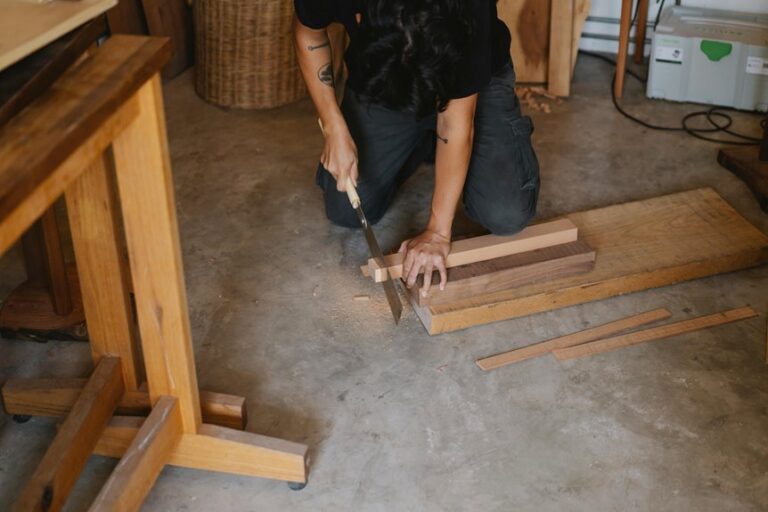
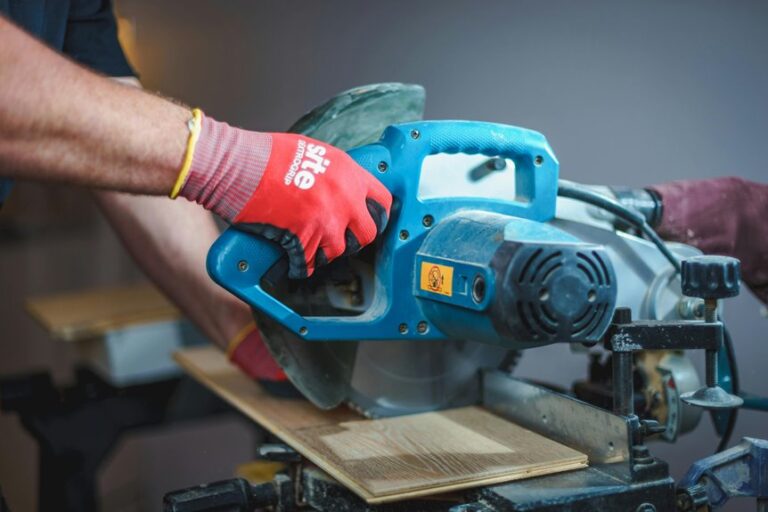
Trimming a dowel flush without gouging the surrounding surface is one of those jobs that separates a tidy project from a sloppy one. The right saw makes the difference between a smooth, paint-ready finish and a repair job you’ll regret. This roundup covers five tools built for that exact moment, from traditional pull saws to a powered multi-tool that handles far more than trim work.
The Picks In Brief

IRWIN Dovetail Saw 10-Inch (2014450)

IRWIN ProTouch Coping Saw (2014400)
WORKPRO 3.0 Amp Oscillating Multi-Tool Kit

SUIZAN Flush Cut Saw 7-Inch Japanese Pullsaw

Temple Tool Co. Japanese Flush Cut Saw 6 Inch
The Strengths Of Each Pick
Most dovetail saws cut in one direction only, and that limitation bites when your workpiece is clamped against a bench wall. The IRWIN sidesteps that with a spring-loaded blade that flips for either left- or right-hand cutting, so the saw works with your setup instead of against it.
The wide-body flush-cut blade measures about two inches across, which gives you a stable bearing surface when trimming tenons or dowels flat. In a furniture shop or a busy weekend garage, that stability is what keeps the teeth from wandering into finished faces.
Notable Gains
- Reversible spring-loaded blade suits both left- and right-side access without swapping tools
- The 10-inch length reaches across wider panels than compact pull saws manage
- ProTouch handle cushions long trimming sessions and reduces hand fatigue
- A fine tooth pitch produces edges that need little sanding before finishing
Things To Consider
- The wide body limits use in very tight corners where a slim Japanese saw slides in easier
- Blade replacement means sourcing IRWIN-specific spares rather than universal stock
Key Specs
Made For
Intermediate woodworkers who cut joinery regularly and want one saw that adapts to awkward clamping positions.
Where A Sibling Pick Shines
Hobbyists who mostly trim protruding dowels after glue-up will find the SUIZAN 7-inch pullsaw lighter and more nimble for that single task.
A coping saw earns its keep cutting interior curves, and this one pairs a high-speed steel blade with a frame deep enough to swing through baseboard profiles. High-speed steel holds an edge longer than plain carbon steel, which matters once you start slicing through hardwood trim.
Compared with the IRWIN dovetail saw above, this tool trades straight-line precision for maneuverability. The flat-bar frame resists flexing under pressure, and DuraSteel pins grip the blade firmly so it doesn’t twist mid-cut, a frustration anyone who has snapped blades knows well.
The Case For It
- High-speed steel blades handle wood, plastic, and soft metals without dulling quickly
- The rigid flat-bar frame keeps blade tension consistent through curved cuts
- ProTouch grip stays comfortable during detailed coping work at the bench
Worth Noting
- Thin blades snap easily under side pressure, so keep spare blades in the drawer
- It’s a curve specialist, not a flush-trimming tool; pair it with one of the pull saws here
Right Fit For
DIYers installing crown molding or baseboards who need to cope inside corners cleanly on a modest budget.
Another Choice May Suit
Anyone whose main job is shaving dowels flush should reach for the Temple Tool Co. double-edge saw instead, since its fine teeth are purpose-built for that finish.
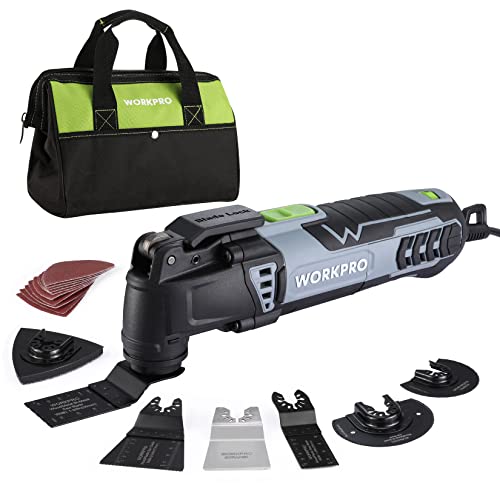
An oscillating multi-tool is the powered answer to flush cutting: its blade vibrates side to side through a tiny arc, letting you sink into a board flush against a floor or wall without damaging the surface below. The WORKPRO runs on a 3.0 amp corded motor, so there’s no battery to babysit during long renovation days.
Seven speed settings let you dial output down for delicate trim or open it up for nail-embedded framing lumber. Unlike every other item on this list, it also sands, polishes, and grout-cuts, which is why remodelers often treat it as a first-responder tool.
Good Reasons To Consider
- The 3.0 amp motor powers through medium and low-hardness metal pipe, wood, nails, and screws
- Seven speeds give fine control across materials of different hardness
- A shallow oscillation angle improves cutting efficiency and accuracy near finished surfaces
- Corded power means consistent output from the first cut to the last
Small Caveats
- The power cord restricts reach, so plan outlet access or grab an extension lead
- Oscillating blades wear faster than hand-saw teeth and add ongoing consumable cost
- Vibration over long sessions can tire your grip more than a quiet pull saw would
Feature Rundown
Who Should Grab It
Remodelers and landlords tackling flooring transitions, door jambs, and pipe cuts who want one powered tool instead of several hand saws.
Consider Something Else When
Fine furniture makers chasing a glass-smooth shave on exposed joinery will get cleaner results from the SUIZAN pullsaw, with no vibration marks to sand out.
Japanese saws cut on the pull stroke, and that single design choice changes everything about flush trimming. Because the thin blade is under tension while cutting rather than compression, it can be made far thinner than a Western push saw, leaving a narrower kerf and less tear-out on the face you’re protecting.
The 7-inch blade gives you roughly 180 mm of cutting width, enough to clear dowels and wedges on most furniture-scale projects in a pass or two. SUIZAN builds these from Japanese steel, and owners commonly report the edge holding up well through season after season of shop use.
Points In Its Favor
- Pull-stroke action demands less force, giving you steadier control over the cut line
- The thin blade slices flush without marring the adjacent surface, even on softwoods
- Japanese steel takes and holds a sharp edge through repeated glue-up trims
- Light weight makes it comfortable for detail work held at odd angles
Trade Offs To Consider
- The ultra-thin plate kinks if you twist it sideways, so storage in a sleeve matters
- Pull cutting feels unfamiliar at first if your habits come from Western push saws
Best Suited To
Woodworkers who assemble with dowels, pegs, or wedges and want a dedicated, no-fuss trimmer that lives in the apron pocket.
Reach For A Different Pick When
Shoppers who want a tool that also rips and crosscuts will prefer the IRWIN 10-inch dovetail saw, whose stiffer blade handles general joinery beyond flush work.
Where the SUIZAN above keeps things utilitarian, Temple Tool leans into craft. A dark brown solid beech handle fitted with brass hardware gives this 6-inch double-edge pull saw a look closer to an heirloom than a commodity, and the build quality carries through to how it cuts.
Two edges on one blade mean you can reserve one side for hardwood and flip to the other for softwood, extending edge life between sharpenings. The short 6-inch length suits tight spots on chairs, frames, and case work where a longer saw can’t swing.
What Pays Off
- Double-edged blade covers both hardwood and softwood tasks before needing attention
- Beech-and-brass handle offers a secure, comfortable grip that ages gracefully
- Purpose-built geometry targets dowels, tenons, wedges, and trim pieces flush to a face
- Compact size slips into a tool roll or apron without weighing you down
A Few Limitations
- The shorter blade needs more strokes on wide panels than the 7-inch SUIZAN manages
- Wooden handles appreciate occasional oiling to stay smooth in dry shops
Quick Facts
Who Will Love This
Hand-tool enthusiasts and furniture makers who value traditional craftsmanship and finish quality as much as raw cutting speed.
Skip It When
Production shops trimming dozens of boards daily will move faster with the powered WORKPRO multi-tool, which handles volume work without hand fatigue.
What Matters Most Before Choosing Flush Cut Saws
Match The Tooth Pitch To Your Material
Tooth pitch, expressed as points per inch, decides how aggressive each bite is. Fine pitches around 14 to 17 points leave smooth surfaces ready for finish but cut slowly; coarser teeth remove material fast yet chew up delicate faces. Furniture makers benefit from fine teeth, while rough carpentry forgives a coarser pattern.
Pull Stroke Or Push Stroke
Western saws cut on the push, Japanese saws on the pull. Push blades must be thick enough to resist buckling, which widens the kerf; pull blades sit under tension and can be paper-thin. For flush work against a finished surface, the thinner pull kerf usually wins.
Hand Saw Versus Powered Multi-Tool
Hand saws are quiet, cheap to run, and precise, but slow on volume. An oscillating multi-tool like the WORKPRO cuts nails and pipes a handsaw cannot touch, at the cost of blades, noise, and vibration. Most serious shops end up owning one of each.
Handle Comfort And Blade Replacement
You’ll hold these tools at awkward angles, so a cushioned or shaped grip reduces fatigue over a session. Check whether replacement blades are widely available; a proprietary mount turns a minor wear item into a hassle.
Key Considerations Across These Picks
Traps First Timers Fall Into
The classic error is buying a coarse-tooth general saw and expecting a clean flush cut; the teeth dig into the surrounding face and ruin the finish. Another slip is ignoring blade thickness, since a fat plate physically can’t reach into tight corners. Start by naming your actual task, then match the tool to it.
When Paying More Pays Off
Higher-tier saws spend their extra cost on steel quality, thinner plates, and better handles. That translates directly into cleaner cuts and longer edge life. Casual users trimming a few dowels a year won’t notice; anyone cutting weekly will feel the difference within a month.
Frequently Asked Questions
Can a flush cut saw damage the surface underneath?
A properly used flush cut saw rests its spine or plate flat against the surface, keeping the teeth away from it. Rushing or angling the blade is what causes scratches, not the tool itself.
What’s the difference between a dovetail saw and a flush cut saw?
A dovetail saw has a stiff-backed blade made for straight joinery cuts, while a flush cut saw uses a flexible, toothless-spine blade designed to shave protruding parts level. Some models, like the IRWIN above, blend both roles.
Do Japanese pull saws replace Western saws entirely?
No. Pull saws excel at fine, controlled cuts, but Western-style saws still suit rough dimensioning and heavy ripping. Many woodworkers carry both.
How long do oscillating multi-tool blades last?
It depends heavily on material; clean pine preserves edges far longer than nail-riddled framing lumber. Expect to replace blades regularly on renovation work.
Is a coping saw useful for flush cutting?
Not really. Coping saws specialize in interior curves and profile work. Pair one with a true flush cut saw rather than expecting either to do both jobs.
Closing Thoughts
Flush cutting looks simple until you’re staring at a scratched tabletop next to a proud dowel. Pick the SUIZAN or Temple Tool for pure trim work, the IRWIN dovetail saw for versatile joinery, the WORKPRO when power and material range matter, and the coping saw for molding profiles. Match the tool to the job in front of you, and the results take care of themselves.