A good folding saw earns its place in your pack fast. One storm-dropped limb across a trail, one overgrown apple tree, one campfire that needs splitting down to size, and you’ll understand why campers, gardeners, and bushcrafters keep reaching for these instead of full-size bow saws. The catch is that not every folder cuts alike. Tooth geometry, steel type, blade length, and locking design all change how the tool feels after twenty minutes of work. This roundup walks through five options that cover the range, from a compact survival classic to longer pruning saws built for thick branches, so you can match the tool to the work you actually do.
The Leading Options At A Glance

SOG Folding Camping Saw 8.25″ Black
Fiskars 10″ Folding Pruning Saw

Craft911 11 Inch Folding Camping Saw SK5

Craft911 11 Inch Folding Pruning Saw SK5

CAIDMOS 12 Inch Folding Hand Saw
The Picks, Examined More Closely
The SOG is the smallest blade here at 8.25 inches, which makes it the easiest to stash in a backpack side pocket or truck door bin. Its high-carbon steel blade wears a black powder coating that resists rust, a real advantage for gear that lives in humid garages or damp tents.
Where this saw separates itself from the Craft911 models further down the list is the removable blade. When teeth dull after seasons of hardwood work, you swap the blade instead of replacing the whole tool. Owners commonly report it chews through both green wood and seasoned hardwood without binding, though the shorter stroke means more passes than an 11-inch blade needs.
Key Advantages
- Removable blade extends the tool’s working life considerably
- Powder-coated finish shrugs off moisture between trips
- 17.25 inches of total reach handles mid-size limbing comfortably
- Soft TRP grip stays secure with wet or gloved hands
Things To Consider
- Shorter blade demands extra strokes on branches past three inches
- Powder coating can scuff along the spine with hard pack carry
Quick Facts
Made For
Backpackers and preppers who value a replaceable-blade design and compact packed size over maximum cutting reach.
A Better Fit Elsewhere
Garden owners tackling thick yard waste will get through jobs faster with the Craft911 11-inch folding camping saw and its longer SK5 blade.
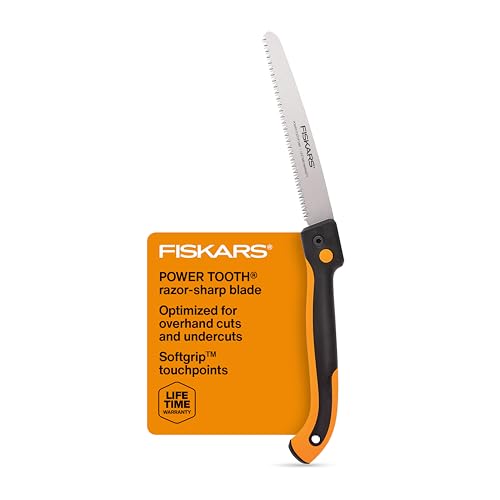
Fiskars builds garden tools first, and it shows in the details. The 10-inch blade uses triple-ground teeth, meaning each tooth is sharpened on three faces rather than two, so it bites aggressively into green wood instead of skating across bark. That single design choice is why this saw feels faster on live branches than most budget folders.
The standout feature is the dual-position lock. You can set the blade open in two angles, which changes how the saw tracks through a cut. An upright position suits overhead limb removal; the flatter angle gives better leverage for undercutting a branch before it falls. Compared with the SOG’s single fixed position, that flexibility matters once you’re spending an afternoon on tree work.
The Value In It
- Triple-ground teeth cut green wood noticeably faster
- Two blade angles adapt to overhead cuts and undercuts alike
- Non-slip handle keeps grip confidence in damp conditions
- Folding design protects teeth during toolbox storage
- Brand reputation for replacement parts and support
Small Caveats
- Owners occasionally note the lock needs firm pressure to engage fully
Right Fit For
Homeowners who prune trees and shrubs regularly and want angle flexibility most fixed-position folders can’t offer.
Swap It Out When
Occasional users who mostly trim small twigs may find the CAIDMOS 12-inch folding hand saw covers those lighter sessions at friendlier cost.
This is the longest-reach option alongside its sibling below, and the extra blade length shows up immediately at the firewood pile. SK5 is a Japanese-spec high-carbon steel known for holding a sharp edge under abuse, and the 7 TPI tooth count strikes a middle ground: coarse enough to clear sawdust quickly, fine enough to leave a reasonably clean face on the cut.
The triple-cut grind on the teeth pulls the blade into the wood rather than requiring heavy downward pressure, which saves your shoulder over a long bucking session. Bushcraft users tend to favor this style of saw for shelter poles and trap-set clearing, where speed matters more than finish quality.
The Upside
- SK5 steel holds its edge through repeated hardwood contact
- 7 TPI spacing clears chips fast on green branches
- 11-inch blade shortens work time on thicker limbs
Honest Caveats
- High-carbon blades need a light oil wipe after wet trips to prevent surface rust
- Coarse teeth leave rougher finishes than finer pruning saws produce
- Folding mechanisms on newer listings have less long-term track record than legacy brands
Feature Snapshot
Who Will Love This
Bushcrafters and camp cooks who process firewood regularly and want aggressive cutting speed over polish.
Reach For A Different Pick When
Delicate ornamental pruning calls for the Fiskars 10″ folding pruning saw, whose finer triple-ground teeth treat living plants more kindly.
On paper, this listing mirrors the Craft911 above: same 11-inch SK5 blade, same 7 TPI triple-cut teeth, same folding format. The practical difference comes down to availability and positioning, since separate listings let shoppers compare seller terms and bundle contents. Functionally, expect the same fast bite through green limbs and the same chip-clearing rhythm at the woodpile.
In our view, this version suits someone whose week mixes garden cleanup with occasional camping rather than one dedicated pursuit. You lose nothing against the sibling pick on cutting performance, but you also gain little beyond whichever listing ships faster from your region.
Where It Helps
- Same proven SK5 edge retention as the higher-listed sibling
- Folds flat enough for a glove box or tool bag shelf
Trade Offs
- Nearly identical to pick three, so comparison shopping takes effort
- No replaceable blade, unlike the SOG design
- Carbon steel demands drying and light oiling after rain exposure
Built With In Mind
Generalist homeowners who split their time between yard trimming, camping weekends, and odd woodworking chores.
Consider Something Else When
Shoppers wanting a documented replacement-blade system should look back at the SOG Folding Camping Saw 8.25″ Black instead.
The CAIDMOS brings the longest blade of the group at 12 inches, giving you the widest effective branch capacity here. Its teeth are cut from high-manganese steel, an alloy chosen for toughness and smooth tracking, arranged in a triple-bevel staggered pattern designed to leave cleaner surfaces than typical coarse camp saws.
You may find the fit and finish less refined than the Fiskars, which is the honest trade-off at this tier. For seasonal pruning, storm cleanup, and a trunk-side backup saw, though, the extra reach per dollar is hard to argue with.
Where It Delivers
- 12-inch blade covers the largest branches of any pick listed
- High-manganese teeth resist chipping on knots and hard spots
- Staggered bevel layout produces smoother, more precise cuts
Points To Note
- Handle ergonomics feel basic next to the Fiskars contoured grip
- Folded profile is bulkier given the extended blade length
Details At A Glance
Who Should Grab It
Casual gardeners and first-time saw owners who want maximum reach without committing to premium pricing.
Not Your Match When
Regular bushcraft users processing hardwood weekly will appreciate the Craft911 11-inch folding camping saw’s tougher SK5 edge retention more.
What Matters Most Before Choosing Foldable Saws
Blade Length And Tooth Count
Blade length sets your ceiling on branch diameter. An 8-inch blade like the SOG’s handles wrist-thick limbs comfortably, while 11 to 12 inches lets each stroke remove far more material on firewood-sized stock. Tooth count works inversely: lower TPI (teeth per inch) cuts faster but rougher, higher TPI leaves clean faces suited to visible pruning cuts on ornamental trees.
Match this to your dominant task. Firewood and trail clearing reward coarse, aggressive teeth; rose bushes and fruit trees deserve finer ones.
Steel Type And Corrosion
The steel determines how long the edge survives. SK5 and similar high-carbon steels hold sharpness well but will develop surface rust without care, especially after wet weather. Powder coatings and stainless alternatives trade some hardness for easier maintenance. Anyone storing tools in a shed or garage should plan on a quick dry-and-oil routine regardless of brand claims.
Locking Mechanism And Grip
A weak lock turns a saw into a hazard, since a folding blade closing mid-stroke risks injury to fingers and knuckles. Look for locks that engage positively and hold under torque. Grip material matters too: soft thermoplastic rubber stays tacky when wet, while bare plastic gets slippery with sweat or rain.
Packed Size Versus Reach
Every folding saw compromises somewhere between folded bulk and open cutting length. Backpackers should prioritize compact folded dimensions, while car-based gardeners can accept a longer folded package for greater reach. Decide honestly where yours will live most of its life.
Key Considerations Across These Picks
Traps First Timers Fall Into
The most common mistake is buying a survival-style saw for fine garden pruning, then wondering why every cut looks shredded. Coarse teeth tear living tissue. The reverse error happens too: choosing a delicate pruning saw for camp firework leads to slow, frustrating sessions. Also, skipping the maintenance question entirely is a trap, because carbon-steel blades left damp in a closed garage will pit within a season or two.
What The Higher Tier Buys
Paying up typically buys metallurgy and mechanism refinement. Premium brands invest in harder edge-holding steels, tighter lock tolerances, and ergonomic grips shaped from actual hand data. That translates into less fatigue per hour and fewer years before replacement. Occasional users rarely notice the difference; anyone cutting weekly will feel it within a single afternoon.
Frequently Asked Questions
Can a folding saw cut through hardwood?
Yes, provided the teeth are hardened carbon or manganese steel and the blade is long enough for the log’s diameter. Expect slower progress on dense species like oak compared with softwoods.
How do I maintain a folding saw?
Wipe the blade dry after wet use, apply a light coat of oil to carbon-steel blades, and store it folded in a dry spot. Sharpen or replace the blade once cutting requires noticeable extra force.
Are folding saws safe to carry in a backpack?
They are, when the locking mechanism engages fully and the blade folds completely into the handle. Always confirm the lock clicks home before packing.
What blade length do I need?
Eight to ten inches covers most yard pruning and small camp tasks. Eleven to twelve inches suits firewood processing and thicker storm debris.
Do folding saws replace a chainsaw?
No, they complement one. A folding saw excels on branches up to roughly four inches and on quiet, remote, or short-duration jobs where a chainsaw is impractical.
Bottom Line
Five saws, five honest profiles. The SOG wins on portability and its replaceable blade, the Fiskars on pruning finesse and dual-angle control, and the two Craft911 folders on raw cutting speed for bushcraft loads. The CAIDMOS stretches your dollar furthest if reach matters more than refinement. Match the blade length and tooth style to the work you actually do, keep the steel dry, and any of these will outlast expectations. Start with your most common task and let it lead the way.