


A stuck branch over the driveway, a downed limb after a storm, a campsite that needs firewood before dark: these are the moments a folding saw earns its place in your kit. Unlike a full bow saw or chainsaw, a folding saw slips into a pack pocket, opens in seconds, and cuts green or dry wood without fuss. This roundup covers five options spanning backyard pruning, bushcraft, and drywall work, so you can match blade length, tooth style, and handle design to how you actually cut.
The Main Contenders

SOG Folding Camping Saw 8.25″ Black Powder Coated
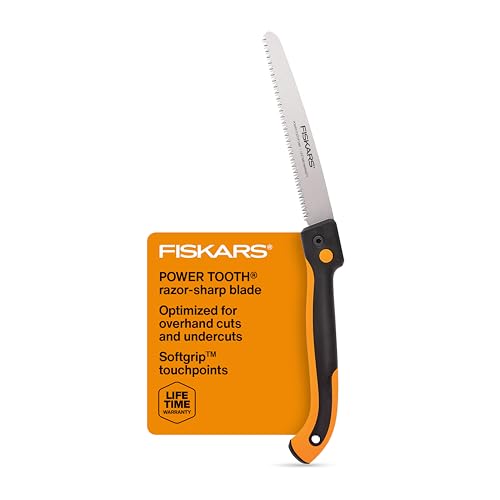
Fiskars 10″ Folding Pruning Saw
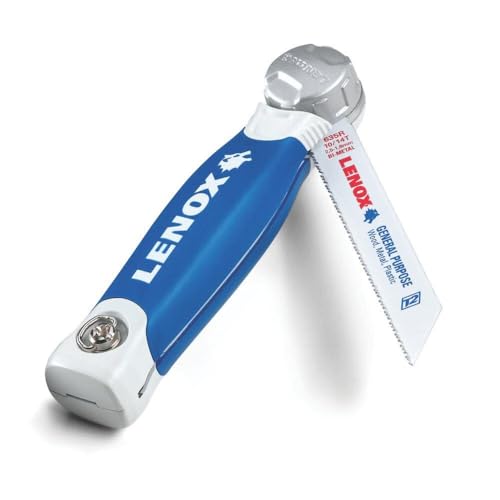
LENOX Tools Folding Jab Saw (20997TFHS618636)

Craft911 Folding Camping Saw 11 Inch Triple-Cut SK5

Craft911 Folding Camping Saw 14 Inch Triple-Cut SK5
More Details On Our Top Picks
Most folding saws live or die by their blade, and this one hedges its bets with a removable high-carbon steel blade finished in black powder coating. That coating matters more than it sounds: saws tossed into damp truck beds or wet packs rust fast, and owners commonly report the finish holds up season after season.
The differentially tempered teeth, hardened harder than the blade body behind them, stay sharp through hard and green wood alike. At 17.25 inches fully open with an 8.25-inch blade, it’s the shortest cutter here, which keeps it light enough for a bug-out bag or glovebox. The soft TRP grip stays comfortable during longer limbing sessions.
Where It Delivers
- Powder-coated steel resists rust when stored in humid garages or damp gear bins
- Differentially tempered teeth hold their edge through repeated hardwood cuts
- Replaceable blade means a dull or damaged edge doesn’t retire the whole tool
- Folds to a pocketable size that disappears into a camping pack
Small Caveats
- The short blade limits you to branches roughly wrist-thick; bigger limbs demand more strokes than the longer picks below
- Sap buildup on the coated blade needs occasional wiping with solvent to keep the fold action smooth
Key Specs
Made For
Hikers, campers, and preppers who want one dependable saw small enough to forget it’s there until needed.
A Better Fit Elsewhere
Gardeners tackling thick yard limbs will get faster results from the Fiskars 10″ Folding Pruning Saw’s longer blade and dual-angle lock.
Where the SOG above chases portability, this Fiskars is built around cutting efficiency. Its triple-ground teeth are sharpened on three surfaces instead of one, an aggressive geometry that bites into green wood on both the pull and push stroke. For anyone spending a Saturday cleaning up storm damage, that translates to noticeably fewer passes per branch.
The dual-position lock is the detail worth understanding. The blade locks open in two angles, letting you switch between overhand cuts and undercuts without flipping your grip awkwardly. Undercutting a heavy limb first prevents bark tearing, so arborist-minded homeowners will use both positions regularly rather than treating them as a gimmick.
Everyday Perks
- Triple-ground teeth power through thick branches faster than single-bevel designs
- Two locked blade positions support proper undercut technique on heavy limbs
- Non-slip grip stays secure with sweaty or gloved hands during long pruning days
- A trusted garden-tool brand with wide parts and replacement availability
Things To Consider
- The aggressive tooth pattern can snag on dry, dense wood if you rush the stroke
- Resin from conifer pruning sticks to the teeth; regular cleaning preserves cutting speed
- No removable blade listed, so a bent blade likely means replacing the tool
The Right Fit
Homeowners with mature trees who prune every season and want maximum cutting speed per stroke.
Swap It Out When
Trail users prioritizing packed size should look back at the SOG Folding Camping Saw, whose shorter blade folds smaller and weighs less in a pack.
This one breaks the pattern of everything else on the list. A jab saw, sometimes called a keyhole saw, starts cuts in the middle of drywall or paneling by plunging the pointed tip straight through. Remodelers running new cable or cutting outlet openings know exactly why that matters.
The clever part is the interchangeable handle, which accepts standard reciprocating saw blades. One tool becomes several: swap blades to match drywall, wood, or metal-cutting tasks. An aluminum locking mechanism keeps the blade seated under load, and die-cast aluminum construction suits flush-cutting jobs where a hacksaw won’t fit. The rubberized over-molded grip gives you confident control working overhead or in tight framing bays.
Reasons It Performs
- Accepts standard reciprocating saw blades, so replacements cost little and are sold everywhere
- Aluminum lock prevents blade ejection mid-cut, a real safety consideration when plunging
- Die-cast body handles flush-cutting tasks where bulkier saws can’t reach
- Rubberized grip maintains control during awkward overhead drywall work
Points To Note
- Wrong tool for green wood: the fine jab-saw teeth clog on wet, fibrous branches
- Blade changes require loosening hardware, slower than a fixed-blade saw for quick jobs
Who Will Love This
Electricians, DIY renovators, and handymen who need a pocket-size saw for drywall, paneling, and punch-through cuts.
Not Your Match When
Anyone clearing brush or cutting firewood belongs with the Craft911 11-inch model below, whose coarse pruning teeth are made for living wood.
Step up from the Fiskars and you land here: an 11-inch SK5 high-carbon steel blade with 7 TPI razor teeth. TPI means teeth per inch, and seven is coarse by design, each tooth deep enough to clear wet sawdust from green wood without binding. Bushcraft users processing deadfall for overnight fires are the obvious audience.
The triple-cut grinding gives those teeth multiple sharpened faces, which is why the cut feels fast rather than scratchy. In our view this hits the sweet spot of the list: long enough to make real progress on limb-sized wood, still short enough to stow in a daypack side pocket. You may find the aggressive bite demands a lighter touch on brittle dry branches.
The Upside
- SK5 high-carbon blade takes a keen edge and resists bending under torque
- Coarse 7 TPI spacing clears green-wood chips, reducing mid-cut stalls
- 11-inch blade halves the stroke count versus compact 8-inch saws
- Handles tree trimming, gardening, and camp duties as one multi-role tool
Worth Bearing In Mind
- Aggressive teeth grab hard; slow your first strokes on knotty or frozen wood
- High-carbon steel trades some corrosion resistance for sharpness, so dry the blade after wet-weather use
Feature Rundown
Who Should Grab It
Bushcrafters, hunters, and homesteaders who cut arm-thick branches regularly and want serious teeth without carrying a full saw.
Reach For A Different Pick When
Occasional garden pruners cutting pencil-to-wrist-size stems will find the Fiskars 10″ Folding Pruning Saw easier to control and less tiring.
Same family, bigger sibling. Everything said about the 11-inch Craft911 applies here, stretched to a 14-inch blade that reaches deeper into a branch crown and finishes a cut in fewer strokes. For firewood prep or clearing storm-felled limbs, that extra three inches is the difference between ten minutes and twenty.
The trade-off is carry size. Folded, this saw no longer hides in a jacket pocket, so it lives better in a vehicle, shed, or large pack. The identical SK5 steel and 7 TPI triple-cut teeth mean cutting character matches its smaller brother: fast in green wood, demanding finesse in brittle stock. Property owners with acreage tend to keep both lengths; weekend hikers rarely need the longer one.
Positive Takeaways
- 14-inch reach tackles trunk-thick limbs the shorter picks struggle against
- Same proven SK5 triple-cut tooth geometry as the 11-inch version
- Fewer strokes per cut saves energy during big cleanup sessions
- Folds flat for safe storage on a shelf or truck toolbox
Less Ideal Details
- Too bulky for minimalist backpacking; check folded dimensions against your pack first
- Extra leverage on a long blade can twist the joint if you bear down sideways
Whose Shelf It Belongs On
Rural property owners, firewood cutters, and trail-maintenance volunteers who face thick wood often and store tools nearby.
Another Choice May Suit
Lighter-duty users should step down to the Craft911 11-inch model, which keeps the same blade quality in a more portable package.
What Matters Most Before Choosing Folding Saw 360mm
Match Blade Length To Your Wood
Blade length dictates the branch diameter you can cut efficiently. A rule of thumb: your blade should be two to three times the thickness of the wood. An 8-inch blade handles wrist-size limbs well, while 14 inches chews through trunk sections. Longer also means heavier and bulkier folded, so weigh reach against how far you’ll carry it.
Understand Tooth Geometry
TPI, or teeth per inch, controls cut speed versus smoothness. Coarse 7 TPI teeth clear chips fast in green wood but leave ragged edges on dry lumber. Triple-ground teeth, sharpened on three faces, cut aggressively in both directions. Fine-toothed jab saws suit drywall, not living branches.
Steel And Locking Hardware
SK5 and other high-carbon steels take a sharp edge but need drying after wet use to resist rust. Powder coatings help. Check the lock mechanism too: a two-position blade adds undercut capability, and aluminum locks hold up better than plastic under hard torque.
Think About Maintenance Reality
Sap, moisture, and grit all degrade performance between uses. Removable blades extend tool life, while fixed-blade designs stay simpler. Choose based on how much upkeep you’ll actually do.
Key Considerations Across These Picks
Traps First Timers Fall Into
The most common mistake is buying a blade too short for the wood at hand, then forcing cuts and twisting the blade. Another frequent slip: using a fine-tooth drywall saw like the LENOX on green branches, which clogs instantly. Match the tool to the task before checkout.
What Separates Premium From Basic
Higher-tier saws spend money where it counts: better steel, precision-ground teeth, and stronger locks. Those upgrades show up as faster cuts and years of edge life. Casual users trimming a few stems a year won’t notice; anyone cutting weekly absolutely will.
Frequently Asked Questions
What branch size can a folding saw realistically cut?
Keep branch diameter to roughly half your blade length for efficient, safe cutting. An 11-inch blade comfortably manages limbs up to about four inches thick.
Are curved blades better than straight ones?
Curved blades pull into the cut and reduce fatigue on overhead pruning work. Straight blades offer more control for flush and precision cuts.
How do I stop my folding saw from rusting?
Wipe the blade dry after each use and apply a light oil coat before storage. Powder-coated models resist corrosion better but still benefit from sap removal.
Can I sharpen a folding saw blade?
Yes, with a tapered feather file matched to your tooth pitch. Many users simply replace the blade once sharpening stops paying off in time saved.
Is a folding saw safer than a fixed-blade saw?
The folding design guards the teeth during storage and transport, which prevents most accidental cuts. During use, safety depends on stable footing and controlled strokes either way.
Bottom Line
Your best choice comes down to honest self-assessment about what you cut and where you carry it. Campers and minimalists get the most from the SOG’s compact frame, homeowners reach for the Fiskars every pruning season, and renovators keep the LENOX in the tool belt. The two Craft911 sizes cover serious wood work, with the 14-inch earning its space only when thick branches are routine. Start with the job, not the tool, and the right pick makes itself clear.




