Anyone who has tried to saw a wrist-thick branch with a pocketknife knows why a dedicated folding saw earns its spot in the pack. The right one turns twenty minutes of frustration into two minutes of clean work. This shortlist covers five folding saws suited to bushcraft, camp setup, trail clearing, and backyard pruning, from a compact survival classic to longer blades built for bigger wood. Each pick below breaks down what it does well, where it falls short, and who should carry it.
The Shortlist At A Glance

SOG Folding Camping Saw 8.25″ Black Powder Coated Blade
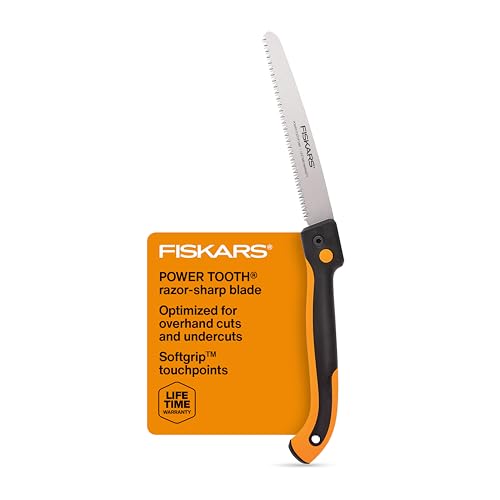
Fiskars 10″ Folding Pruning Saw with Dual Position Locking Blade

Craft911 11 Inch Heavy Duty Pruning Saw Triple-Cut SK5 Blade

Craft911 11 Inch Heavy Duty Pruning Saw Triple-Cut SK5 Blade

Craft911 14 Inch Heavy Duty Pruning Saw Triple-Cut SK5 Blade
A Breakdown Of The Leading Choices
SOG built this one around an 8.25-inch high-carbon steel blade that folds into a soft-grip TRP handle, giving you a package that slips easily into a pack lid or survival kit pouch. The teeth are differentially tempered, which means the cutting edges are hardened harder than the blade body, so they hold their bite through hard and green wood alike.
The black powder coating resists rust, a real advantage for gear that lives in humid climates or damp tent bags. Owners commonly report the removable blade as a practical long-term feature: when the edge eventually dulls past sharpening, you swap the blade instead of replacing the whole tool.
Practical Advantages
- Folds to a genuinely packable size, so it disappears into a daypack without hogging space
- Differentially hardened teeth stay sharp longer on abrasive hardwood
- Powder-coated finish shrugs off moisture between trips
- Replaceable blade extends usable life well beyond a sealed unit
- Soft TRP grip stays comfortable during longer limbing sessions
Things To Consider
- The shorter blade means more strokes per cut than the longer Craft911 options below
- Powder coating can wear at the spine with heavy use, exposing bare steel that needs occasional oiling
Who It Suits Best
Ultralight backpackers and anyone assembling a compact survival kit who values small packed size over raw cutting speed.
A Better Fit Elsewhere
Campers processing thick firewood will get faster results from the Craft911 14-inch model further down this list.
Where the SOG leans survival, Fiskars leans yard and orchard. Its 10-inch blade locks open at two different angles, letting you switch between overhand cuts and undercuts without fighting your own body position. That sounds minor until you’re reaching into a dense shrub and the second position suddenly makes the cut possible.
The blade uses triple-ground teeth, meaning each tooth is sharpened on three surfaces for aggressive, fast bites through green branches. A non-slip handle keeps things secure even with sweaty hands or wet gloves, which matters more than most people expect during summer pruning season.
What Makes Sense
- Dual-position lock adapts the cutting angle to awkward branch placement
- Triple-ground teeth pull through live wood quickly with less effort per stroke
- Textured grip stays planted in damp conditions
- Fiskars’ long track record in garden tools suggests consistent quality control
Worth Noting
- Bushcraft users may find the garden-focused blade less at home on seasoned hardwood
- The locking mechanism deserves a quick rinse after muddy jobs to keep it moving freely
Made For
Homeowners and gardeners who spend more time shaping trees and clearing brush than building shelters.
Skip It When
Dedicated bushcrafters prioritizing rugged field durability may prefer the SOG’s powder-coated steel construction instead.
This is the first of three Craft911 variants here, and the formula is straightforward: an 11-inch SK5 high-carbon steel blade with 7 TPI razor teeth. TPI stands for teeth per inch, and seven is a coarse count that clears chips fast, exactly what you want when bucking branches for a fire lay.
In our view, the triple-cut tooth grind is the headline feature. Each tooth cuts on multiple faces, which translates to noticeably quicker progress through green wood than a standard single-grind pattern. Compared with the Fiskars above, you gain an inch of blade and a bushcraft-oriented positioning, though the brand lacks Fiskars’ decades-long reputation.
What Earns Its Place
- Coarse 7 TPI spacing clears sawdust efficiently during long cutting sessions
- SK5 carbon steel takes a keen edge and responds well to field sharpening
- Handles tree trimming, firewood prep, and garden work without repositioning yourself constantly
- An extra inch of blade over the Fiskars speeds up thicker cuts
Small Caveats
- Carbon steel demands a wipe of oil after wet outings or surface rust will show up
- A newer brand name, so long-term durability reports are thinner than for established makers
Quick Facts
Right Fit For
Camp cooks and weekend bushcrafters who want maximum cutting speed per dollar spent.
Another Choice May Suit
Garden-first shoppers will likely be happier with the Fiskars dual-position saw’s refined ergonomics.
Yes, this shares its core hardware with pick number three: the same 11-inch SK5 blade, the same coarse 7 TPI triple-cut teeth, the same folding format. The difference comes down to listing and availability, so treat these as interchangeable twins and choose whichever ships faster or prices better on the day.
That redundancy isn’t a bad thing for you as a shopper. Two active listings mean stockouts are less likely to leave you empty-handed mid-season, and everything said about cutting performance above applies here identically.
What Helps Most
- Identical fast-cutting triple-cut SK5 performance to its sibling listing
- Versatile enough for camping, trimming, woodworking, and garden chores
- Folds down safely for storage in a vehicle or garage drawer
Less Ideal Details
- Nearly identical to pick three, offering little reason to own both
- Carbon steel blade needs routine drying and light oiling after rain exposure
Who Should Grab It
Shoppers who missed out on the first Craft911 listing but want the same aggressive 11-inch cutter.
Where A Sibling Pick Shines
Those needing extra reach for fat limbs should step up to the 14-inch Craft911 variant reviewed next.
Take everything from the two 11-inch Craft911 models and stretch the blade to 14 inches. That extra length matters more than the numbers suggest: each stroke removes roughly a quarter more material, and longer blades track straighter through thick sections, so cuts wander less on four-inch limbs.
You may find the folded package too bulky for a hip-belt pocket, though it still stows fine in a pack side sleeve or truck cab. For basecamp firewood duty rather than ultralight travel, that trade-off lands squarely on the winning side.
Positive Points
- Longest blade here, cutting big branches in noticeably fewer strokes
- Straighter tracking through dense wood thanks to extended blade length
- Same easy-to-sharpen SK5 carbon steel as its shorter siblings
- Suits storm cleanup and seasonal limb removal as well as camp use
- Triple-cut teeth keep chip clearance strong even on wide cuts
Potential Sticking Points
- Heavier and bulkier folded than every other option on this page
- Overkill for twig-level pruning around the garden
- Requires the same post-rain oiling routine as any carbon blade
Feature Rundown
Best Suited To
Basecamp setups, homesteaders, and landowners regularly cutting limbs over three inches thick.
Swap It Out When
Backpackers counting every ounce should drop back to the SOG 8.25-inch for its far smaller folded footprint.
What Matters Most Before Choosing One
Blade Length And Stroke Efficiency
Blade length dictates how much wood each stroke removes. An 8.25-inch blade like the SOG’s suits backpacking, while 14 inches handles serious firewood. Match the length to your typical branch diameter rather than buying long “just in case.”
Steel Type And Upkeep
High-carbon steels such as SK5 sharpen easily and cut aggressively but demand drying and a light oil film after wet weather. Stainless alternatives resist rust yet rarely hold the same bite. Honest self-assessment about maintenance habits prevents disappointment.
Tooth Geometry
TPI (teeth per inch) controls aggression. Coarse 7 TPI patterns clear chips quickly in green wood; finer patterns suit dry, dense stock. Triple-ground or triple-cut teeth cut on multiple faces, reducing effort per stroke.
Locking Mechanism Quality
A sloppy lock turns any saw into a finger hazard. Check that the blade seats firmly in both open and closed positions, and favor designs with proven track records.
Key Considerations Across These Picks
Traps First Timers Fall Into
Many first-time purchasers grab the longest blade available, then discover it never fits their pack. Others ignore steel type entirely and store a carbon blade damp, finding rust by spring. Buy for your actual branch sizes and commit to basic blade care.
When Paying More Pays Off
Higher-tier saws justify cost through better steel heat treatment, refined handle ergonomics, and established brand support. Frequent users recoup that premium in sharpening intervals and comfort; once-a-season campers usually won’t notice the difference.
Frequently Asked Questions
Can a folding saw replace a hatchet for bushcraft?
For most shelter-building and limbing tasks, yes, and often more safely. Splitting rounds for firewood remains hatchet territory.
How do I keep a carbon steel blade from rusting?
Wipe it dry after each outing and apply a thin coat of oil before storage. Moisture is the only real enemy.
What TPI is best for green wood?
Coarse spacing around 7 TPI clears wet fibers fastest. Fine teeth clog quickly in sappy cuts.
Are replaceable blades worth having?
They extend tool life considerably since the blade dulls long before the handle fails. Swap costs less than a new saw.
Is a 14-inch blade too big for backpacking?
Usually, yes. Its folded bulk suits basecamp or vehicle-based trips better than weight-conscious trail use.
Closing Thoughts
Every saw here solves the same problem, just at different scales. Backpackers should lean toward the SOG, garden-focused households toward the Fiskars, and anyone processing real firewood toward the longer Craft911 options. Match blade length to your typical wood, respect the maintenance needs of carbon steel, and any of these five will serve faithfully for years of camp seasons ahead.