A good folding saw earns its place in a pack fast. Limbing a downed branch after a storm, clearing a campsite firewood supply, or cutting a snagged sapling off a trail, none of it goes well with a dull hatchet or a full-size bow saw rattling around your truck. A folder collapses into something the size of a large knife, locks open when you need reach, and disappears into a pocket or pack lid when you don’t. The five options below cover different priorities: proven brands, longer blades for thicker wood, and smooth-cutting tooth designs for cleaner work. Each has trade-offs worth knowing before you commit one to your kit.
The Choices Worth Comparing

SOG Folding Camping Saw 8.25″ Black Powder Coated Blade
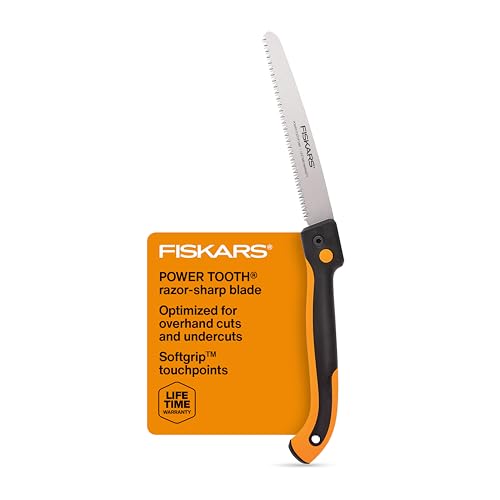
Fiskars 10″ Folding Pruning Saw Dual Lock

Craft911 Folding Camping Saw 11 Inch Triple-Cut SK5 Blade

Craft911 Folding Camping Saw 14 Inch Triple-Cut SK5 Blade

CAIDMOS 12 Inch Folding Saw High-Manganese Steel Teeth
More On The Choices That Made The List
Open this one up and you get 17.25 inches of overall length from an 8.25-inch high-carbon steel blade, which is enough stroke to pull through green limbs without sawing all afternoon. The teeth are differentially tempered, meaning they’re heat-treated harder than the blade body, so they hold an edge while the spine stays tough.
The black powder coating is there for a practical reason: it slows rust on a tool that lives in damp packs and wet brush. Campers who process firewood every trip will appreciate that the blade is removable, since a replaceable blade turns a worn-out saw into a cheap fix rather than new gear.
A Few Highlights
- Differentially hardened teeth stay sharp season after season of hard and green wood cutting
- Powder-coated finish resists the rust that ruins saws stored in humid garages or boat lockers
- Removable blade design means you can refresh the cutting edge instead of replacing the whole tool
- Soft-grip handle keeps control when hands are cold, wet, or gloved at the campsite
Things To Consider
- The coating will scuff along the cutting edge over time, and exposed steel needs a wipe-down after wet trips
- At just over eight inches of blade, thick trunk sections take more strokes than longer options below
Who It Suits Best
Weekend campers and backpackers who want a trusted brand name and easy maintenance in a compact package.
Where Another Pick Suits Better
Anyone felling thicker deadfall will get faster results from the Craft911 14-inch model later in this list.
Fiskars built its reputation on garden tools that survive decades of weekend use, and this 10-inch folder carries that DNA. Its trick is a blade that locks in two separate open positions, so you can set it straight for overhead limb removal or angled for undercutting a branch from below without pinching the cut.
The triple-ground tooth pattern, where each tooth gets sharpened on three faces, bites aggressively on both the push and pull stroke. In practice that means less arm fatigue during a long pruning session, which matters once you’re twenty branches into a hedge line.
Notable Gains
- Dual-position lock adapts the cutting angle to awkward branch geometry instead of forcing your wrist into bad positions
- Razor-edged triple-ground teeth power through thick growth faster than single-grind patterns
- Non-slip grip holds secure even with sweaty palms or damp gloves mid-job
- 10-inch blade strikes a balance between portability and real cutting capacity
Worth Noting
- The pivot mechanism adds moving parts, so keeping hinge debris cleaned out preserves the lock feel long term
At A Glance
Made For
Homeowners with mature trees and shrubs who prune regularly and value cutting comfort over ultralight packability.
A Better Fit Elsewhere
Ultralight backpackers counting ounces may prefer the smaller SOG folder covered first above.
This 11-incher splits the difference between the compact SOG and the big 14-inch sibling reviewed next. The blade uses SK5 high-carbon steel, a Japanese-standard alloy common in quality cutting tools because it takes a keen edge and tolerates hard use. Seven teeth per inch (TPI) means fewer, larger teeth that rip through wood quickly; lower TPI cuts faster but leaves a rougher face.
For bushcraft tasks like building shelters or processing camp fuel, that aggressive cut rate is exactly what you want. Gardeners trimming ornamentals might find the finish rougher than finer-toothed saws produce.
Advantages To Know
- 7 TPI spacing clears chips well, so wet green wood doesn’t clog the kerf mid-cut
- SK5 carbon steel re-sharpens easily with a small file in the field
- Curved blade profile pulls into the cut naturally, reducing the effort per stroke
- Handles tree trimming, bushcraft, and garden duty without specialization
Small Caveats
- Carbon steel demands oiling after exposure to rain, or surface rust shows up within days
- Coarse teeth leave a splintery edge on finished lumber work
Right Fit For
Bushcrafters and camp cooks who prioritize cutting speed on green wood and want one tool covering several outdoor jobs.
Reach For A Different Pick When
You mostly tackle thick deadfall; the Craft911 14-inch version gives you three extra inches of reach.
Same SK5 steel and 7 TPI triple-cut tooth layout as the 11-inch model just covered, stretched across a 14-inch blade. That extra span roughly doubles the branch diameter you can clear in a single pass, which is the difference between ten strokes and thirty on a fat oak limb.
The trade-off is obvious: folded length grows too, so it rides better in a vehicle or base-camp bin than a hip pocket. Property owners clearing storm damage or cutting winter firewood tend to accept that bulk gladly.
Useful Highlights
- 14-inch reach swallows thick branches that stall shorter folders entirely
- Triple-cut SK5 teeth sustain fast cutting through seasoned hardwood
- Folds flat for safe storage in truck boxes and tool bags
Points To Note
- Larger folded size makes it impractical for minimalist backpacking loads
- Longer blade flexes slightly more under heavy pressure, so steady strokes beat forcing it
- Like its 11-inch stablemate, the carbon steel wants a light oil coat between wet outings
Feature Snapshot
Whose Shelf It Belongs On
Rural homeowners, hunters dragging out stands, and anyone processing firewood by hand each season.
Consider Something Else When
Pack weight rules your gear list; the SOG 8.25-inch folder trims ounces without giving up reliability.
Where the Craft911 pair chases speed, this 12-inch folder aims for clean results. Its high-manganese steel teeth carry a triple-bevel, staggered arrangement, a pattern designed to shear fibers smoothly rather than tear them. You notice it most on live wood: fewer splinters, less bark stripping, tidier cuts on anything visible from the porch.
The folding frame includes a secure locking design so the blade stays put under load. Manganese-alloyed steel also resists wear well, which helps the edge last between sharpenings in mixed yard and carpentry duty.
Key Advantages
- Staggered triple-bevel teeth leave smooth surfaces on living branches and trim lumber alike
- High-manganese steel holds its edge longer under repeated household use
- Locking fold keeps the blade safely stowed in a shed drawer or car trunk
- 12-inch span covers most residential pruning jobs comfortably
The Fine Print
- Smooth-cut focus means slower progress on big deadfall than the coarse-toothed Craft911 models
- Fine teeth clog faster in sappy softwoods, so occasional cleaning keeps performance consistent
Quick Facts
Perfect Match For
Gardeners and DIY types who split time between yard pruning and light carpentry, valuing tidy cuts over raw speed.
Not Your Match When
Trail crews burning through piles of deadwood get more done per minute with the 14-inch Craft911 instead.
What Matters Most Before Choosing Folding Survival Saws
Blade Length and Steel
Blade length sets your ceiling. An 8-inch blade handles wrist-thick branches fine; 12 to 14 inches lets you clear arm-thick limbs in reasonable time. Steel matters just as much: SK5 and similar high-carbon alloys sharpen easily and cut aggressively, though they need drying and a light oil film after wet weather. Stainless variants resist rust but often sacrifice some edge hardness.
Tooth Count and Pattern
Teeth per inch controls speed versus finish. Low counts like 7 TPI rip through green wood fast but leave rough faces, while finer, beveled patterns such as the CAIDMOS staggered design trade pace for clean cuts. Match the pattern to your dominant task: firewood favors coarse, ornamental pruning favors fine.
Lock Mechanism and Ergonomics
A sloppy lock is a safety problem, not an inconvenience. Look for positive engagement you can feel click into place, and grips that stay secure with wet or gloved hands. Dual-position locks, like the Fiskars offers, earn their keep when you’re cutting at odd angles overhead or near ground level.
Portability Versus Capability
The whole point of a folder is carrying it everywhere, so weigh folded size honestly. Pocket-sized folders suit backpacks; 14-inch models belong in vehicles and base camps. Choose based on where the saw will actually spend its life.
Key Considerations Across These Picks
Where Shoppers Go Wrong
Many shoppers buy on blade length alone and end up hauling a 14-inch saw for jobs an 8-incher would finish. Others ignore steel care entirely, letting carbon blades rust in damp sheds within weeks. Skip both mistakes by matching size to your real workload and committing to a two-minute post-rain wipe-down routine.
When Paying More Pays Off
Higher-tier saws justify cost through steel quality, refined lock hardware, and replaceable parts. A removable-blade design like SOG’s stretches value across years, since you swap edges rather than tools. Casual users can start budget-friendly; frequent users recover the premium quickly.
Frequently Asked Questions
Can a folding saw really replace a hatchet for camping?
For most camp tasks like limbing and cutting wrist-thick branches, yes, and with less effort. Splitting larger logs still calls for an axe or batoning setup.
How do I stop my carbon steel blade from rusting?
Wipe the blade dry after wet use and apply a thin coat of oil before storage. A silicone cloth kept with the saw makes this a ten-second habit.
What does TPI mean on a saw?
TPI stands for teeth per inch, describing how densely the teeth are spaced. Lower numbers cut faster and rougher; higher numbers cut slower and smoother.
Are curved blades better than straight ones?
Curved blades pull themselves into the cut, reducing effort on overhead or pull-stroke work. Straight blades offer more versatility for controlled, precise cuts.
How often should I sharpen a folding saw?
Light users often go a season or two between touch-ups. Heavy weekly use may need a file pass every few months, following the original tooth angle.
Closing Thoughts
Match the saw to the job and most of these choices sort themselves out. Backpackers should lean toward the SOG for its compact footprint and replaceable blade, while property owners wrestling thick limbs will thank themselves for choosing the 14-inch Craft911. Gardeners wanting clean cuts have the CAIDMOS, and the Fiskars rewards regular pruners with thoughtful ergonomics. Whichever direction fits your routine, a quality folder beats struggling with the wrong tool every single outing.