


Large air tanks change the rhythm of a workspace. You get longer tool runs, fewer pauses, and less waiting around for pressure to recover, which matters in a garage, a small fabrication bay, or a home shop that sees real weekend use.
This roundup keeps the focus on 60-gallon air compressors under 1000 and a few related compact options for comparison, since the right tank size depends on your tools, power setup, and how much noise you can live with. Some picks lean toward steady shop duty, while others make more sense for tires, trim work, or lighter cordless-free projects.
Quick Look At The Shortlist
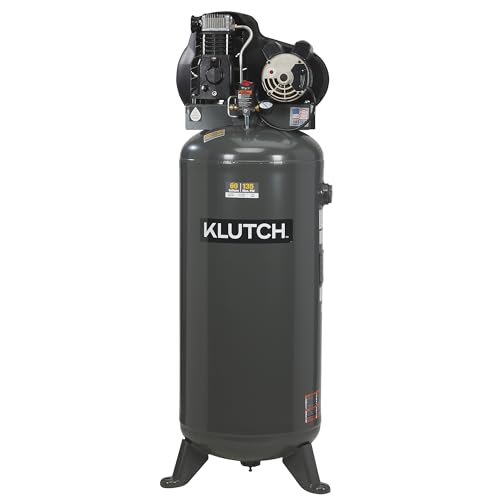
Klutch 60-Gallon Vertical Air Compressor 3.7 HP
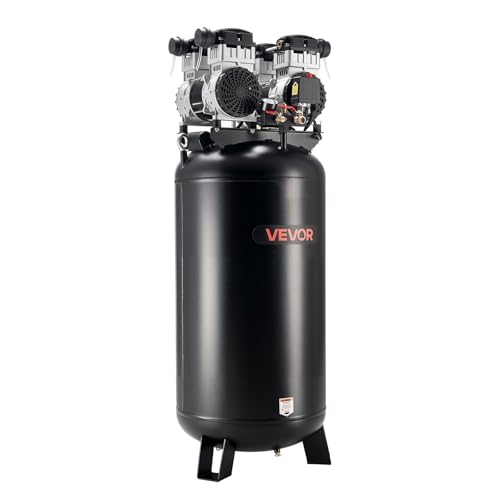
VEVOR 60 Gallons Heavy-Duty Air Compressor 4HP

VEVOR 6.3 Gallon Air Compressor 2 HP

ALL-TOP Air Compressor Kit Dual Cylinder 12V

Craftsman Air Compressor 10 Gallon CMXECXA0331042

Limodot Ultra Quiet Air Compressor 2 Gallon

MZB 6.4 Gallon Ultra Quiet Air Compressor 110V/60Hz

Campbell Hausfeld 60 Gallon Vertical Air Compressor 3.7 HP

BOSTITCH Air Compressor Kit 6 Gallon BTFP02012-WPK
More Details On Our Top Picks
Shop owners who need a steady 60-gallon vertical unit will notice the Klutch aims at the practical middle ground. The single-stage layout keeps the machine straightforward, and the 230V setup points it toward a dedicated workspace rather than casual plug-and-go use.
Compared with the smaller VEVOR 6.3-gallon and Craftsman portable picks, this one belongs in a more permanent corner of the garage. You may find the vertical footprint easier to place beside a wall, which matters in a crowded shop where floor space disappears fast.
Strong Points
- 60-gallon storage supports longer tool runs before pressure recovery becomes the main pause.
- Vertical tank shape suits garages that need floor space for carts, benches, or vehicle movement.
- 3.7 HP gives it enough muscle for demanding home-shop tasks and routine air-tool work.
- Single-stage design keeps the operating setup less complex than a two-stage system.
Things To Consider
- 230V service means you need the right circuit in place before installation.
- As a stationary compressor, it asks for a fixed home in the shop, not frequent relocation.
- Single-stage units usually make more sense for general garage duty than heavy continuous production.
Feature Rundown
Who It Suits Best
You get the most from this pick in a home garage, light fabrication bay, or service space that already has 230V power and room for a standing tank.
Another Choice May Suit
Campbell Hausfeld 60 Gallon Vertical Air Compressor 3.7 HP suits you better when higher pressure and a two-stage pump matter more than a simpler build.
The VEVOR 60-gallon unit is built for workspaces that lean harder on airflow than on portability. Its oil-free tank design also changes the ownership rhythm, since you avoid oil checks, though that usually comes with a louder, less cushioned operating feel than oil-lubricated systems.
Compared with the Klutch, this one pushes harder on output with a 4HP motor and 10SCFM at 90 PSI, so it suits more aggressive tool use. The catch is that the no-plug, 230V 60Hz setup expects a prepared installation, which makes it a better fit for dedicated shops than for casual garages.
What We Like
- 4HP output gives the tank a stronger work focus than the smaller, lighter picks in this roundup.
- 10SCFM at 90 PSI supports tools that need more continuous air flow.
- Max 125 PSI adds useful headroom for shop routines that call for higher pressure storage.
- Oil-free tank design reduces routine upkeep tied to oil changes.
- 60-gallon capacity helps keep longer tasks from turning into constant wait time.
Worth Noting
- 230V 60Hz no-plug configuration means installation planning matters from the start.
- Oil-free systems often trade some refinement for easier day-to-day upkeep.
- This is a stationary choice, so it belongs where you can leave it in place.
Core Details
Who Will Love This
You should look at this one for a large workshop, industrial-style bay, or serious garage where high airflow matters more than a compact footprint.
Where A Sibling Pick Shines
Klutch 60-Gallon Vertical Air Compressor 3.7 HP suits you better when you want a simpler 60-gallon shop unit with a slightly softer ownership profile.
This VEVOR is for smaller jobs where you still want a real compressor, not just a tiny inflator. The 6.3-gallon tank and oil-free motor make it easier to move around a garage, and that makes sense for trim work, tire top-offs, or quick paint sessions.
Compared with the two 60-gallon machines, it gives up storage and long-run stamina, so the trade-off shows up fast with air-hungry tools. You may find the double tube and double cylinder intake useful for reducing fill time, while the noise-control parts make it easier to live with in tighter work areas.
Bright Spots
- 2 HP motor and 3.35 CFM at 90 PSI fit lighter pneumatic work well.
- Oil-free build keeps routine maintenance simpler for occasional users.
- Double cylinder intake helps the compressor fill more efficiently than basic single-intake designs.
- 392°F-rated silicone hose material and braided stainless mesh add useful protection around the intake path.
- Two silencers help soften the operating sound in a garage or shared workspace.
Areas To Watch
- 6.3 gallons is fine for short jobs, but not for long sanding or continuous tool use.
- The smaller tank means you’ll wait more often between heavy tool bursts.
- Portable design is handy, though the format still asks for storage space when not in use.
Feature Card
Who Should Grab It
You fit this compressor best when your work centers on tires, nailers, spray touch-ups, or other short-duration jobs that value portability over tank size.
Look Elsewhere When
Craftsman Air Compressor 10 Gallon CMXECXA0331042 suits you better when you want a larger portable tank with more headroom for general home-shop use.
This ALL-TOP kit is aimed squarely at vehicle owners who need air on the move. The dual-cylinder, 12V layout and 12.35 ft³ per minute output point it toward truck tires, RV setups, and off-road recovery bags rather than a fixed shop wall.
Compared with the stationary 60-gallon compressors, it lives in a completely different lane, and that’s the point. The trade-off is simple, you give up tank storage for portability, so it shines during travel, trail duty, or roadside tire work.
Positives
- 12V power keeps it usable in vehicle-based setups.
- Dual-cylinder layout helps it move air faster than small single-cylinder inflators.
- 12.35 ft³ per minute is useful for larger tires and repeated inflation tasks.
- 150 PSI ceiling gives useful range for trucks, 4x4s, and RV tires.
Small Caveats
- This is an on-the-go inflator, not a shop compressor with a storage tank.
- Vehicle-based use means cable management and mounting choices matter.
- The format makes most sense for tires and portable inflation, not air-tool duty.
Details At A Glance
Made For
You get the most from this kit in a truck, RV, or off-road rig where portable inflation matters more than workshop output.
Swap It Out When
VEVOR 60 Gallons Heavy-Duty Air Compressor 4HP fits you better for fixed shop work that needs tank storage and steadier tool support.
The Craftsman 10-gallon compressor sits in a sweet spot for home projects that need more than a tiny tank but less than a shop-grade tower. Its oil-free design and wheeled body make it easier to move between driveway tasks, trim jobs, and garage corners.
Compared with the smaller 6.3-gallon VEVOR, this one offers more buffer before the motor has to catch up, which helps with staplers, nailers, and inflation routines. It still isn’t a substitute for a 60-gallon unit, so the honest read is that it suits portable use better than all-day air-tool work.
Upsides
- 10-gallon tank offers more working reserve than compact pancake-style units.
- 4.0 CFM at 90 PSI and 5.0 CFM at 40 PSI support common home-shop tasks.
- Oil-free setup keeps maintenance simpler for casual ownership.
- Wheel support helps move it around a driveway or garage without much effort.
Softer Spots
- Smaller than the 60-gallon options, so it reaches its limits sooner with larger tools.
- Portable form is helpful, though it still needs dedicated storage space.
- Best suited to intermittent work rather than extended sanders or production-style use.
Spec Overview
Whose Shelf It Belongs On
You should lean toward this model for home repairs, trim work, and routine inflation tasks where portability still matters.
Not Your Match When
Campbell Hausfeld 60 Gallon Vertical Air Compressor 3.7 HP fits you better for heavier garage use that calls for a larger stationary tank.
Noise matters in a shared garage or basement workspace, and this Limodot leans hard into that need. The 60 dB rating and 2-gallon tank keep it in the small-tool lane, while the steel tank and oil-free motor make it feel like a tidy helper for nail guns and light pneumatic tools.
Compared with the Craftsman 10-gallon pick, this compressor is more about quiet convenience than tank reserve. The 14-second recovery claim suggests quicker recovery between short bursts, though the small tank still sets the pace for how much work you can do before it pauses.
Best Bits
- 60 dB sound level suits rooms where lower noise is a real concern.
- 2.5 CFM at 90 PSI works for light trim and fastening tasks.
- Fast 14-second recovery helps between short bursts of air use.
- Steel tank adds a sturdier feel than very light plastic-bodied units.
- Oil-free operation keeps routine upkeep simple.
Room For Improvement
- 2-gallon storage limits it to small jobs and brief tool bursts.
- The compact size is easy to place, but it won’t replace a larger shop compressor.
- Light-duty format means you’ll refill more often during longer sessions.
Quick Facts
Best Suited To
You get the most value from this compressor in a quiet home workspace, apartment garage, or hobby setup that needs light air power.
Reach For A Different Pick When
Craftsman Air Compressor 10 Gallon CMXECXA0331042 fits you better for broader home-shop use and a larger air buffer.
This MZB model threads the needle between quiet operation and practical portability. The 6.4-gallon steel tank, oil-free design, and wheels make it easier to roll into a garage corner, and that helps when you want an air source for spray painting, auto repair, or trim work without a heavy footprint.
Compared with the Limodot, it gives you a little more tank room and a 110V setup that may feel more familiar in everyday home spaces. The 70dB noise level is still restrained for a compressor, though the real benefit is balance rather than silence, so it suits mixed light-duty use more than constant heavy tool demand.
What We Like
- 6.4-gallon size gives a useful middle ground for portable shop work.
- Steel tanks usually feel sturdier for repeated move-and-use routines.
- Wheels make it easier to shift across a garage or workspace.
- Oil-free operation keeps maintenance straightforward.
- 70dB noise level helps keep the compressor more manageable indoors.
Points To Note
- Portable tank size still limits long sessions with air-hungry tools.
- It’s a sensible home-shop helper, not a replacement for a large stationary unit.
- Wheel portability helps, though storage space still matters.
Feature Snapshot
Right Fit For
You’ll like this compressor most in a garage, workshop, or hobby area where you want portability without dropping down to a tiny tank.
Where Shoppers Go Wrong
Limodot Ultra Quiet Air Compressor 2 Gallon fits you better when lower noise and a smaller body matter more than a bit of extra capacity.
For a garage that runs harder tools, this Campbell Hausfeld brings a more serious pressure ceiling into the 60-gallon category. The oil-lubricated, two-stage pump is the key detail here, because a two-stage pump compresses air in two steps, which usually supports steadier operation for demanding shop work.
Compared with the Klutch, this model leans more toward durability and higher output expectations, while still staying in a familiar vertical footprint. The ASME-certified tank is also helpful to know about, because it points to a tank built to recognized pressure-vessel standards, though you still need the right space and power setup to make it useful.
Reasons To Buy
- Two-stage pump supports longer, steadier air delivery for demanding tasks.
- Oil-lubricated design fits users who want a more traditional shop compressor feel.
- 175 PSI rating gives more pressure ceiling than the other 60-gallon picks here.
- Large vertical tank helps keep floor space open in a busy garage.
- ASME-certified tank is a reassuring detail for permanent shop installation.
Trade Offs
- Oil-lubricated systems usually ask for a bit more routine attention than oil-free ones.
- 230V power means setup planning matters.
- This unit makes the most sense where it can stay put.
Core Details
The Right Fit
You should put this on your shortlist for a shop, garage, or automotive space that needs higher pressure and a more traditional two-stage compressor.
A Better Fit Elsewhere
VEVOR 60 Gallons Heavy-Duty Air Compressor 4HP suits you better when oil-free ownership and strong airflow matter more than a traditional pump layout.
The BOSTITCH pancake compressor is the easy-moving option in this list, built for quick inflation jobs and finish work rather than broad shop coverage. Its 6-gallon oil-free tank and 150 PSI ceiling give you a useful portable mix for nailers, small trim tasks, and household air jobs.
Compared with the Craftsman 10-gallon unit, this one is lighter and simpler to carry, but it gives up some working reserve. That trade-off makes sense for trim carpentry, small repairs, and anyone who wants a compressor that stays out of the way until the next task comes up.
Highlights
- 6-gallon pancake form is easy to store and move.
- Oil-free setup keeps maintenance straightforward.
- 150 PSI pressure ceiling supports common inflation and fastening jobs.
- Quiet, lightweight build suits around-the-house use.
Honest Caveats
- Small tank size limits how far it can go with larger tools.
- Portable shape is handy, though it won’t replace a stationary workshop compressor.
- Best for short bursts, not long continuous operation.
Feature Rundown
Who Should Grab It
You get the most from this compressor for trim carpentry, home inflation, and light fastening jobs where portability matters first.
Skip It When
Campbell Hausfeld 60 Gallon Vertical Air Compressor 3.7 HP is the smarter choice when you need a stationary compressor for bigger garage projects.
How To Choose The Right 60 Gallon Air Compressors Under 1000
Tank Size, Duty, And Real Job Length
A 60-gallon tank makes the most sense when your tools pull air in repeated bursts or you want less waiting between cycles. For garage wrenching, spray work, and air tools that need a steady reserve, that larger tank acts like a buffer between you and the motor.
Duty also matters, because tank size alone does not tell you how long the compressor can keep up. A single-stage unit is usually simpler and fine for general shop use, while a two-stage model gives you a stronger fit for longer sessions and tougher tool demands.
Power Setup And Placement
Most 60-gallon models in this price range need 230V power, so the electrical plan should come before the purchase, not after. That detail separates a weekend-friendly garage from a machine that needs real installation prep.
Vertical tanks help when floor space is tight, especially beside a bench, cabinet, or vehicle bay. Portable compressors solve different problems, but a stationary 60-gallon unit belongs where you can leave it in place and build the workspace around it.
Noise, Maintenance, And Ownership Feel
Oil-free compressors usually ask less of you day to day, which suits casual ownership and mixed household use. Oil-lubricated pumps often bring a more traditional shop feel, though they tend to need more routine attention and a little more care around upkeep.
Noise level changes how pleasant a compressor feels in real life. A quieter compact model can work well in a garage near living space, while a larger shop unit may be fine in a detached workspace where sound matters less.
Match The Compressor To The Tool
Nailers, tire inflation, and trim tools are forgiving, so a smaller portable compressor can still be a good fit for those jobs. Air sanders, heavier impact tools, and repeated spray work are where a 60-gallon tank starts earning its keep.
The safest way to choose is to think about your longest work session, not your quickest one. That keeps you from overspending on unnecessary size or underbuying a tank that feels stretched the first time you use it hard.
What To Weigh Before You Buy
Where Shoppers Go Wrong
A lot of people focus on tank size and stop there, but airflow, voltage, and pump style shape the real experience. A 60-gallon tank with weak delivery can still leave you waiting between tool bursts.
Another common miss is ignoring the space around the unit. Vertical storage helps, yet you still need room for access, maintenance, and safe placement near walls or cabinetry.
The Upgrade Payoff
Higher-tier compressors usually cost more because of stronger pumps, better pressure headroom, and more durable tank construction. Those parts matter most in shops that run tools for longer stretches or expect the compressor to stay in service regularly.
That upgrade is worth it for garages that see repeat air-tool use, automotive work, or semi-professional projects. For light inflation and finish carpentry, the extra muscle can be overkill, and a smaller portable compressor may make more sense.
Frequently Asked Questions
What makes a 60-gallon compressor useful for shop work?
The larger tank gives your tools more stored air before the motor has to refill. That helps during repeated bursts from impact tools, sanders, and spray equipment.
Do you need 230V power for these compressors?
Most of the 60-gallon stationary picks here use 230V, so you need the right outlet or circuit. Smaller portable models in the list can run on standard household power.
Is oil-free or oil-lubricated better?
Oil-free designs are easier to live with for casual use and lower-maintenance ownership. Oil-lubricated pumps often suit users who want a more traditional shop compressor and don’t mind extra upkeep.
Can a portable compressor replace a 60-gallon unit?
Portable compressors work well for tires, trim, and short jobs. They do not replace the tank reserve and sustained air delivery of a true stationary 60-gallon machine.
What should you prioritize first, PSI or CFM?
CFM, or cubic feet per minute, usually tells you more about how the compressor will handle air tools over time. PSI matters too, but airflow is what keeps many tools running without long pauses.
Closing Thoughts
You have two clear paths here, a true 60-gallon shop compressor for steady garage use, or a smaller portable model for lighter jobs and easier storage. The right choice depends on your power setup, your tools, and how often you want to wait for recovery. For most home shops, the Klutch and Campbell Hausfeld stand out for permanent setups, while the Craftsman and BOSTITCH make more sense for movable work. Pick the one that matches your space first, and the rest gets simpler.




