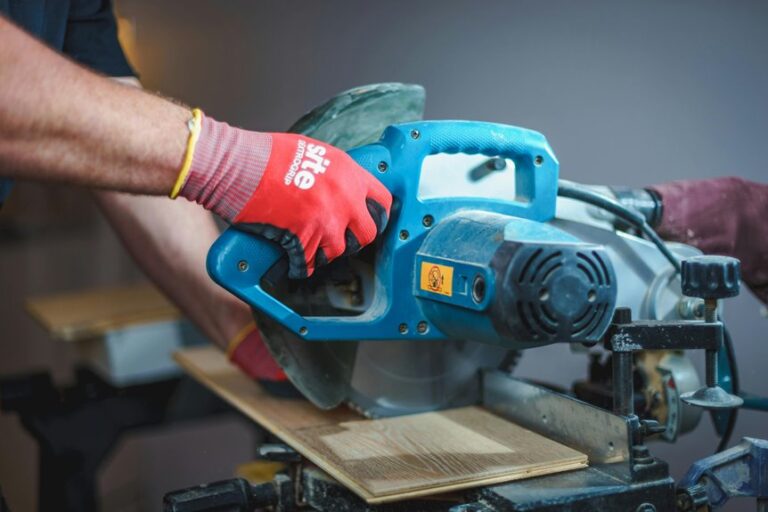
Overgrown branches above the fence line are the problem nobody enjoys solving on a ladder. The right gas-powered cutting tool turns a weekend of wobbly ladder work into an hour of ground-level trimming. This roundup covers five machines that handle that job, from lightweight pruning saws to heavy-duty rancher-class cutters and extendable pole trimmers built for tall canopies.
A Snapshot Of The Selections

Husqvarna 130 Gas Powered Chainsaw 16 Inch
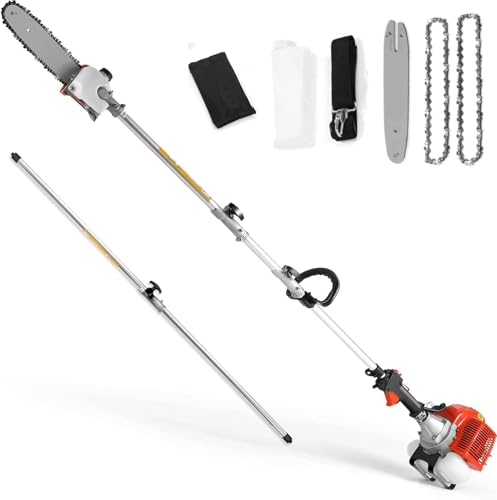
COOCHEER 58CC 2-Cycle Gas Pole Saw 16FT Reach

Husqvarna 450 Rancher 20 Inch Gas Chainsaw

Husqvarna 120 Mark III Gas Chainsaw 14 Inch

Homdox 58CC Gas Pole Saw 11.5inch Guide Bar
The Strengths Of Each Pick
The 130 sits in the sweet spot for homeowners who cut more than once or twice a year. Its 38-cc two-stroke engine produces around 2 horsepower through Husqvarna’s X-Torq design, which routes exhaust in a way that squeezes more work out of every tank while cutting emissions. A combined choke and stop control simplifies cold starts, the step that frustrates most casual users.
In practice, this is the saw you grab for storm-downed limbs, hedge-line cleanup, and the occasional small log split. The automatic oiler keeps the chain lubricated without you thinking about it, which matters when your hands are already full managing the cut.
Everyday Perks
- X-Torq engine delivers better fuel economy than conventional two-strokes, so fewer refuel stops mid-job
- Combined choke/stop switch reduces flooding risk during pull-starts
- Automatic chain oiler maintains lubrication throughout long cutting sessions
- 16-inch bar handles most residential limbs and small trunks comfortably
Points To Note
- Chain tension needs regular checking, a routine task owners of any gas saw should expect
- Two-stroke fuel mixing adds a small prep step before every session
Key Specs
Made For
Homeowners with mixed yard tasks who want one dependable gas saw rather than a fleet of specialized tools.
A Better Fit Elsewhere
Anyone needing overhead reach should look at the COOCHEER 58CC Gas Pole Saw instead, since the 130 works strictly at ground level.
Where the Husqvarna 130 stays grounded, this COOCHEER climbs. An extension shaft takes the body from about 6.6 feet up to 9.5 feet, which puts the cutting head within range of branches roughly 16 feet overhead. That’s the difference between trimming your maple from the lawn and renting a lift.
The 58-cc two-cycle engine runs up to roughly 45 minutes per tank depending on throttle use, and the package ships with two chains plus a spare spark plug, so early replacements cost nothing extra. For a property lined with tall shade trees, that spare-parts bundle is genuinely practical.
Positive Takeaways
- Telescoping shaft reaches branches near 16 feet, eliminating most ladder work
- Two chains and a backup spark plug come in the box
- Lightweight body keeps extended overhead sessions manageable
- 45-minute runtime covers a full afternoon of spot trimming
Small Caveats
- Fully extended, the tool demands steady shoulders; fatigue shows faster than with a handheld saw
- Precision at maximum reach takes a few sessions to learn
Feature Snapshot
Right Fit For
Suburban homeowners with mature trees who’d rather trim from the grass than climb anything.
Swap It Out When
Ground-level firewood cutting calls for the Husqvarna 450 Rancher, whose 20-inch bar outcuts any pole configuration here.
This is the machine for people whose “yard cleanup” includes fallen trunks. The 450 Rancher carries a 50.2-cc X-Torq engine producing 3.2 horsepower, paired with a 20-inch bar that slices through firewood rounds and storm debris the smaller saws in this list would grind against slowly.
Ergonomics matter more as power climbs, and Husqvarna tuned this model for maneuverability despite its size. Landowners clearing property lines or anyone heating with wood will find the extra displacement pays for itself in time saved every splitting season.
Notable Upsides
- 3.2 HP output powers through dense hardwood without bogging down
- 20-inch bar accepts large-diameter logs in single passes
- X-Torq engineering keeps fuel consumption reasonable for its class
- Ergonomic balance makes longer bucking sessions less punishing
- Suits both pruning duties and serious firewood production
Things To Weigh Up
- Heavier than the smaller Husqvarnas here; overhead or prolonged use tires newer operators quickly
- More engine means more maintenance attention over a season
Who Will Love This
Rural landowners and frequent firewood cutters who need professional-grade output without stepping up to commercial pricing.
Where A Sibling Pick Shines
Occasional pruners will find the Husqvarna 120 Mark III easier to live with day to day, since the Rancher’s capability exceeds light-trimming needs.
First gas saws should feel approachable, and the 120 Mark III is built around that idea. The same 38-cc X-Torq platform as the 130 wears a shorter 14-inch bar, which trims weight and makes the saw easier to control while you’re still learning body positioning. Two comfort features stand out on paper: Air Injection, a centrifugal system that flings larger debris away from the air filter before it clogs, and LowVib damping that softens handle vibration.
For weekend pruning and small limb removal, those features translate directly into less fatigue and fewer filter cleanings across a season.
A Favorable Mix
- LowVib anti-vibration tech reduces arm strain during longer cuts
- Air Injection extends intervals between air filter maintenance
- Shorter 14-inch bar offers tighter control for less experienced hands
- Automatic oiler removes one chore from every session
Less Ideal Details
- The 14-inch bar limits you to smaller diameter wood than the 130 or 450 Rancher
Quick Facts
Who Should Grab It
New saw owners tackling occasional pruning who value comfort features over raw capacity.
Reach For A Different Pick When
Larger storm cleanup jobs call for the Husqvarna 130’s 16-inch bar, a modest step up that handles thicker material.
Compared with the COOCHEER pole saw earlier in this list, the Homdox leans harder on engine muscle. Its 58-cc two-cycle motor pushes roughly 1400 watts and spins up to 8500 rpm, enough to chew through branches around 10 inches thick, which is substantial for an overhead tool. The trade-off comes at the head: an 11.5-inch guide bar versus the COOCHEER’s longer setup.
Extension hardware still stretches reach toward 16 feet, so high canopy work remains the core mission. Thicker, denser growth is where this one earns its keep.
Practical Advantages
- High-revving 58-cc engine cuts branches near 10 inches thick
- Extendable design reaches approximately 16 feet overhead
- Wide 11.5-inch guide bar accommodates chunky limbs
Honest Caveats
- Full-power operation at arm’s length requires solid technique; plan shorter working bursts until form settles
- Engine tuning and chain sharpening are recurring upkeep tasks common to all gas pole tools
Core Details
Built With In Mind
Property owners facing dense, mature growth who prioritize cutting force over finesse.
Another Choice May Suit
Lighter seasonal trimming suits the Husqvarna 120 Mark III better, since its lighter build forgives occasional use.
What Matters Most Before Choosing Gas Pole Saws
Match Power To Your Trees
Displacement tells you what a saw can actually eat. A 38-cc unit like the Husqvarna 120 Mark III handles pruning-scale limbs, while 50-cc-plus engines such as the 450 Rancher take on hardwood and trunk work. Buying below your trees’ size means slow cuts and stalled chains; buying far above means hauling weight you’ll resent.
Reach Decides The Job
Pole configurations exist to keep your feet on the ground. Measure your tallest problem branch before choosing between a fixed-length saw and a telescoping model like the COOCHEER or Homdox. Remember that rated maximum reach assumes you hold the tool at full extension, which taxes your arms faster than most shoppers expect.
Maintenance Is Part Of Ownership
Every gas engine here runs on a two-stroke fuel mix, meaning premixing oil and gasoline before each session. Chain tension, bar oil levels, and air filters all need periodic attention. Buyers comfortable with that rhythm will be happy; anyone wanting zero upkeep should reconsider the fuel type entirely.
Key Considerations Across These Picks
Wrong Turns To Avoid
The most common error is mismatching bar length to branch size. A 14-inch saw struggles on 12-inch hardwood, and no amount of patience fixes that cleanly. Shoppers also underestimate total weight at full extension, then discover a 16-foot pole saw feels very different after twenty minutes. Check what spare parts ship in the box before committing.
What Separates Premium From Basic
Higher-tier models buy refinement rather than just raw numbers. Husqvarna’s X-Torq, Air Injection, and LowVib systems each address a specific ownership pain: fuel burn, filter clogging, and arm fatigue respectively. Budget-friendly alternatives counter with generous included spares and strong displacement. Paying up rewards frequent users; occasional trimmers often do fine without it.
Frequently Asked Questions
How high can a gas pole saw realistically reach?
Most extendable models in this category reach branches roughly 14 to 16 feet off the ground. Your own stability and control degrade before the tool does, so treat rated reach as a ceiling rather than a comfortable working height.
Do I need to mix oil and gas for these saws?
Yes, every two-cycle engine here requires a pre-mixed fuel blend of gasoline and two-stroke oil. Mixing ratios vary by manufacturer, so follow the ratio printed in your specific model’s manual.
Are gas pole saws louder than electric ones?
Considerably, typically. Plan on hearing protection for sessions longer than a few minutes, and check local noise ordinances if you live close to neighbors.
Can one saw handle both pruning and firewood?
The Husqvarna 450 Rancher comes closest, with its 20-inch bar and 3.2 HP engine covering both roles. Smaller 14- and 16-inch saws prune well but slow down noticeably on dense firewood rounds.
How often does the chain need sharpening?
Active users commonly touch up the chain after every few hours of cutting, sooner in dirty or gritty wood. A dull chain produces fine dust instead of chips and pulls to one side during cuts.
Closing Remarks
Five machines, three distinct jobs. Ground-level cleanup points toward the Husqvarna 130 or the gentler 120 Mark III, serious wood volume belongs to the 450 Rancher, and overhead canopy work belongs to the COOCHEER or Homdox pole designs. Match the tool to your tallest, thickest problem branch and you’ll spend next season cutting instead of shopping.