Anyone who has wrestled rebar, cinder block, or a rusted exhaust bracket knows the frustration of the wrong tool: slow cuts, burning discs, arms worn out before the job is done. The right cut-off saw changes that math entirely, and this shortlist covers the range from a palm-sized die grinder to a full-size masonry cutter. Whether you’re a weekend DIYer clearing fence posts or a contractor cutting slab all morning, one of these five will fit your workload and your outlet situation.
The Shortlist At A Glance
SHALL 3 Inch High-Speed Cut Off Tool, 3.5 Amp
DCK Angle Grinder 4-1/2-Inch KSM09-115S

Evolution R230DCT 9 in. Electric Concrete Saw
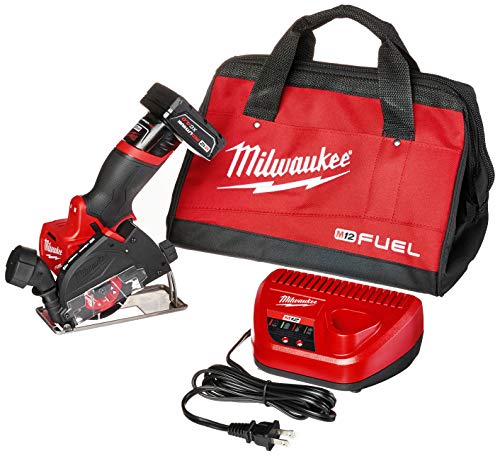
Compact Cut Off Tool Kit, 12.0V Li-Ion

XtremepowerUS 3200W Electric 16″ Concrete Saw
A Breakdown Of The Leading Choices
A 3-inch cut-off tool lives or dies by wheel speed, and this SHALL spins its disc at up to 24,000 RPM thanks to a 3.5 Amp motor pushing around 400 watts. That kind of no-load speed bites through sheet steel, bolts, and inox quickly for a tool you can hold in one hand. Three multifunctional wheels come in the box, so you can start cutting the day it arrives.
The honest trade-off is thermal: like most compact high-RPM tools, extended runs heat things up, and the manufacturer advises a rest period after roughly 15 minutes of continuous work. For trim work, hobby fabrication, and quick bolt removal, that pacing rarely gets in the way.
Real-World Strengths
- 24,000 RPM no-load speed makes fast, clean passes through thin steel and stainless stock
- Three included cut-off wheels mean no first-day accessory shopping
- Small footprint fits where a full grinder won’t reach
- Light enough to control with one hand during overhead or awkward-angle cuts
Things To Consider
- Owners commonly report the need to pause periodically so the motor doesn’t overheat on long jobs
- Plastic isn’t a recommended material here, so keep it to metal work
Key Specs
Who It Suits Best
Beginners and hobby fabricators who want an affordable entry into precision metal cutting without committing to a big grinder.
Where A Sibling Pick Shines
For heavier daily grinding alongside cutting, the DCK KSM09-115S angle grinder handles thicker stock and longer sessions far better.
Step up from the SHALL’s 3-inch wheel and everything changes: the DCK KSM09-115S runs a 4-1/2-inch disc off a 6.7 Amp motor rated around 800 watts, spinning to 11,800 RPM. In plain terms, that’s a tool built for people who grind and cut every working day, not once a season. Two safety guards ship with it, which matters more than it sounds since swapping between cutting and grinding positions happens constantly.
At roughly 4.4 pounds with a grip sized for sustained handling, fatigue stays manageable through a long shift. Six discs come included, split between cutting, grinding, and flap discs, so the kit covers prep, shaping, and clean-up right away.
Useful Strengths
- 6.7 Amp motor with about 800 W output holds speed through tough metal
- 11,800 RPM suits both aggressive grinding and controlled cutting
- Two guards let you reconfigure quickly between tasks
- Six-disc starter set covers cutting, grinding, and surface blending
- Compact 4.4 lb body reduces arm strain over long sessions
Points To Note
- Corded operation means planning around outlets and cord management on site
- Guard adjustment takes a moment, which some owners find fiddly mid-job
Built With In Mind
Professional metalworkers, plumbers, and serious DIYers who need one dependable corded grinder for daily fabrication and repair work.
Swap It Out When
Working exclusively in masonry, the Evolution R230DCT delivers deeper, more accurate concrete cuts than any 4-1/2-inch grinder can manage.
This is the pick for anyone tired of dragging a gas saw, mixing fuel, and breathing fumes on a patio job. The Evolution R230DCT pairs a 15 Amp electric motor with a 9-inch diamond masonry blade, and that combination cuts 3-1/2 inches deep, deep enough to slice brick, block, natural stone, and roof tile in a single pass. Proper blade coverage and a stance-friendly design also make straighter cuts easier than wrestling an angle grinder sideways along a wall.
You will need a solid 15-amp circuit and a heavy-duty extension cord for outdoor runs, worth checking before the first cut. Compared with the DCK grinder above, this trades versatility for depth and accuracy, and on masonry it wins that trade easily.
Key Advantages
- 3-1/2 inch cut depth handles most brick, block, and paver work in one pass
- High-concentration diamond blade included, tuned for clean masonry results
- No gas, no fumes, usable indoors and near occupied spaces
- Guided, ergonomic posture supports straighter, safer cuts than freehand grinding
Worth Noting
- Needs a dedicated 15 Amp circuit; long extension cords can sap performance
- Blade wear on abrasive concrete is normal, so budget for replacements over time
Product Snapshot
Right Fit For
DIY landscapers and contractors doing patios, retaining walls, or brick repairs who want pro-depth cuts without gas-mix maintenance.
Reach For A Different Pick When
Slab work deeper than 3-1/2 inches calls for the XtremepowerUS 16-inch saw further down this list.
Under a car, inside a cabinet frame, or halfway up a ladder, cords are the enemy, and this 12V cordless kit removes them completely. The brushless motor drives a 3-inch wheel at a right angle from a barrel-grip body, and a lock-on trigger keeps your hand relaxed during longer cuts. Brushless matters here: fewer wearing parts means more runtime per charge and a longer service life than brushed equivalents.
The kit arrives genuinely complete, with the bare tool, two lithium-ion batteries (one 4.0 Ah, one 6.0 Ah), and a charger. Tool-free wheel changes round out a package aimed squarely at mobile work.
A Few Strong Suits
- Two batteries included, so one charges while the other works
- Brushless motor extends runtime and overall tool lifespan
- Tool-free wheel change keeps cuts moving without hunting for a wrench
- Lock-on switch reduces finger fatigue on extended cuts
Small Caveats
- 12V power limits you to thinner stock and shorter cuts than corded tools handle
- Maximum 1/8 inch wheel thickness restricts accessory choices somewhat
Feature Card
Whose Shelf It Belongs On
Mechanics, HVAC techs, and installers who cut clamps, straps, and fasteners in cramped, cordless-only situations.
Not Your Match When
Bench-top fabrication with continuous cuts favors the plugged-in SHALL tool, which sustains high RPM without battery swaps.
When the job is a driveway slab or a foundation wall, nothing smaller earns its place. This XtremepowerUS runs a 16-inch blade off a 3200-watt, 20 Amp motor, delivering a power-to-weight ratio that keeps vibration low and strain down even on marathon cutting days. A water line attachment feeds water directly to the blade, suppressing dust and extending blade life, which makes a real difference when cutting reinforced concrete near finished areas.
A double protection switch prevents accidental startup, a sensible safeguard on a machine this size. Blade included, wet or dry capable, and still electric rather than gas, it sits at the top of this list in raw capability.
The Good Stuff
- 3200W / 20 Amp output powers through thick concrete and masonry
- 16-inch blade reaches depths the Evolution R230DCT simply cannot
- Water line attachment cuts dust dramatically and cools the blade
- Low-vibration design reduces operator fatigue on long pours-side work
- Double protection switch guards against unintended starts
Factors To Consider
- Demands a serious 20 Amp circuit; household garage outlets often fall short
- Wet cutting requires a water source and hose setup on site
- Large blade and body size demand two-hand commitment and storage space
Who Should Grab It
Contractors and ambitious DIYers tackling foundations, driveways, and demolition where cut depth and dust control decide the outcome.
Consider Something Else When
Standard brick-and-block landscaping projects fit the lighter, easier-to-feed Evolution R230DCT far better.
What Matters Most Before Choosing Gasoline Cuts Off Saw
Match The Tool To The Material
Cutting thin steel strap and slicing cured concrete are different sports entirely. A 3-inch high-RPM tool excels on sheet metal and bolts, while masonry demands a large diamond blade and real motor wattage. Buying undersized is the most common regret in this category, so measure your thickest typical cut first.
Power Source And Runtime Reality
Corded tools deliver consistent power but chain you to an outlet and a quality extension cord. Cordless kits trade raw output for freedom, and battery capacity in amp-hours tells you how long each charge lasts. Gasoline models offer independence from both, at the cost of fuel, fumes, and maintenance.
Ergonomics Decide Long Jobs
Grip circumference, weight, and vibration levels matter more the longer your sessions run. A 4-pound grinder feels fine for ten minutes and punishing for two hours. Look for lock-on switches, balanced weight distribution, and low-vibration designs whenever repeated cutting is on the agenda.
Accessories And Ongoing Costs
Included blades and wheels save a trip to the store, but replacement consumables drive lifetime cost. Diamond blades wear on abrasive concrete, cut-off wheels thin out fast on hard steel, and compatibility with common arbor sizes keeps future purchases cheap and easy.
Key Considerations Across These Picks
Pitfalls Shoppers Hit
The classic mistake is buying on blade size alone and ignoring the circuit behind the wall. A 20 Amp saw on a shared 15 Amp line trips breakers and frustrates everyone. Underrating consumables hurts too: budget for spare wheels and blades from day one rather than stalling a job mid-cut.
What The Higher Tier Buys
Spending up generally buys motor headroom, deeper cuts, and features like water feed or brushless motors. Those upgrades pay off quickly for anyone cutting weekly; occasional users get more value from a well-chosen mid-tier tool with good included accessories.
Frequently Asked Questions
Can an electric saw really replace a gasoline model?
For most residential and light commercial work, yes, especially where fumes are unwelcome. Deep structural demolition still favors gas for untethered runtime.
What does cut depth actually determine?
It defines the thickest single-pass cut possible, roughly one-third of blade diameter in practice. Deeper material requires flipping the workpiece or stepping up blade size.
Are brushless motors worth the premium?
They run cooler, last longer, and stretch battery life noticeably. Frequent users recoup the difference; occasional users may not notice it.
How often do cut-off wheels need replacing?
It depends on material hardness and pressure applied, but hard steel wears wheels quickly. Keeping several spares on hand prevents mid-job stops.
Is wet cutting necessary for concrete?
Not strictly, but it suppresses harmful dust and extends blade life considerably. Dry cutting outdoors with proper protection remains an option for shallow cuts.
Wrap Up
Your workload should make this decision for you. Light metalwork points to the SHALL or the cordless 12V kit, daily grinding belongs to the DCK, and masonry splits cleanly between the Evolution for brick and the XtremepowerUS for serious slab depth. Match the tool to the material, confirm your power supply, and whichever you choose will earn its spot in the shop for years.